Recipe
Servings
Servings 1×
Ingredients
- Black beans
- Beans
- Pasta
- Potatoes
- Sweet potatoes
- Onion
- Garlic
- Cooking oil
- Soy sauce or tamari
- Chili seasoning
Method
- Prepare the ingredients described in the article and heat the cooking surface or oven as directed.
- Cook the main ingredients using the heat and timing guidance in the article.
- Finish with the seasonings and garnishes named in the article, then serve.
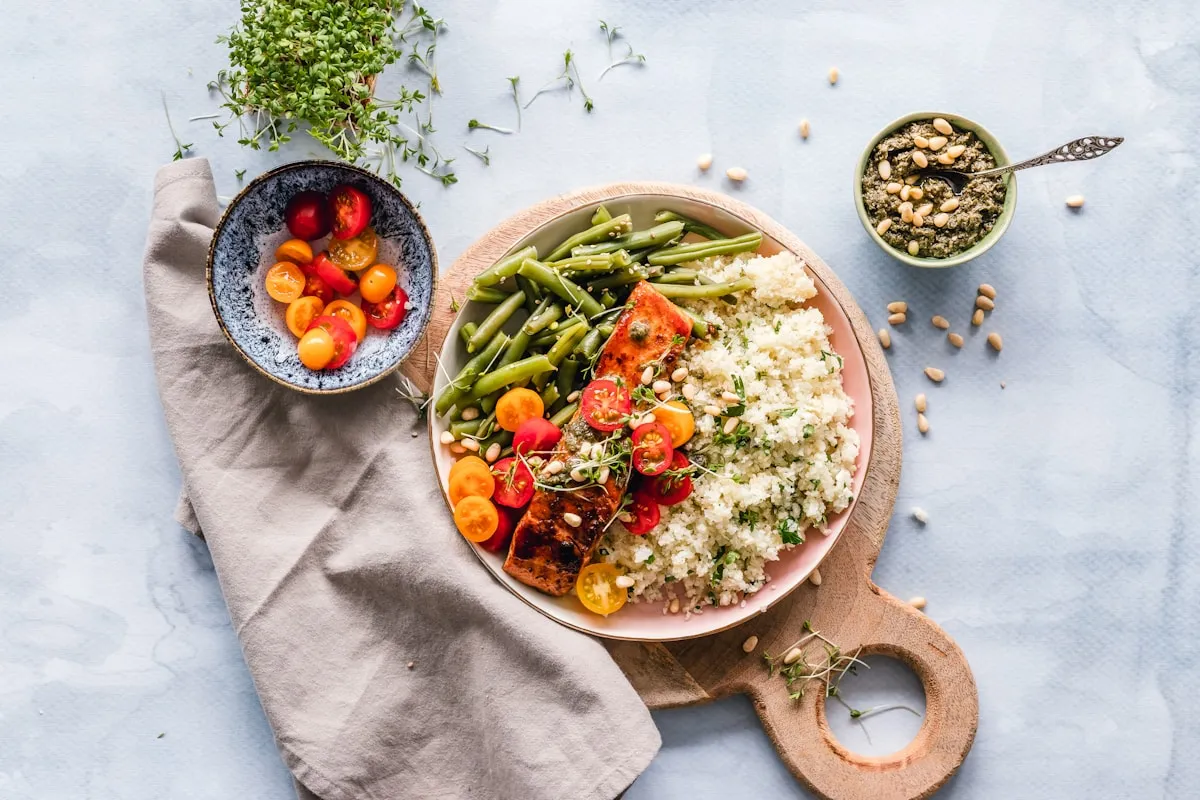
If you think a bowl of chili needs meat to be "meaty," I’m here to politely challenge your worldview with a bit of food science. My plant-based sweet potato and black bean chili is a masterclass in flavor engineering, proving that you don't need a cow to achieve deep, savory complexity. We aren't just tossing things into a pot and hoping for the best; we are manipulating sugars, proteins, and starches to create one of the most satisfying plant-based dinner ideas you’ll ever try.
The Chemistry of the Perfect Pot
When you approach one pot meals, the biggest mistake you can make is rushing the "invisible" steps. The secret to a phenomenal chili lies in the chemical reactions that happen before you even add a drop of broth. If you skip these, you’re just making bean soup. And we’re definitely not here for bean soup.
Harnessing the Maillard Reaction
The first rule of Flavor Club is that you must brown your aromatics. When you sauté onions, garlic, and bell peppers in oil over medium-high heat, you are triggering the Maillard reaction. This is a chemical dance between amino acids and reducing sugars that creates hundreds of new aroma compounds. Aim for a deep golden-brown color. If your onions are just translucent, you’re missing out on the roasted, savory depth that acts as the "soul" of the dish.
Apply this same logic to your tomato paste. Don't just stir it into the liquid. Instead, push your vegetables to the side and fry the paste directly on the bottom of the pot until it turns from bright red to a dark, rusty brick color. This caramelization (and further Maillard-ing) removes the metallic "tinny" taste and replaces it with a concentrated, umami-rich sweetness.
The Art of Spice Blooming
Most of the spices in your pantry: like cumin, smoked paprika, and chili powder: contain volatile flavor compounds that are fat-soluble, not water-soluble. If you throw them into the broth, they’ll just float around like sad, flavorless dust. Bloom your spices by stirring them into the hot oil and vegetables for about 60 seconds before adding any liquids.
This brief exposure to heat and fat "unlocks" the essential oils, allowing the flavors to dissolve into the oil phase of your chili. You’ll know it’s working when your kitchen suddenly smells like a high-end smokehouse. Be careful, though; spices can go from "bloomed" to "burnt" in seconds. If it starts to smell acrid, deglaze with a splash of water immediately to stop the reaction.
Starch Gelatinization for Body
A runny chili is a culinary crime. To get that thick, glossy texture, we rely on starch gelatinization. As the sweet potatoes and black beans simmer, their starch granules absorb water and swell. Eventually, they burst, releasing amylose and amylopectin into the liquid, which naturally thickens the sauce.
If your chili feels too thin, use the back of your spoon to crush a few cubes of sweet potato and a handful of beans against the side of the pot. This increases the surface area of the starch, creating an instant, rustic thickener without needing flour or cornstarch. Much like the technique used for achieving a perfect glossy sauce in pasta, the goal is a cohesive, emulsified texture.
Inventive Chili Variations
Once you master the basic chemistry, you can start playing with the variables. Flavor is all about balance, and you can nudge the profile of this chili in several directions depending on your mood.
- The Smoky Deep-Dive: Replace regular chili powder with ground chipotle or add a tablespoon of adobo sauce. The capsaicin in the peppers provides the heat, while the smoke adds a pseudo-charred flavor that mimics a slow-cooked brisket.
- The Cocoa Secret: Stir in a teaspoon of unsweetened cocoa powder along with your spices. The tannins in the cocoa provide a subtle bitterness that cuts through the sweetness of the sweet potatoes, adding a layer of mystery that guests won't be able to name.
- The Umami Bomb: If you feel the dish is lacking "weight," add a splash of soy sauce or a teaspoon of white miso paste near the end of cooking. These ingredients are packed with glutamates, which trick your brain into perceiving a richer, more "meaty" experience.
Side Dish Pairings that Pop
Pairing is about contrast. Since this chili is rich, earthy, and slightly sweet, you need sides that provide acidity and crunch to reset your palate between bites.
I always recommend a side of golden skillet cornbread (minus the meat, of course) to mop up the extra sauce. The sweetness of the corn mirrors the sweet potato, while the crumbly texture provides a welcome break from the creamy beans.
For a lighter touch, serve the chili with a quick lime-marinated slaw. The citric acid in the lime juice physically breaks down the fat-soluble heat of the chili, preventing it from overwhelming your taste buds. A dollop of avocado or vegan sour cream also works wonders by providing a cooling, fatty barrier that smooths out the spice.
Frequently Asked Questions
Why did my sweet potatoes turn into mush?
This is a classic case of over-gelatinization. Sweet potatoes have different rates of breakdown depending on their variety. If you find yours disintegrating too quickly, try cutting the cubes larger (at least 1-inch) or adding them halfway through the simmering process. Avoid stirring too aggressively, as this physically breaks the softened cell walls of the potato.
Is it really okay to use canned beans?
Absolutely. In fact, canned beans are often more reliable for healthy dinner ideas because they’ve already been processed at high pressure, ensuring the starches are fully hydrated. Just make sure to rinse them thoroughly to remove the metallic-tasting liquid from the can, which can muddy the vibrant colors of your chili.
How can I fix a chili that’s too spicy?
Don't panic. You can’t "remove" capsaicin once it's in there, but you can dilute its impact. Add more volume: more sweet potatoes or beans: to spread the heat out. Alternatively, increase the fat and sugar content. A squeeze of honey (or agave) and a big scoop of avocado will bind to the capsaicin molecules and keep them from hitting your receptors quite so hard.
Can I make this ahead of time?
Actually, I insist on it. Chili is famously better the next day. This isn't just an old wives' tale; it's a phenomenon called flavor equilibration. Over time, the aromatic molecules migrate from the liquid into the solids (like the beans and potatoes), and the various spice compounds have time to meld and form new, more complex flavor chains.
Does it freeze well?
This is one of the best one pot meals for freezing. The high starch content from the sweet potatoes acts as a stabilizer, preventing the chili from separating when thawed. Just leave a little head-space in your container, as the water content will expand as it turns to ice. When reheating, add a splash of water to restore the glossy texture, as the starches will have tightened up in the cold.