Recipe
Servings
Servings 1×
Ingredients
- Tofu
- Lentils
- Chickpeas
- Beans
- Quinoa
- Rice
- Bread
- Spinach
- Kale
- Cucumber
- Tomatoes
- Onion
- Garlic
- Lemon
- Cream
- Chorizo
- Cooking oil
- Salt
Method
- Use the "blooming" technique for your spices.
- Heat releases the essential oils trapped inside the spices, making them exponentially more fragrant.
- Add your greens at the very last moment.
- Add a splash of water or broth before heating it on the stove or in the microwave to bring it back to its original consistency.
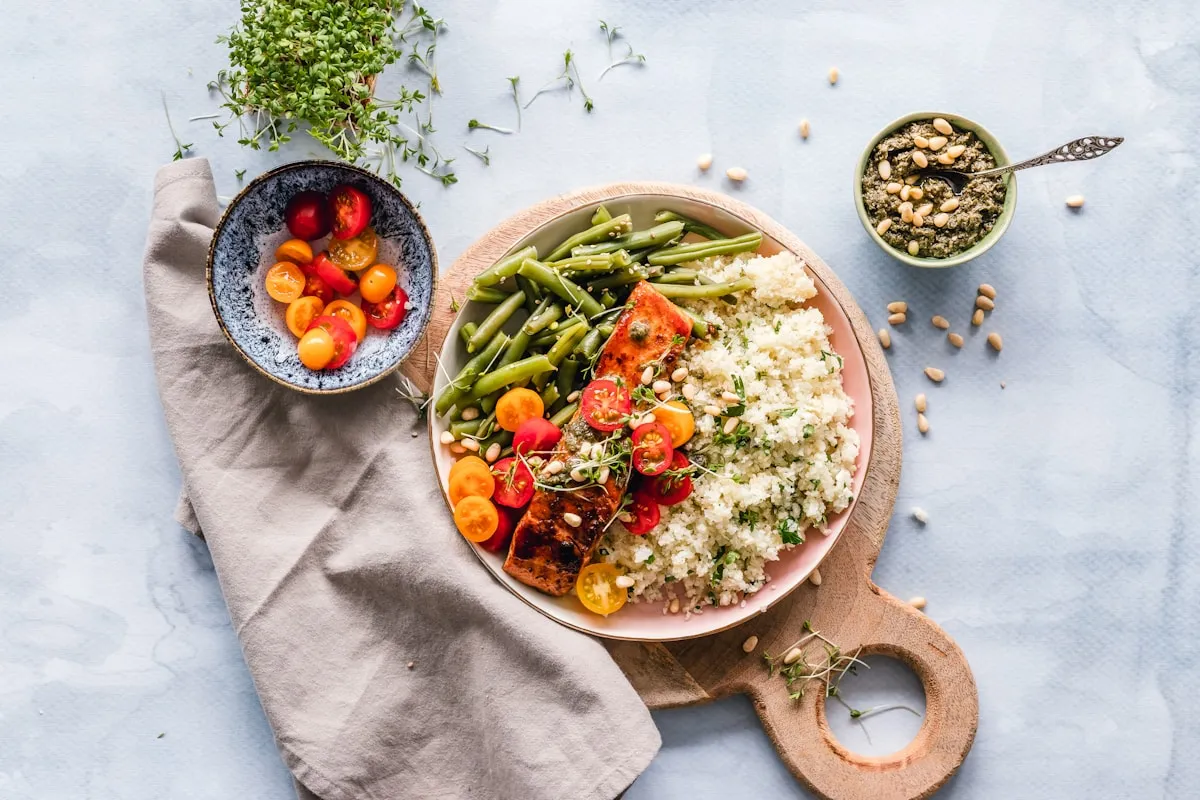
If you have thirty minutes and a single pot, you have a feast. We’ve all been there: staring into the pantry at 6:00 PM, hoping a gourmet meal will manifest out of a can of beans and a bag of greens. Well, today is the day that actually happens. This One-Pot Chickpea and Spinach Stew is my go-to when I need something that feels like a warm hug but doesn't require a sink full of dishes. It’s soulful, hearty, and surprisingly scientific in how it builds flavor.
The Chemistry of Flavor Development
Creating a deep, complex stew in under half an hour isn't magic; it’s chemistry. To get the most out of your ingredients, you have to respect the "Maillard reaction." This is the chemical reaction between amino acids and reducing sugars that gives browned food its distinctive flavor. When you sauté your aromatics, don't just let them sweat until they're translucent. Push them. Get those onions to a point where the edges are curling and golden. This creates a foundational sweetness that balances the earthy profile of the chickpeas.
Use the "blooming" technique for your spices. Instead of tossing your ground cumin or paprika into the liquid at the end, stir them directly into the hot oil with your onions and garlic for about 30 to 60 seconds. Heat releases the essential oils trapped inside the spices, making them exponentially more fragrant. If you skip this, your stew will taste "dusty" rather than integrated. It's the same principle we use when making quick family meals that rely on punchy aromatics to do the heavy lifting.
Now, let’s talk about the tomato paste. Most people stir it into the broth, but you should "fry" it first. Clear a small spot in the center of your pot, drop the paste in, and cook it until it turns from a bright red to a deep, rusty brick color. This caramelizes the natural sugars in the tomatoes, removing that metallic "canned" tang and replacing it with a rich, umami depth.
Texture is just as important as taste. Chickpeas are starchy, and you should use that to your advantage. Take a wooden spoon and smash about ten percent of the chickpeas against the side of the pot while they simmer. This releases their internal starches into the liquid, acting as a natural thickener. You’ll end up with a velvety, creamy broth without needing to add a drop of heavy cream or flour.
Finally, manage your spinach with precision. Spinach is 90% water. If you add it too early, you'll end up with a soggy, grey mess that has lost its nutritional integrity. Add your greens at the very last moment. The residual heat of the stew is enough to wilt the leaves into silky ribbons while keeping them vibrant green and packed with bioavailable nutrients. This attention to detail is what turns basic ingredients into one of the best healthy dinner ideas in your repertoire.
Elevating Your Base: Creative Variations
While the classic version is a plant-based powerhouse, this pot is a blank canvas. If you want to increase the protein or change the flavor profile, small tweaks go a long way. For a smoky, Mediterranean twist, add some diced chorizo or smoked tofu at the beginning. The fat from the chorizo will render out, carrying paprika-infused oils through the entire stew.
You can also play with the greens. While baby spinach is the most accessible, kale or Swiss chard adds a wonderful structural bite. Just remember that heartier greens take longer to break down; give kale about five to seven minutes of simmering time compared to the two minutes for spinach. If you’re looking for more healthy dinner ideas, consider adding a handful of red lentils to the pot. They will dissolve almost completely, adding even more creaminess and a boost of folate.
For a bright, zingy finish, don't underestimate the power of acidity. A squeeze of fresh lemon juice or a teaspoon of red wine vinegar added right before serving can "wake up" the earthy flavors. This is a scientific necessity; acidity cuts through the richness of the starch and balances the salt, making the flavors pop on your palate.
Perfect Pairings for a Balanced Plate
Balance is the key to any successful meal. Since this stew is heavy on starch and soft textures, you need something with a crunch to keep things interesting. A thick slice of toasted sourdough is the gold standard here. The slight sourness of the bread complements the savory stew, and the crust provides that much-needed structural contrast.
If you want to keep it light, a crisp cucumber salad with a simple vinaigrette works wonders. The coolness of the cucumber acts as a palate cleanser between bites of the warm, spiced stew. For those who need a bit more heft, serve the stew over a bed of fluffy quinoa or basmati rice. The grains soak up the thickened broth, ensuring not a single drop of that liquid gold goes to waste. If you're short on time, you can even toss some frozen rolls into the oven or look for air fryer recipes dinner sides that offer a quick, crispy accompaniment without heating up the whole house.
Troubleshooting Your Stew: Frequently Asked Questions
What if my stew is too watery?
This usually happens if you didn't let the liquid reduce enough or if you used a lot of watery vegetables. Don't panic. Increase the heat to medium-high and let it boil uncovered for five minutes. This evaporates the excess water, concentrating the flavors. You can also use the "mash method" mentioned earlier: smash more chickpeas to release their starch. Avoid adding flour or cornstarch unless absolutely necessary, as they can mask the clean flavors of the spices.
Can I use dried chickpeas instead of canned?
Absolutely, but you’ll need to plan ahead. Dried chickpeas must be soaked overnight and then simmered for about 45 to 60 minutes before you even start the stew process. While the texture of dried beans is superior: often creamier and more intact: canned chickpeas are the secret to quick family meals on a Tuesday night. If you do use canned, always rinse them thoroughly to remove the excess sodium and that metallic liquid.
My spices taste bitter. What happened?
You likely burnt them during the blooming phase. Spices are delicate; if the oil is smoking or you leave them in too long without adding liquid, they will scorch. Once a spice is burnt, there is no way to fix the bitterness. If this happens, it’s honestly best to wipe the pot and start over at the onion stage. To prevent this, have your broth or tomatoes ready to pour in the second the spices become fragrant.
How do I store and reheat leftovers?
This stew actually tastes better the next day because the flavors have more time to meld. Store it in an airtight container in the fridge for up to four days. When reheating, you might notice the stew has thickened significantly as the chickpeas continued to absorb moisture. Add a splash of water or broth before heating it on the stove or in the microwave to bring it back to its original consistency.
Can I cook this in an air fryer?
While stews are traditional stovetop affairs, you can use air fryer recipes dinner logic for the toppings. Try air-frying some extra chickpeas with salt and cumin until they are crunchy, then use them as a garnish. It adds a fantastic textural layer that elevates the dish from a simple stew to a restaurant-quality meal.