Recipe
Servings
Servings 1×
Cook 2 min
Ingredients
- Tofu
- Greek yogurt
- Peas
- Lemon
- Cream
- Salt
Method
- Prepare the ingredients described in the article and heat the cooking surface or oven as directed.
- Cook the main ingredients using the heat and timing guidance in the article.
- Finish with the seasonings and garnishes named in the article, then serve.
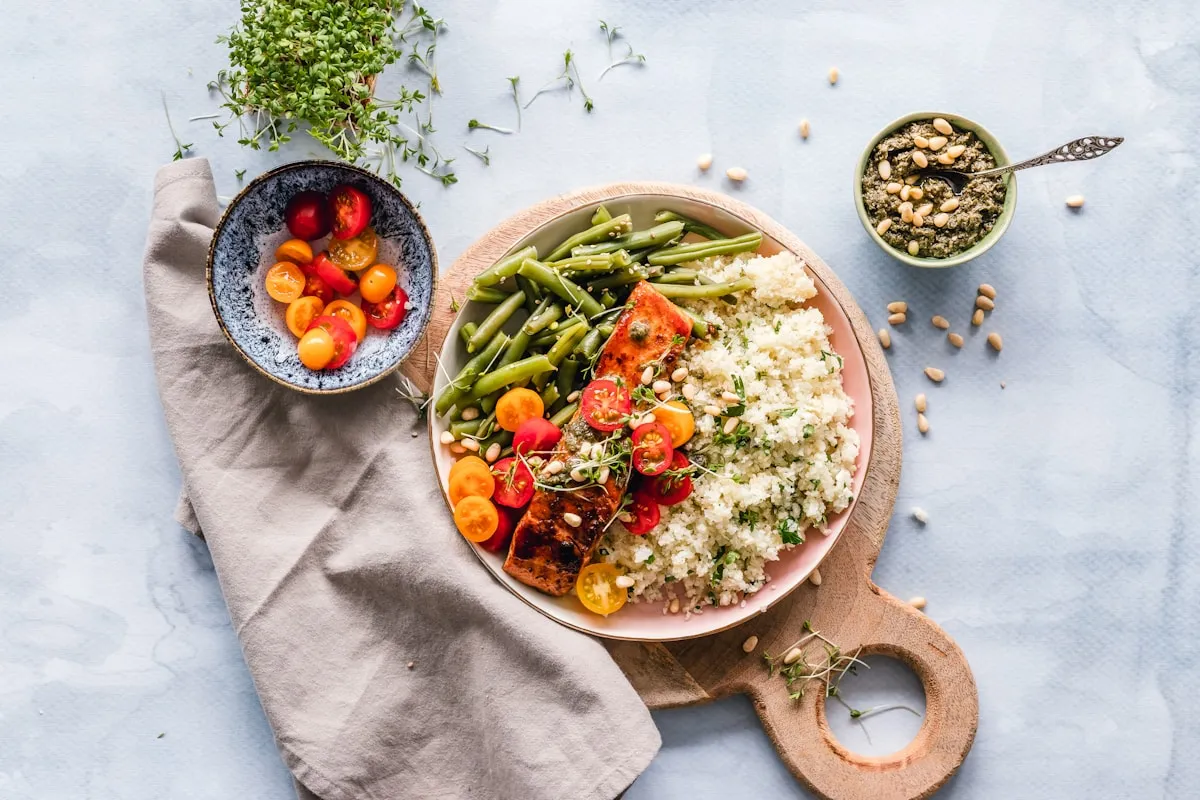
When you reach for a bag of frozen peas, you aren't just grabbing a convenient side dish; you are engaging with a marvel of modern thermodynamics. Frozen peas are flash-blanched and frozen within 90 minutes of harvest, effectively "locking" their cellular structure and nutritional profile in a suspended state. This recipe leverages the physics of phase changes to transform those frozen legumes into a vibrant, nutrient-dense soup. By understanding how latent heat affects the delicate chlorophyll within the peas, you can create quick healthy meals that look as brilliant as they taste.
Thermodynamic Efficiency and Chlorophyll Preservation
The primary challenge in pea-based one pot meals is maintaining that signature electric green color. This color is the result of chlorophyll, a pigment that is notoriously sensitive to both heat and acidity. When you boil peas for too long, the magnesium atom at the center of the chlorophyll molecule is replaced by hydrogen atoms, resulting in a dull, olive-drab appearance known as pheophytin. To prevent this, we must navigate the "thermal transition" of the frozen pea with precision.
Frozen peas possess a significant amount of latent heat of fusion. This is the energy required to change the state of the water inside the pea from solid ice to liquid water without actually raising the temperature. When you introduce frozen peas into a hot broth, they act as a thermal sink. They absorb energy rapidly, but their internal temperature remains at the freezing point until the phase change is complete. This is why we don't "thaw" peas before cooking. By adding them directly to a boiling base, we utilize that rapid energy transfer to deactivate enzymes like lipoxygenase: which cause off-flavors: while keeping the total "heat exposure time" to a minimum.
To achieve the best results, aim for a "high-velocity" cook. You want the broth to be at a rolling boil before the peas are introduced. This ensures that the thermal mass of the frozen peas doesn't drop the temperature of the pot into the "danger zone" (below 158°F) for too long. At 158°F, the pectin in the cell walls begins to collapse, which is necessary for a creamy soup, but if held too long at high heat, the ascorbic acid (Vitamin C) degrades rapidly. By keeping the cooking phase under three minutes post-boil, you preserve both the structural integrity of the flavor and the vibrant biological pigments.
Furthermore, consider the pH of your cooking environment. Chlorophyll is more stable in slightly alkaline conditions. While we often want to add lemon juice for flavor, doing so during the boiling phase will accelerate the conversion to pheophytin. Always reserve your acidic components for the very end, once the heat source has been removed and the soup is ready to be emulsified.
Molecular Variations for Enhanced Mouthfeel
Once you master the base physics, you can experiment with the molecular composition of the soup to alter its "mouthfeel" or viscosity. This soup is one of the most reliable budget friendly recipes because the core components are inexpensive, but the addition of specific fats can elevate it to a restaurant-quality emulsion.
- Lipid Emulsification: Adding a tablespoon of heavy cream or full-fat Greek yogurt at the end provides a lipid matrix that carries fat-soluble flavor compounds from the mint more effectively across your palate.
- Starch Loading: If you prefer a thicker consistency, adding a small amount of starchy potato (pre-boiled in the broth before adding the peas) introduces amylopectin. These starch molecules swell and tangle, increasing the viscosity of the liquid without requiring a roux.
- The Cooling Effect of Menthol: Mint contains menthol, which triggers the TRPM8 receptors in your mouth, creating a sensation of cold even when the soup is hot. This creates a fascinating sensory contrast against the physical warmth of the broth.
Strategic Side Dish Pairings
A great soup requires a textural counterpoint. Because this pea soup is a smooth, homogenous emulsion, you need something with significant "crunch" and structural complexity.
- Sourdough Toasts with Sea Salt: The Maillard reaction present in the crust of well-toasted sourdough provides a bitter, toasted edge that cuts through the natural sweetness of the peas.
- Crispy Pancetta or Smoked Tofu: Introducing a solid protein adds a "chew" factor. The saltiness of these additions acts as a flavor enhancer, lowering the perception of any lingering bitterness from the greens.
- Aromatic Herb Salad: A small garnish of pea shoots and shaved radish provides a "raw" contrast to the cooked soup, reinforcing the fresh, vegetal notes through multiple textures.
Frequently Asked Questions
Why did my soup turn a muddy brown color?
This is almost always a result of over-cooking or excess acidity. If you boil the peas for longer than five minutes, the heat begins to break down the chlorophyll molecules. Additionally, if you added lemon juice or vinegar while the pot was still on the stove, the acid reacted with the heat to brown the soup. Remember: heat + acid = brown. Add your citrus only after the soup is off the burner.
Can I use "fresh" peas instead of frozen?
Counter-intuitively, frozen is often better for quick healthy meals. "Fresh" peas in the grocery store are often several days old, during which time their natural sugars begin to convert into starch, leading to a mealy texture. Frozen peas are frozen at the peak of their sugar-to-starch ratio. If you do use fresh peas from a garden, you may need to increase the cooking time by 1–2 minutes as they haven't been pre-blanched.
What is the best way to blend the soup for the smoothest texture?
A high-speed immersion blender is the most efficient tool for one pot meals. To get a truly professional finish, pass the blended soup through a fine-mesh sieve (chinois). This removes the insoluble fiber from the pea skins, leaving you with a silky, luxurious liquid.
How do I fix a soup that is too thin?
If your liquid-to-pea ratio was too high, don't keep boiling it (refer back to the color issue!). Instead, blend in a half-cup of instant mashed potato flakes or a splash of heavy cream. These act as thickening agents that work instantly without requiring further heat.
The Recipe: One-Pot Frozen Pea and Mint Soup
Ingredients
- 500g Frozen Petit Pois (do not thaw)
- 1 Large Shallot, finely minced
- 750ml High-quality Vegetable Broth
- 1 Large handful of Fresh Mint leaves
- 30ml Extra Virgin Olive Oil
- Salt and White Pepper to taste
- Optional: 1 tbsp Crème Fraiche for serving
Instructions
- Sauté the Aromatics: In a large pot, heat the olive oil over medium heat. Add the shallot and a pinch of salt. Sauté until translucent but not browned. We want to avoid the Maillard reaction here to keep the soup's flavor "clean."
- The Boiling Point: Pour in the vegetable broth and bring to a vigorous, rolling boil. This ensures a high energy state before the peas are introduced.
- Phase Change Introduction: Add the frozen peas directly into the boiling broth. The temperature will drop; wait for the broth to return to a simmer. Once it simmers, cook for exactly 3 minutes.
- Enzymatic Arrest: Remove the pot from the heat immediately. Stir in the fresh mint leaves. The residual heat is enough to soften the mint and release its volatile oils without destroying its bright flavor.
- Emulsification: Use an immersion blender to process the soup until completely smooth. If you are using a stand blender, work in small batches and be careful with the steam pressure.
- Final Seasoning: Taste and add salt and white pepper. If the soup needs more "brightness," add a squeeze of lemon juice now, just before serving.
For more techniques on balancing textures in your kitchen, check out our guide on achieving the perfect glossy sauce for your next pasta night. This soup is a testament to how budget friendly recipes can be elevated through the simple application of food science!