Recipe
Servings
6 servings 1×
Serves 6Prep 10 minCook 50 minTotal 1H
Nutrition per serving
Ingredients
- 25 lbs sweet Italian sausages casings removed
- 3 cups chopped fennel approx. 2 bulbs, save fronds for garnish
- 1 lb rigatoni
- 1 cup dry white wine Pinot Grigio or Sauvignon Blanc
- 1 cup heavy cream
- 66 cup half-and-half
- 2 tbsp tomato paste
- 1 cup grated Parmesan cheese freshly grated
- 1 cup chopped yellow onion about one large onion
- Vegetable oil, salt, and pepper to taste
Method
- Heat vegetable oil in a large Dutch oven.
- Brown the sausage meat, breaking it apart, then remove to a plate with a slotted spoon.
- Sauté the fennel and onions in the same pot for 10-12 minutes until soft and golden brown.
- Stir in the tomato paste for 1 minute, then pour in the white wine to deglaze, scraping up the brown bits.
- Simmer until wine is reduced by half.
- Add heavy cream, half-and-half, salt, pepper, and the cooked sausage.
- Simmer for 20 minutes until the sauce thickens.
- While sauce simmers, cook rigatoni in salted water until just al dente.
- Add cooked pasta directly to the sauce pot with Parmesan and fennel fronds.
- Simmer on low for 5 minutes.
- Plate the rigatoni into big bowls, garnish with extra cheese, and enjoy your ‘fancy’ dinner!
This rigatoni looks like simple comfort in a bowl, but under the surface it is basically edible chemistry. A good one-pot pasta is not just about convenience. It is about controlling starch release, fat dispersion, water activity, and heat flow so the sauce turns glossy instead of split, the fennel tastes sweet instead of sharp, and the sausage brings deep savoury notes instead of greasy heaviness. That is why this dish feels cozy and a little fancy at the same time.
Why One-Pot Pasta Has Such a Different Texture
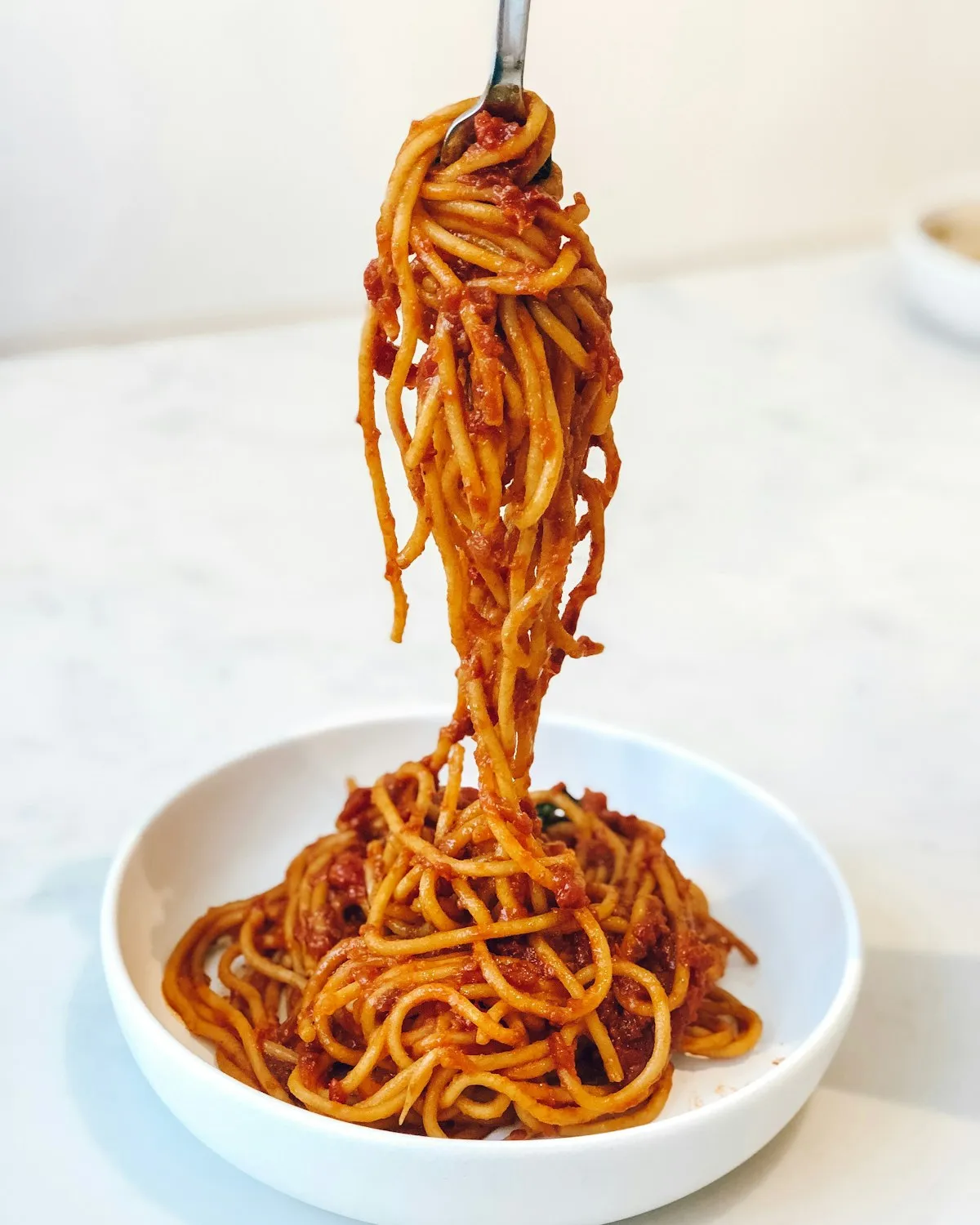
A one-pot pasta behaves differently from the classic method where the pasta is boiled separately and then added to sauce later. In a single vessel, the pasta is cooking directly in a flavour-rich liquid, and that changes everything. As rigatoni hydrates, starch granules on and near its surface swell, loosen, and leak amylose and amylopectin into the surrounding liquid. That released starch thickens the sauce and helps connect water and fat into one smoother, clingier phase.
That is the real heart of the dish: a starch-water emulsion. People often think of an emulsion as only oil and water forced to cooperate, like mayonnaise, but pasta sauces pull a similar trick. Here, the dispersed fat from sausage, cream, cheese, and any rendered drippings is suspended through a water-based environment that contains dissolved salts, tomato solids, milk proteins, and starch molecules. Starch is doing quiet hero work. It raises viscosity, slows separation, and helps the sauce coat the ridges and hollow centres of rigatoni instead of sliding off like a raincoat.
Rigatoni is especially good at this because its shape gives the sauce places to settle. The ridges increase surface roughness, which helps sauce adhesion, while the tube shape holds onto pockets of concentrated flavour. In short, this is not random pasta. It is architecture.
The Thermodynamics of the Pot Itself
The vessel matters more than most people think. A heavy-bottomed pot, especially a Dutch oven, changes the heat story from the very first minute. Thin pans create hot spots because they heat quickly and unevenly. That is bad news when you are trying to brown meat, soften aromatics, reduce wine, and maintain a stable simmer without scorching dairy or tomato solids.
A heavier base has greater thermal mass. In plain English, it holds heat more steadily and releases it more evenly. That helps with three big things. First, it encourages more consistent browning across the bottom surface. Second, it buffers temperature swings when cooler ingredients are added. Third, it reduces the risk of little burnt patches that can turn a rich sauce bitter.
Once liquid enters the pot, heat moves by conduction from the metal into the food, and then by convection within the sauce itself. As the lower layers heat, they rise; as cooler upper layers sink, they cycle. In a thicker sauce, convection is slower than in plain water, which is why even heating depends so much on a stable vessel. The whole system becomes a balancing act between energy input, evaporation, and viscosity. Too much heat and water vanishes faster than the pasta can hydrate properly. Too little and the starch never fully disperses into that silky, unified sauce texture.
This is also why one-pot pasta can go from luscious to gluey if the thermal balance is off. Excessive agitation plus too much concentrated starch plus aggressive heat can over-tighten the sauce. You want suspended richness, not wallpaper paste.
Fennel: The Fancy Bit That Is Secretly Chemistry
Fennel brings more than flavour. It changes the aromatic profile of the whole dish. Raw fennel has a crisp bite and a liquorice-like top note thanks to volatile aromatic compounds, especially anethole. That same compound is also found in anise and contributes that sweet, cool, almost perfumed quality. But fennel does not stay sharp forever. As it softens in heat, cell walls weaken, moisture escapes, and some of the harsher edges calm down. Meanwhile, natural sugars become more noticeable, so the flavour shifts from bright and punchy to mellow and gently sweet.
The really interesting part is fat-solubility. Many of fennel’s aromatic compounds dissolve more readily in fat than in water. That means rendered sausage fat and dairy are not just making the dish rich; they are acting like flavour taxis. They pick up and carry fennel’s aromatic molecules across the sauce, distributing them more evenly and making the final flavour seem rounder and more integrated. Without enough fat in the system, fennel can taste thinner and more one-note.
That is one reason this dish feels more layered than many quick family meals. It is not only that fennel tastes good. It is that the chemistry of the sauce gives fennel the perfect stage.
Sausage, Browning, and the Maillard Reaction
Now for the part that gives the dish its deep, savoury backbone. When sausage hits a hot pot, you get water loss, fat rendering, protein denaturation, and eventually browning. The browning is the famous Maillard reaction: a huge family of reactions between amino acids and reducing sugars that generates hundreds of flavour compounds. Nutty, roasted, meaty, slightly sweet, slightly bitter in a good way. That is the flavour base people describe as “restaurant-y” even when they do not know why.
Maillard chemistry likes relatively dry heat and surface contact. It does not really get going in the same way if the meat is crowded and steaming in its own moisture. In this kind of pasta, those browned bits left behind in the pot matter a lot. They are concentrated flavour deposits, full of compounds created during browning, and they become useful later when liquid loosens them back into the sauce.
Tomato paste also benefits from a brief encounter with heat. Heating it darkens its flavour, reduces raw metallic sharpness, and pushes it toward sweeter, deeper notes. Think of it as moving from “tinned tomato” to “serious sauce energy.”
Why Wine Changes More Than Just Taste
White wine in this dish is not just there for drama. It contributes acidity, aroma, and a little ethanol, and each one matters. Acidity brightens the sauce and helps offset the heaviness of sausage and cream. Aromatic compounds from the wine add lift and complexity. Ethanol is the sneaky useful part. Some flavour molecules dissolve better in alcohol than in water alone, so wine can help extract and carry aromatic compounds from fennel, browned meat residues, and herbs.
This does not mean the finished dish tastes boozy. During simmering, much of the alcohol evaporates, though not all of it disappears instantly. What matters is that for a stretch of time, ethanol acts like a solvent bridge, helping certain flavours move into the liquid phase more effectively. It is a short-term chemistry assistant.
Acid also influences perception. A sauce with enough acidity tastes less flat because brightness sharpens contrast. Rich foods need that contrast or they can feel heavy after a few bites. In many comfort food recipes easy enough for a weeknight, that balancing act is the difference between “yum” and “why am I suddenly tired?”
Cream, Cheese, and the Final Texture
Dairy brings a second emulsion system into play. Cream contains fat droplets surrounded by membranes, suspended in water with milk proteins and lactose. Cheese contributes proteins, fat, and salts. When they join a hot starch-rich sauce, they can create luxurious body, but only if the temperature stays friendly. Too much heat and proteins can tighten, fats can separate, and the sauce can look broken rather than silky.
This is where starch once again earns its keep. A starch-thickened liquid is better at holding dispersed fat droplets in place. It slows movement, increases cling, and creates that glossy look people often call velvety. The best version of this sauce is not heavy in a blunt way. It is fluid, shiny, and just thick enough to leave a coating on the pasta.
The pasta itself keeps participating even at the end. As it rests in the sauce, there is continued exchange between noodle and liquid. Water moves, starch continues to influence texture, and the sauce tightens slightly as it cools. That is why the dish can seem almost even better after a short settling period: the system finishes organising itself.
FAQ: The Science of One-Pot Rigatoni
Why does one-pot pasta often taste more cohesive than pasta cooked separately?
Because the sauce and pasta are built together. Starch released during cooking thickens the surrounding liquid and helps flavours cling to the pasta surface. Instead of sauce sitting on top, it becomes structurally tied to the dish.
What exactly is a starch-water emulsion here?
It is a sauce system where water, fat, dissolved solids, and starch all interact. The starch increases viscosity and helps keep fat droplets more evenly dispersed through the liquid, so the sauce looks smooth and coats well.
Why is a heavy-bottomed pot better for this dish?
It reduces hot spots and stores heat more evenly. That steadier heat helps browning, prevents scorching, and keeps the simmer more controlled, which matters when dairy, tomato, and starch are all sharing one pot.
Why does fennel taste sweeter after cooking?
Heat softens its structure and changes how we perceive its flavour. As harsh volatile notes settle down and moisture leaves, natural sweetness becomes more obvious. Fat also helps spread fennel’s aromatic compounds more effectively.
What is the job of the wine beyond flavour?
Wine brings acidity and ethanol. Acidity brightens the sauce. Ethanol can dissolve certain aroma compounds more effectively than water alone, helping pull extra flavour from fennel and browned bits in the pot.
Why does the sauce get glossy instead of watery?
That sheen usually means the starch, fat, and liquid are properly integrated. Starch thickens the watery phase while fat droplets stay better dispersed, creating a smooth, reflective surface rather than a thin or oily one.
What causes the sausage to taste so savoury?
The Maillard reaction. As proteins and sugars react under heat, they form lots of new flavour compounds that read as roasted, meaty, and complex. It is a big reason browned meat tastes deeper than simply cooked meat.
Can the sauce break?
Yes. If it gets too hot, especially after dairy and cheese are involved, proteins can tighten and fat can separate. A stable temperature and enough starch in the liquid make that less likely.
Why is rigatoni such a good fit for this kind of sauce?
Its ridges and tube shape help trap and hold sauce. It gives the emulsion more surface to cling to and more places to collect concentrated flavour.
Why does leftover one-pot pasta sometimes seem thicker the next day?
Because starch keeps absorbing and binding water as the dish cools and rests. The sauce becomes more concentrated, so the texture firms up. It is still delicious, just a little less loose and glossy than at first serving.
Conclusion: A Bowl of Controlled Chaos
This dish works because a lot of small scientific wins happen at once. Browning builds savoury depth. Fennel’s aromatic compounds move into fat and spread through the sauce. Wine helps extract flavour and sharpen contrast. Starch leaking from the pasta turns separate elements into one glossy whole. And a heavy-bottomed pot keeps the entire system from going off the rails.
So yes, it is comforting. Yes, it feels fancy. But the real magic is that this bowl of rigatoni is a well-behaved chemistry experiment you can eat with a fork.