Recipe
Servings
Servings 1×
Cook 45 min
Ingredients
- Chicken
- Rice
- Cauliflower
- Mushrooms
- Peas
- Cucumber
- Lime
- Honey
- Chili seasoning
- Black pepper
Method
- Use a heavy-bottomed pot like a Dutch oven to distribute heat evenly and eliminate hot spots.
- Sear the chicken skin-side down until it’s golden and releases easily from the pan.
- Rinse your rice until the water runs clear.
- Use the lowest possible setting once you cover the pot.
- Brush this concentrated glaze over the chicken right before serving.
If you’re anything like me, the sight of a sink full of dishes after a long Wednesday is enough to make you consider ordering pizza for the third time this week. We’ve all been there. That’s why I’m obsessed with mastering quick family meals that only require a single pot. This one-pot teriyaki chicken and rice isn't just a "dump and forget" dinner; it’s a masterclass in balancing sticky, sweet glaze with perfectly fluffy grains, all without the scorched-bottom drama that usually haunts one-pot cooking.
The Science of the Simmer: Perfecting One-Pot Rice
Mastering rice inside the same pot as your protein is a game of physics and timing. When you cook everything together, you are essentially creating a closed ecosystem of steam. To avoid ending up with a mushy mess or, worse, a layer of carbonized rice welded to your pan, you have to respect the starch.
Handle Your Heat and Sugars
The biggest challenge with any teriyaki dish is the sugar content in the sauce. Sugar burns at approximately 350°F (177°C), while water boils at 212°F (100°C). As long as there is liquid in the pot, the temperature of the rice at the bottom stays safely around the boiling point. The moment that liquid is gone, the temperature spikes, and that delicious glaze turns into a bitter, burnt crust. Use a heavy-bottomed pot like a Dutch oven to distribute heat evenly and eliminate hot spots.
The Maillard Magic
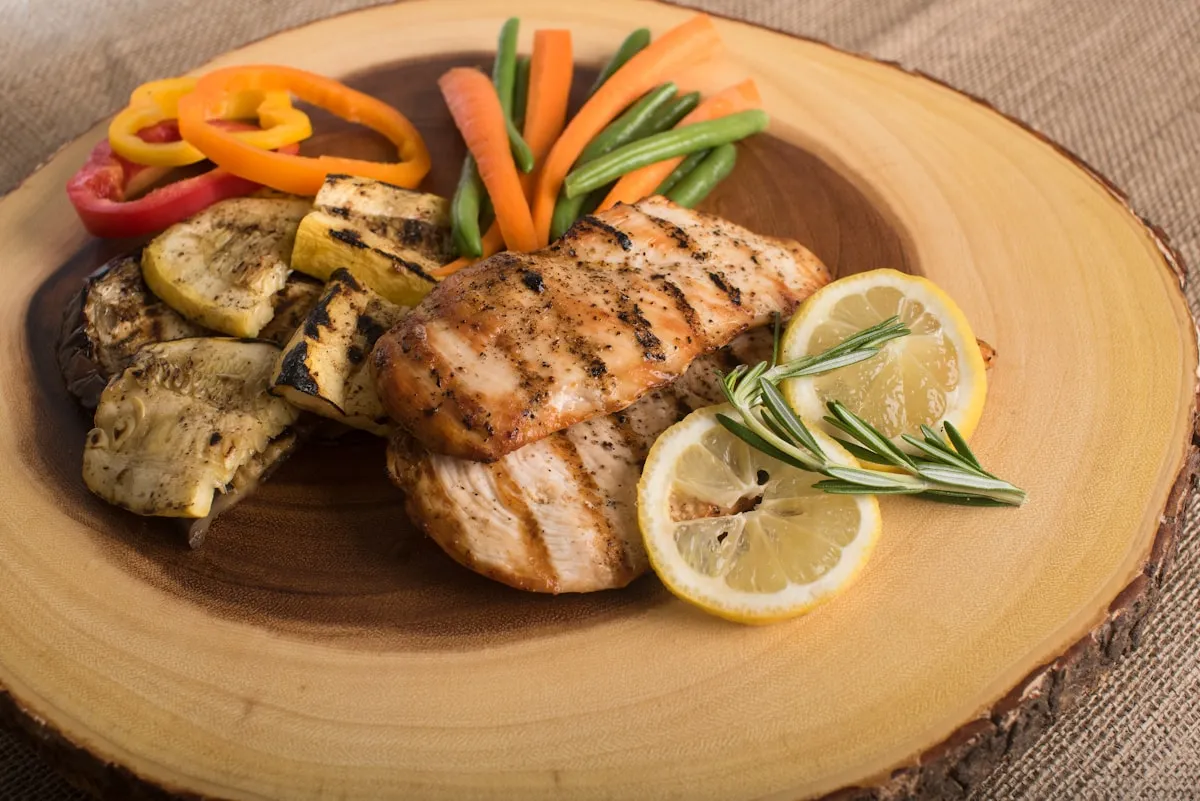
Before the rice even enters the chat, you must sear your chicken. This is where the Maillard reaction happens: that chemical dance between amino acids and reducing sugars that creates the savory, browned flavor we crave. Sear the chicken skin-side down until it’s golden and releases easily from the pan. Don't worry about cooking it through yet; the steam will finish the job later. If you're looking for even faster ways to prep protein, some of our favorite air fryer recipes dinner enthusiasts often sear the chicken separately to keep the skin extra crispy before nestling it onto the rice.
Hydration and Ratios
Rinse your rice until the water runs clear. Removing that excess surface starch is non-negotiable if you want distinct, fluffy grains rather than a gluey porridge. When you add your liquid: a mix of chicken stock and teriyaki sauce: maintain a strict ratio. Too much liquid and the chicken overcooks while the rice swims; too little, and you’ll be scraping the pan for an hour.
Leave It Alone
Once the lid is on, consider it a vault. Opening the lid lets out the very steam required to cook the top layer of rice and the chicken. Trust the process. After the timer goes off, let the pot sit undisturbed for at least ten minutes. This "carry-over" steaming phase allows the moisture to redistribute, ensuring every grain of rice is tender.
Flavor Riffs and Dietary Switches
The beauty of a one-pot base is how easily you can pivot. If you’re leaning into healthy dinner ideas that skip the poultry, you can easily swap the chicken for hearty vegetables or alternative proteins.
- The Plant-Based Pivot: Substitute chicken with thick-cut cauliflower steaks or king oyster mushrooms. These "meaty" vegetables hold up well to the long simmer and absorb the teriyaki glaze beautifully. Just be sure to sear them first to get that concentrated flavor.
- The Spicy Kick: If you like heat, whisk some gochujang or sriracha into your teriyaki base. The fermented depth of gochujang adds a savory complexity that cuts right through the sweetness of the honey or brown sugar.
- Low-Carb Adjustments: While this specific technique is built for rice, those following a keto lifestyle can adapt the flavor profile. I recommend checking out our guide on achieving the perfect glossy sauce for tips on how to thicken glazes without relying on cornstarch or heavy sugars.
Balancing the Plate: Side Dish Pairings
Because teriyaki is inherently rich, salty, and sweet, your side dishes need to provide a "reset" for the palate. You’re looking for acidity, crunch, and freshness.
A simple smashed cucumber salad with rice vinegar and a pinch of chili flakes is my go-to. The cold, crisp cucumbers act as a refreshing contrast to the warm, savory rice. If you want something warm but still light, a quick batch of steamed bok choy or snap peas finished with a squeeze of lime juice works wonders.
If you're already using your counter space for other quick family meals, you might even consider a quick vegetable medley. For instance, our air fryer sausage and pepper medley technique can be adapted for just veggies to provide a charred, smoky side that complements the sweet teriyaki glaze perfectly.
One-Pot Troubleshooting: The FAQ
Why is the bottom of my rice burnt but the top is crunchy?
This is almost always a heat management issue. If your burner is too high, the liquid at the bottom evaporates before the steam can penetrate the top layers of rice. Use the lowest possible setting once you cover the pot. If you have an electric stove that holds heat, move the pot to a different, cool burner for the resting phase.
Can I use brown rice for this one-pot method?
You can, but it requires a significantly longer cook time (usually 45 minutes) and more liquid. Because the chicken will likely turn to rubber in that timeframe, I suggest adding the chicken halfway through the rice's cooking time. For healthy dinner ideas that need to be fast, stick to jasmine or basmati.
My sauce didn't get thick and glossy. What happened?
In a one-pot setup, the sauce is diluted by the cooking liquid for the rice. If you want that Instagram-worthy shine, reserve a few tablespoons of the teriyaki sauce before cooking. Brush this concentrated glaze over the chicken right before serving. The residual heat will thicken it into a beautiful, sticky coating.
Is it safe to cook raw chicken directly on the rice?
Absolutely. As long as the internal temperature of the chicken reaches 165°F (74°C), it is perfectly safe. The steam trapped inside the pot is more than hot enough to cook the chicken through while the rice absorbs the flavorful juices dripping down. It's the ultimate flavor-infusion technique!
Can I use frozen chicken?
Avoid using frozen chicken for one-pot meals. Frozen meat releases a lot of excess water as it thaws, which will throw off your rice-to-liquid ratio and leave you with soggy rice. Thaw your poultry completely and pat it dry before searing for the best results.
What if I don't have a Dutch oven?
Any heavy-bottomed skillet with a tight-fitting lid will work. If your lid isn't perfectly snug, place a layer of aluminum foil over the pan before putting the lid on to create a better seal. This ensures no steam escapes during the crucial "wait and see" phase.
{“@type”:”BlogPosting”,”image”:”https://cdn.marblism.com/Cvvn6mmGl2L.webp”,”author”:{“name”:”Penny”,”@type”:”Person”},”@context”:”https://schema.org”,”headline”:”One-Pot Teriyaki Chicken and Rice”,”keywords”:”air fryer recipes dinner, quick family meals, healthy dinner ideas”,”publisher”:{“logo”:{“url”:”https://cookpedia.com/logo.png”,”@type”:”ImageObject”},”name”:”Cookpedia”,”@type”:”Organization”},”description”:”Master the art of one-pot teriyaki chicken and rice with our guide on heat management, rice hydration, and achieving the perfect glossy glaze without the mess.”,”datePublished”:”2026-05-28″,”mainEntityOfPage”:{“@id”:”https://cookpedia.com/one-pot-teriyaki-chicken-and-rice”,”@type”:”WebPage”}}