Recipe
Servings
Servings 1×
Ingredients
- Chicken
- Chickpeas
- Broccoli
- Carrots
- Spinach
- Onion
- Garlic
- Lemon
- Balsamic vinegar
- Feta
- Cooking oil
- Salt
- Black pepper
Method
- Prepare the ingredients described in the article and heat the cooking surface or oven as directed.
- Cook the main ingredients using the heat and timing guidance in the article.
- Finish with the seasonings and garnishes named in the article, then serve.
If you’ve ever stared at a sink full of dishes after a "simple" dinner and wondered where your life went wrong, you’re in the right place. We’ve all been there: seduced by the promise of a gourmet meal only to realize we’ve used every pot in the kitchen. This One-Pot Mediterranean Chicken and Peppers is the antidote to that chaos. It’s vibrant, punchy, and delivers a level of flavor that tastes like you’ve been slaving away for hours, even though the heavy lifting is done by a single pan. This is exactly the kind of dish I turn to when I need quick family meals that don't sacrifice soul for speed.
The Art and Science of the Sear
The secret to a world-class one-pot meal isn't in a secret spice or a magic pan; it’s in the chemistry. Most people treat searing as a "coloring" step, but it’s actually the foundation of the entire dish's flavor profile. We call this the Maillard reaction. This is the chemical reaction between amino acids and reducing sugars that gives browned food its distinctive, savory flavor. Without it, your chicken is just boiled meat in a colorful sauce.
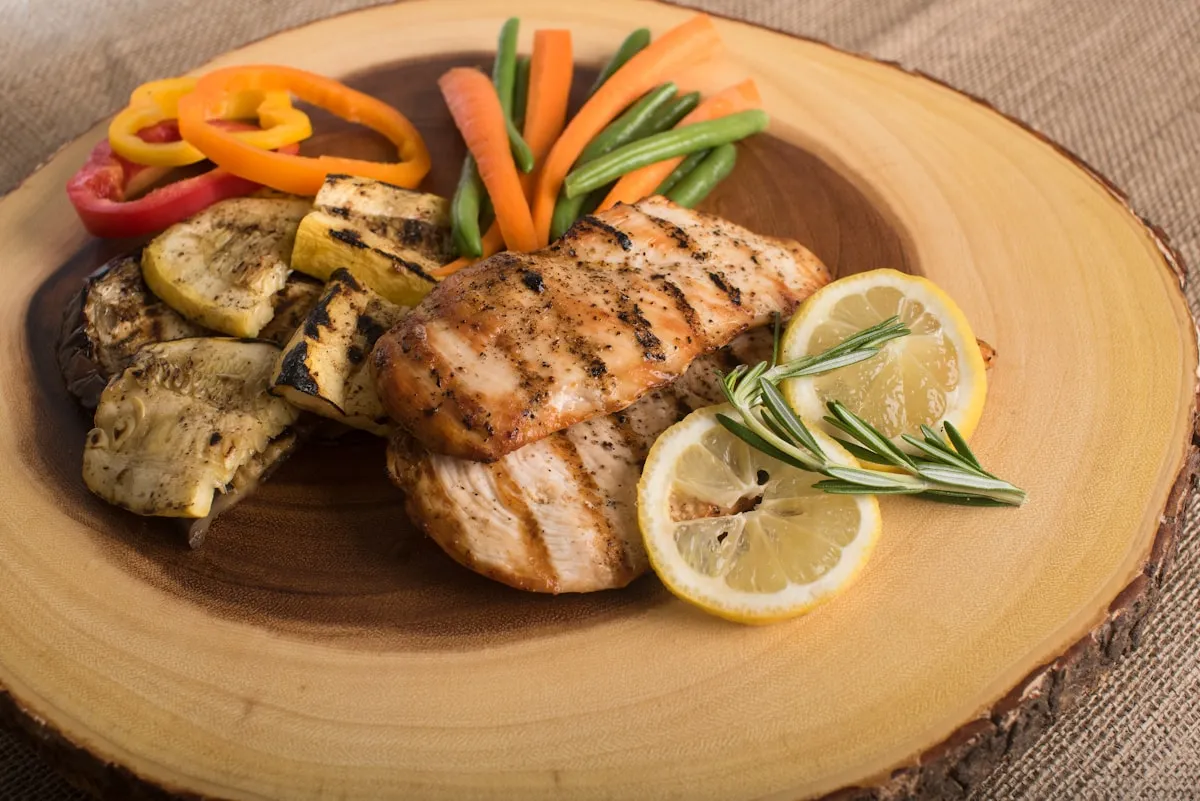
To achieve that perfect crust, your chicken must be bone-dry. Moisture is the enemy of the sear. When you put wet chicken into a hot pan, the energy goes into evaporating that water (turning it into steam) rather than browning the protein. Pat your chicken down with paper towels until it’s practically parchment-like. Once it hits the oil, leave it alone. Don't be a "pan-poker." If the meat is sticking, it’s not ready to flip. The chicken will naturally release itself once the crust has formed.
Next comes the pan crowding issue. If you try to jam six chicken thighs into a 10-inch skillet, the temperature of the pan will plummet, and the moisture released from the meat will have nowhere to go but up. Instead of searing, you’ll end up steaming your chicken in its own juices. Work in batches if you have to. It takes five extra minutes, but the depth of flavor it creates is non-negotiable.
Once the chicken is out, you’re left with "fond": those brown, sticky bits at the bottom of the pan. This is concentrated gold. Instead of washing it away, we use those peppers and onions to pick up that flavor. As the vegetables sweat, they release moisture that helps loosen the fond. If you've mastered this technique, you can apply it to other dishes like our spicy tomato basil one-pot linguine to get that same restaurant-quality depth.
Flavor Variations and Global Twists
While the Mediterranean profile of oregano, lemon, and feta is a classic for a reason, the beauty of this technique is its versatility. You can easily pivot this into a completely different cuisine without changing the "one-pot" workflow. This adaptability makes it one of my favorite healthy dinner ideas because you can adjust the profile to whatever is lingering in your pantry.
For a North African vibe, swap the oregano for cumin, coriander, and a dollop of harissa. Instead of bell peppers, use carrots and chickpeas. The sweetness of the roasted carrots against the heat of the harissa creates a beautiful tension. If you’re leaning more toward an Italian profile, trade the feta for fresh mozzarella and finish with a handful of basil leaves and a drizzle of balsamic glaze.
If you're in the mood for something with a bit more of a smoky kick, you could even take the same pepper-and-onion base and look at how we handle our air fryer sausage pepper and onion medley. The key is always to balance your fats with acidity. Whether it’s white wine, lemon juice, or a splash of red wine vinegar, that hit of acid is what cuts through the richness of the chicken fat and makes the vegetables pop.
The Science of Side Dish Pairings
When you have a dish as robust and fatty as chicken thighs with olives and feta, your side dishes need to provide a "reset" for your palate. This is why we focus on acidity and crunch. You don't want another "heavy" side that will compete for attention; you want something that acts as a supporting actor.
A simple arugula or spinach salad tossed in a lemon-shallot vinaigrette is the perfect companion. The bitterness of the greens cuts right through the savory chicken skin. If you need a starch to soak up that incredible pan sauce (and believe me, you do), go with a crusty baguette or a light, fluffy couscous. The couscous acts like a sponge for the deglazed wine and chicken juices, ensuring not a single drop of that fond-based sauce goes to waste.
For those busy nights when you need even more speed, you might be looking for air fryer recipes dinner enthusiasts rave about. While this is a stovetop-to-oven masterpiece, you can achieve a similar side dish harmony by air-frying some lemon-garlic broccoli or even doing a quick batch of pierogies if you're feeling adventurous. The goal is always balance: salt, fat, acid, and heat working in tandem.
Frequently Asked Questions
Why did my bell peppers turn into mush?
This usually happens for two reasons: they were cut too small or added too early. Bell peppers have a high water content. If you slice them into thin strips and cook them for the entire duration of the chicken’s braise, they will lose their structural integrity. Aim for wide chunks (about 1-inch) and only sauté them long enough to get a little color before adding your liquid. They should still have a slight "bite" when the dish is finished.
Can I use chicken breasts instead of thighs?
You can, but you must be careful. Chicken breasts lack the fat and connective tissue that make thighs so forgiving in a one-pot environment. If you use breasts, I recommend searing them hard and then removing them, only adding them back for the final 5–7 minutes of cooking. If they sit in the simmering liquid as long as thighs do, they will become stringy and dry. Science dictates that lean meat toughens under prolonged heat, whereas dark meat softens.
My sauce is too thin and watery: what happened?
You likely didn't reduce your deglazing liquid enough, or your vegetables released more water than expected. To fix this, remove the chicken at the end and turn the heat to high. Boil the liquid for 3–4 minutes until it thickens into a glossy glaze. This concentrates the flavors and creates a sauce that actually clings to the meat rather than sitting at the bottom of the pan like soup.
Do I really need to use wine for deglazing?
While wine adds a complex acidity and helps dissolve flavor compounds that water can't, you can substitute it with a high-quality chicken broth mixed with a tablespoon of lemon juice or white wine vinegar. The acid is the non-negotiable part; it’s what brightens the dish and balances the saltiness of the olives and feta.
Can I make this ahead of time?
Absolutely. In fact, like most braised dishes, it often tastes better the next day as the flavors have more time to meld. Just be sure to reheat it gently on the stovetop. If you use a microwave, you’ll lose that crispy skin you worked so hard to achieve during the searing process.
{“@type”:”BlogPosting”,”image”:”https://cdn.marblism.com/ryrqj15SGdp.webp”,”author”:{“name”:”Penny”,”@type”:”Person”},”@context”:”https://schema.org”,”headline”:”One-Pot Mediterranean Chicken and Peppers”,”keywords”:”air fryer recipes dinner, quick family meals, healthy dinner ideas, one pot chicken, mediterranean recipes”,”publisher”:{“logo”:{“url”:”https://cookpedia.com/logo.png”,”@type”:”ImageObject”},”name”:”Cookpedia”,”@type”:”Organization”},”description”:”Master the science of the one-pot meal with this Mediterranean chicken and peppers guide. Learn the secrets of the Maillard reaction and deglazing for maximum flavor.”,”datePublished”:”2026-05-28″,”mainEntityOfPage”:{“@id”:”https://cookpedia.com/one-pot-mediterranean-chicken-and-peppers”,”@type”:”WebPage”}}