Recipe
Servings
Servings 1×
Ingredients
- Chicken
- Beans
- Potatoes
- Sweet potatoes
- Asparagus
- Green beans
- Onion
- Garlic
- Lemon
- Tahini
- Feta
- Butter
- Cooking oil
- Chili seasoning
Method
- Let’s be honest: the dream is a dinner that looks like you spent hours over a hot stove but actually required the culinary equivalent of "set it and forget it." That is exactly what I’m bringing to your kitchen today.
- Use paper towels to pat your chicken skin until it is bone-dry.
- Give every piece of protein and every potato wedge its own personal space.
- Keep it simple; the oven has already done the heavy lifting, so your side dish should require minimal effort.
- Toss the leftovers back into a hot oven or use one of your favorite air fryer recipes dinner settings for 5 minutes.
Let’s be honest: the dream is a dinner that looks like you spent hours over a hot stove but actually required the culinary equivalent of "set it and forget it." That is exactly what I’m bringing to your kitchen today. This one-pot lemon herb roasted chicken and potatoes is the ultimate low-effort, high-reward meal. It’s one of those quick family meals that relies on physics and chemistry rather than fancy footwork, giving you juicy meat and crispy spuds every single time.
Moisture: The Enemy of the Maillard Reaction
If you’ve ever pulled a tray of pale, rubbery chicken out of the oven, you’ve fallen victim to the steam trap. To get that deep, mahogany-colored skin, you need to invite the Maillard reaction to the party. This chemical reaction between amino acids and reducing sugars is what creates that "roasted" flavor we crave. However, Maillard’s biggest hater is moisture.
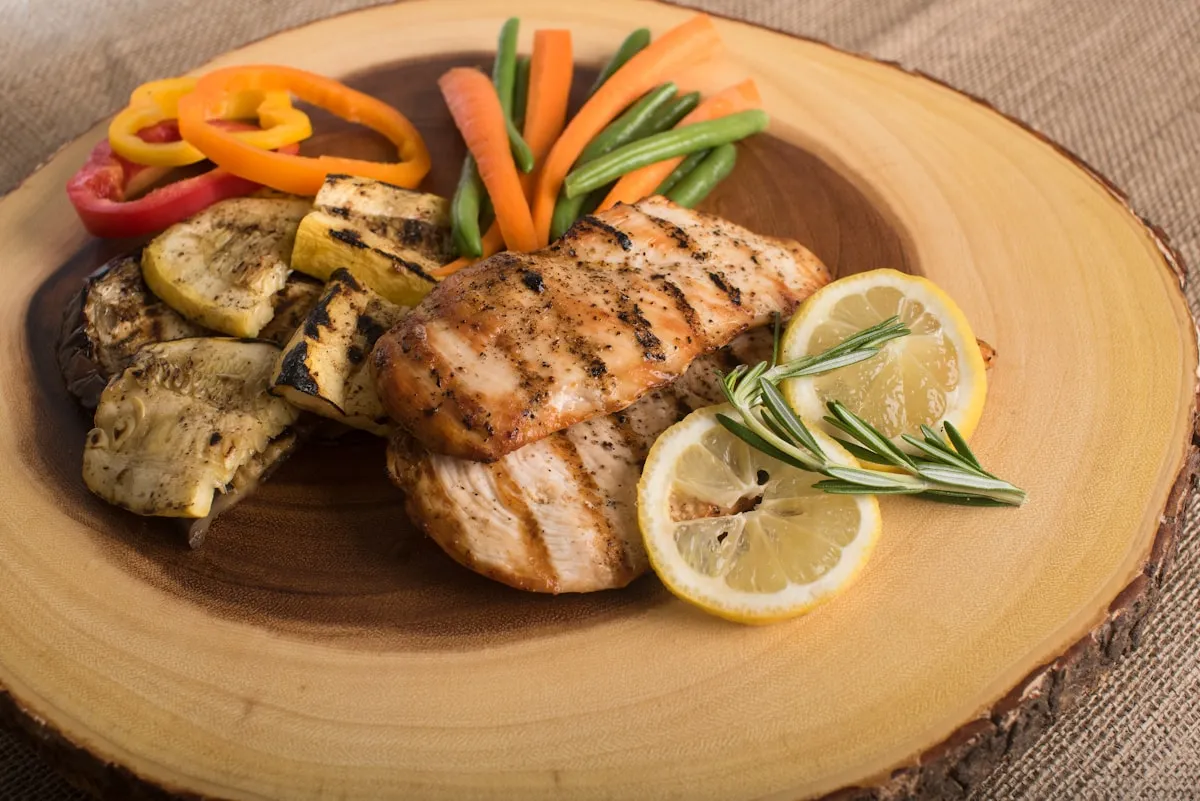
Use paper towels to pat your chicken skin until it is bone-dry. I’m not talking about a casual dab; I mean a full-on spa treatment. If there is water on the surface, the oven’s energy will be wasted evaporating that liquid instead of browning the skin. While you’re at it, do the same for your potatoes. Dry surfaces lead to crispy results. If you’re looking for even faster ways to achieve this kind of crunch, you might want to check out some of our air fryer recipes dinner favorites, but for a full bird or large batch of thighs, the oven is your best friend.
The Thermal Dance: Why 425°F is Your Magic Number
Temperature isn't just a suggestion; it's the engine of your dinner. We roast at 425°F (220°C) because it’s the sweet spot where the exterior browns before the interior dries out. At lower temperatures, the chicken effectively "stews" in its own juices, leading to that dreaded mushy texture.
Avoid the temptation to crowd the pan. If your chicken pieces are touching, they will trap steam between them. Give every piece of protein and every potato wedge its own personal space. This allows the hot air to circulate freely: a concept similar to how we manage heat in quick family meals like air-fried pierogis. When air can hit all sides of the food, the moisture evaporates instantly, and the fat begins to fry the surface of the skin and the starch of the potato.
The Spud Sponge: Fat Rendering and Flavor Absorption
The real magic of the one-pot method isn’t just the convenience; it’s the flavor transfer. As the chicken roasts, the subcutaneous fat renders out. This liquid gold drips down and coats the potatoes nestled underneath.
Potatoes are essentially sponges for flavor. By roasting them in the same pan, they absorb the chicken fat, the lemon juice, and the essential oils from the herbs. This is why a "healthy dinner idea" doesn't have to mean "tasteless." You are using the natural fats from the protein to season the vegetables. Check your potatoes halfway through; if they look dry, toss them in those pan juices. The starch on the outside of the potato undergoes a similar browning process to the chicken, creating a glass-like crust that shatters when you bite into it.
Flavor Twists for Every Palate
While lemon and rosemary are the classic duo, don’t feel like you have to stay in that lane. The science of roasting remains the same regardless of the aromatics you choose. If you want a Mediterranean vibe, swap the rosemary for oregano and add some kalamata olives and feta right at the end. The saltiness of the cheese provides a sharp contrast to the rich, roasted fat.
For those looking for healthy dinner ideas that lean into seasonal flavors, try replacing standard Russets with sweet potatoes and red onions. The natural sugars in the sweet potatoes will caramelize even faster, providing a lovely sweetness that balances the savory chicken. If you prefer a bit of heat, a dusting of smoked paprika or a drizzle of chili oil before serving can elevate the entire profile without adding unnecessary calories. You can even apply these same seasoning profiles to faster dishes, like the ones in our garlic butter ramen hack, if you're in a real time crunch.
Cutting the Richness: The Perfect Pairings
Roasted chicken and potatoes are undeniably hearty. To make this a balanced meal, you need acidity and freshness to cut through the fat. Think of it like a see-saw: on one side, you have the heavy, savory, roasted elements; on the other, you need something bright and zesty.
A simple arugula salad with a lemon-tahini dressing works wonders. The peppery bite of the greens and the citrus in the dressing act as a palate cleanser between bites of crispy chicken. Alternatively, blanched green beans or asparagus tossed in a bit of vinegar provide a "snap" that contrasts beautifully with the creamy interior of the roasted potatoes. Keep it simple; the oven has already done the heavy lifting, so your side dish should require minimal effort.
Your One-Pot Troubleshooting Guide
Why is my chicken skin rubbery instead of crispy?
The most likely culprit is steam. Either you didn't dry the chicken skin well enough, or you crowded the pan. If the pieces are too close together, the moisture escaping from the meat gets trapped, effectively steaming the skin. Next time, use a larger sheet pan or split the meal across two trays. Also, ensure your oven is fully preheated to 425°F before the tray goes in.
My potatoes are cooked but they aren't brown. What happened?
This usually happens if the potatoes were too wet or if there wasn't enough fat in the pan. Ensure you toss your potatoes in oil (or the rendered chicken fat) so they are well-coated. Fat is the heat-transfer medium that facilitates browning. If they’re still pale, try moving the tray to a higher rack for the last 10 minutes of cooking.
Can I use chicken breasts instead of thighs?
You can, but it’s risky. Chicken breasts are much leaner and lack the fat content of thighs, which means they dry out very quickly at high temperatures. If you must use breasts, keep the skin on to protect the meat and check the internal temperature frequently. Thighs are far more forgiving and contribute significantly more flavor to the potatoes through rendered fat.
Is this recipe suitable for meal prep?
Absolutely. Roasted chicken and potatoes hold up remarkably well. However, to regain that "crispy" texture when reheating, avoid the microwave if possible. Toss the leftovers back into a hot oven or use one of your favorite air fryer recipes dinner settings for 5 minutes. This will re-crisp the skin and the edges of the potatoes without making the meat tough.
What kind of potato is best for roasting?
Stick with waxy or all-purpose potatoes like Yukon Golds. They hold their shape well and develop a beautiful golden exterior while remaining creamy inside. Starchy potatoes like Russets are great for mashing, but they can sometimes fall apart or become too dry during a long roast.
My lemon slices burned. Is that normal?
Roasted lemons will naturally char and caramelize, which is where that deep, sweet-tart flavor comes from. However, if they are turning into black husks, you may have sliced them too thin. Aim for about 1/4 inch thickness. You can also tuck them slightly under the chicken pieces to protect them from the direct heat of the oven’s elements.