Recipe
Servings
Servings 1×
Ingredients
- Cod
- Potatoes
- Sweet potatoes
- Carrots
- Lemon
- Cooking oil
- Black pepper
Method
- Use a heavy-duty sheet pan or a cast-iron skillet for this.
- Use a pepper mill to get a coarse, fresh grind.
- Roast your root vegetables in the air fryer basket at 380°F for 12–15 minutes, then lay the cod on top for another 6–8 minutes.
There is something profoundly soulful about a meal that comes together in a single vessel. When life gets loud and the kitchen feels like a battlefield, a one-pot wonder isn't just a recipe; it’s a strategy for peace. My One-Pot Lemon Pepper Cod with Root Vegetables is exactly that, a vibrant, high-impact dish that honors real food without demanding hours of your evening. We are talking about flaky, buttery white fish nestled against sweet, oven-caramelized carrots and parsnips, all tied together with the sharp, clean brightness of citrus. It’s elegant enough for a Saturday night but simple enough for those quick family meals we all need to survive the week.
The Science of the "Staggered Start"
When you are working with one-pot meals, the biggest mistake you can make is treating every ingredient as if they share the same biological clock. They don't. A carrot is a stubborn, fibrous root that requires significant thermal energy to break down its cellular walls. A piece of cod, however, is a delicate protein structure that will transform from "perfection" to "pencil eraser" in a matter of minutes if overexposed to heat.
To master this dish, you must use the "Staggered Start" technique. This involves roasting your root vegetables, potatoes, carrots, and parsnips, at a high temperature (around 400°F to 425°F) for about 20 minutes before the fish even touches the pan. This initial blast of heat triggers the Maillard reaction, a chemical reaction between amino acids and reducing sugars that gives browned food its distinctive, savory flavor. Without this head start, you’d be left with either raw, crunchy carrots or fish that has been cooked into oblivion.
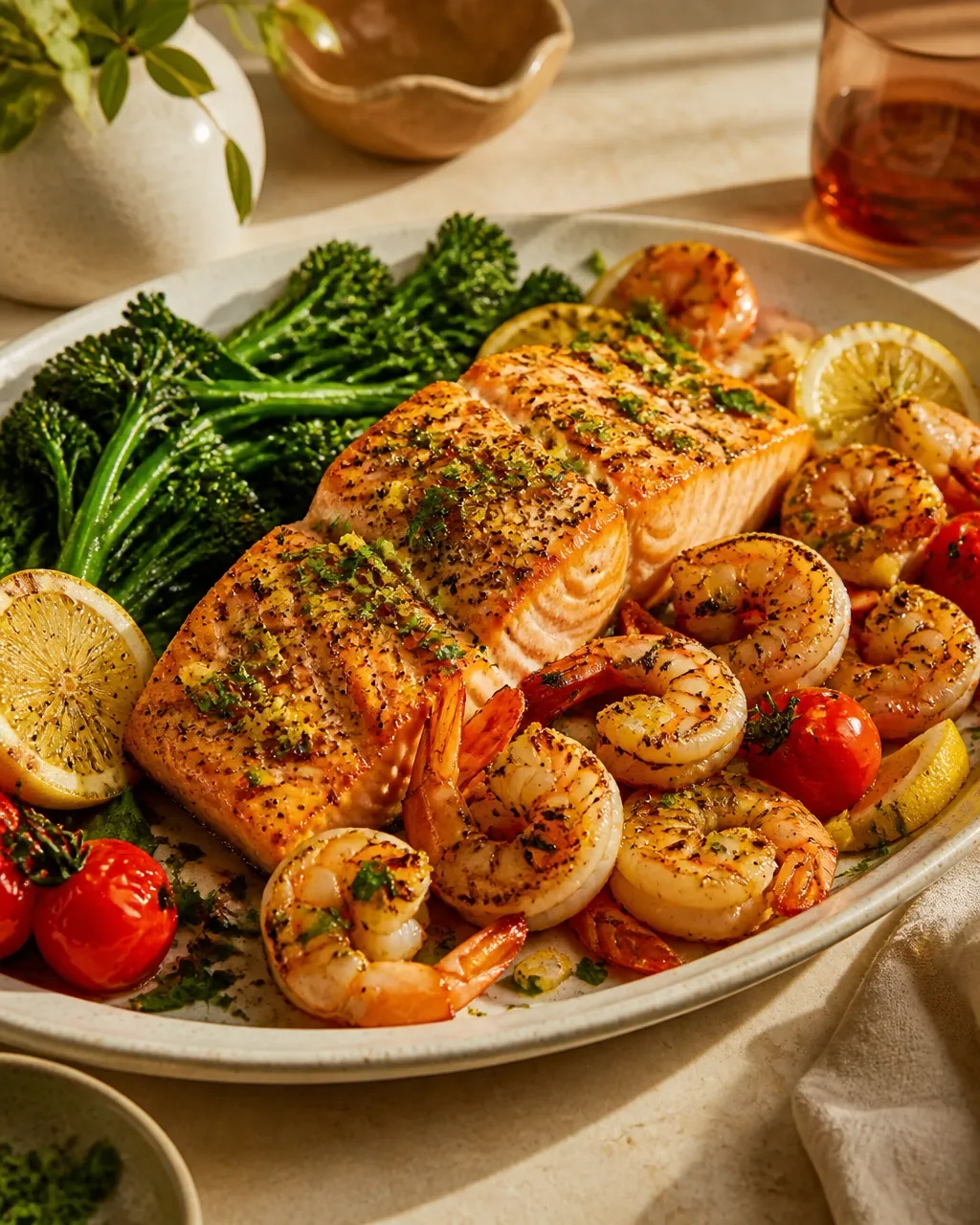
Use a heavy-duty sheet pan or a cast-iron skillet for this. These materials have high heat capacity, meaning they hold onto energy and transfer it efficiently to the vegetables, ensuring those edges get beautifully crisp and sweet. Avoid overcrowding the pan; if the vegetables are too close together, they will steam rather than roast, leaving you with a mushy texture instead of that coveted golden exterior.
Once the roots have softened and begun to caramelize, create "nests" by pushing the vegetables aside and laying your cod fillets directly onto the hot surface. This immediate contact sears the bottom of the fish while the ambient oven heat gently steams the top. The internal temperature of the cod should reach about 135°F to 140°F, it should be opaque and flake under the slightest pressure of a fork.
Flavor Profiling: The Lemon-Pepper Dynamic
The magic of this dish lies in the tension between the earthy sweetness of the roasted roots and the acidic punch of the lemon-pepper seasoning. Lemon serves two roles here: aromatic and structural. The zest contains essential oils (like limonene) that provide that bright, floral scent we love, while the juice provides the acidity necessary to "cut" through the richness of the olive oil and the natural fats in the fish.
Always use fresh lemons. Bottled juice lacks the volatile compounds found in fresh zest and often has a metallic aftertaste that can ruin a delicate white fish. Apply the zest to the cod before it goes into the oven to let those oils penetrate the flesh, but save the juice for a final squeeze right before serving. Adding acid too early can actually "cook" the fish (think ceviche) and toughen the texture.
As for the pepper, skip the pre-ground dust in the tin. Use a pepper mill to get a coarse, fresh grind. The piperine in black pepper provides a gentle, warming heat that echoes the earthiness of the parsnips. This combination makes this one of those healthy dinner ideas that doesn't feel like a sacrifice.
One-Pot Variations and Adaptations
While this recipe is built for the oven, the principles of the staggered start apply to other methods as well. If you are looking for air fryer recipes dinner enthusiasts swear by, you can easily adapt this. Roast your root vegetables in the air fryer basket at 380°F for 12–15 minutes, then lay the cod on top for another 6–8 minutes. The concentrated convection heat of an air fryer is excellent for achieving a "fried" texture on the vegetables with very little oil.
You can also swap the root vegetables based on what is in your pantry. Beets add a stunning visual and a deep, sugary earthiness, though they will stain everything pink. Sweet potatoes are another fantastic option, as they caramelize even faster than regular potatoes due to their higher sugar content. If you want to lean into a more Mediterranean vibe, toss in some fennel bulbs; as they roast, their licorice-like flavor mellows into a buttery sweetness that pairs impeccably with cod.
Side Dish Pairings for Perfect Balance
Because this is a one-pot meal, you don't need a side dish, but a thoughtful pairing can elevate the experience. Think about balance: our main dish is earthy and bright. To round it out, you want something with a bit of "crunch" or a bitter note to cleanse the palate.
A simple arugula salad is my go-to. The peppery bite of raw arugula and the saltiness of shaved parmesan provide a sharp contrast to the soft, roasted parsnips. Alternatively, a quick sauté of garlicky swiss chard or kale adds a hit of iron-rich bitterness that makes the whole meal feel even more substantial.
If you’re feeling indulgent, serve the whole thing with a side of crusty sourdough bread. You’ll want something to soak up the "pan juice", that liquid gold comprised of lemon juice, olive oil, and the natural juices released by the cod as it roasts.
Frequently Asked Questions
What if I only have frozen cod?
You can absolutely use frozen fillets, but you must thaw them completely and pat them bone-dry with paper towels first. Excess moisture is the enemy of a good roast. If the fish is wet, it will release water into the pan, steaming your crispy vegetables and making them soggy. Check your fish for any "ice glazing" and rinse it off before drying.
Why are my carrots still hard when the fish is done?
This usually means the "Staggered Start" wasn't long enough or your vegetable chunks were too large. Cut your roots into uniform 1-inch pieces. If you find they are still struggling, cover the pan with foil for the first 10 minutes of roasting to trap steam and soften the interiors, then uncover for the final 10 to get that golden crust.
Can I use a different type of fish?
Yes, but keep the thickness in mind. Cod is typically thick and sturdy. If you switch to a thinner fillet like tilapia or sole, reduce the fish's cooking time by half. If you go for something heartier like salmon, you can add it a few minutes earlier as it handles heat a bit better than lean white fish.
Is it safe to roast lemon slices?
Not only is it safe, it’s encouraged! Roasting lemon slices mellows their sharp acidity and turns the peel soft and edible. They become a concentrated burst of citrus flavor that you can mash right into your vegetables as you eat. Just be sure to remove any seeds first so you don't get a bitter surprise.
How do I prevent the fish from sticking to the pan?
The secret is a hot pan and enough oil. When you push the vegetables aside to make a spot for the cod, make sure there is a thin film of oil on that surface. If you’re using a stainless steel sheet pan, you can also use a small piece of parchment paper under the fish specifically to ensure a clean release.
{“@type”:”FAQPage”,”@context”:”https://schema.org”,”mainEntity”:[{“name”:”What if I only have frozen cod?”,”@type”:”Question”,”acceptedAnswer”:{“text”:”Thaw the cod completely and pat it extremely dry with paper towels. Excess moisture will cause the dish to steam rather than roast, leading to soggy vegetables.”,”@type”:”Answer”}},{“name”:”Why are my carrots still hard when the fish is done?”,”@type”:”Question”,”acceptedAnswer”:{“text”:”This occurs if the root vegetables didn’t get enough of a head start or were cut too large. Ensure you roast the vegetables for at least 20 minutes before adding the fish and cut them into uniform 1-inch pieces.”,”@type”:”Answer”}},{“name”:”Can I use a different type of fish?”,”@type”:”Question”,”acceptedAnswer”:{“text”:”Yes, but adjust cooking times based on thickness. Thinner fillets like tilapia cook faster, while heartier fish like salmon may take slightly longer than cod.”,”@type”:”Answer”}},{“name”:”Is it safe to roast lemon slices?”,”@type”:”Question”,”acceptedAnswer”:{“text”:”Yes! Roasting lemons mellows their acidity and concentrates their sugars, making them a delicious addition to the final plate. Just remember to remove the seeds.”,”@type”:”Answer”}},{“name”:”How do I prevent the fish from sticking to the pan?”,”@type”:”Question”,”acceptedAnswer”:{“text”:”Ensure the pan is hot and well-oiled before placing the fish down. You can also use a small square of parchment paper under each fillet for a guaranteed clean release.”,”@type”:”Answer”}}]}