Recipe
Servings
Servings 1×
Ingredients
- Salmon
- Quinoa
- Rice
- Broccoli
- Asparagus
- Spinach
- Garlic
- Lemon
- Honey
- Mustard
- Tahini
- Butter
- Black pepper
Method
- Prepare the ingredients described in the article and heat the cooking surface or oven as directed.
- Cook the main ingredients using the heat and timing guidance in the article.
- Finish with the seasonings and garnishes named in the article, then serve.
Let’s be honest: by the time Wednesday rolls around, the last thing you want to do is spend an hour hovering over a hot stove. You want something fast, you want it to taste like a restaurant meal, and you’d prefer it didn’t come out of a cardboard box. That is exactly why this baked salmon has become my absolute go-to for quick family meals. It is the ultimate "low effort, high reward" dish. By mastering a few simple scientific principles about heat and fat, you can turn a humble fillet into a melt-in-your-mouth masterpiece that fits perfectly into your rotation of healthy dinner ideas.
The Science of Succulent Salmon: Mastering the Bake
To get that buttery, flaky texture every single time, you have to understand what’s happening inside the fish. Salmon is a fatty, protein-rich fish, but it is incredibly delicate. Most home cooks make the mistake of overcooking it, turning a beautiful piece of seafood into something resembling a pink pencil eraser.
Understanding Heat and Denaturation
When you apply heat to salmon, the proteins begin to "denature" or uncoil. As they tighten up, they squeeze out moisture. If you go too far, you’ll see those white globs (called albumin) pushing out to the surface. While albumin is harmless, it’s a visual signal that the muscle fibers are contracting too hard and losing their juice. To prevent this, aim for a "controlled" high-heat environment. Baking at 375°F or 400°F allows the outside to develop a slight crust while the center remains tender.
Why Butter is Non-Negotiable
You might be tempted to swap the butter for a lighter spray, but don't. Butter isn't just for flavor; it’s a functional barrier. As the butter melts, it bastes the fish, creating a protective layer of fat that slows down evaporation. Furthermore, butter is a "flavor carrier." The aromatic compounds in garlic are fat-soluble, meaning they dissolve into the butter and then permeate the surface of the salmon much more effectively than they would in a water-based sauce.
The Importance of the Dry Surface
Before you even think about the oven, take a paper towel and pat that fish bone-dry. Moisture is the enemy of texture. If the surface of the salmon is wet, it will steam rather than bake, resulting in a mushy finish. A dry surface allows the garlic butter to adhere properly, creating that gorgeous, glistening glaze we’re after.
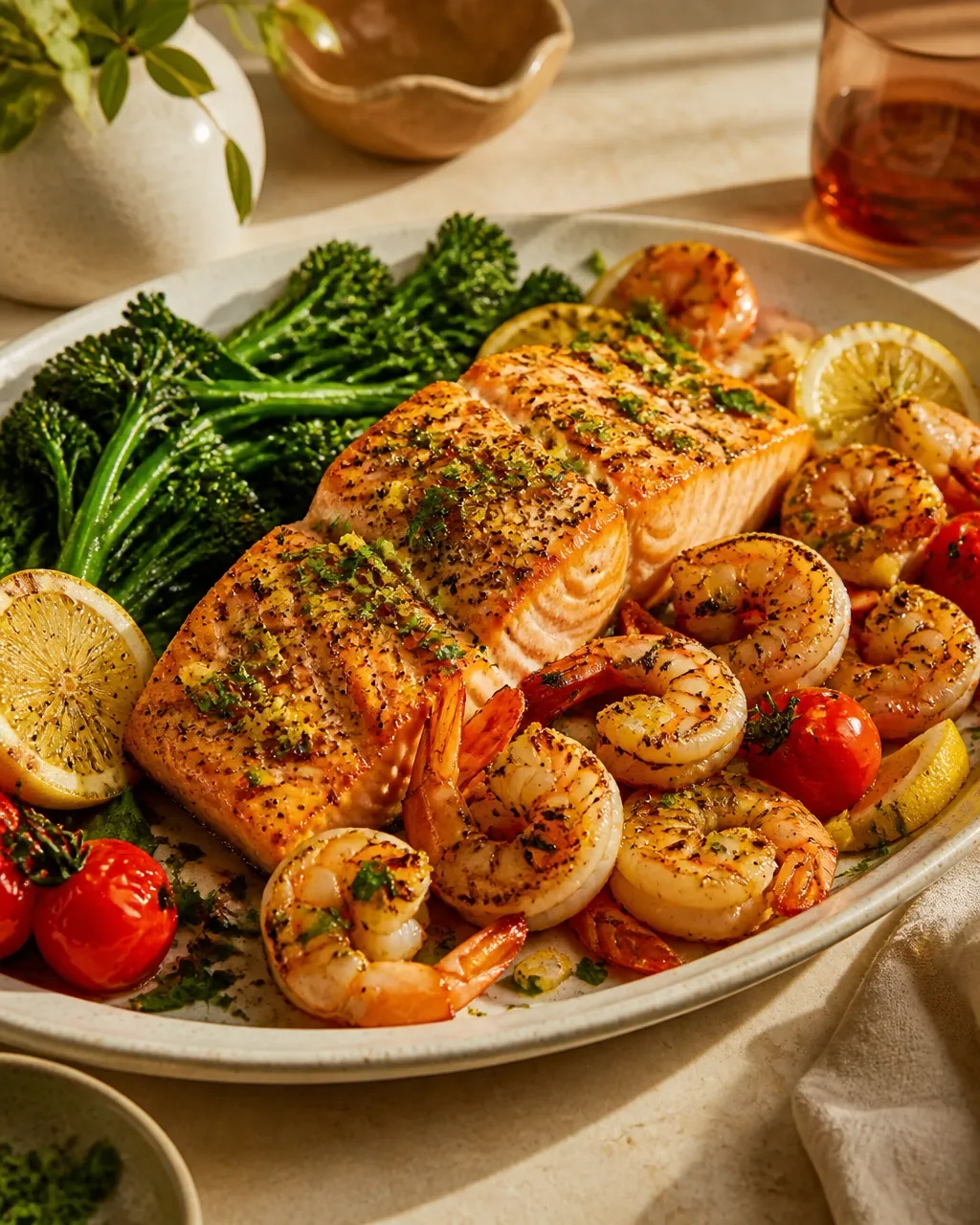
Temperature is King
Stop guessing. If you want to elevate your cooking, use an instant-read thermometer. For a medium-rare to medium finish, which is how I always recommend serving it for maximum soulfulness, pull the salmon out of the oven when it hits 125°F to 130°F. Carryover cooking will bring it up another 5 degrees while it rests on your counter. If you wait until it hits 145°F in the oven, you’ve already lost the battle against dryness.
Check out our other healthy options for more ways to keep your weeknights both nutritious and delicious.
Flipping the Script: Flavor Variations
Once you’ve mastered the basic garlic butter technique, the world is your oyster (or, well, your salmon). You can easily pivot this dish to match whatever is in your pantry.
- The Sweet and Spicy Kick: Add a teaspoon of honey and a pinch of red pepper flakes to your garlic butter. The honey caramelizes under the heat, creating a slightly sticky glaze that balances the heat of the peppers. This is a great way to add variety to your quick family meals without adding extra prep time.
- The Mediterranean Twist: Mix in some dried oregano, lemon zest, and a few spoonfuls of capers. The acidity of the capers cuts through the richness of the salmon perfectly.
- The Dijon Depth: Whisk a tablespoon of Dijon mustard into the melted butter. Mustard acts as an emulsifier, making the sauce thicker and helping it cling to the fish like a warm blanket.
- The Air Fryer Shortcut: If you're looking for air fryer recipes dinner style, you can absolutely use this same garlic butter prep in your air fryer. Set it to 380°F and cook for about 8-10 minutes. The circulating air creates an even better "crust" while keeping the inside incredibly moist.
Perfect Pairings: Balancing the Plate
A rich, buttery salmon needs a side dish that can stand up to its intensity without competing for attention. I always look for something with either high acidity or a light, earthy crunch.
1. Acidic Greens: A simple arugula salad with a lemon-tahini dressing or quickly sautéed spinach with a splash of vinegar works wonders. The sharpness of the greens cleanses your palate between bites of the fatty fish.
2. Complex Carbohydrates: Fluffy quinoa or a wild rice pilaf are excellent at soaking up any extra garlic butter that escapes onto the plate. If you have five extra minutes, try our 15-minute meal ideas for quick grain bases.
3. Roasted Vegetables: Asparagus or broccolini are classic for a reason. You can toss them on the same sheet pan as the salmon (just give them a 5-minute head start) for a truly effortless healthy dinner idea.
Frequently Asked Questions: Troubleshooting Your Salmon
Why did my salmon come out dry even though I followed the timing?
Oven temperatures vary wildly. A "400°F" setting on your dial might actually be 425°F or 375°F in reality. Additionally, the thickness of the fillet matters more than the weight. A thick center-cut piece will take much longer than a thin tail piece. This is why using a thermometer is a non-negotiable coaching tip from me: it takes the guesswork out of the equation.
Should I leave the skin on or take it off?
Keep the skin on during the bake! Even if you don't plan on eating it, the skin acts as a thermal buffer between the hot pan and the delicate flesh. It helps the salmon cook more evenly and keeps the bottom from drying out. Once it's on your plate, the skin will slide right off if you don't want it.
Can I use frozen salmon?
Absolutely, but you must thaw it completely in the refrigerator first. Frozen-to-oven salmon often results in a weirdly cooked exterior and a cold, raw center. To maintain that high-impact flavor profile we love at Cookpedia, always start with thawed fish.
Is it possible to over-garlic the butter?
Scientifically? No. Socially? Maybe. But in all seriousness, if you use too much raw garlic, it might not cook through in the 12-15 minutes the salmon is in the oven, leaving you with a harsh, pungent bite. If you love a lot of garlic, try grating it with a microplane so it melts into the butter more easily.
Can I use this for my air fryer recipes dinner planning?
Yes! As mentioned in the variations, the air fryer is actually a secret weapon for salmon. It’s faster and often yields a more "fried" exterior texture without the extra oil. Just be sure not to overcrowd the basket so the air can circulate.
Cooking at home shouldn't be a chore. By focusing on these simple techniques: dry surfaces, controlled heat, and quality fats: you can turn a standard weeknight into something that feels special. Now, get that salmon out of the fridge and start prepping; your future, well-fed self will thank you.
{“@type”:”BlogPosting”,”image”:”https://cdn.marblism.com/-Zk3vjEJQ5u.webp”,”author”:{“name”:”Penny”,”@type”:”Person”},”@context”:”https://schema.org”,”headline”:”Healthy Weeknight Baked Salmon with Garlic Butter”,”publisher”:{“logo”:{“url”:”https://cookpedia.com/logo.png”,”@type”:”ImageObject”},”name”:”Cookpedia”,”@type”:”Organization”},”description”:”Master the art of healthy weeknight baked salmon with a rich garlic butter sauce. Learn the science behind the perfect flake and quick family meal tips.”,”datePublished”:”2026-07-10″,”mainEntityOfPage”:{“@id”:”https://cookpedia.com/healthy-weeknight-baked-salmon-garlic-butter”,”@type”:”WebPage”}}