Recipe
Servings
Servings 1×
Ingredients
- Shrimp
- Black beans
- Beans
- Quinoa
- Rice
- Potatoes
- Asparagus
- Greens
- Cucumber
- Avocado
- Onion
- Lime
- Honey
- Cream
- Butter
- Cooking oil
- Chili seasoning
- Salt
Method
- Start with moisture control.
- Use paper towels to pat your fillets until they are bone-dry on both sides.
- Use an oil with a high smoke point, like avocado or grapeseed oil.
- Heat the pan until the oil is shimmering and just starting to wisps of smoke.
- Use a thin fish spatula to gently peek after about three minutes.
- Use a jalapeño for a mild, grassy heat, or upgrade to a habanero if you want a true tropical burn that cuts through the sweetness of the fruit.
Getting a restaurant-quality sear on a piece of fish at home shouldn't feel like a high-stakes gamble. If you are tired of soggy, grey fillets or fish that clings to the pan like its life depends on it, you are in the right place. This pan-seared tilapia with mango salsa is one of my favorite healthy dinner ideas because it balances high-impact tropical flavors with a cooking process that takes less than ten minutes. It’s fresh, it’s vibrant, and it’s the perfect way to bring some soul back into your weeknight routine.
Master the Sear: The Science of the Perfect Crust
To get that golden-brown, crispy exterior on a delicate fish like tilapia, you need to understand the Maillard reaction. This is the chemical reaction between amino acids and reducing sugars that gives browned food its distinctive flavor. Because tilapia is a lean, thin fish, the window for achieving this reaction without overcooking the interior is incredibly narrow. You have to be intentional with your technique.
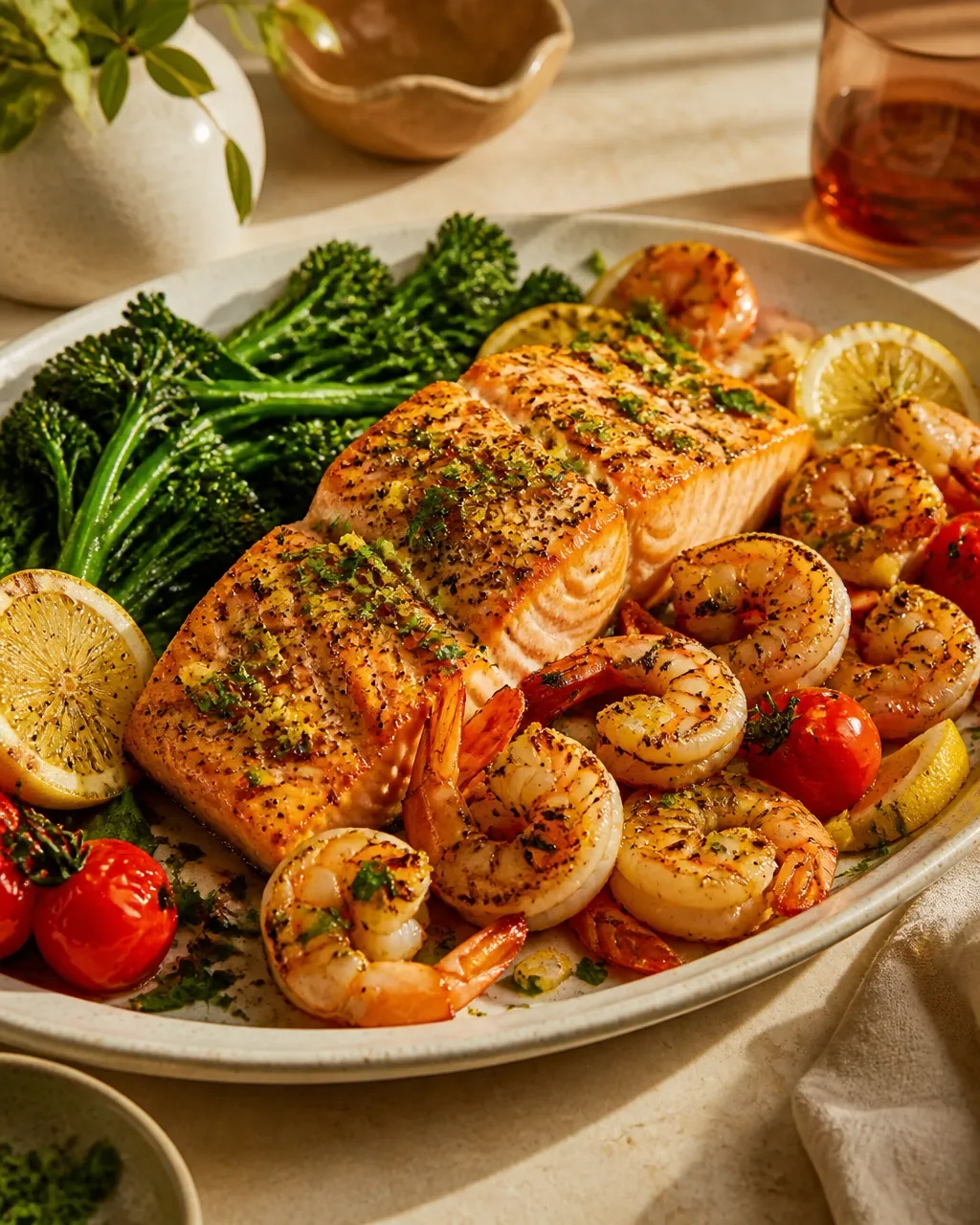
Start with moisture control. This is the most critical step. Use paper towels to pat your fillets until they are bone-dry on both sides. If there is any surface moisture when the fish hits the pan, that water will immediately turn to steam. Steaming is the enemy of the sear; it lowers the temperature of the pan and leaves you with a pale, rubbery texture. Dry the fish, then season it immediately before it goes into the heat.
Choose the right pan and the right fat. A cast-iron skillet or a heavy-bottomed stainless steel pan is your best friend here because they hold heat consistently. Use an oil with a high smoke point, like avocado or grapeseed oil. Avoid butter for the initial sear, as the milk solids will burn before the fish develops a crust. Heat the pan until the oil is shimmering and just starting to wisps of smoke. This high initial heat is what creates that "release" effect, the fish will naturally pull away from the pan once the crust has formed.
Avoid the temptation to move the fish. Once you lay the fillet in the pan, leave it alone. Every time you lift it to check the bottom, you lose contact with the heat and disrupt the crust formation. Use a thin fish spatula to gently peek after about three minutes. If it resists, give it another thirty seconds. Flip only once. Tilapia is fragile, and the more you handle it, the more likely it is to flake apart prematurely. If you're looking for more inspiration for your rotation, check out our healthy recipes for similar high-protein options.
Flavor Dynamics and Creative Variations
The beauty of this dish lies in the contrast between the savory, warm fish and the cold, acidic salsa. While mango is the classic choice, you can easily adapt the salsa based on what is sitting in your fruit bowl. If you find mangoes aren't quite in season, swap them for pineapple or even diced peaches. The goal is to maintain a balance of sweetness, acidity, and heat.
If you prefer a different protein, this technique works beautifully with snapper, grouper, or even shrimp. For those who want to skip the stovetop entirely, you can apply similar seasoning profiles to air fryer recipes dinner options, though you won't get the same intense Maillard crust as you do in a ripping-hot skillet.
Adjust the heat levels to suit your family’s palate. Use a jalapeño for a mild, grassy heat, or upgrade to a habanero if you want a true tropical burn that cuts through the sweetness of the fruit. If you are cooking for kids, skip the chili entirely and add some diced cucumber to the salsa for extra crunch. These small tweaks make this one of those quick family meals you can keep on repeat without anyone getting bored. For more inspiration on getting food on the table fast, dive into our 15-minute meals collection.
Perfect Pairings: Balancing Texture and Acidity
Because the tilapia and salsa combo is so bright and acidic, your side dishes should provide a grounding element. You want something that can soak up the extra lime juice and mango nectar without competing for attention.
A simple cilantro lime rice is the gold standard here. The starchiness of the rice provides a neutral base, while the lime ties the whole plate together. If you want to keep things even lighter, a quick slaw of shredded cabbage with a touch of honey and vinegar provides a fantastic crunch that mirrors the freshness of the salsa.
Avoid heavy, cream-based sides or overly buttery potatoes. These tend to mask the delicate flavor of the fish and make the meal feel disjointed. Think about "clean" flavors, black beans seasoned with cumin, grilled asparagus, or even a simple quinoa salad. The goal is a plate that feels vibrant and leaves you energized, fitting perfectly into your list of healthy dinner ideas.
Troubleshooting & FAQ: The Science of Success
What if my fish keeps sticking to the pan?
Sticking usually happens for two reasons: the pan wasn't hot enough, or the fish was too wet. If the fish is stuck, do not force it. Lower the heat slightly and wait another minute. Often, the fish will "self-release" once the proteins have fully browned and hardened into a crust. Next time, ensure your oil is shimmering-hot before the fish makes contact.
Can I use frozen tilapia?
Yes, but you must thaw it completely and dry it even more thoroughly than fresh fish. Frozen fish tends to release more moisture as it cooks, which can ruin your sear. Thaw it in the fridge overnight, then let it sit on a bed of paper towels for 15 minutes before seasoning.
How do I know the fish is actually done?
Use the flake test. Gently press a fork into the thickest part of the fillet; if it separates easily along the natural lines of the muscle, it’s done. Scientifically, tilapia is safe at 145°F (63°C), but because it is so thin, carryover cooking will finish the job. Pull it off the heat when it’s just slightly translucent in the very center.
Why is my mango salsa watery?
This happens when the salt sits on the fruit and onions for too long, drawing out their internal moisture through osmosis. To keep your salsa chunky and fresh, mix the ingredients just before serving. If you have to make it ahead of time, drain the excess liquid before topping the fish.
Is tilapia actually healthy?
Tilapia is a fantastic low-calorie, high-protein option. It’s a lean source of essential fatty acids and minerals. When paired with a nutrient-dense fruit salsa instead of a heavy sauce, it becomes a powerhouse for anyone looking for quick family meals that don't compromise on nutrition. If you're looking for other ways to use your kitchen gadgets for fast cleanup, you might explore how this seasoning profile fits into various air fryer recipes dinner setups.
{“@type”:”BlogPosting”,”image”:”https://cdn.marblism.com/Ygy9B4Dw5hJ.webp”,”author”:{“name”:”Penny”,”@type”:”Person”},”@context”:”https://schema.org”,”headline”:”Healthy Weeknight Pan-Seared Tilapia with Mango Salsa”,”publisher”:{“logo”:{“url”:”https://cdn.marblism.com/KxroJ1kM_KA.webp”,”@type”:”ImageObject”},”name”:”Cookpedia”,”@type”:”Organization”},”description”:”Learn the science behind the perfect pan-seared tilapia paired with a vibrant mango salsa. A quick, healthy, and flavorful weeknight dinner guide.”,”datePublished”:”2026-07-12″}