Recipe
Servings
Servings 1×
Ingredients
- Shrimp
- Noodles
- Rice
- Tortillas
- Cauliflower
- Peas
- Cucumber
- Garlic
- Fresh ginger
- Cooking oil
- Soy sauce or tamari
- Sesame
- Chili seasoning
- Salt
Method
- Pat your shrimp until they are bone-dry.
- Use a heavy-bottomed skillet or a carbon steel wok if you have one.
- Cook the shrimp in a single layer.
- Toss your dried shrimp and veggies in a tiny bit of oil and the dry seasonings first.
You know those evenings when the clock is ticking, the family is hovering, and you honestly can’t bear the thought of another frozen pizza? I’ve been there more times than I care to admit. That is exactly why I’ve mastered the art of the 15-minute pivot. This teriyaki shrimp stir-fry is my secret weapon for quick family meals that actually taste like you spent an hour over a hot stove. It’s vibrant, it’s glossy, and most importantly, it gets everyone to the table without the stress.
The Science of the Perfect Sear and Sauciness
Getting shrimp right is a game of seconds, not minutes. If you’ve ever bitten into a shrimp that felt like a rubber eraser, you know the heartbreak of overcooking. Shrimp are almost entirely lean protein, which means the moment they get too hot for too long, those protein fibers tighten up and squeeze out every drop of moisture. To avoid the dreaded "O" shape: which is shrimp-speak for "I'm overdone": you need to pull them off the heat when they reach a perfect, translucent-to-opaque "C" shape.
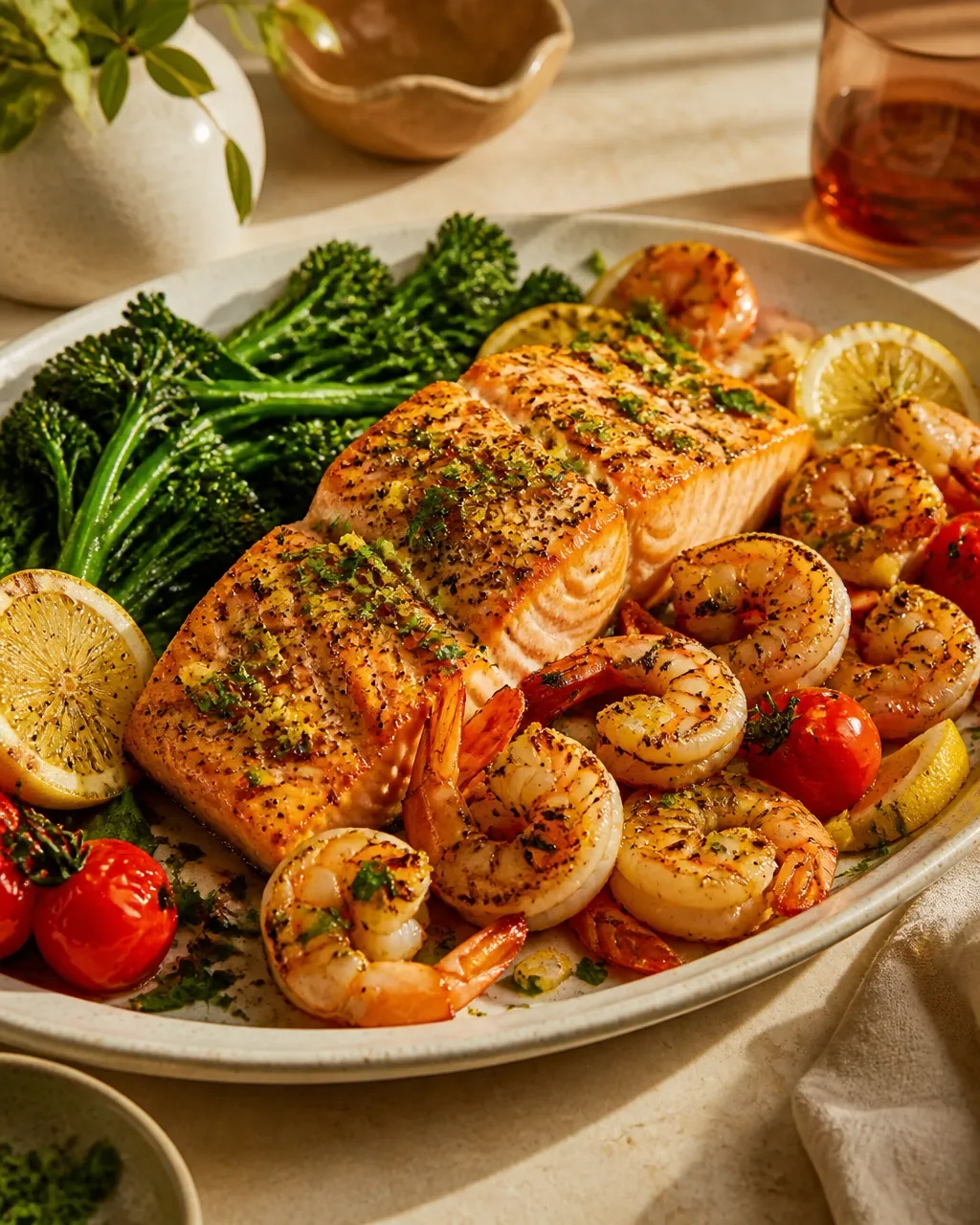
Moisture is the Enemy of Flavor
Before you even think about turning on the burner, grab a stack of paper towels. Pat your shrimp until they are bone-dry. Why? Because water on the surface of the shrimp will turn into steam the second it hits the pan. Steaming is for vegetables; we want a sear. A dry surface allows the Maillard reaction to work its magic, giving you those tiny, golden-brown charred bits that carry all the flavor. If your shrimp are swimming in a pool of gray liquid in the pan, you didn't dry them enough.
The Heat Management Strategy
Use a heavy-bottomed skillet or a carbon steel wok if you have one. You want high, consistent heat. Pre-heat your pan until the oil is shimmering and just about to smoke. Cook the shrimp in a single layer. Don't crowd them! If you dump two pounds of shrimp into a small pan, the temperature will plummet, and you’ll end up boiling them. Work in batches if you have to; it only takes two minutes per batch, so it won’t hurt your timeline.
Achieving the Glossy Glaze
A great teriyaki sauce isn't just about the flavor; it’s about the "cling." You want a sauce that wraps around the shrimp like a silk robe, not one that sits at the bottom of the bowl like a puddle of soup. The secret is the cornstarch slurry. By whisking a tiny bit of starch into your cold sauce before it hits the pan, you ensure that as soon as the sauce bubbles, it thickens into a professional-grade glaze. This transformation happens in about 30 seconds, so keep your eyes on the pan.
Explore more of our 15-minute meals for those nights when time is truly of the essence.
Flavor Variations to Keep it Fresh
While a classic teriyaki is hard to beat, you don’t have to stick to the script every time. Once you understand the balance of salt, sugar, and acid, you can play around with the profile to suit your mood or what’s lurking in your pantry.
The Spicy Kick
If you like a bit of heat, whisk a tablespoon of Sriracha or a teaspoon of red chili flakes into your sauce. The sweetness of the teriyaki acts as a perfect foil for the spice, creating a complex flavor profile that wakes up your palate. Throw in some snap peas for a crunchy contrast to the heat.
The Citrus Twist
Instead of using just water or mirin to thin your sauce, try fresh orange or pineapple juice. The natural acidity in the fruit helps break down the richness of the soy sauce and provides a bright, tropical note. This is a fantastic way to lean into healthy dinner ideas that don't rely on heavy fats for flavor.
The Air Fryer Alternative
If you are a fan of air fryer recipes dinner, you can actually "stir-fry" in the basket. Toss your dried shrimp and veggies in a tiny bit of oil and the dry seasonings first. Air fry at 400°F for about 5–6 minutes, then toss everything in the sauce at the very end. It won't have the same wok-hei (breath of the wok) flavor, but it’s incredibly hands-off and cuts down on cleanup.
Perfect Side Dish Pairings
Balance is everything in a meal. Since teriyaki is inherently sweet and salty, your side dishes should provide a neutral base or a refreshing crunch to round out the experience.
Grains and Bases
A bowl of fluffy jasmine rice is the gold standard for a reason. It acts as a sponge for that glorious extra sauce. If you’re looking for something lower in carbs, cauliflower rice is a great alternative, especially if you sauté it quickly with a little ginger and garlic first. For a more substantial feel, try chilled soba noodles tossed in a dash of sesame oil.
Adding Greenery
I always recommend a side of quick-steamed bok choy or a simple smashed cucumber salad. The cold, crisp texture of a cucumber salad with a splash of rice vinegar cuts right through the intensity of the teriyaki glaze. It’s that hit of acidity that makes you want to go back for a second (or third) bite. Check out our 10-minute recipes for more speedy side dish inspiration.
Frequently Asked Questions
Can I use frozen shrimp for this?
Absolutely, and honestly, most "fresh" shrimp at the counter were previously frozen anyway. The key is to thaw them completely. Put them in a bowl of cold water for about 15 minutes. Once thawed, you must dry them thoroughly. If they are still icy or damp, they will never sear properly.
What if my sauce is too salty?
If you accidentally over-poured the soy sauce, don’t panic. Add a splash of water or unsalted chicken stock to dilute the intensity. A little extra squeeze of honey or brown sugar can also help balance out the saltiness. Next time, try using "low-sodium" soy sauce so you have more control over the final seasoning level.
Why is my sauce watery instead of glossy?
This usually means the pan wasn't hot enough or you didn't include enough cornstarch. The starch needs to hit a simmering point to "activate" and thicken. If it’s still thin, whisk a teaspoon of cornstarch with a teaspoon of cold water in a separate small cup, then pour that mixture into the bubbling pan. It should thicken up almost instantly.
How do I store leftovers?
Shrimp is best eaten fresh, as reheating it often leads to that rubbery texture we’re trying to avoid. However, if you have extras, store them in an airtight container for up to two days. When reheating, do it very gently in a pan over low heat with a splash of water to loosen the sauce. Avoid the microwave if possible; it’s a shrimp’s natural enemy.
Can I use this sauce for other proteins?
You certainly can! This technique works beautifully for thinly sliced chicken breast or tofu. Just remember that chicken takes longer to cook than shrimp, so adjust your timing accordingly. It’s one of those versatile quick family meals that you can adapt to whatever is in the fridge.
Creating healthy dinner ideas shouldn't feel like a chore. With a few basic techniques: like drying your protein and mastering the cornstarch glaze: you can turn basic ingredients into a restaurant-quality meal in less time than it takes to order delivery.
{“@type”:”BlogPosting”,”image”:”https://cdn.marblism.com/QeFkOui4DEL.webp”,”author”:{“name”:”Cookpedia”,”@type”:”Organization”},”@context”:”https://schema.org”,”headline”:”15-Minute Teriyaki Shrimp Stir-Fry”,”publisher”:{“logo”:{“url”:”https://cdn.marblism.com/KxroJ1kM_KA.webp”,”@type”:”ImageObject”},”name”:”Cookpedia”,”@type”:”Organization”},”mainEntity”:{“@type”:”FAQPage”,”mainEntity”:[{“name”:”Can I use frozen shrimp for this?”,”@type”:”Question”,”acceptedAnswer”:{“text”:”Yes, but they must be completely thawed and patted dry with paper towels to ensure they sear rather than steam in the pan.”,”@type”:”Answer”}},{“name”:”Why is my stir-fry sauce watery?”,”@type”:”Question”,”acceptedAnswer”:{“text”:”The sauce likely didn’t reach a high enough temperature to activate the cornstarch, or the ratio of liquid to starch was too high. Ensure the sauce simmers briefly to thicken.”,”@type”:”Answer”}},{“name”:”How can I prevent my shrimp from becoming rubbery?”,”@type”:”Question”,”acceptedAnswer”:{“text”:”Cook the shrimp over high heat for only 1-2 minutes per side until they turn pink and form a ‘C’ shape. Remove them from heat immediately to avoid overcooking.”,”@type”:”Answer”}}]},”description”:”A quick, flavorful, and healthy 15-minute shrimp stir-fry recipe for busy weeknights, featuring tips for the perfect sear and a glossy teriyaki glaze.”,”datePublished”:”2026-07-11″,”mainEntityOfPage”:{“@id”:”https://cookpedia.com/15-minute-teriyaki-shrimp-stir-fry”,”@type”:”WebPage”}}