Recipe
Servings
Servings 1×
Ingredients
- Chicken
- Salmon
- Shrimp
- Orzo
- Pasta
- Bread
- Spinach
- Kale
- Tomatoes
- Garlic
- Lemon
- Cream
- Butter
- Black pepper
Method
- Prepare the ingredients described in the article and heat the cooking surface or oven as directed.
- Cook the main ingredients using the heat and timing guidance in the article.
- Finish with the seasonings and garnishes named in the article, then serve.
If you have been hunting for the ultimate intersection of efficiency and high-level flavor, you’ve just hit the motherlode. My One-Pot Creamy Lemon Garlic Chicken & Orzo is more than just a meal; it is a masterclass in culinary physics. We are talking about taking simple, accessible ingredients and transforming them through heat, friction, and chemical bonding into a dish that tastes like you spent hours over a French bistro stove. Whether you are adding this to your rotation of quick family meals or simply want to flex your technical muscles on a Wednesday night, this is the blueprint for success.
The Science of the Skillet: Mastering the "Why"
Creating a truly great one-pot dish isn't about throwing things in a pan and hoping for the best. It’s about managing a series of chemical subroutines that ensure your chicken is succulent, your pasta is perfectly "al dente," and your sauce is a stable, glossy emulsion. When you master these principles, you stop following recipes and start commanding your kitchen.
The Maillard Reaction: Building the Foundation
The first step in this process is the Maillard reaction. This is the non-enzymatic browning that occurs when amino acids and reducing sugars are exposed to high heat (typically above 285°F). When you sear your chicken, you aren’t just "cooking" it; you are creating hundreds of new flavor compounds, nutty, savory, and complex.
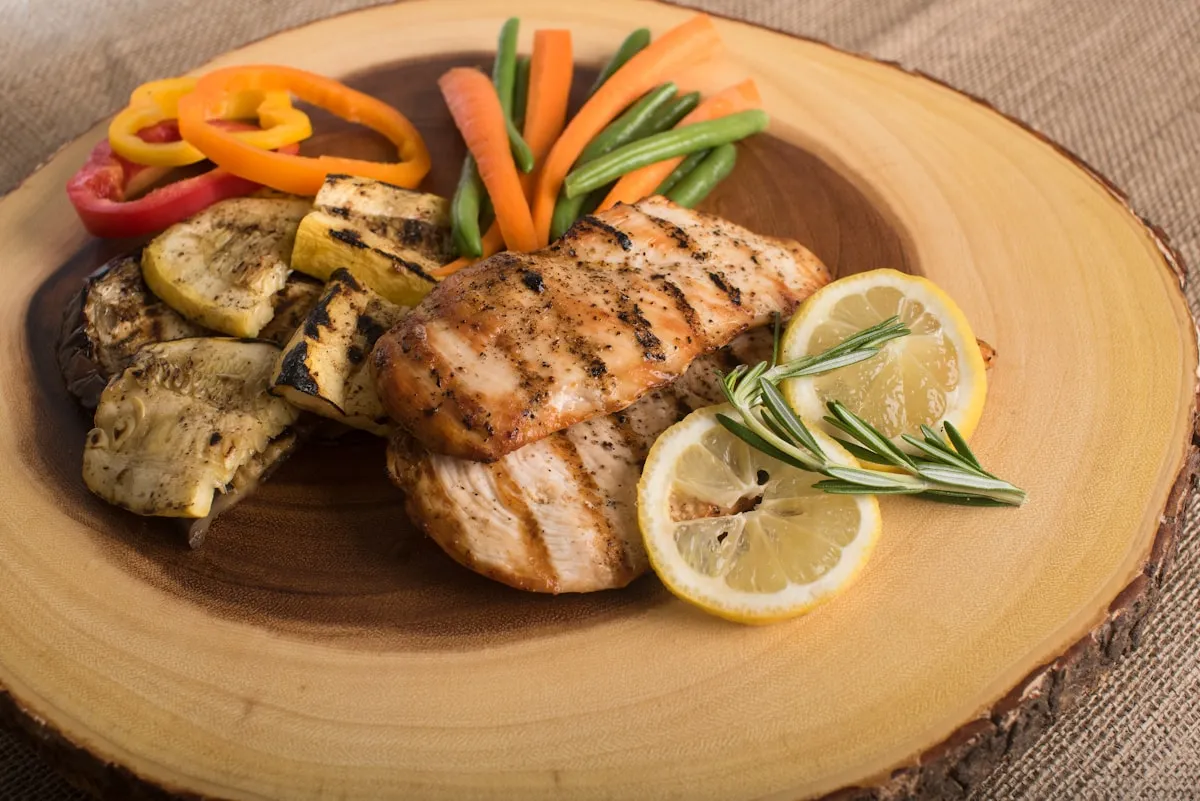
Pat your chicken dry. Moisture is the enemy of the Maillard reaction. If the surface is wet, the energy from your pan will go into evaporating that water (at 212°F) instead of browning the protein. Use a heavy-bottomed pan to maintain high thermal mass, and do not crowd the pan. Crowding lowers the surface temperature and causes the chicken to steam in its own juices. Once you achieve that deep golden crust, you’ve created a "fond", those tiny browned bits stuck to the pan. That fond is pure concentrated flavor that will later be deglazed into your sauce.
Starch Gelatinization: The Natural Thickener
One of the reasons this dish is a standout among healthy dinner ideas is how we utilize the pasta’s own starch to create creaminess without needing a gallon of heavy cream. This is called starch gelatinization. Orzo is essentially tiny pasta, and as it simmers in your cooking liquid, the starch granules within the wheat absorb water and swell.
As the granules reach about 140–176°F, they lose their crystalline structure and leak amylose into the surrounding liquid. This process thickens the stock into a velvety sauce. This is the same principle I discuss in my guide on achieving the perfect glossy sauce for linguine. To maximize this, toast your dry orzo in the residual fat from the chicken for about 60 seconds before adding your liquid. This adds a nutty depth through a secondary, mild Maillard reaction on the starch itself.
Emulsification: Balancing the Acid and Fat
The biggest challenge in this recipe is the marriage of lemon juice and dairy. If you add high-acid citrus directly to hot cream, the milk proteins (casein) will denature and clump together, leaving you with a curdled, grainy mess.
To prevent this, we rely on emulsification. Starch from the orzo acts as a stabilizer, helping to hold fat droplets in suspension. Add your lemon juice at the very end. By removing the pan from the direct high heat and stirring in the lemon zest and juice gradually, you allow the acidity to brighten the fats without breaking the protein bonds in the cream. This creates a cohesive, high-viscosity sauce that clings to every grain of orzo.
Strategic Variations: Adapting the Tech
Once you understand the mechanics of the starch and the sear, you can swap components like a software developer swapping modules in a codebase. This recipe is highly modular, making it a staple for anyone looking for quick family meals that don't get boring.
- The Verdant Upgrade: To increase the nutrient density, fold in fresh baby spinach or kale during the final two minutes of simmering. The residual heat will wilt the greens perfectly without overcooking them into a soggy texture.
- The Umami Bomb: Swap the standard garlic for roasted garlic or add sun-dried tomatoes. The tomatoes bring a concentrated dose of glutamates (natural flavor enhancers) that pair beautifully with the acidity of the lemon.
- Seafood Pivot: If you want a lighter version, replace the chicken with shrimp or seared salmon. Note that salmon contains different fats; you may want to reduce the amount of butter used to keep the emulsion from becoming too heavy.
- The Grain Swap: While orzo is the gold standard here for its starch profile, you can use pearl couscous. Just be aware that the hydration ratio changes slightly, couscous often requires less liquid than traditional wheat pasta.
If you’re a fan of high-heat precision but want a different protein profile, check out my air fryer sausage and pepper medley, which applies similar browning logic in a different "hardware" environment.
Side Dish Pairings: Engineering the Perfect Balance
A dish this rich and creamy requires a "foil", something to provide structural contrast and palate-cleansing acidity. You want to avoid sides that are also starch-heavy or overly creamy, as this will lead to sensory fatigue.
- The Acid-Driven Green Salad: A simple arugula or bibb lettuce salad with a sharp lemon-shallot vinaigrette is non-negotiable. The bitterness of the greens and the acetic acid in the dressing will cut straight through the creaminess of the orzo, resetting your taste buds for the next bite.
- Charred Asparagus or Broccolini: Use high-heat roasting to achieve "blistering." The charred edges provide a bitter contrast that complements the sweetness of the garlic in the main dish.
- Quick Pickled Red Onions: If you want a low-effort, high-impact addition, keep a jar of these in the fridge. They offer a crunch and a pop of bright pink color that elevates the visual presentation of the entire plate.
Even when you are looking for healthy dinner ideas, don't skip the greens. They aren't just a "side"; they are a functional part of the meal's flavor architecture.
FAQ: Troubleshooting the Culinary Logic
Why did my sauce turn out thin and watery?
This is usually a hydration error. Either the orzo hasn't released enough starch (undercooked) or you added too much stock. Remember that the orzo will continue to absorb liquid even after you turn off the heat. If it’s too thin, let it sit for three minutes; the starch will continue to "set" as the temperature drops slightly.
Can I use chicken breast instead of thighs?
You can, but be warned: the margin for error is much smaller. Thighs have a higher intramuscular fat content and more connective tissue (collagen), which breaks down into gelatin, adding body to the sauce. Breasts are lean and will dry out if they spend too much time in the pan during the simmering phase. If using breasts, sear them, remove them, and only add them back for the final 60 seconds of cooking.
My sauce curdled as soon as I added the lemon. What happened?
You likely added the lemon juice while the pan was still over high heat, or your cream-to-acid ratio was off. Acid lowers the pH of the sauce, causing the proteins to lose their repulsive charge and clump together. To fix a "broken" sauce next time, temper your dairy by mixing a little of the hot stock into the cream before adding it to the pan, and always finish with lemon off-heat.
Is this suitable for meal prep?
Yes, but starch continues to absorb water over time. By the next day, the orzo will have "drunk" all the sauce. To revive it, add a splash of stock or water before reheating to re-hydrate the starch network and restore that creamy texture.
I love air fryer recipes dinner: can I do any part of this in the air fryer?
While the one-pot method is designed for a skillet, you could technically sear the chicken in an air fryer to get an incredibly crispy skin before adding it to the orzo on the stove. This is a great way to ensure the Maillard reaction is maximized without using as much oil.
Why is my orzo "gluey" instead of creamy?
This is usually the result of over-agitation. If you stir the orzo constantly and violently, you break the pasta shells and release too much starch too quickly, creating a paste-like consistency. Stir enough to prevent sticking, but let the heat do the heavy lifting.