Recipe
Servings
Servings 1×
Ingredients
- Chicken
- Noodles
- Rice
- Eggs
- Greek yogurt
- Cauliflower
- Asparagus
- Mushrooms
- Kale
- Lemon
- Mustard
- Coconut milk
- Cream
- Butter
- Cooking oil
Method
- Use a heavy skillet, cast iron is king here because of its thermal mass.
- Use paper towels and press hard.
- Give them space to breathe so the steam can escape and the skin can crisp up.
- Keep the heat at a gentle simmer.
If you have ever stared at a pack of chicken thighs and wondered why they always taste better at a restaurant, you are about to get the "cheat code." It is not about magic; it is about basic chemistry. We are moving beyond the boring, dry chicken breast and embracing the thigh, the undisputed MVP of the poultry world. This isn't just another dinner; it is a lesson in flavor engineering. By understanding how heat interacts with protein and fat, you will turn a few humble ingredients into a rich, velvety masterpiece that looks like you spent hours in the kitchen (even though you definitely didn’t).
The Molecular Magic of the Sear
To get that restaurant-quality crust, you have to master the Maillard reaction. This is the chemical dance between amino acids and reducing sugars that happens when meat hits a hot pan. If your chicken looks grey and sad, you didn't let the Maillard reaction finish its job. Use a heavy skillet, cast iron is king here because of its thermal mass. It holds onto heat even when you drop cold meat into it.
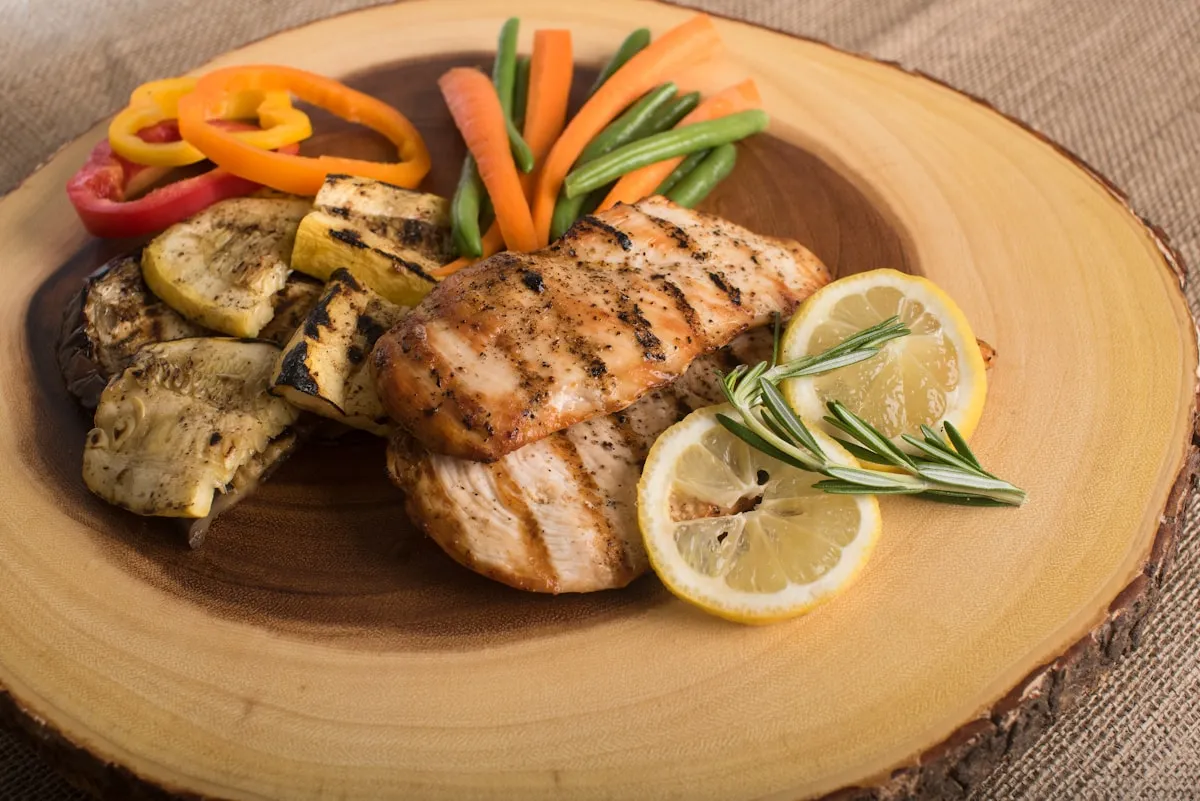
First, dry your chicken like your life depends on it. Water is the enemy of the sear. If there is moisture on the surface, the pan's energy goes into evaporating that water at 100°C (212°F) instead of browning the meat at the required 140°C–150°C. Use paper towels and press hard. Avoid overcrowding the pan; if the thighs are touching, they trap steam, and you end up "boiling" your chicken in its own juices. Give them space to breathe so the steam can escape and the skin can crisp up.
Let's talk mushrooms. Mushrooms are roughly 80–90% water, and their cell walls are made of chitin. Unlike the cellulose in vegetables, chitin doesn't break down easily with heat. This means you can't really "overcook" a mushroom in terms of mushiness, but you can certainly under-brown them. To get that deep umami flavor, you need to drive off their internal water. High heat is your friend. When the mushrooms release their liquid, don't panic. Just keep cooking until that water evaporates and they start to sizzle in the leftover chicken fat. That is when the real flavor starts to develop.
The final scientific hurdle is the emulsion. Your cream sauce is an oil-in-water emulsion. You have fats from the chicken and butter trying to play nice with the water-based stock and cream. If you boil it too hard or add too much acid too quickly, the proteins will denature and "break" the sauce into an oily mess. Keep the heat at a gentle simmer. This allows the milk proteins to act as stabilizers, wrapping around the fat droplets to keep them suspended in the liquid. If you are looking for more quick family meals, mastering this skillet technique is a fundamental skill that applies to almost everything you cook.
Flavor Variations and Tech Tweaks
Once you have the base technique down, you can start playing with the variables. If you want to lean into more healthy dinner ideas, consider swapping heavy cream for a splash of full-fat coconut milk or even a dollop of Greek yogurt. Just be careful with the yogurt, it is highly sensitive to heat and will curdle faster than you can say "dinner is served." Add it at the very end, off the heat, to maintain that creamy texture.
For a sharper flavor profile, experiment with different mushrooms. Button mushrooms are the baseline, but Cremini (Baby Bellas) offer more depth because they are slightly more mature. If you really want to go pro, mix in some dried porcini. Soak them in warm water first, and use that soaking liquid as part of your deglazing step. It is an umami bomb that heightens the "meaty" qualities of the dish without adding extra calories.
You can also adjust the acidity. A splash of dry white wine like Sauvignon Blanc or Pinot Grigio is classic for deglazing. The alcohol helps dissolve flavor compounds that aren't water-soluble, while the acid cuts through the richness of the cream. If you don't use alcohol, a squeeze of fresh lemon juice or a teaspoon of Dijon mustard works wonders. The mustard acts as a secondary emulsifier, helping to bind the sauce even further.
Precision Pairings for the Perfect Plate
Balance is everything when you are dealing with a sauce this rich. You need something to act as a foil to the heavy fats. Think about texture and acidity. A simple pile of sautéed kale or roasted asparagus provides a bitter edge that cleanses the palate between bites of creamy chicken.
If you want something to soak up every last drop of that sauce, and trust me, you do, go for something with high surface area. Wide egg noodles or a rustic mash are traditional. If you’re keeping things light, cauliflower rice is a great low-carb alternative. The key is to avoid anything too flavored; you don’t want your side dish competing with the complexity of the mushroom cream. For more inspiration on healthy dinner ideas, check out our guide on achieving the perfect glossy finish for your sides.
FAQ: Troubleshooting Your Skillet
Why did my sauce separate and turn oily?
This usually happens because of "thermal shock" or excessive evaporation. If you boil the cream too aggressively, the water content drops too low to keep the fat droplets separated. Next time, lower the heat to a simmer before adding your dairy. If it does break, try whisking in a teaspoon of very hot water or a tiny bit of cold cream to bring the emulsion back together.
Can I use chicken breasts instead of thighs?
You can, but the science says you shouldn't. Thighs have more connective tissue (collagen) and a higher fat content, which makes them much more forgiving. Breasts are lean and will dry out the moment they hit internal temperatures above 74°C (165°F). If you must use breasts, reduce the cooking time and be vigilant with a meat thermometer.
How do I get the "fond" off the bottom of the pan?
That brown stuff stuck to the pan is called "fond," and it is pure gold. It is concentrated Maillard products. To get it off, you need to deglaze. While the pan is still hot, pour in your liquid (wine, stock, or water) and use a wooden spoon to scrape the bottom. The liquid will bubble and dissolve those delicious bits right into your sauce.
Do I need to wash my mushrooms?
The old myth says mushrooms are like sponges and will soak up water. In reality, they absorb very little. However, even a tiny bit of surface moisture can delay the browning process. Use a damp paper towel to wipe off any dirt, or if you must rinse them, do it quickly and dry them immediately.
Can I adapt this for air fryer recipes dinner?
Yes! You can sear the chicken in the air fryer to get that crispy skin with less monitoring. Set it to 200°C (400°F) and cook until the skin is golden. However, you will still need a skillet on the stove to make the mushroom cream sauce, as the air fryer isn't great for reducing liquids or building emulsions. It is a great hybrid approach for quick family meals when you are short on stovetop space.
What if my mushrooms are taking forever to brown?
Check your pan temperature. If the heat is too low, the mushrooms will just sweat and sit in a pool of their own juices. Crank the heat up and don't stir them too often. They need direct contact with the hot surface to trigger the Maillard reaction. Be patient!