Recipe
Servings
Servings 1×
Ingredients
- Chicken
- Salmon
- Noodles
- Cauliflower
- Broccoli
- Zucchini
- Spinach
- Tomatoes
- Garlic
- Lemon
- Mustard
- Coconut milk
- Cream
- Hard cheese
- Cooking oil
- Salt
- Black pepper
Method
- Prepare the ingredients described in the article and heat the cooking surface or oven as directed.
- Cook the main ingredients using the heat and timing guidance in the article.
- Finish with the seasonings and garnishes named in the article, then serve.
If you’re looking for a dish that balances chemical precision with sheer culinary indulgence, this Keto Creamy Tuscan Chicken Skillet is your laboratory. We aren't just tossing chicken in cream; we are engineering a stable emulsion and leveraging the Maillard reaction to create a flavor profile that’s as sophisticated as it is efficient. This is one of those healthy dinner ideas that proves you don't need carbohydrates to achieve a luxurious, velvety mouthfeel. It’s a high-impact, low-carb masterpiece designed for the modern home cook who values both biology and bite.
The Chemistry of Flavor: Tips & Technique
To master this skillet, you have to move beyond the recipe and understand the thermodynamics happening on the surface of your pan. Most home cooks fail because they treat searing as a suggestion rather than a non-negotiable chemical process.
Maillard Mastery and Surface Moisture
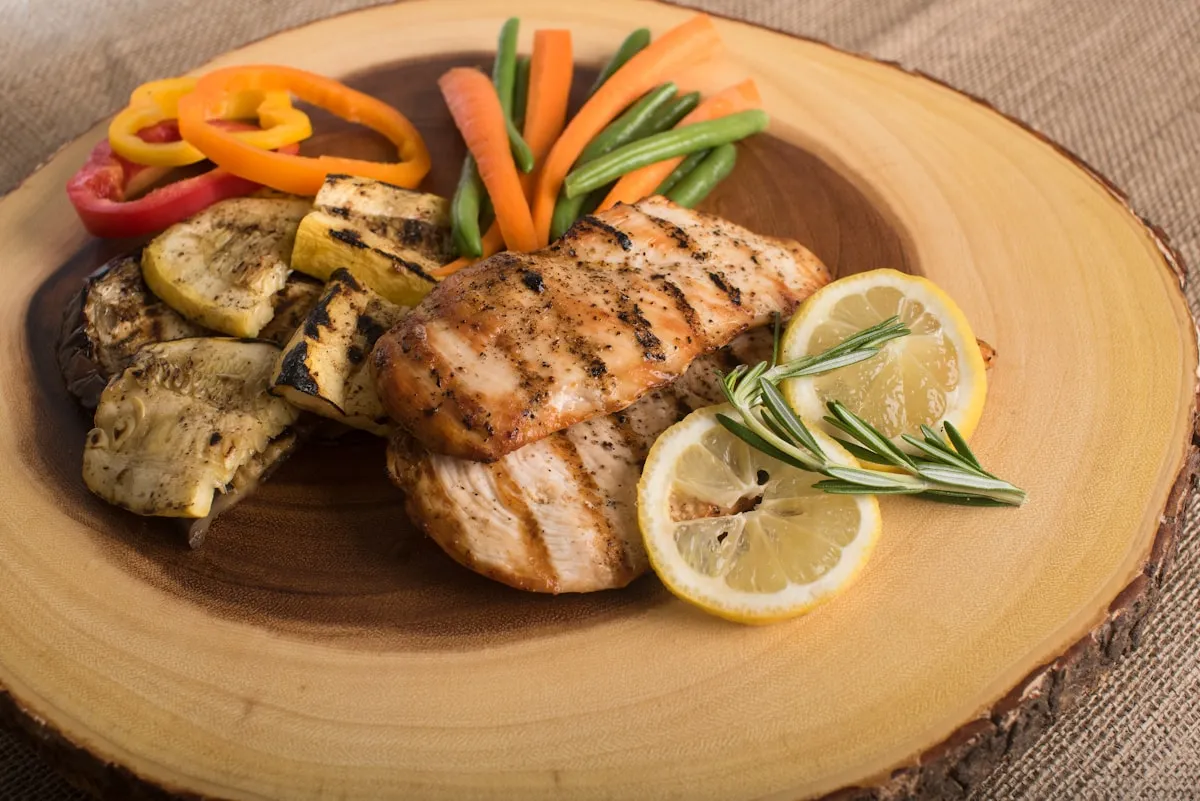
The foundation of this dish is the Maillard reaction. This is a chemical reaction between amino acids and reducing sugars that occurs between 300°F and 400°F (150°C to 200°C). If your chicken is wet when it hits the oil, the temperature of the pan will drop to 212°F (100°C): the boiling point of water. Instead of browning, your chicken will steam, resulting in a grey, rubbery texture and zero flavor development. Use paper towels. Dry that chicken until the surface is bone-dry.
Fond Management and Deglazing
Once the chicken is seared and removed, you’ll see brown bits stuck to the pan. This is "fond": concentrated savory gold. It is composed of denatured proteins and caramelized fats. To incorporate this into your sauce, you must deglaze. When you add your aromatics: garlic and sun-dried tomatoes: the residual moisture from the garlic begins to lift the fond, but a splash of chicken broth or dry white wine (if your macros allow) provides the solvent necessary to dissolve these compounds. Use a wooden spatula to scrape the bottom vigorously. If you leave the fond behind, you’re throwing away 40% of the dish's flavor potential.
Stabilization and Emulsification
The sauce is an emulsion: a mixture of fat (from the heavy cream and Parmesan) and water (from the broth and chicken juices). Without a stabilizer, this sauce will "split," leaving you with a puddle of oil and gritty proteins.
- Temperature Control: Never add your heavy cream to a boiling pan. Heat shock will cause the milk proteins to coagulate and separate. Lower the heat to a gentle simmer before introducing the dairy.
- The Role of Cheese: Parmesan isn't just for salt; it’s a structural component. The proteins in finely grated Parmesan act as a thickener, creating a protein-fat network that keeps the sauce glossy. Add it in small increments, whisking constantly to ensure it melts into the emulsion rather than clumping into a rubbery ball. If you've ever struggled with a broken sauce in our spicy tomato basil linguine guide, these same principles apply here.
Technical Variations
While the classic Tuscan profile is a gold standard, you can pivot the flavor architecture depending on your nutritional goals or pantry inventory.
- The Dairy-Free Pivot: If you are avoiding dairy, swap the heavy cream for full-fat coconut milk. Scientifically, coconut milk has a lower protein-to-fat ratio than heavy cream, making it slightly more prone to splitting if overheated. To stabilize a dairy-free version, use a pinch of xanthan gum. This hydrocolloid increases viscosity without adding carbs, ensuring your sauce remains thick and creamy.
- The Spice Matrix: To cut through the richness of the cream, introduce capsaicin. Crushed red pepper flakes added during the garlic sauté stage will infuse the oil (fat-soluble extraction), providing a consistent heat throughout the sauce. Alternatively, a teaspoon of Dijon mustard can act as a secondary emulsifier while providing a sharp, acidic counterpoint to the heavy fats.
- Protein Swaps: This technique isn't limited to chicken breast. Skin-on chicken thighs offer more connective tissue (collagen), which breaks down into gelatin during the simmer, further thickening the sauce. You can also apply this methodology to salmon, though you’ll need to reduce the simmering time to avoid over-denaturing the delicate fish proteins.
Strategic Side Dish Pairings
When serving a dish this rich, your side dishes must provide functional balance: specifically through acidity and textural contrast. This is the secret to successful quick family meals; it's not just about the main, it's about the ecosystem of the plate.
- Acidity vs. Richness: A simple arugula salad with a heavy lemon vinaigrette is non-negotiable. The citric acid in the lemon juice acts as a palate cleanser, stripping the heavy cream from your tongue so every bite of chicken feels as vibrant as the first.
- Textural Contrast: Since the chicken and sauce are soft and velvety, you need crunch. Roasted cauliflower or broccoli: perhaps prepared using some of our air fryer recipes dinner techniques: provides the structural integrity the dish lacks. The char on the vegetables adds a bitter note that complements the sweet sun-dried tomatoes.
- The "Noodle" Replacement: If you're staying keto, zucchini noodles (zoodles) are the standard, but ensure you salt them and let them drain for 20 minutes first. This uses osmosis to draw out excess water, preventing your perfectly emulsified sauce from turning into a watery soup.
Technical FAQ: Troubleshooting the Skillet
Why did my sauce turn grainy after I added the cheese?
This is usually a result of thermal shock or using pre-shredded cheese. Pre-shredded cheese is coated in potato starch or cellulose to prevent clumping in the bag; these additives interfere with the emulsification process. Furthermore, if the sauce is too hot, the proteins in the cheese tighten and squeeze out the fat, resulting in a gritty texture. Always grate your cheese fresh and add it off the heat or at a very low simmer.
Can I use half-and-half instead of heavy cream?
Technically yes, but it’s a gamble. Half-and-half has a higher water content and lower fat content. This makes it significantly more likely to curdle when it interacts with the acidity of the sun-dried tomatoes. If you must use it, you'll need to be even more vigilant about keeping the temperature low. For a truly keto-compliant result, heavy cream is the superior choice for its high fat-to-carb ratio.
How do I prevent the spinach from making the sauce watery?
Spinach is roughly 90% water. When it hits the hot sauce, the cell walls collapse and release that moisture. To mitigate this, add the spinach at the very last second. Let the residual heat wilt the leaves just enough to be tender. If you're prepping this as part of your quick family meals for later, consider sautéing the spinach separately and squeezing out the liquid before folding it into the sauce.
My chicken is dry even though it's covered in sauce. What happened?
Sauce cannot save overcooked meat. Chicken breast is lean and begins to lose its moisture rapidly once it passes 155°F. While 165°F is the USDA safety standard, remember that "carry-over cooking" will raise the temperature of the meat by 5-10 degrees after you remove it from the pan. Pull the chicken when it hits 160°F and let it rest in the warm sauce; the carry-over heat will finish the job without turning the proteins into sawdust. If you prefer a more "set it and forget it" approach, checking out our air fryer breakfast sausages post might give you some ideas on hands-off protein timing.