Recipe
Servings
Servings 1×
Ingredients
- Chicken
- Chickpeas
- Pasta
- Noodles
- Rice
- Broccoli
- Zucchini
- Spinach
- Tomatoes
- Lemon
- Cream
- Feta
- Cooking oil
- Black pepper
Method
- Prepare the ingredients described in the article and heat the cooking surface or oven as directed.
- Cook the main ingredients using the heat and timing guidance in the article.
- Finish with the seasonings and garnishes named in the article, then serve.
If you’ve spent any time in my kitchen, you know I’m a devotee of the "soulful minimalist" lifestyle. On a Tuesday night at 6:30 PM, the last thing you want is a sink full of colanders, pots, and strainers. You want something that tastes like a weekend in Santorini but takes less time than a coffee break. That is exactly where this 15-minute spinach and feta pasta comes in. By using a specific starch-trapping technique, we create a luxuriously creamy sauce without adding a drop of heavy cream. It’s one of those one pot meals that feels like a magic trick every single time.
The Science of the "No-Drain" Method
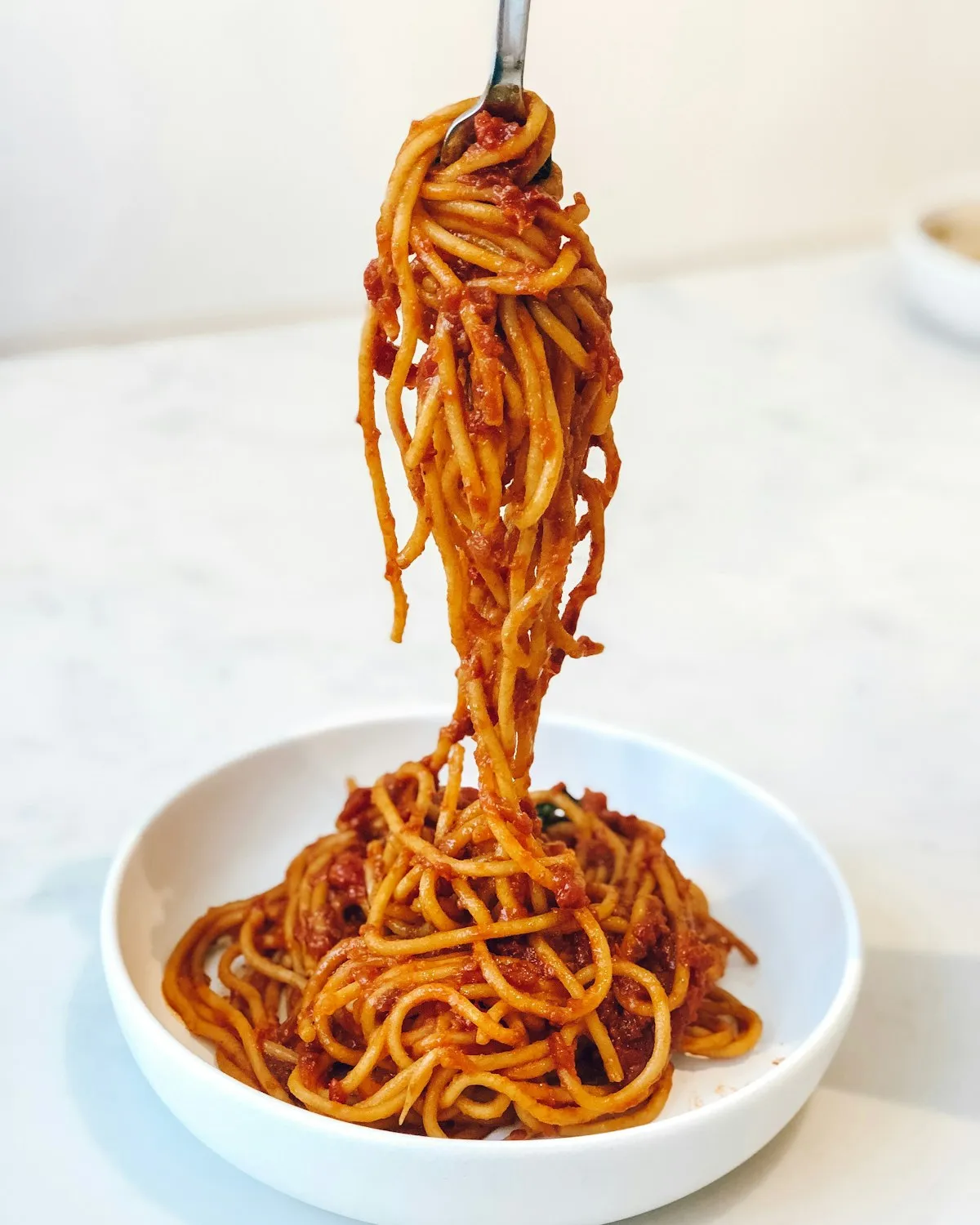
Most people were taught to boil pasta in a massive vat of salted water, then dump that liquid gold down the drain. Stop doing that. When you cook pasta in a limited amount of liquid, the surface starch that leaches out of the noodles stays in the pan. This starch is a powerful emulsifier. As the water reduces, it becomes viscous and sticky, which is the secret to getting a sauce that actually clings to your noodles instead of pooling at the bottom of the bowl. This is a fundamental principle for the best simple pasta recipes.
To master this, you must use a wide skillet rather than a deep pot. A wider surface area allows for better evaporation and ensures your pasta lies flat, cooking evenly in the shallow liquid. If the water is too deep, the starch is too diluted. If it’s too shallow, the noodles won't cook. Aim for just enough liquid to barely cover the dry pasta. As you stir, and you must stir frequently with tongs, you are manually rubbing the starch off the pasta and into the liquid, creating a natural roux.
Then, there is the feta. Feta is a high-acid cheese, meaning it has a protein structure that doesn't fully liquefy like mozzarella. Instead of a stretchy mess, feta softens. When you toss it into that starchy pasta water at the very end, it emulsifies. It breaks down into tiny, creamy particles that blend with the starch to form a tangy, velvet-like coating. Choose a high-quality sheep’s milk feta if you can; the higher fat content leads to a much smoother "melt" compared to cow's milk varieties.
Finally, let's talk about the spinach. Spinach is mostly water held in place by cell membranes. Heat those membranes for too long, and they collapse, releasing all that water and turning your vibrant green leaves into a dull, grey mush. Add your baby spinach at the very last second. The residual heat from the pasta is more than enough to wilt it in 30 seconds. This keeps the color bright and the texture tender, making it a staple for your healthy dinner ideas.
Elevating the Base: Smart Variations
While the spinach and feta duo is a classic for a reason, the beauty of these one pot meals is their adaptability. If you want to lean into a more Mediterranean profile, try adding sun-dried tomatoes or kalamata olives at the start of the boil. The salty brine of the olives complements the tang of the feta perfectly.
For those looking to increase the protein, sliced pre-cooked chicken breast or canned chickpeas can be tossed in during the final minute of cooking just to warm through. If you prefer a bit of heat, a teaspoon of red pepper flakes toasted in a little olive oil at the bottom of the pan before you add the water and pasta will infuse the entire dish with a subtle, glowing warmth. For more inspiration on rapid-fire cooking, check out our 15-minute meals category.
You can also swap the grain. While spaghetti or linguine provides the best surface area for starch extraction, gluten-free brown rice pasta works surprisingly well here because of its high starch content. Just be careful not to over-stir, as gluten-free varieties can be more fragile than traditional wheat.
Perfect Side Dish Pairings
Because this dish is rich and tangy, you want sides that provide a sharp contrast. A crisp arugula salad with a simple lemon vinaigrette is my go-to. The acidity of the lemon and the peppery bite of the arugula cut right through the creaminess of the feta sauce.
If you’re looking for something more substantial to round out your quick family meals, look toward your other appliances. While the pasta is doing its thing on the stove, you can whip up some crispy broccoli or charred zucchini in the air fryer. This adds a much-needed crunch to the meal. In fact, many air fryer recipes dinner enthusiasts find that roasted vegetables are the ultimate "hands-off" companion to a one-pot pasta. If you’re feeling adventurous, try pairing this pasta with an air fryer sausage and pepper medley for a full-flavored feast that still keeps the cleanup to a minimum.
Frequently Asked Questions
Why is my pasta sticky and gummy?
This usually happens if you aren't stirring enough or if you used too little water at the beginning. Starch needs to be distributed. If the pasta sits in one place, the starch settles and acts like glue. Use your tongs to keep those noodles moving!
Can I use frozen spinach instead of fresh?
You can, but proceed with caution. Frozen spinach has already had its cell walls broken down, and it carries a lot of excess moisture. If you use it, squeeze it bone-dry in a kitchen towel before adding it, otherwise, your creamy sauce will turn into a watery, green soup.
What if the water evaporates before the pasta is cooked?
Don't panic. Keep a kettle of hot water nearby. If the pan looks dry but the noodles are still crunchy, add half a cup of hot water and keep stirring. Never add cold water, as it drops the temperature of the pan and ruins the starch emulsion.
Does this recipe work for quick family meals with kids?
Absolutely. It's a "white sauce" pasta that sneaks in a massive amount of greens. If your kids are sensitive to the "green bits," chop the spinach very finely before adding it; it will melt into the sauce almost invisibly.
Is this considered part of a list of healthy dinner ideas?
Yes! By skipping the heavy cream and butter often found in Alfredo or carbonara, and relying on the natural starch and a moderate amount of feta, you're getting a satisfying, fiber-rich meal that doesn't feel heavy. It’s a great example of why simple pasta recipes don't have to be nutritional nightmares.
My feta didn't melt at all. What happened?
Check your label. Some "feta-style" cheeses made purely from cow's milk are processed to be very firm and won't soften well. Also, ensure you are adding the cheese after you take the pan off the heat. Excessive boiling can actually cause the proteins in the cheese to tighten up and become rubbery rather than creamy.
{“@type”:”BlogPosting”,”image”:[“https://cdn.marblism.com/HpbYHAMZ1kM.webp”,”https://cdn.marblism.com/vCXjFdmLpBL.webp”,”https://cdn.marblism.com/EImUxCkekL1.webp”,”https://cdn.marblism.com/BKnmDhp4Lpl.webp”],”author”:{“name”:”Penny”,”@type”:”Person”},”@context”:”https://schema.org”,”headline”:”One Pot 15-Minute Spinach & Feta Pasta”,”publisher”:{“logo”:{“url”:”https://cookpedia.com/logo.png”,”@type”:”ImageObject”},”name”:”Cookpedia”,”@type”:”Organization”},”description”:”Learn the science behind the one-pot method for a creamy 15-minute spinach and feta pasta. No draining required, just simple ingredients and minimalist technique.”,”datePublished”:”2026-06-14″,”mainEntityOfPage”:{“@id”:”https://cookpedia.com/one-pot-15-minute-spinach-feta-pasta”,”@type”:”WebPage”}}