Recipe
Servings
Servings 1×
Ingredients
- Pork
- Pasta
- Noodles
- Eggs
- Bread
- Broccoli
- Mushrooms
- Garlic
- Lemon
- Cream
- Hard cheese
- Butter
- Cooking oil
- Chili seasoning
- Salt
Method
- Let’s be real: Carbonara is the ultimate “I have nothing in the fridge” emergency meal that somehow tastes like a five-star dinner.
- Use the finest side of your grater.
- Whisk your eggs and cheese into a thick paste before the pasta is even done.
- Toss the pasta vigorously with tongs or a large fork.
Let’s be real: Carbonara is the ultimate “I have nothing in the fridge” emergency meal that somehow tastes like a five-star dinner. But for a lot of home cooks, it’s also a high-stakes game of culinary Russian roulette. One second you have a silky sauce, and the next, you’re looking at a bowl of expensive cheesy scrambled eggs. I’ve been there, scraping curds off a skillet while my soul slowly left my body. But here’s the secret: Carbonara isn't about luck; it’s about physics. Once you master the 15-minute science of the emulsion, you’ll never fear the egg again. We’re stripping away the fluff and focusing on a simple pasta recipes approach that gets you from “starving” to “pasta coma” in the time it takes to watch a sitcom.
The Science of the Silk: Master the Emulsion
To make a truly great Carbonara, you have to stop thinking of it as a "sauce" in the traditional sense and start thinking of it as a warm mayonnaise. Traditional Carbonara contains zero cream. If you see cream in a Carbonara recipe, run. The creaminess comes from a stable emulsion of four key players: egg yolks, rendered pork fat, hard cheese, and starchy pasta water.
The most critical factor in your 15-minute journey is temperature control. Egg yolks start to thicken and become "sauce-like" around 144°F (62°C), but they turn into scrambled solids at 158°F (70°C). That is a tiny window of success. To stay in the "silky zone," you must use residual heat. Never add your egg mixture to a pan that is sitting over an active flame. Turn the burner off, move the pan to a cool spot on the stove, and let the ambient heat of the pasta do the work.
Next, focus on the starch. When you boil your pasta, use less water than you think you need. You want that water to be cloudy and thick with starch because those starch molecules act as a "buffer." They physically stand between the egg proteins, preventing them from bonding together too tightly and curdling. Think of starch as the mediator in a heated argument. Save at least a cup of this liquid gold before you drain the pasta.
Finally, let’s talk about the fat. Whether you’re using guanciale, pancetta, or even high-quality bacon, you are looking for liquid gold. Render that fat slowly. This fat is your "oil" phase in the emulsion. When you toss the pasta in the warm fat, you're coating every strand, creating a surface that the egg and cheese paste can grab onto.
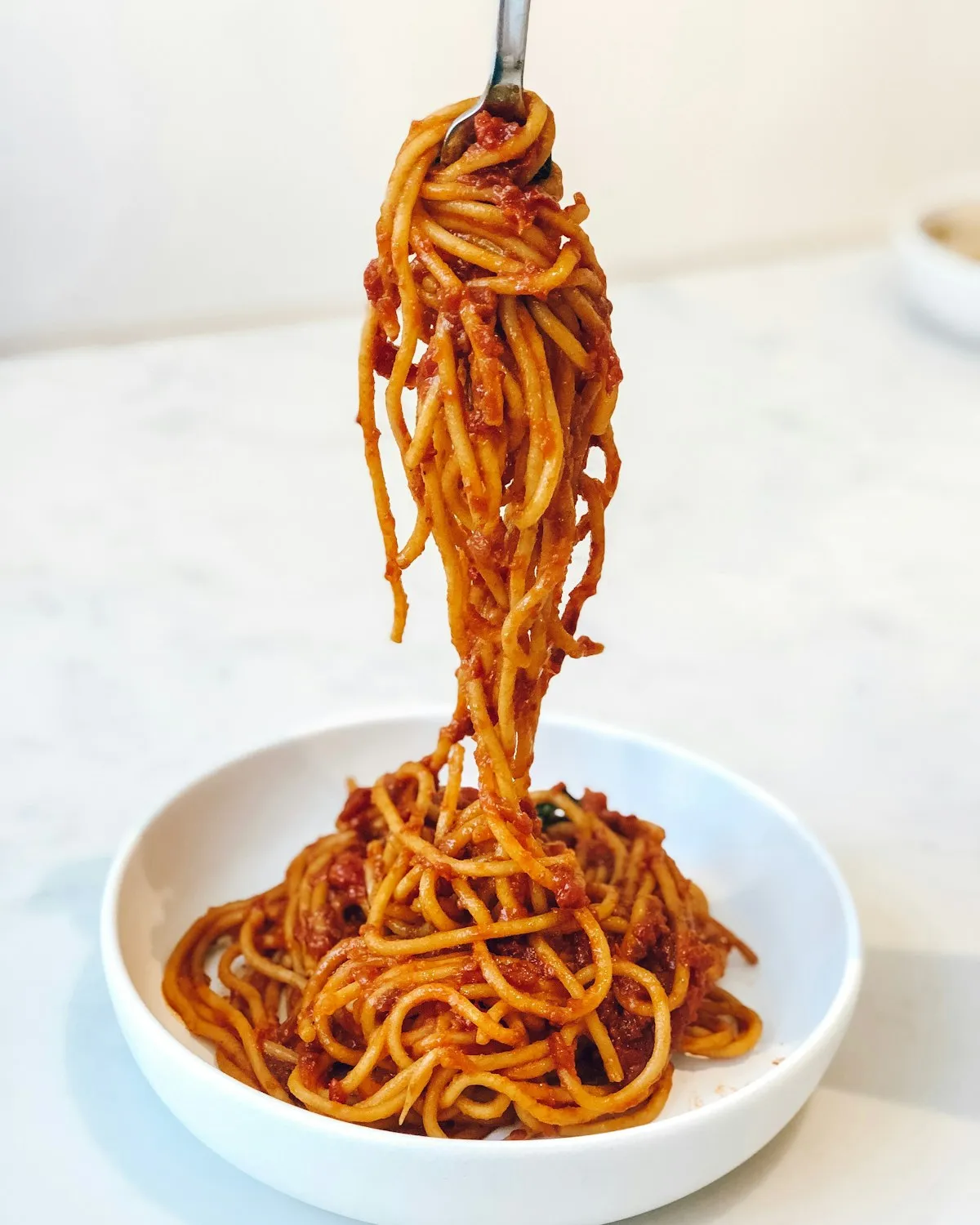
Technical Non-Negotiables for Success
If you want to master 15 minute meals, you need to be efficient with your movements. While the pasta water is coming to a boil, grate your cheese. Use the finest side of your grater. Large shards of cheese won't melt properly; they’ll just clump into a rubbery ball. You want a snowy pile of cheese that can dissolve into the egg yolks almost instantly.
Whisk your eggs and cheese into a thick paste before the pasta is even done. This "pre-mixing" technique ensures that the cheese is already hydrated by the moisture in the eggs. When the hot pasta water eventually hits this paste, the cheese is less likely to "shock" and turn grainy. It’s a insurance policy for your dinner.
When combining everything, speed is your friend. This is not the time to check your phone. Toss the pasta vigorously with tongs or a large fork. The mechanical action of tossing helps break the fat into tiny droplets and distributes the egg mixture evenly. If the sauce looks too thick or "tight," add a splash of that reserved pasta water. The water thins the sauce while the starch keeps it creamy. It’s a beautiful, delicate balance that feels like magic when it clicks.
Bold Variations for the Adventurous
While the purists might come for me, a simple pasta recipes foundation allows for some soulful experimentation.
- The Spicy Kick: If you find the richness of the egg and cheese a bit overwhelming, add a teaspoon of red chili flakes to the pork fat while it renders. The heat cuts through the fat beautifully.
- The Bright Zest: Grate the zest of half a lemon into your egg and cheese paste. The acidity provides a sharp contrast to the salty Pecorino and heavy yolks, making the whole dish feel lighter and more "spring-like."
- The Mushroom Swap: For a vegetarian version that still hits those savory notes, swap the pork for sautéed shiitake or cremini mushrooms. Use a bit of butter or high-quality olive oil to replace the rendered pork fat. It won't be a "true" Carbonara, but it follows the same scientific principles of emulsion.
Perfect Side Dish Pairings
Since Carbonara is incredibly rich and salt-forward, your side dishes need to provide balance. You’re looking for acidity, crunch, and freshness to cleanse the palate between bites.
Go for a bitter green salad. A simple mix of arugula or radicchio tossed in a sharp lemon vinaigrette is the perfect foil to the creamy pasta. The bitterness of the greens cuts right through the fat. Alternatively, try a quick-roasted broccolini with plenty of garlic. The charred, slightly bitter edges of the vegetable provide a nice textural contrast to the soft noodles.
Avoid anything too starchy or creamy as a side. You already have a bowl of starch and fat; adding garlic bread or a creamy caesar salad will just leave you feeling weighed down. Think "light and bright" to keep the meal balanced. You can find more inspiration for vegetable-heavy sides in our guide to air fryer vegetable medleys.
Frequently Asked Questions (FAQ)
Why did my Carbonara turn out scrambled?
You likely kept the pan on the heat or used a pan that was far too hot. The egg proteins cooked too fast and bonded together into solids. Next time, move the pan entirely off the stove before adding the egg mixture. Remember, the pasta itself holds enough heat to cook the eggs into a sauce without the need for an external flame.
Can I use pre-grated cheese from a green can?
Absolutely not. Avoid pre-grated cheeses at all costs. They are coated in anti-caking agents like cellulose which prevent the cheese from melting. You will end up with a gritty, sandy sauce that refuses to emulsify. Buy a block of Pecorino Romano or Parmesan and grate it yourself: it’s the single biggest upgrade you can make to your 15 minute meals.
What if my sauce is too runny?
If your sauce is watery, you either added too much pasta water or didn't use enough cheese. Cheese acts as a thickener in this emulsion. To fix it, you can return the pan to the absolute lowest heat setting for about 30 seconds, tossing constantly. Watch it like a hawk; as soon as it starts to thicken, pull it off.
Is it safe to eat "undercooked" eggs in the sauce?
The residual heat of the pasta (which is usually around 180°F-200°F right out of the water) is more than enough to bring the egg yolks to a food-safe temperature (160°F) without scrambling them, provided you toss them thoroughly. If you are highly concerned, use pasteurized eggs.
Can I reheat leftover Carbonara?
Carbonara is best eaten immediately. The emulsion is fragile; as it cools, the fat solidifies and the starch sets. If you must reheat it, do so very gently with a splash of water in a pan over low heat, stirring constantly to try and "loosen" the emulsion back up. Avoid the microwave, as it will almost certainly scramble the eggs.
{“@type”:”BlogPosting”,”image”:”https://image.pollinations.ai/prompt/high-quality-natural-light-food-photography-of-a-creamy-plate-of-spaghetti-carbonara-golden-egg-yolk-and-cheese-emulsion-crispy-browned-guanciale-coarse-black-pepper-warm-inviting-tones-clean-uncluttered-composition-shallow-depth-of-field?width=1000&height=1000&nologo=true”,”author”:{“name”:”Cookpedia”,”@type”:”Organization”},”@context”:”https://schema.org”,”headline”:”Simple Pasta 15-Minute Carbonara (Simplified)”,”keywords”:”simple pasta recipes, 15 minute meals, carbonara technique, cooking science”,”publisher”:{“logo”:{“url”:”https://cdn.marblism.com/r31hCYxu5lk.webp”,”@type”:”ImageObject”},”name”:”Cookpedia”,”@type”:”Organization”},”description”:”Master the science of the 15-minute Carbonara. Learn why emulsions matter, how to avoid scrambled eggs, and tips for the perfect silky sauce every time.”,”datePublished”:”2026-06-14″,”mainEntityOfPage”:{“@id”:”https://cookpedia.com/simple-pasta-15-minute-carbonara-simplified”,”@type”:”WebPage”}}