Recipe
Servings
Servings 1×
Ingredients
- Lentils
- Chickpeas
- Pasta
- Noodles
- Spinach
- Tomatoes
- Garlic
- Lemon
- Cream
- Chili seasoning
Method
- Use whole-milk ricotta for this.
- Heat management is your non-negotiable here: lower the flame significantly before you dollop in the cheese.
- Use fresh baby spinach for the best texture.
If you have fifteen minutes, you have a gourmet meal. I am a firm believer that the most soulful food doesn't require a mountain of dishes or a degree in culinary arts. This one-pot spinach and ricotta pasta is the embodiment of my philosophy: simple, high-impact flavors that respect your time. Whether you’re racing against a toddler's bedtime or just want to curl up with something comforting after a long shift, this is the solution. It’s light, it’s creamy, and it feels like a hug in a bowl.
The Science of the One-Pot Silk
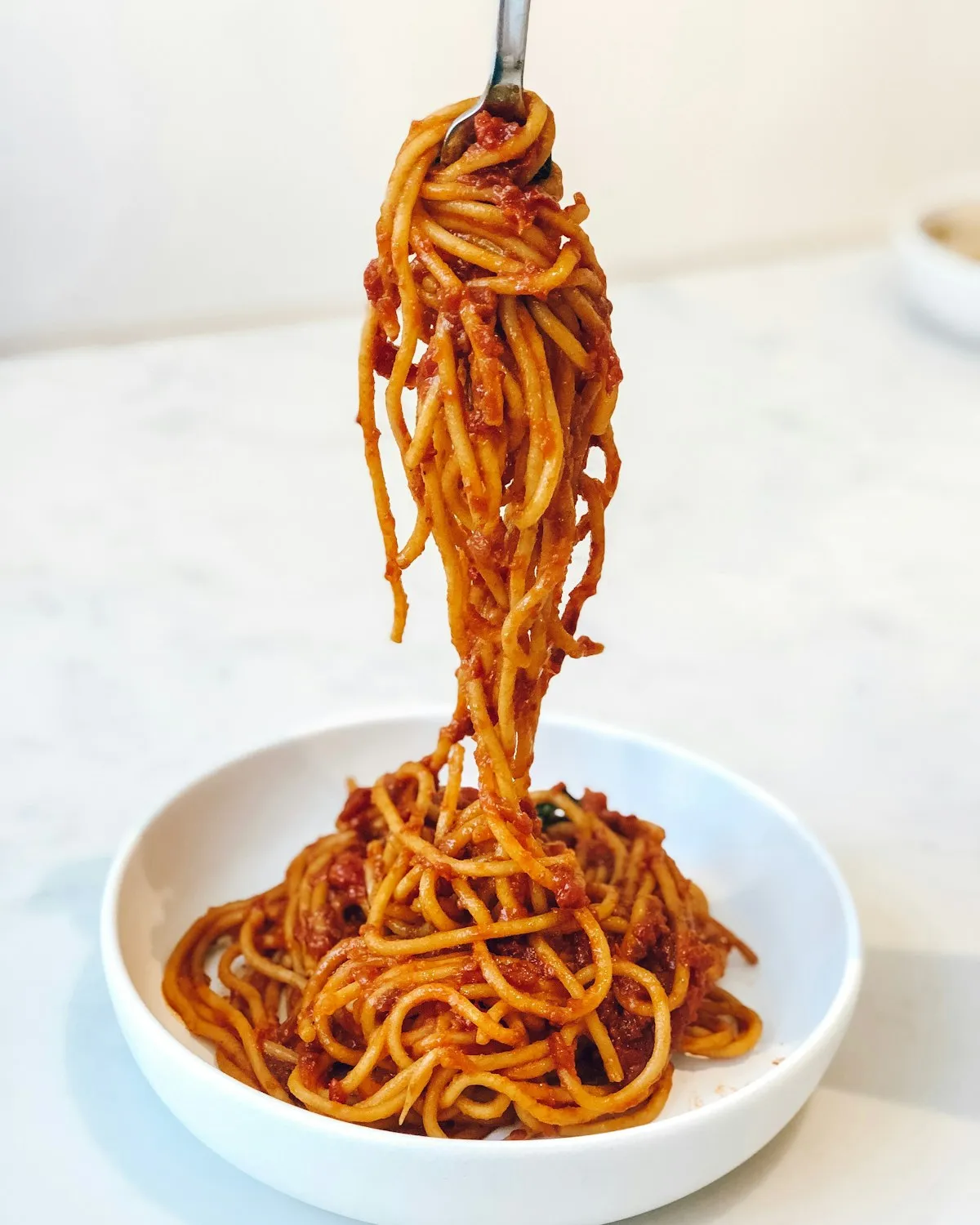
The secret to a "restaurant-quality" pasta sauce in a single pot isn't heavy cream or fancy thickeners, it’s pure chemistry. When you cook pasta in a limited amount of water or broth, the starch that usually gets dumped down the drain stays right where you need it. This liquid gold is the foundation of your sauce.
As the pasta boils, it releases starch granules. In a traditional method, these are lost. But here, the starch concentrates, creating a thick, slick liquid. When you introduce a high-quality, whole-milk ricotta at the end, that starch acts as an emulsifier. It binds the fat from the cheese to the liquid, creating a glossy sauce that actually clings to the noodles instead of pooling at the bottom of the bowl.
Use whole-milk ricotta for this. Avoid the low-fat versions, as they tend to be watery and lack the structural integrity needed to withstand the heat. Heat management is your non-negotiable here: lower the flame significantly before you dollop in the cheese. If the heat is too high, the proteins in the ricotta will seize up, turning your silky sauce into a grainy, clumpy mess. If you find the sauce getting too thick, add a tiny splash of hot water. This isn't just a recipe; it’s a lesson in moisture control. Always err on the side of a slightly looser sauce, as the pasta will continue to drink up that liquid even after you’ve plated it.
This technique is a staple for quick family meals because it eliminates the need for a separate colander and a secondary sauce pan. You are essentially building the sauce and the pasta simultaneously. Check your pasta two minutes before the package says it's done. You want it al dente, with a slight bite, because it will continue to cook in the residual heat as you fold in the spinach and cheese.
Minimalist Ingredients, Maximum Flavor
When you only use a handful of ingredients, every single one has to work for its place in the pot. The spinach isn't just for color; it provides an earthy backdrop to the rich ricotta. Use fresh baby spinach for the best texture. If you must use frozen, squeeze every single drop of water out of it first, or you'll turn your creamy pasta into a swampy soup.
Lemon is your best friend here. A bit of zest and a squeeze of juice provide the necessary acidity to cut through the richness of the ricotta. Without that hit of citrus, the dish can feel heavy. Think of the lemon as the "brightener" that wakes up the entire palate. Garlic, of course, is the aromatic backbone. Sauté it gently just until it’s fragrant, do not let it brown, or the bitterness will overshadow the delicate cheese.
For those looking for healthy dinner ideas, this dish balances complex carbohydrates with iron-rich greens and protein from the dairy. It’s a great example of how "real food" doesn't have to be complicated. You’re not using processed sauces or artificial thickeners; you’re letting the starch from the grain and the fat from the dairy do the heavy lifting.
Soulful Variations and Toppings
While this dish is perfect in its simplest form, you can easily pivot based on what’s in your pantry. If you want a bit of heat, a pinch of red chili flakes added with the garlic transforms the profile into something more vibrant. For a nuttier finish, toasted pine nuts or walnuts provide a much-needed crunch that contrasts with the soft texture of the pasta and spinach.
If you are a fan of using your kitchen gadgets, you can actually use air fryer recipes dinner techniques to elevate this even further. I love throwing a handful of cherry tomatoes into the air fryer for 8 minutes at 400°F until they burst. Tossing those blistered, sweet-and-sour gems onto the finished pasta adds a layer of complexity that feels like you spent an hour in the kitchen instead of fifteen minutes.
For a keto-adjacent version (though not strictly keto because of the pasta), you can swap traditional wheat pasta for a high-protein chickpea or lentil-based noodle. Just be aware that these alternative pastas release more starch and can be more fragile, so handle them with extra care and check for doneness early. Regardless of the noodle, the principle remains the same: use the cooking water to build your bridge to creaminess.
Side Dish Pairings for a Balanced Table
Balance is the key to a soulful meal. Since the ricotta pasta is rich and creamy, you want a side dish that offers high acidity and a crisp texture. A simple arugula salad with a sharp lemon vinaigrette is my go-to pairing. The peppery bite of the arugula cuts right through the fat of the ricotta, refreshing your palate between every bite.
I’ve often found that quick family meals are more satisfying when there’s a cold, crunchy element on the table to contrast the warm, soft main dish. You could also serve this with a side of steamed broccoli or air-fried asparagus for extra fiber. If you’re feeling indulgent, a thick slice of sourdough bread is perfect for mopping up any leftover sauce at the bottom of the bowl.
Don't overcomplicate the sides. The pasta is the star of the show. Keep your pairings light, fresh, and focused on enhancing the main flavor profile. You can find more inspiration for balanced sides on our 15-minute meals category page.
FAQ: Mastering the One-Pot Method
Why did my ricotta turn grainy?
This is almost always a temperature issue. Ricotta is a fresh cheese; if it's subjected to boiling temperatures, the proteins tighten and separate from the moisture. Always lower your heat to a simmer or turn it off entirely before stirring in the cheese. If it does go grainy, whisk in a tablespoon of hot water vigorously to try and re-emulsify the sauce.
Can I use frozen spinach instead of fresh?
Yes, but with a warning. Frozen spinach contains a massive amount of water. You must thaw it and squeeze it dry using a kitchen towel or paper towels until it’s a tight, dry ball. If you toss it in wet, it will dilute your sauce and ruin the creamy consistency.
My sauce is too thin! How do I fix it?
Don't panic. If the sauce looks watery, keep the pot on low heat and continue to stir. As the pasta sits, it absorbs more liquid and the starch continues to thicken. It’s better to have a sauce that looks a little too thin in the pot than one that turns into a sticky paste the moment it hits the plate.
Is this a good option for meal prep?
Ricotta pasta is best enjoyed immediately. As it cools, the starch sets and the sauce can become quite thick and heavy. If you do have leftovers, reheat them with a splash of water or milk to bring back that silky texture. It won’t be quite the same as the 15-minute fresh version, but it’s still a solid entry for healthy dinner ideas the next day.
What’s the best pasta shape for this?
Short, textured pastas like fusilli, penne, or rigatoni are ideal because they have ridges that "catch" the ricotta and spinach. Long noodles like spaghetti work too, but they can be harder to stir in a one-pot setting without breaking them.
For more simple pasta techniques, check out my Lazy Girl One-Pan Cacio e Pepe which uses a very similar starch-based emulsification strategy!
{“@type”:”BlogPosting”,”image”:”https://cdn.marblism.com/fCYMdmSLzdm.webp”,”author”:{“name”:”Penny”,”@type”:”Person”},”@context”:”https://schema.org”,”headline”:”15-Minute One Pot Spinach and Ricotta Pasta”,”publisher”:{“logo”:{“url”:”https://cookpedia.com/logo.png”,”@type”:”ImageObject”},”name”:”Cookpedia”,”@type”:”Organization”},”mainEntity”:[{“name”:”Why did my ricotta turn grainy?”,”@type”:”Question”,”acceptedAnswer”:{“text”:”Ricotta turns grainy when exposed to high heat. The proteins seize up and separate. To avoid this, lower the heat or remove the pot from the burner before adding the cheese.”,”@type”:”Answer”}},{“name”:”Can I use frozen spinach?”,”@type”:”Question”,”acceptedAnswer”:{“text”:”Yes, but you must thaw and squeeze all excess water out of the spinach before adding it to the pot to prevent the sauce from becoming watery.”,”@type”:”Answer”}},{“name”:”What if the sauce is too thin?”,”@type”:”Question”,”acceptedAnswer”:{“text”:”Continue to stir on low heat. The pasta will absorb more liquid and the starch will naturally thicken the sauce as it sits for a minute or two.”,”@type”:”Answer”}}],”description”:”A 15-minute one-pot spinach and ricotta pasta recipe focusing on the science of starchy pasta water and creaminess without the heavy cream. Perfect for quick family meals.”,”datePublished”:”2026-06-14″,”mainEntityOfPage”:{“@id”:”https://cookpedia.com/15-minute-one-pot-spinach-ricotta-pasta”,”@type”:”WebPage”}}