Recipe
Servings
Servings 1×
Ingredients
- Chicken
- Shrimp
- Chickpeas
- Pasta
- Noodles
- Bread
- Broccoli
- Asparagus
- Zucchini
- Kale
- Peas
- Garlic
- Lemon
- Balsamic vinegar
- Cream
- Cooking oil
- Chili seasoning
- Salt
Method
- Use a box grater for the zucchini to maximize surface area, then sprinkle it with a little salt and let it sit for a few minutes while your pasta water boils.
- Whisk the ricotta with a healthy splash of olive oil and some finely grated lemon zest in a separate bowl before adding it to the pan.
- Use full-fat ricotta for the best results; low-fat versions have more stabilizers and are more prone to graininess.
There are those nights when your brain feels like a browser tab that’s been open for three weeks, frozen, cluttered, and desperately in need of a refresh. You want a meal that feels like a big, culinary exhale. That’s exactly why I love this lemon ricotta zucchini pasta. It is one of those quick family meals that doesn't just feed the body; it restores the soul without demanding an hour of your life in exchange. It’s light, bright, and impossibly creamy, yet somehow manages to feel like a responsible choice for your midweek lineup of healthy dinner ideas.
The Science of the Perfect Ricotta Emulsion
To get that velvety, restaurant-quality finish in under fifteen minutes, you have to respect the chemistry of your ingredients. Ricotta is a fresh, high-moisture cheese. If you subject it to aggressive, direct heat or hit it with too much acid too quickly, the proteins will tighten up and push out the water, leaving you with a grainy, separated mess. To avoid this, treat your ricotta like a delicate emulsion rather than a sauce you can just boil away.
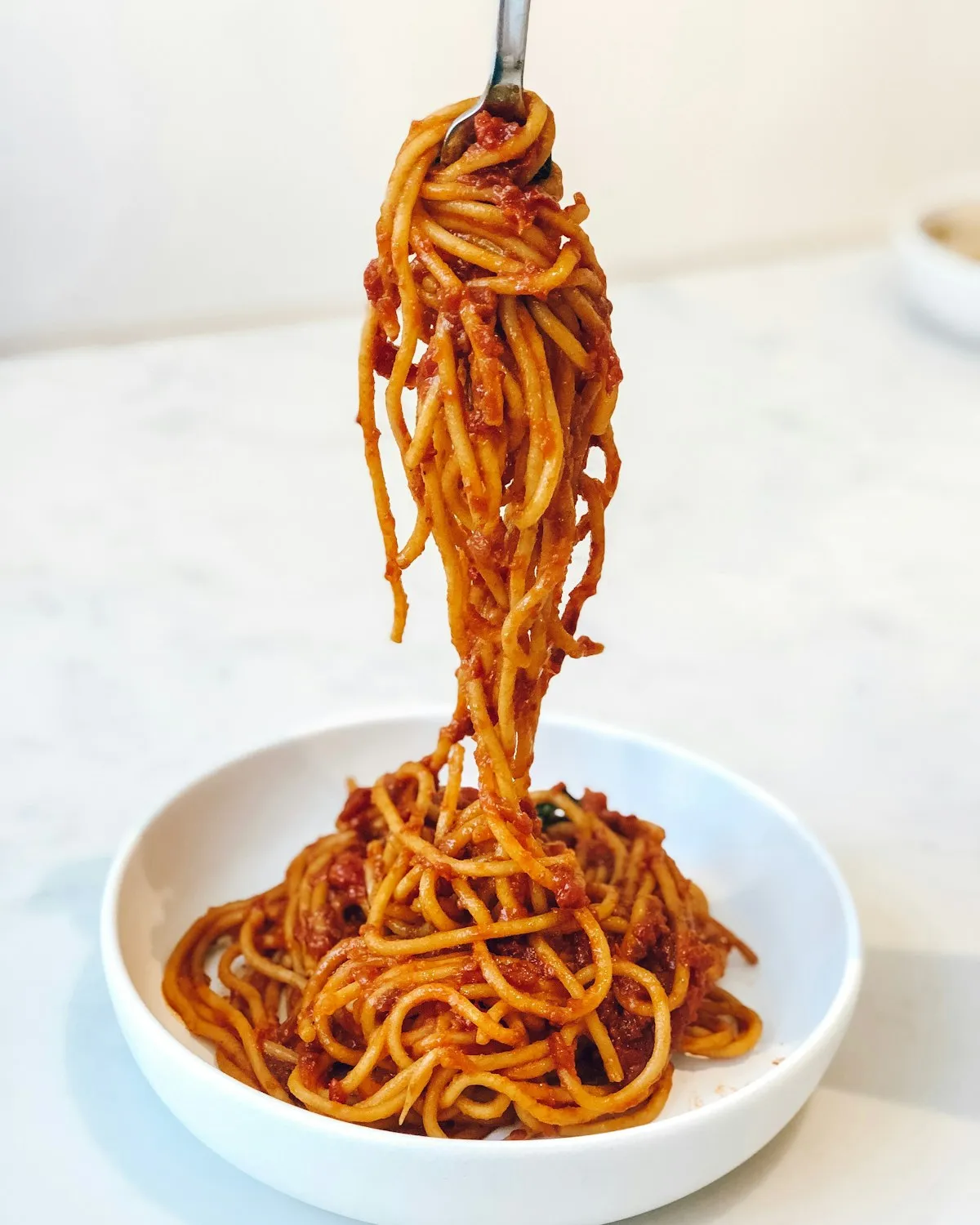
First, focus on your zucchini. Zucchini is roughly 95% water. If you just toss raw zucchini into your pasta, it will leak moisture as it cooks, turning your silky sauce into a watery soup. Use a box grater for the zucchini to maximize surface area, then sprinkle it with a little salt and let it sit for a few minutes while your pasta water boils. This process, called osmosis, draws the excess water out before it ever hits the pan. Squeeze the zucchini dry in a clean dish towel. You’ll be shocked at how much liquid comes out.
When it comes to the sauce, use the "pasta water gold." Starchy water from the pot is your best friend. Whisk the ricotta with a healthy splash of olive oil and some finely grated lemon zest in a separate bowl before adding it to the pan. Slowly whisk in a few tablespoons of that hot, starchy water until you have a glossy cream. This pre-emulsification stabilizes the ricotta. Always combine the sauce and the pasta off the heat. The residual heat from the noodles is more than enough to warm the cheese without breaking it.
If you’re looking for other ways to round out your weekly menu, remember that balance is key. While this pasta is stovetop-based, I often find that pairing these types of meals with air fryer recipes dinner options, like crispy chickpeas or roasted peppers, adds a much-needed textural contrast. Check your pantry for a good quality olive oil; since there are so few ingredients here, the quality of the fat really matters. Avoid the cheap, "light" oils and go for the robust, peppery extra virgin stuff.
Flavor Variations to Keep It Fresh
While the lemon-zucchini-ricotta trio is a classic, you can easily pivot this dish to suit your mood or what’s left in the crisper drawer. If you want to lean into more robust healthy dinner ideas, try adding a handful of toasted pine nuts or slivered almonds at the very end. The crunch cuts through the softness of the ricotta beautifully.
For those who crave a bit of heat, sauté a pinch of red chili flakes in the oil before you add the zucchini. The heat infuses the oil and carries that spice through every forkful of pasta. If you’re out of zucchini, you can substitute frozen peas or even very finely chopped kale. Just remember: if you use kale, sauté it a few minutes longer until it’s tender, as it doesn't have the high water content of the zucchini.
If you're cooking for a crowd that demands more protein, seared shrimp or shredded rotisserie chicken are excellent additions. Just keep the protein seasoned simply with salt and pepper so it doesn't compete with the delicate lemon. If you're a fan of the minimalist approach, you might also enjoy my one-pan cacio e pepe, which follows a similar "less is more" philosophy.
Perfect Side Dish Pairings
The richness of the ricotta and the zing of the lemon need a side dish that offers balance. I almost always serve this with a bitter green salad. Think arugula or radicchio tossed in a very simple vinaigrette of white balsamic and olive oil. The bitterness of the greens acts as a palate cleanser against the creamy pasta.
Another fantastic pairing is a tray of air fryer recipes dinner staples like charred asparagus or broccoli rabe. The smoky, slightly burnt edges of air-fried vegetables provide a deep, earthy counterpoint to the brightness of the lemon. If you have five extra minutes, toast some thick slices of sourdough and rub them with a raw garlic clove. It’s the ultimate soulful accompaniment for a 15-minute meal.
Troubleshooting & FAQ
What if my ricotta sauce turns out grainy?
This usually happens if the cheese was too cold when it hit the pan or if the heat was too high. To fix it, add another splash of hot pasta water and whisk vigorously off the heat. The starch and the heat will help re-emulsify the fats, though it might not be quite as smooth as if it were done perfectly the first time. Use full-fat ricotta for the best results; low-fat versions have more stabilizers and are more prone to graininess.
Can I make this ahead of time?
Ricotta pasta is best enjoyed immediately. As it sits, the pasta continues to absorb the moisture from the sauce, and the zucchini may eventually release more water, making the dish feel a bit "tight" or gummy. If you must reheat it, do so gently on the stove with a splash of water or milk to loosen the sauce back up.
Why is my zucchini so mushy?
You likely overcooked it or didn't squeeze out enough water. Zucchini only needs 2–3 minutes in the pan. You want it to be "al dente," just like your pasta. If you're looking for quick family meals that don't result in soggy veggies, the salting-and-squeezing step is non-negotiable. Don't skip it!
Is it okay to use bottled lemon juice?
In a pinch, yes, but I strongly advise against it. Bottled juice lacks the bright, floral notes of fresh lemon and often has a metallic aftertaste. Since we use both the zest and the juice in this recipe, a fresh lemon is essential for that signature "soulful" flavor profile.
Can I use a different pasta shape?
Absolutely. While I love fusilli or gemelli because the spirals "catch" the ricotta and zucchini bits, spaghetti or linguine work beautifully too. Just make sure you reserve that pasta water; long noodles need even more lubrication to stay silky and prevent clumping.
{“@type”:”BlogPosting”,”image”:”https://cdn.marblism.com/znDSWE_h-WG.webp”,”author”:{“name”:”Cookpedia”,”@type”:”Organization”},”@context”:”https://schema.org”,”headline”:”15-Minute Lemon Ricotta Zucchini Pasta”,”publisher”:{“logo”:{“url”:”https://cdn.marblism.com/r31hCYxu5lk.webp”,”@type”:”ImageObject”},”name”:”Cookpedia”,”@type”:”Organization”},”description”:”A minimalist and soulful 15-minute recipe for Lemon Ricotta Zucchini Pasta. Learn the science of the perfect ricotta emulsion and how to prevent watery zucchini.”,”datePublished”:”2026-06-14″,”mainEntityOfPage”:{“@id”:”https://cookpedia.com/15-minute-lemon-ricotta-zucchini-pasta”,”@type”:”WebPage”}}