Recipe
Servings
Servings 1×
Ingredients
- Salmon
- Greek yogurt
- Asparagus
- Garlic
- Lemon
- Lime
- Mustard
- Cream
- Butter
- Black pepper
Method
- Use enough heat to brown the exterior quickly, but avoid turning dinner into a smoke experiment.
- Start with the skin side if your fillet has skin.
- Use pressure briefly at the beginning if the fillet curls.
- Add it with intention, and keep the heat in check once it enters the pan.
- Lower the heat before building the sauce.
- Let the lemon mingle with the fond, then swirl in butter so the water phase and fat phase have a fighting chance to cooperate.
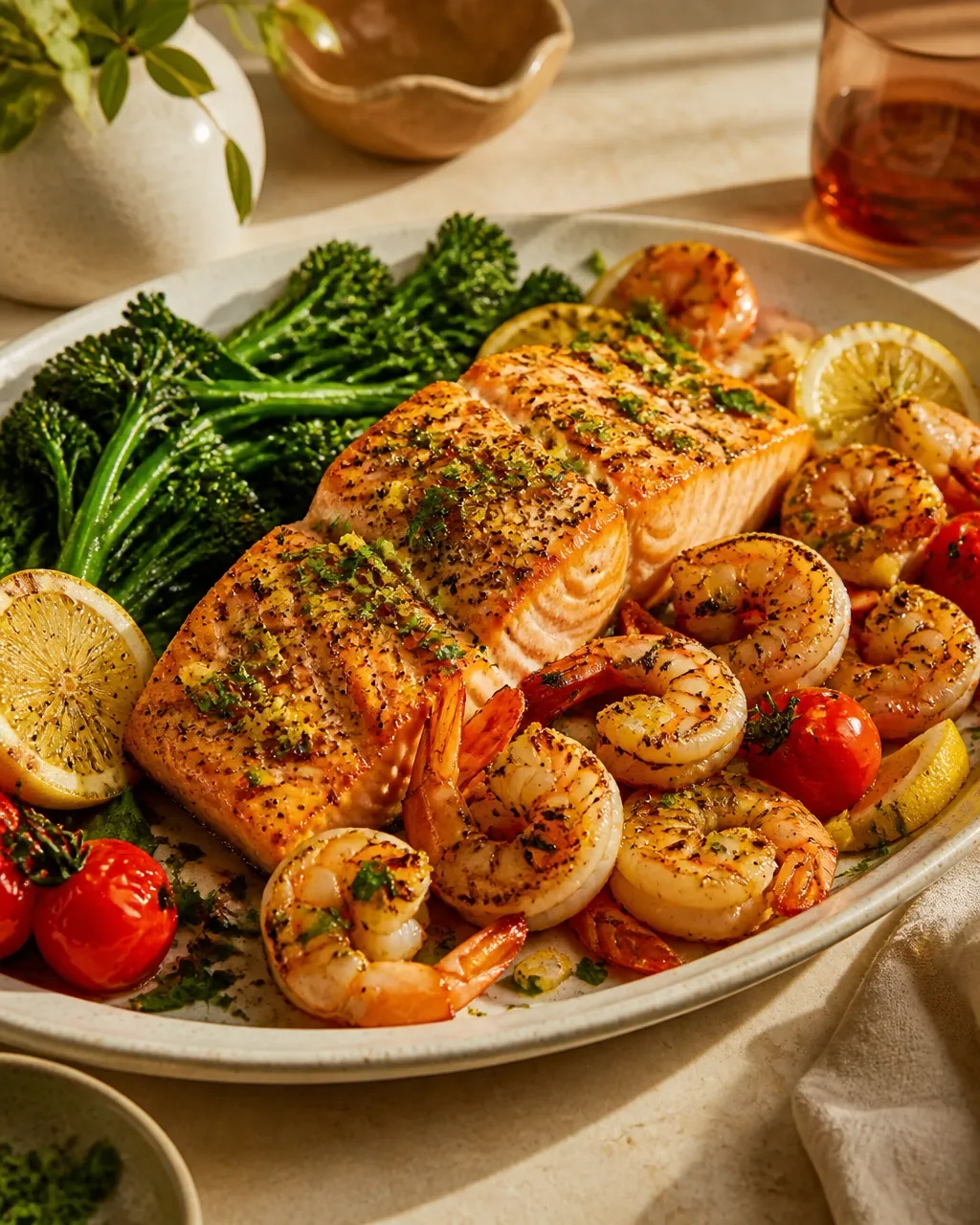
If you’ve ever stared at a beautiful piece of salmon and felt the sudden, paralyzing fear of turning it into a dry, rubbery brick, you aren't alone. We’ve all been there. But here’s the truth: the difference between a sad, grey fillet and a restaurant-quality sear is about twenty minutes and a little bit of kitchen science. This salmon-and-asparagus situation is built for busy nights when you want something that tastes impressive without behaving like a culinary hostage negotiation. It’s fast, bright, and exactly the kind of dinner that makes you look more organized than you actually are.
Protect the Good Fats: Heat, Timing, and Omega-3s
Moisture Control Still Rules Everything
If you want salmon that tastes rich instead of vaguely disappointing, start with surface moisture. Water on the outside of the fish slows browning because the pan has to evaporate that water before real searing can begin. That means your fillet sits there steaming, sulking, and giving up precious texture. Pat it dry well. Then pat it dry again like you mean it.
This matters for flavor, but it also matters for fat preservation. Salmon is loaded with omega-3 fatty acids, especially EPA and DHA, which are the stars of the nutritional show. These fats are delicate compared with more stable saturated fats. They do not appreciate prolonged, aggressive heat. The longer the fish lingers in the pan, the more likely you are to lose that soft, lush texture that makes salmon worth buying in the first place. Use enough heat to brown the exterior quickly, but avoid turning dinner into a smoke experiment.
Cook to Done, Not to Oblivion
Here’s the non-negotiable: do not overcook salmon. Omega-3s are still present after cooking, but texture and overall eating quality take a hit when you blast the fillet too hard or too long. A gentler approach helps preserve moisture, which is where a lot of your perception of richness lives. Once the proteins tighten too far, the fish starts pushing out albumin, that white stuff that looks like the salmon got stressed and started telling on you.
The goal is controlled heat and carryover cooking. Pull the fish when the center still looks slightly translucent and silky, not raw, just barely under your final target. Residual heat finishes the job without forcing the fats and juices out. Think of it as letting the fish coast to the finish line instead of sprinting face-first into dryness.
Crisp Skin, Tender Flesh
A hot pan is still essential, but the order of operations matters. Start with the skin side if your fillet has skin. That gives you two wins: better texture and a little insulation for the flesh. The skin takes the brunt of the direct heat while the interior cooks more gradually. This is one of the easiest ways to get contrast without wrecking the middle.
The science is simple and glorious. As the skin heats, collagen and subcutaneous fat begin to render. That rendered fat helps conduct heat and encourages browning, while the skin dries into something crackly and deeply savory. Meanwhile, the flesh above stays far more protected than it would if you started with the cut side down and left it there too long. Use pressure briefly at the beginning if the fillet curls. Avoid moving it around like you’re nervous. Let the crust form.
The Lemon-Garlic Factor
Lemon and garlic are not here just because they taste fancy. Lemon brings acidity, and acidity is the cleanup crew for rich foods. Salmon is naturally fatty in a good way, but your palate can get tired if every bite lands heavy. Acid brightens the whole thing and makes the fish feel lighter without making it less satisfying.
Garlic contributes sulfur compounds that mellow and sweeten as they cook, giving you depth without requiring a whole spice cabinet intervention. But don’t scorch it. Burnt garlic goes from fragrant to bitter in about five rude seconds. Add it with intention, and keep the heat in check once it enters the pan.
Butter Sauce Without the Greasy Breakdown
The sauce works best when you think of it as a quick emulsion, not just melted butter having a moment. Butter contains fat, water, and milk solids. Lemon juice adds more water and more acidity. If the pan is ripping hot, the emulsion can split and leave you with oily puddles instead of a glossy finish.
Lower the heat before building the sauce. Let the lemon mingle with the fond, then swirl in butter so the water phase and fat phase have a fighting chance to cooperate. The result is a sauce that clings to both salmon and asparagus instead of sliding off like it has somewhere else to be.
Asparagus Is Doing More Than Looking Pretty
Asparagus often gets treated like the sidekick here, but nutritionally it pulls its weight. It brings fiber, folate, vitamin K, and a respectable amount of antioxidant compounds to the pan. In plain English: it’s not decorative green confetti. It helps make this a genuinely balanced dinner.
Why Asparagus Loves Fast Cooking
Asparagus has a naturally sweet, grassy flavor with sulfur-containing compounds that become stronger the longer it cooks. That is why overcooked asparagus smells a little too enthusiastic. Quick cooking preserves its fresh flavor, keeps the stalks brighter in color, and helps maintain a tender-crisp texture instead of collapsing into mush.
There’s color science here too. The vibrant green comes from chlorophyll. Brief heat can intensify that green by softening cell walls, but prolonged cooking eventually dulls it into olive territory. Translation: don’t punish the asparagus. Cook it just until crisp-tender and glossy.
Fiber, Folate, and Balance on the Plate
Because salmon is rich, asparagus works best when it stays snappy and fresh-tasting. Its fiber adds structure to the meal and helps balance the buttery sauce. Folate supports cell function, vitamin K plays a role in bone health and blood clotting, and the vegetable’s overall water content gives the plate a cleaner, lighter feel. This is exactly why the pairing works so well for healthy dinner ideas that still feel like real food, not punishment.
Asparagus also contains prebiotic fiber, which means it can help feed beneficial gut bacteria. No, I’m not saying your weeknight dinner needs to become a microbiome TED Talk. I’m saying this vegetable brings more to the table than a polite crunch.
Thickness Matters More Than People Admit
Thin spears cook fast and can go limp in a blink. Thick spears hold up better in a skillet and give you a more satisfying bite next to flaky salmon. If your bunch is uneven, expect uneven texture. That’s not fate. That’s geometry. Keep the sizes relatively consistent so the stalks cook at the same pace.
And trim the woody ends. Always. Those bottoms are fibrous for a reason: the plant is literally supporting itself. Your jaw should not have to do construction work at dinner.
Smart Variations That Keep the Balance
The basic formula is strong: rich fish, sharp citrus, aromatic garlic, and green vegetables with some bite. Don’t mess with that balance unless you have a reason. Once you understand the structure, though, you can riff without turning the dish into chaos.
Try a Different Acid, but Keep the Brightness
Swap lemon for lime if you want a sharper, punchier finish. Use orange only if you also bring in something savory like mustard or extra black pepper, because sweet citrus can make the whole dish feel flatter if you’re not careful. The acid is there to cut richness, not disappear into the background wearing a fruit costume.
Change the Herbs, Not the Mission
Dill is classic with salmon for a reason: it adds freshness without overpowering the fish. Tarragon gives you a slightly anise-like edge that feels a little more grown-up. Chives keep things mild and clean. Add tender herbs at the end so their volatile oils stay fragrant instead of fading into the butter.
Add Briny or Salty Notes for Contrast
Capers, chopped olives, or even a tiny amount of anchovy can deepen the savory side of the dish. Use restraint. You want a bright, balanced finish, not a sodium ambush. These additions work especially well if you want the dinner to feel a bit more restaurant-ish while still fitting into the category of quick family meals.
Make It Creamier Without Making It Heavy
If you want a more luxurious sauce, stir in a spoonful of Greek yogurt or a splash of cream off the heat. Keep the lemon present so the sauce still tastes lively. Richness without acid gets clumsy fast. This is one of those healthy dinner ideas that stays satisfying precisely because the brightness keeps everything moving.
Side Dish Pairings That Actually Help
Because salmon is rich and the sauce is buttery, the best side dishes either absorb flavor or bring contrast. That’s the rule. Follow it and dinner feels complete. Ignore it and the whole plate can get weirdly heavy.
Use Creamy Sides to Catch the Sauce
Cauliflower mash, mashed white beans, or even simple rice work well because they give the lemon-garlic butter somewhere useful to go. A soft, mild base makes each bite feel more composed. This is especially handy if you’re serving hungry people who hear “fish for dinner” and immediately assume they’ll need a second dinner later.
Add Raw or Sharp Crunch
Pair the plate with an arugula salad, shaved fennel, or cucumber dressed with vinegar. Acidity cuts through the salmon’s richness, and crisp vegetables keep the meal from drifting into soft-on-soft territory. This is the kind of balancing move that makes easy skillet dinners feel smarter than they are.
Keep the Extras Simple
Skip heavily sweet sides or anything buried under cheese. You already have fat, acid, and savory depth on the plate. What you need now is freshness, crunch, or a neutral landing pad. That’s why this style of meal works so well alongside light salads and plain grains, and why it fits neatly into the world of air fryer recipes dinner inspiration even when you’re using a skillet tonight.
Frequently Asked Questions
What if I overcook the salmon a little?
It happens. If the fish goes a bit past ideal, the main loss is texture. The proteins tighten, moisture gets squeezed out, and the salmon feels drier and chalkier. The omega-3s do not magically vanish, but the luxurious mouthfeel absolutely takes a hit. Next time, pull the fillets slightly earlier and let carryover heat finish the job. That tiny bit of restraint is the difference between silky and regrettable.
Why does my salmon always stick to the pan?
Usually it’s one of three things: the pan wasn’t hot enough, the fish was too wet, or you tried to move it before the crust formed. Fish proteins will cling to metal at first, then release once browning has happened properly. Use a well-preheated pan, dry the fillets thoroughly, and stop poking at them every twelve seconds. Let the pan do its job.
What if I only have frozen salmon?
You can use it, but thaw it fully in the refrigerator first. Then dry it very well. Frozen fish often releases extra moisture as it cooks, which makes strong browning harder and can dilute the sauce. It’s still a solid option for quick family meals, just know the texture may be a little softer than with fresh salmon.
What if my asparagus turns mushy?
That’s a timing problem, not a vegetable conspiracy. Asparagus cooks quickly, especially thin spears. Add it later in the process so it stays bright and crisp-tender. Overcooked asparagus loses texture, color, and some of its fresh flavor, which is tragic because this dish depends on that contrast.
What if I want to keep the salmon as nutritious as possible?
Use moderate heat, avoid overcooking, and choose cooking methods that are fast rather than harsh. A hard sear followed by a short finish works better than prolonged high heat. Keep the sauce bright, not heavy, so the fish stays the star. This is one of those healthy dinner ideas where technique matters more than trendy labels.
Can I swap asparagus for another vegetable?
Yes, but choose vegetables that behave similarly in a hot pan. Green beans, broccolini, or zucchini can work well. You want something that can cook quickly and still provide a little snap. The whole dish relies on balancing rich salmon with a fresher, lighter element.
Can I make this for meal prep?
You can, though salmon is always best freshly cooked. If you’re prepping ahead, slightly undercook the fish so reheating doesn’t push it into dry territory. Store the sauce separately if possible, and keep the asparagus just crisp-tender so it doesn’t collapse by day two. This strategy works especially well if you’re building a lineup of healthy dinner ideas for the week.
Would this work as an air fryer version?
Yes, absolutely. An air fryer can cook salmon quickly with less hands-on effort, which is why fish often shows up in air fryer recipes dinner roundups. You’ll still want to watch the timing closely, because the circulating heat can take salmon from perfect to overdone faster than you’d think. If you go that route, build the lemon-garlic butter separately so you keep the sauce glossy and fresh.
For more inspiration on mastering the art of the 20-minute dinner, check out my full library of quick meals designed for real life.