Recipe
Servings
Servings 1×
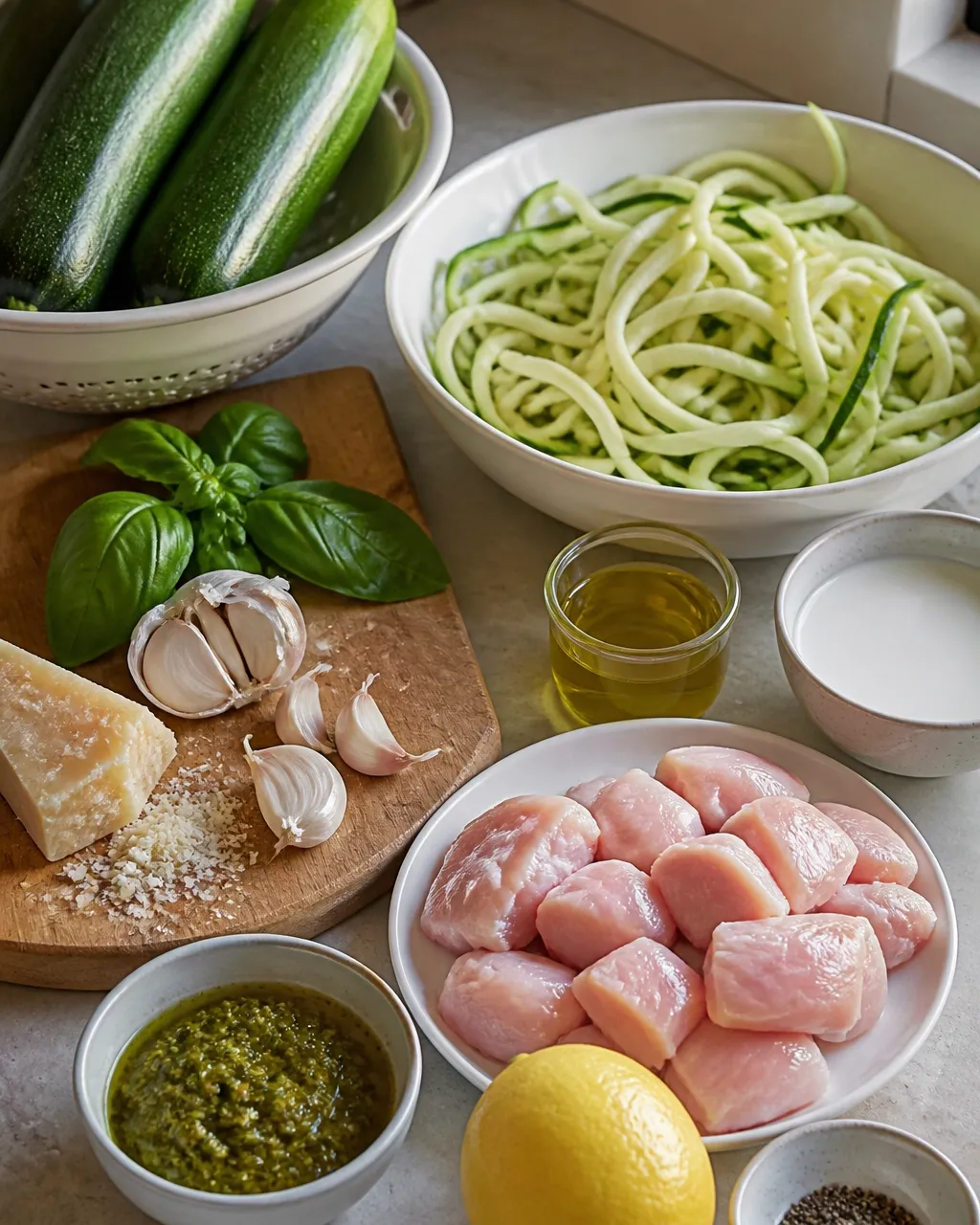
Ingredients
- Chicken
- Pasta
- Noodles
- Zucchini
- Spinach
- Garlic
- Lemon
- Pesto
- Cream
- Hard cheese
- Cooking oil
- Chili seasoning
- Salt
- Black pepper
Method
- Start by creating a little distance between the zucchini and the sauce.
- Use a wide skillet when cooking the noodles.
- Cook the noodles only until they become flexible but still have some bite.
- Keep the chicken separate from the zucchini at first.
- Cook the chicken until browned and cooked through, then check the thickest piece with a thermometer.
- Keep the heat moderate once the cream enters the pan.
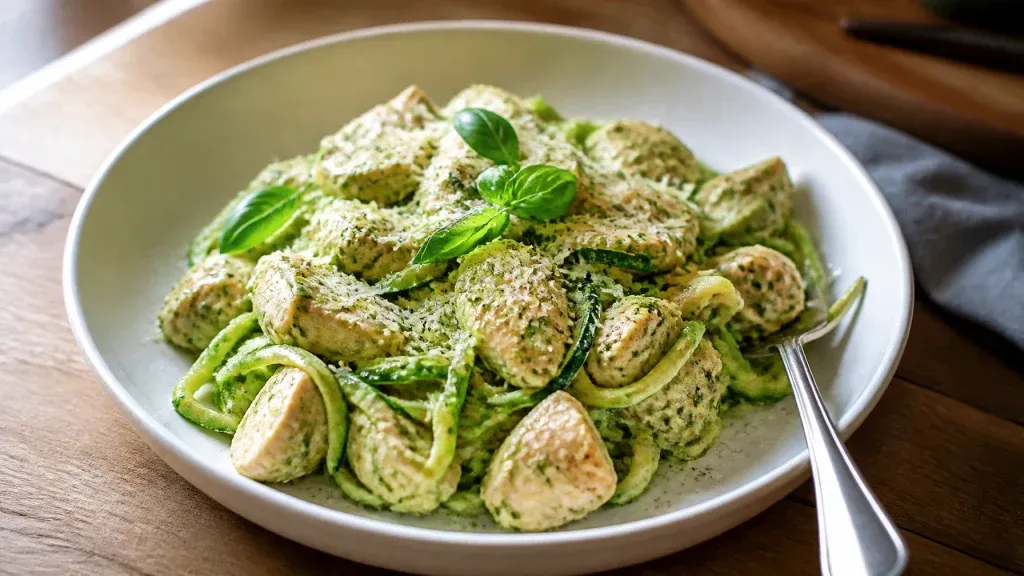
If you are new to keto cooking, start with a meal that feels familiar. These zucchini noodles with creamy pesto chicken deliver the comfort of pasta, the richness of a cream sauce, and plenty of savory chicken without relying on complicated techniques. I love this recipe for busy evenings because it cooks quickly, uses everyday ingredients, and teaches one important lesson: low-carb cooking is mostly about managing moisture, heat, and balance.
Why Zucchini Noodles Work: Moisture Is the Main Character
Zucchini noodles, or “zoodles,” are not pasta pretending to be zucchini. They contain far more water, which explains both their freshness and their tendency to turn soggy. Treat them like a delicate vegetable rather than a pot of dried noodles, and they will reward you.
Start by creating a little distance between the zucchini and the sauce. Salting the noodles briefly encourages some surface moisture to move out through osmosis. You do not need to dry them into cardboard; simply drain and pat them well. The goal is to remove enough water that the creamy pesto sauce stays creamy instead of becoming a green puddle.
Use a wide skillet when cooking the noodles. A crowded pan traps steam, while a spacious pan allows moisture to evaporate. That small bit of kitchen physics makes a noticeable difference. Cook the noodles only until they become flexible but still have some bite. Zucchini softens rapidly, and an extra few minutes can turn springy strands into a watery tangle.
Keep the chicken separate from the zucchini at first. Browning needs fairly high heat and a dry cooking surface. If you add the zucchini too early, its released water can cool the pan and prevent the chicken from developing that tasty golden crust. Cook the chicken until browned and cooked through, then check the thickest piece with a thermometer. The USDA safe-temperature chart recommends 165°F (74°C) for poultry.
Build the Sauce Through Emulsion, Not Boiling
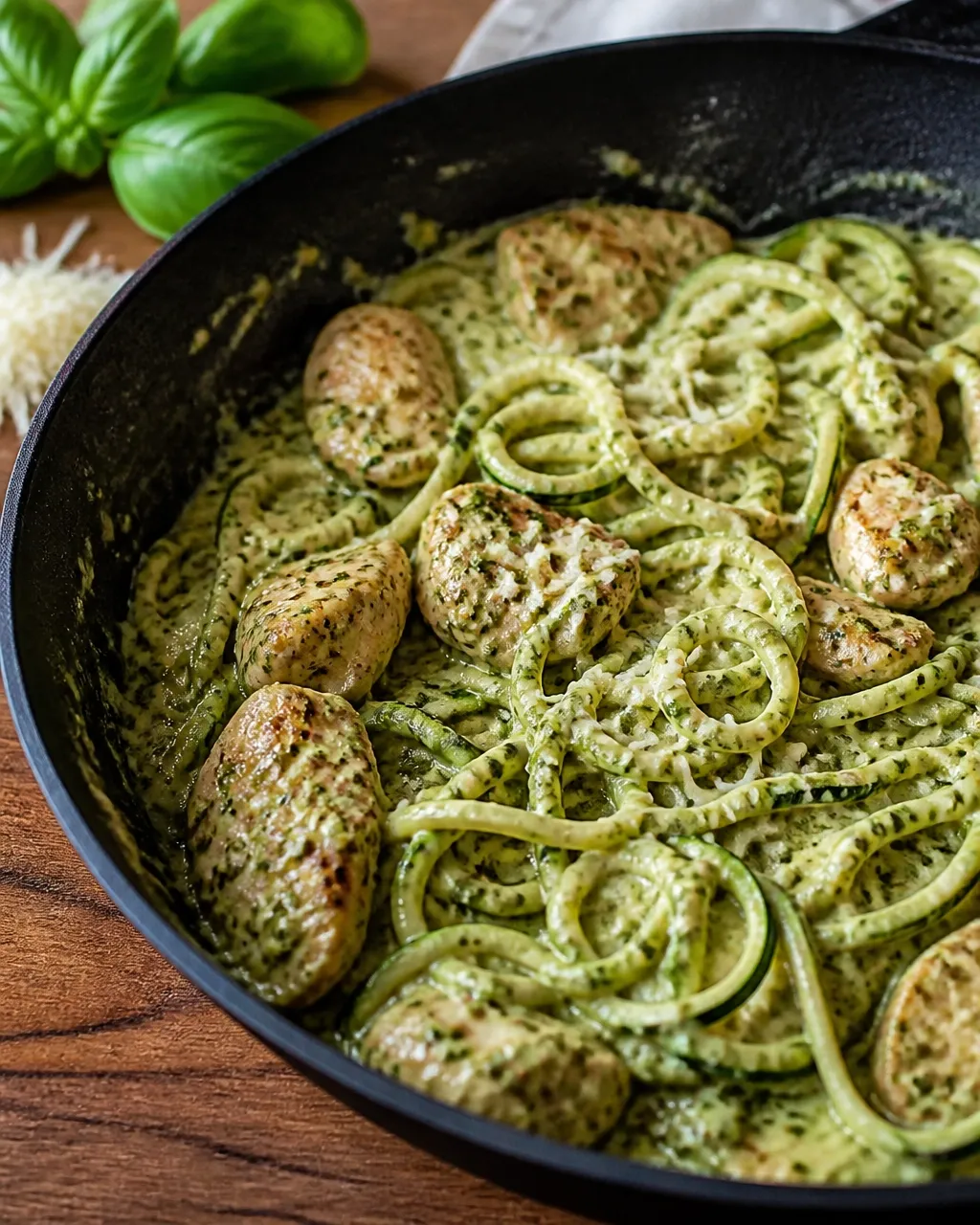
Creamy pesto sauce sounds effortless, but dairy sauces have a few non-negotiables. Keep the heat moderate once the cream enters the pan. A hard boil can cause the fat and liquid to separate, leaving you with a sauce that looks oily and slightly offended.
Gentle heat gives the dairy time to reduce and the cheese time to melt. Stir steadily as the sauce thickens. Parmesan contributes salt, fat, and savory depth, but it also needs enough warmth to melt smoothly. Add it gradually rather than dumping it into a raging skillet.
Pesto brings its own oil, herbs, garlic, and cheese, so add it after the cream has warmed and begun to thicken. This helps preserve the basil’s fresh flavor. Stirring pesto into aggressively boiling cream can flatten its aroma and make the sauce taste heavier than it needs to be.
Think of the sauce as an emulsion: tiny droplets of fat dispersed through a water-based liquid. Gentle heat and constant stirring help those components stay together. If the sauce becomes too thick, loosen it with a small splash of liquid. If it looks thin, give it another minute over low heat before adding the noodles.
For more guidance on keeping zucchini noodles firm, compare the techniques in this Keto Diet App zucchini-noodle guide. The method is simple: remove excess moisture, use brief cooking, and add sauce at the end.
Balance Richness with Brightness
Cream, pesto, parmesan, and chicken create a rich combination. Delicious? Absolutely. But richness needs contrast. A little lemon juice or zest can brighten the sauce and keep each bite from feeling too heavy. Add it carefully near the end, because too much acidity can make dairy sauces look grainy.
Use black pepper for gentle heat and a few chili flakes if you like more lift. Fresh basil adds aroma, while a small amount of grated parmesan reinforces the savory flavor. You do not need every garnish in the herb garden. Choose one or two accents and let the pesto do its job.
If you enjoy simple chicken techniques, keep the Cookpedia creamy garlic chicken with spinach in your weeknight rotation too. It uses the same useful idea: build flavor in the pan, then let a creamy sauce bring everything together.
Variations for Different Keto Moods
Make It Dairy-Free
Replace the cream with an unsweetened dairy-free alternative that behaves well when heated, and choose a dairy-free pesto. Check the label carefully for added sugar or starch. The sauce may be lighter, so use a little more olive oil or blended nuts for body.
Use Shrimp Instead of Chicken
Shrimp cooks quickly and pairs naturally with basil, garlic, and lemon. Sear it briefly, remove it from the pan, and return it only when the sauce is ready. Overcooked shrimp become rubbery because their proteins tighten quickly. Nobody wants seafood with the texture of a pencil eraser.
Add Greens
Fold in a handful of baby spinach or arugula just before serving. Spinach wilts gently into the warm sauce, while arugula adds a peppery edge. Both options bring contrast without adding a starchy side.
Turn Up the Vegetables
Add sautéed mushrooms, asparagus pieces, or roasted broccoli. Cook water-heavy vegetables separately when possible, then combine them at the end. This preserves their texture and prevents the pesto sauce from becoming diluted.
Make It Spicier
Add crushed red pepper, a pinch of smoked paprika, or a spoonful of chopped pickled jalapeños. Pickled ingredients are especially useful because their acidity cuts through the creamy sauce while their heat stays bright.
Side Dish Pairings That Keep the Plate Balanced
Serve this dish with something crisp, fresh, or lightly acidic. An arugula salad with cucumber, lemon, and a simple olive-oil dressing is an excellent match because its peppery greens and sharp dressing cut through the creamy sauce.
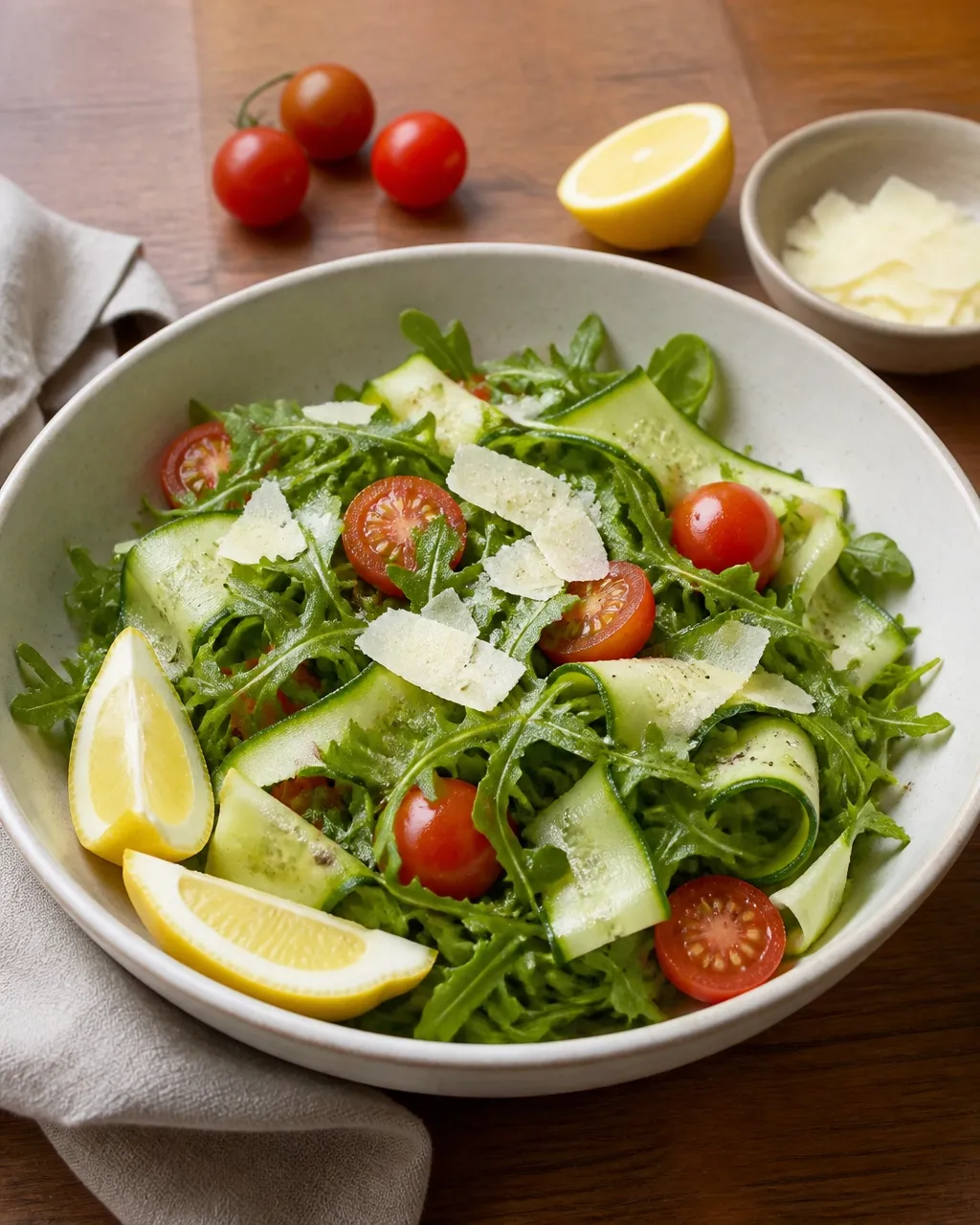
Roasted asparagus works well when you want a warm side. Its slight bitterness balances pesto’s richness, while its firm texture contrasts with the soft zucchini. Steamed broccoli is another practical choice, especially when you are feeding a family and want a reliable vegetable on the table.
Skip heavy sides such as cauliflower mash with extra cream or cheese-heavy casseroles unless you are intentionally planning a very rich meal. Keto does not mean every item needs to be creamy. Build contrast, and dinner will taste more satisfying.
Frequently Asked Questions
Are zucchini noodles suitable for beginners following keto?
They can be a useful low-carb alternative to wheat pasta, but the full meal still depends on the sauce and toppings. Pesto, cream, cheese, and packaged seasonings can contain varying amounts of carbohydrates. Read labels, especially for prepared pesto, and track portions if you are following a strict carbohydrate target.
Why did my zucchini noodles become watery?
They probably released moisture into the pan or sauce. Salt and drain them briefly before cooking, pat them dry, and use a wide skillet. Most importantly, avoid simmering them in the sauce for a long time. Quick cooking preserves texture and limits additional water release.
Can I skip salting the zucchini?
Yes, particularly if you are cooking a small amount and serving immediately. Salting is a texture-control technique, not a sacred ceremony. Use it when your zucchini is especially large, watery, or freshly spiralized well ahead of dinner. Always pat the noodles dry afterward so the sauce does not become diluted.
Why did my creamy pesto sauce separate?
The pan was likely too hot, or the sauce boiled too vigorously. Lower the heat and whisk in a small splash of liquid to encourage the emulsion to come back together. Add cheese gradually and avoid leaving the sauce unattended. Cream sauces appreciate calm cooking, which is more than I can say for some weekday cooks.
Can I prepare this meal ahead of time?
Prepare the chicken and sauce ahead, but keep the zucchini noodles separate. Refrigerate cooked food promptly and use chicken leftovers within three to four days. Reheat leftovers to 165°F (74°C), following USDA guidance. Warm the sauce gently, then cook or add the zucchini noodles shortly before serving.
Can I use jarred pesto?
Absolutely. Jarred pesto is one of the reasons this meal belongs among practical quick family meals. Check the label for added sugars, starches, or unexpected fillers if you are tracking carbs. Taste before adding extra salt because pesto and parmesan can already bring plenty.
Is this a complete dinner?
It provides protein, vegetables, and fat, but individual nutrition needs vary. Add a fresh side salad or another non-starchy vegetable if you want a larger plate. If you are new to keto or managing a medical condition, consult a qualified healthcare professional for personalized guidance rather than letting the internet boss your dinner around.
What if I do not own a spiralizer?
Use a julienne peeler, vegetable peeler, or simply cut zucchini into thin ribbons with a sharp knife. The shape will change, but the cooking principle stays the same: keep the pieces fairly even, cook them briefly, and prevent excess water from overwhelming the sauce.
Once you understand the moisture and heat principles, this recipe becomes much more than one dinner. It becomes a dependable template for healthy dinner ideas: choose a quick-cooking protein, add a low-starch vegetable, build a sauce with controlled heat, and finish with acidity. That is the beginner keto strategy I would use again and again.