Recipe
Servings
Servings 1×
Ingredients
- Lentils
- Pasta
- Noodles
- Tomatoes
- Onion
- Garlic
- Lemon
- Cooking oil
Method
- Keep a pot, a wooden spoon, and a little patience nearby.
- Brown and green lentils are the route to a more rustic, textured sauce.
- Let the tomatoes add brightness while the lentils provide richness and structure.
- Give them more gentle simmering time and add liquid gradually.
- Brown your onion slowly enough for it to soften and sweeten.
- Add garlic and dried herbs when the onion is nearly ready so they release their aroma without burning.
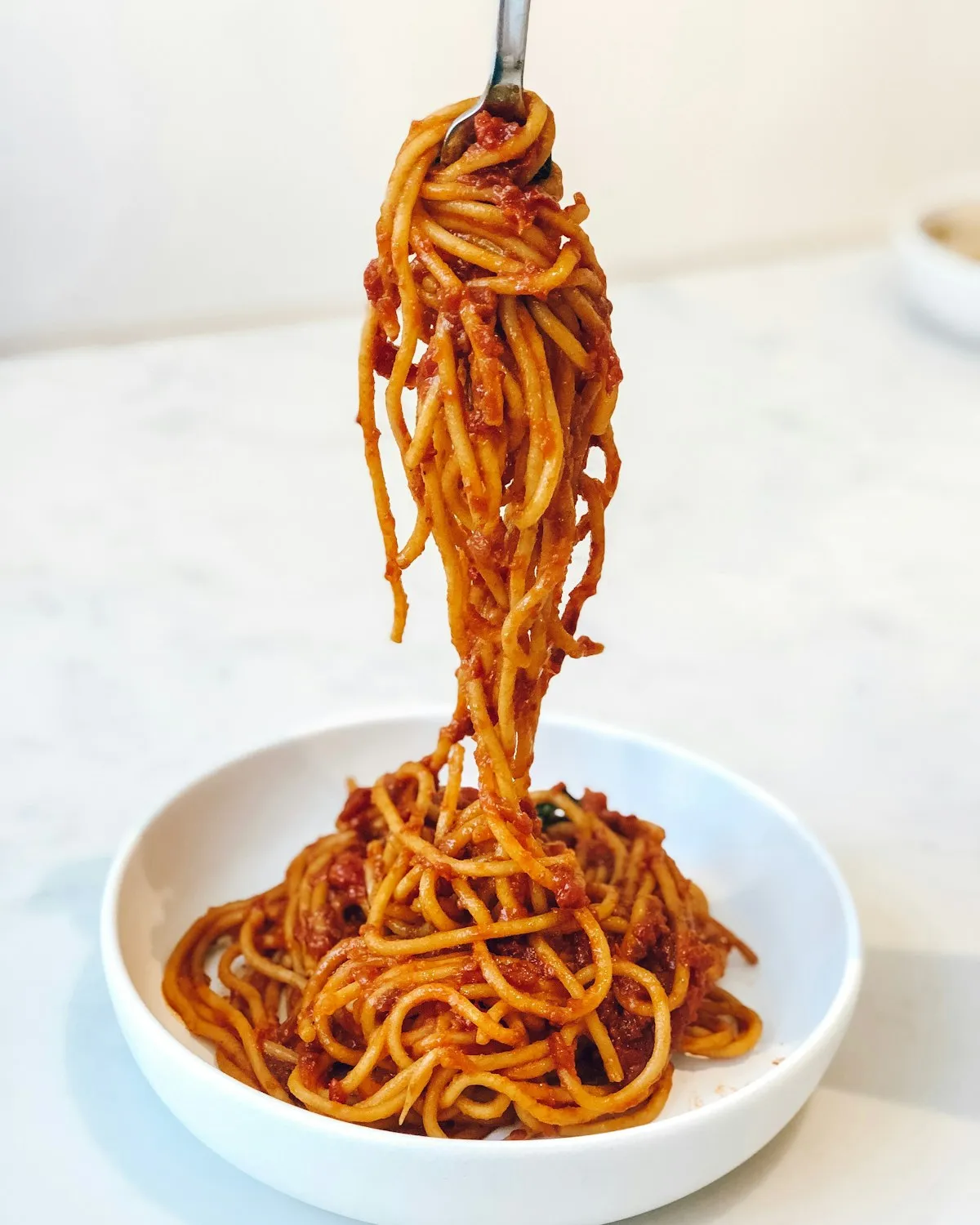
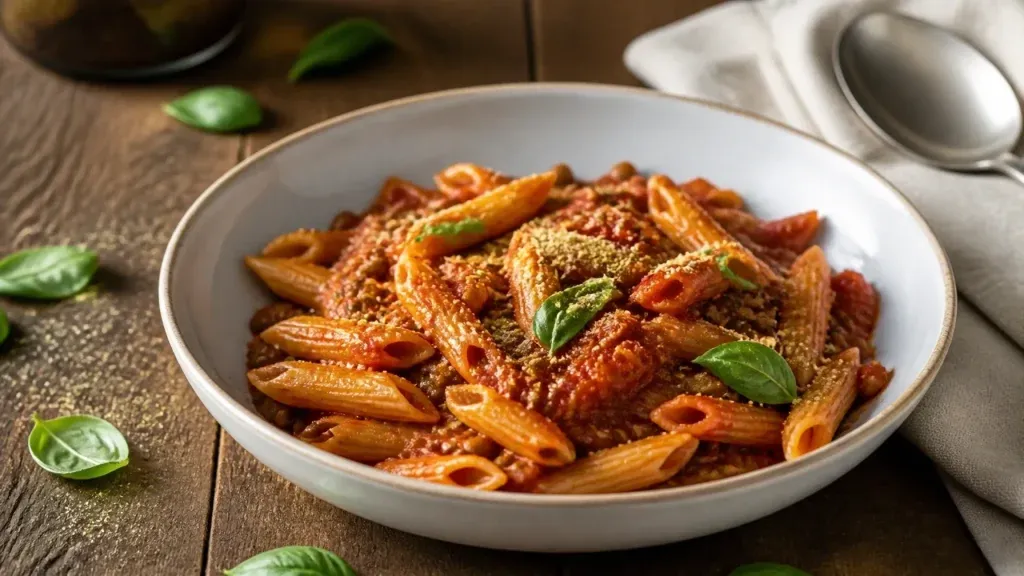
When the pantry looks sparse and your dinner budget needs a little kindness, make creamy tomato lentil pasta. It is hearty, saucy, protein-rich, and built from humble ingredients that work much harder than their price tags suggest. The best part? You get a creamy finish without relying on a mountain of dairy. Keep a pot, a wooden spoon, and a little patience nearby. Dinner is about to become wonderfully sensible.
Tips & Technique: Make Lentils and Pasta Do the Heavy Lifting
Choose the Right Lentil for the Texture
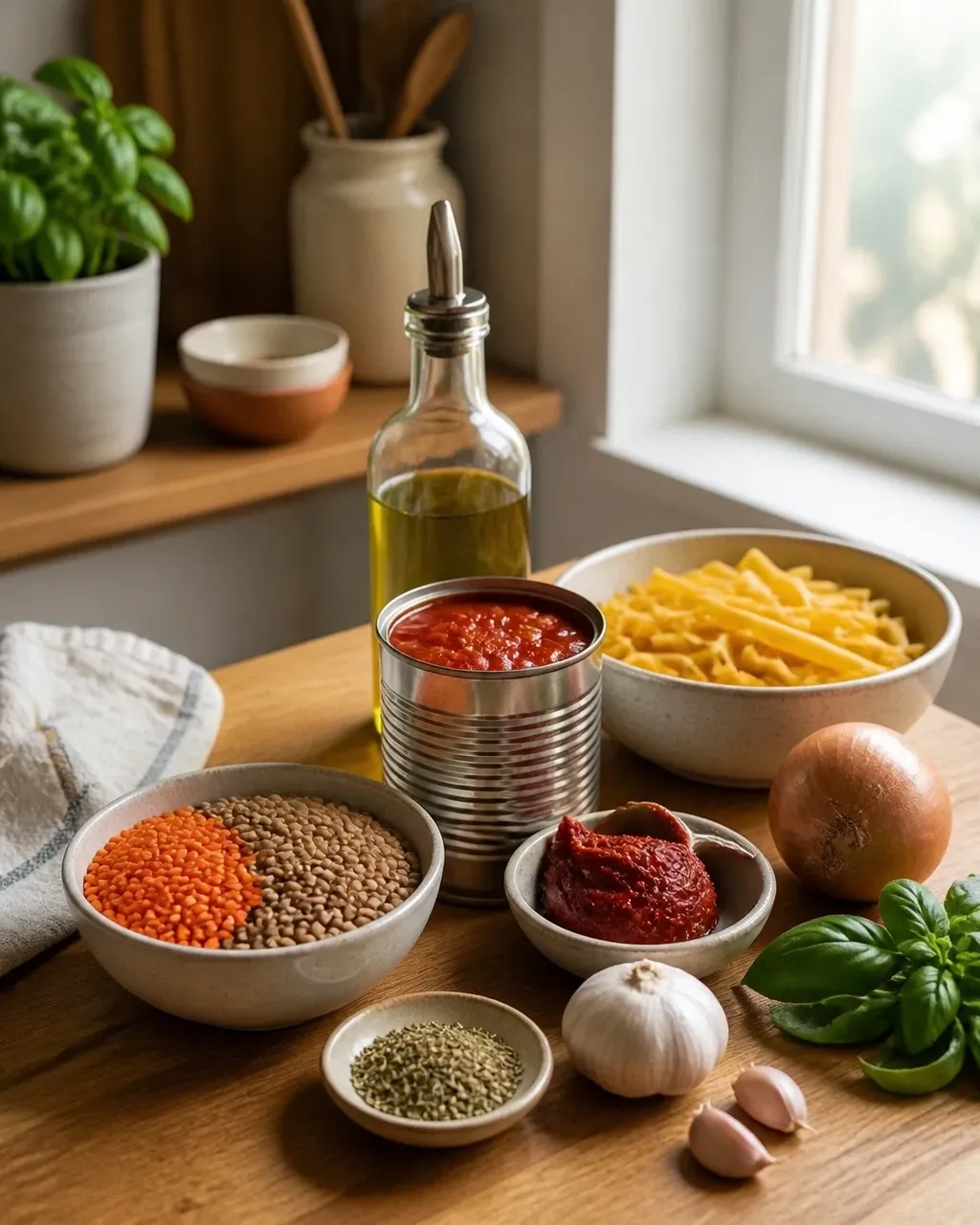
Choose red lentils when you want the sauce to become thick, smooth, and almost velvety. Red lentils lose their shape as they cook, so they naturally help create a creamy base without a blender doing all the work.
Choose brown or green lentils when you prefer little bites of texture throughout the sauce. These varieties hold their shape better and give the pasta more chew and substance. They may need a little more cooking time, so match them with a pasta shape that can handle a longer simmer.
Do not treat all lentils as interchangeable without adjusting your expectations. Red lentils are the quick route to creaminess. Brown and green lentils are the route to a more rustic, textured sauce.
Respect Tomato Acidity
Tomatoes are naturally acidic, and that acidity affects how legumes soften. An acidic cooking environment can slow the breakdown of lentil skins, helping brown and green lentils stay pleasantly distinct rather than collapsing immediately.
That is useful here. You want the sauce to have body, but you do not necessarily want every lentil to disappear. Let the tomatoes add brightness while the lentils provide richness and structure.
If your lentils remain firmer than expected, do not panic and do not crank the heat into volcanic territory. Give them more gentle simmering time and add liquid gradually. High heat can reduce the sauce before the lentils are tender, leaving you with a thick pot of very determined legumes.
Build Flavor Before You Build Creaminess
Brown your onion slowly enough for it to soften and sweeten. Add garlic and dried herbs when the onion is nearly ready so they release their aroma without burning. If you use tomato paste, let it cook briefly against the pan before adding the wetter ingredients. This deepens its savory flavor and takes away the raw, tinny edge.
This small pause matters. Tomato paste contains concentrated sugars and amino acids that develop more complex flavors when heated. You are creating depth before the lentils and pasta arrive, which is exactly how inexpensive pantry ingredients start tasting like a proper dinner rather than an emergency meal.
Scrape up any browned bits from the bottom of the pan as the tomato mixture loosens them. Those bits are concentrated flavor. Leave them behind and you are voluntarily abandoning the best part of the pot.
Use Pasta Starch as Your Creamy Shortcut
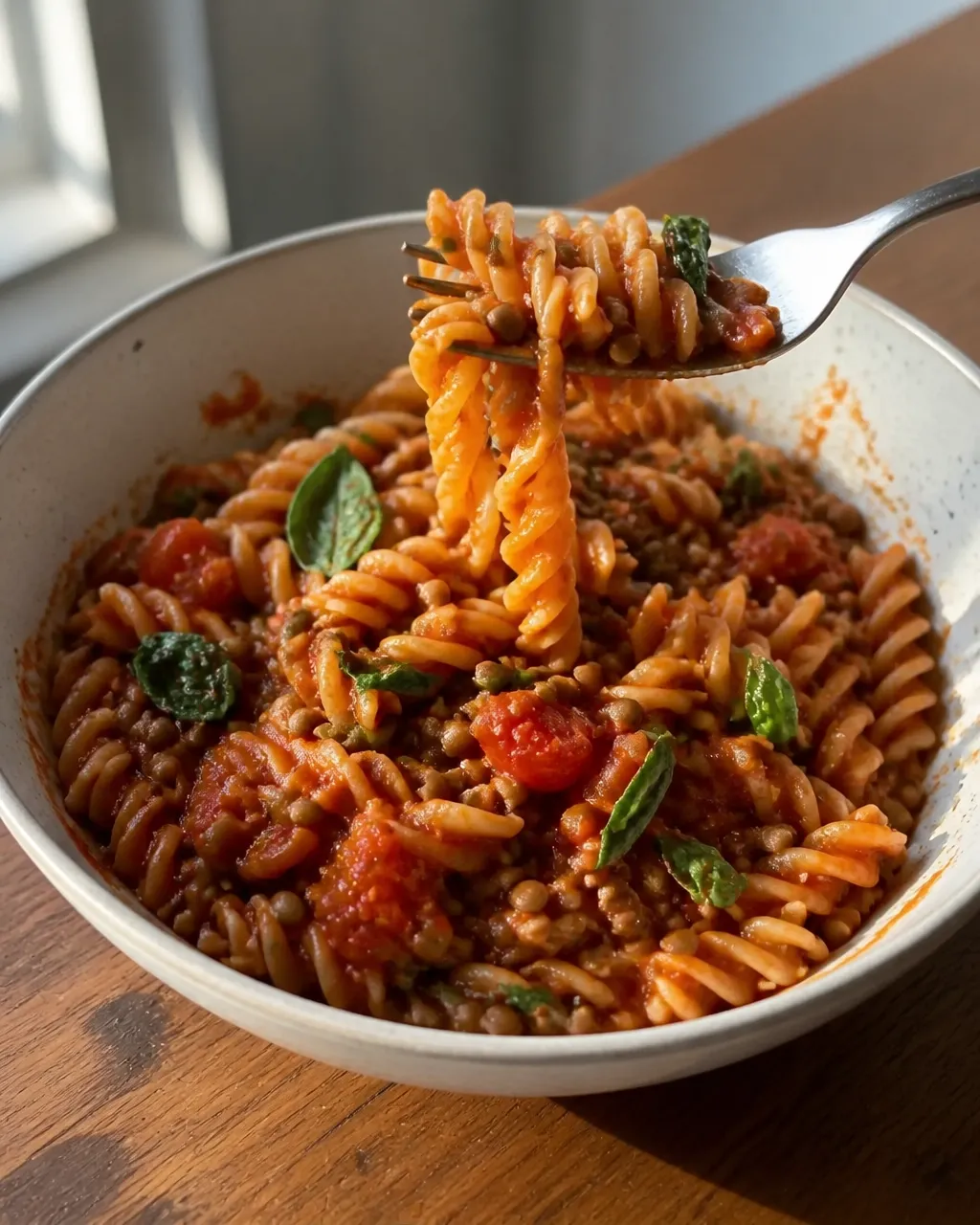
Pasta water is not magic, but it is very useful chemistry. As pasta cooks, it releases starch into the surrounding water. That starch thickens the liquid and helps it cling to the noodles, creating a smoother sauce with better coating power.
For the creamiest result, avoid drowning the pasta in a huge volume of water when you are cooking it with the sauce. Keep the liquid controlled and stir often. A concentrated, starchy cooking environment gives the sauce more body.
If you cook the pasta separately, reserve some of its cooking water before draining. Add it gradually while tossing the pasta with the lentil sauce. Add too much at once and you will make soup. Add it little by little and you can adjust the texture with far more control.
Think of the final toss as an emulsion. Water-based tomato sauce, olive oil, and starch need movement to combine smoothly. Stir, toss, and keep the heat gentle. You are not merely mixing dinner; you are persuading separate ingredients to cooperate.
Blend Part of the Sauce, Not Necessarily All of It
Blend a portion of the cooked tomato-lentil mixture if you want a creamy texture with some rustic texture left behind. Puréeing breaks down lentils and tomato solids, releasing starch and creating a thicker, more cohesive sauce.
Avoid blending the entire pot unless you specifically want a smooth sauce. A completely uniform purée can be pleasant, but leaving some lentils whole makes the dish feel more substantial and gives each bite a little variation.
Use an immersion blender carefully if the sauce is hot. Keep the blade below the surface to prevent splattering, and remove the pot from direct heat while blending. Tomato sauce has excellent flavor but poor manners when launched across a clean shirt.
Balance Richness with Acidity
Creaminess can make a sauce feel heavy if the flavor is not balanced. Taste near the end and check whether the tomatoes seem sharp, flat, or overly sweet. A small splash of vinegar or lemon can brighten the dish, while a pinch of sugar can soften an especially tart batch of canned tomatoes.
Add these adjustments gradually. Acidity should make the sauce taste more alive, not announce itself as a separate ingredient. The goal is contrast: earthy lentils, savory aromatics, rich sauce, and a clean finish.
For more simple vegetarian inspiration, browse Cookpedia’s vegetarian dinner recipes. You will find plenty of practical ways to turn affordable ingredients into satisfying meals.
Variations: Keep the Formula, Change the Personality
Make It Completely Plant-Based
Keep the sauce dairy-free by relying on blended lentils and pasta starch for creaminess. Add nutritional yeast for a savory, cheesy note, or stir in a spoonful of unsweetened plant cream at the end. Choose a neutral plant milk if you need to loosen the sauce, but avoid sweetened varieties unless you enjoy dessert pasta. I admire your confidence, but I cannot endorse it.
Add Greens
Fold in spinach, chopped kale, or leftover roasted vegetables near the end. Add delicate greens late so they stay fresh-tasting and retain some color. Add sturdier greens earlier, giving them enough time to soften.
Use vegetables that are already in your refrigerator. A small amount of wilted spinach, grated zucchini, or chopped broccoli can stretch the meal without changing its comforting character.
Turn Up the Heat
Add chili flakes with the dried herbs so the warmth infuses into the cooking fat. For a smoky version, use a little smoked paprika. For a deeper Mediterranean-style flavor, add olives or a few chopped roasted peppers.
Choose a Different Pasta Shape
Use penne, fusilli, shells, or macaroni. Ridged and twisted shapes hold thick lentil sauce especially well, while small shells catch little pockets of tomato and lentil goodness. Use what is already in the cupboard. Budget cooking does not require a pasta-shape loyalty oath.
If you enjoy efficient cooking, pair this dish with ideas from Cookpedia’s one-pot meals collection.
Side Dish Pairings: Add Contrast, Not Competition
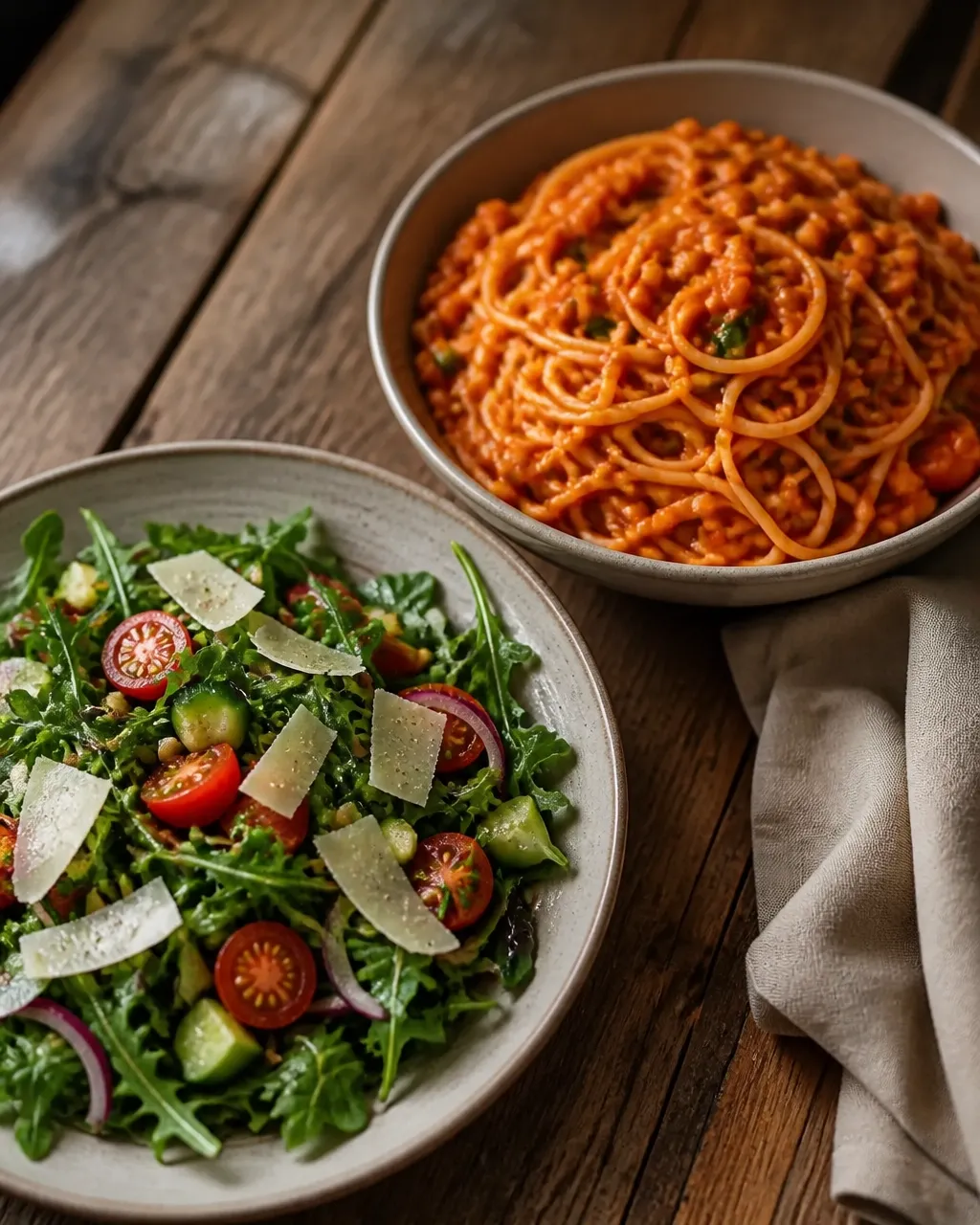
Serve this pasta with something crisp, fresh, or acidic. A simple arugula salad with lemon dressing works beautifully because the greens bring gentle bitterness and the lemon cuts through the creamy sauce. Cucumber, shaved cabbage, or sliced radishes add a refreshing crunch.
Roast or air-fry broccoli, green beans, or asparagus for a smoky edge. These air fryer recipes dinner ideas make especially good sides when you want the oven left alone.
Add crusty bread if you want maximum sauce-mopping potential. Keep it simple: the pasta already brings plenty of richness and comfort. A sharp salad and one warm vegetable are enough to make the meal feel complete.
Frequently Asked Questions
Can I use canned lentils instead of dried lentils?
Yes. Canned lentils are convenient and already tender, so add them after the tomato sauce has developed its flavor. They do not need a long simmer. Warm them gently, then blend part of the sauce if you want a creamier texture.
Because canned lentils contain extra moisture and sometimes added salt, taste before seasoning heavily. Reduce the sauce slightly if it feels thin, and rinse the lentils if you want a cleaner, less briny flavor.
Why are my lentils still firm?
Tomato acidity may be slowing the softening process, especially if you are using brown or green lentils. Older lentils can also take longer to cook. Continue simmering gently and add more water or stock if the sauce is becoming too thick.
Do not add more dry pasta while waiting for the lentils to soften. The pasta may overcook before the lentils are ready. For a faster result next time, use red lentils or cook the lentils until nearly tender before combining them with the tomato base.
What if the sauce is too thick?
Loosen it with warm water, vegetable stock, or reserved pasta water. Add a small splash at a time while stirring. Pasta and lentils continue absorbing liquid as they stand, so aim for a sauce that looks slightly looser than your ideal serving texture.
Avoid adding a large amount of cold liquid. It can cool the pot suddenly and make it harder for the sauce to emulsify smoothly. Warm liquid keeps the cooking process steady.
What if the sauce is watery?
Simmer it uncovered for a few minutes so excess water can evaporate. Stir frequently to keep the pasta from sticking and to encourage the starch to thicken the sauce.
If the pasta is already perfectly cooked, remove it from the pot while you reduce the sauce separately. Otherwise, the noodles may become soft and lose their structure. Return the pasta to the thickened sauce just before serving.
Can I make this ahead of time?
Yes, but expect the pasta to absorb more sauce as it cools. Store leftovers in a sealed container and reheat them gently with a splash of water or stock. Stir as the sauce loosens.
Avoid blasting the pasta over high heat. Rapid reheating can make the sauce tighten and the noodles turn soft before the center is hot. Use moderate heat and refresh the texture gradually.
Can I freeze creamy tomato lentil pasta?
You can, although the pasta texture may soften after thawing. Freeze the sauce separately when possible and cook fresh pasta when you are ready to serve. The lentil-tomato sauce freezes more successfully because it does not continue absorbing liquid in the same way.
If you freeze the finished dish, cool it promptly, portion it into airtight containers, and thaw it in the refrigerator. Reheat gently with extra liquid and adjust the seasoning after warming.
How do I make this meal more filling?
Use a generous portion of lentils, add greens or roasted vegetables, and serve the pasta with a crisp salad. Lentils contribute plant protein and fiber, while pasta provides satisfying carbohydrates. That combination makes this one of my favorite healthy dinner ideas for a filling, affordable evening meal.
Most importantly, serve it warm and season it properly. Even the best budget ingredients need enough salt, acidity, and cooking time to taste their best. Follow those non-negotiables and you will have one of the most reliable quick family meals in your weeknight rotation.
{“@type”:”BlogPosting”,”image”:”https://cdn.marblism.com/wwVscA-I973.webp”,”author”:{“name”:”Penny”,”@type”:”Person”,”jobTitle”:”AI Blog Writer”,”affiliation”:{“name”:”Cookpedia”,”@type”:”Organization”}},”@context”:”https://schema.org”,”headline”:”Budget-Friendly Recipes: Creamy Tomato Lentil Pasta”,”publisher”:{“url”:”https://cookpedia.com”,”name”:”Cookpedia”,”@type”:”Organization”},”mainEntity”:{“@type”:”FAQPage”,”mainEntity”:[{“name”:”Can I use canned lentils instead of dried lentils?”,”@type”:”Question”,”acceptedAnswer”:{“text”:”Yes. Add canned lentils after the tomato sauce has developed its flavor, warm them gently, and blend part of the sauce if you want a creamier texture.”,”@type”:”Answer”}},{“name”:”Why are my lentils still firm?”,”@type”:”Question”,”acceptedAnswer”:{“text”:”Tomato acidity, older lentils, or the lentil variety can slow cooking. Continue simmering gently and add liquid as needed. Red lentils cook faster than brown or green lentils.”,”@type”:”Answer”}},{“name”:”What if the sauce is too thick?”,”@type”:”Question”,”acceptedAnswer”:{“text”:”Add warm water, vegetable stock, or reserved pasta water a small splash at a time while stirring.”,”@type”:”Answer”}},{“name”:”What if the sauce is watery?”,”@type”:”Question”,”acceptedAnswer”:{“text”:”Simmer the sauce uncovered so excess water can evaporate. Stir frequently, and remove perfectly cooked pasta from the pot if the sauce needs more reduction.”,”@type”:”Answer”}},{“name”:”Can I make this ahead of time?”,”@type”:”Question”,”acceptedAnswer”:{“text”:”Yes. Reheat leftovers gently with a splash of water or stock because the pasta will absorb sauce as it sits.”,”@type”:”Answer”}}]},”description”:”Learn how to make creamy tomato lentil pasta using affordable pantry ingredients, blended lentils, and pasta starch for a rich, satisfying sauce.”,”datePublished”:”2026-08-19″,”articleSection”:”Budget-Friendly Recipes”}