Recipe
Servings
Servings 1×
Ingredients
- Chicken
- Shrimp
- Pasta
- Rice
- Eggs
- Cauliflower
- Broccoli
- Zucchini
- Mushrooms
- Lemon
- Pesto
- Cream
- Hard cheese
- Butter
- Cooking oil
- Salt
- Black pepper
Method
- Use a clean kitchen towel or a nut-milk bag to wring out every possible drop of moisture from your cauliflower before it hits the pan.
- Keep your heat on low-to-medium.
- Use a heavy-bottomed skillet to ensure even heat distribution.
- Stir continuously, this mechanical action helps the fat droplets stay suspended in the liquid.
- Stir the cheese in off the heat or on the lowest possible setting to let it melt gently into the sauce.
- Pat your chicken dry with paper towels before it hits the pan.
If you have ever felt like the keto lifestyle was just a never-ending cycle of plain eggs and bacon, I am here to rescue your palate. You don't have to sacrifice the "soul" of your favorite comfort foods just to keep your macros in check. Today, I am showing you how to master a Keto Chicken Alfredo with broccoli and cauliflower rice that tastes so decadent you'll forget it’s actually fuel for your fat-burning fire. This is one of those healthy dinner ideas that proves simple ingredients, when treated with a bit of scientific respect, create absolute magic on the plate.
The Science of the Skillet: Moisture and Emulsion
Making a great keto Alfredo is less about following a recipe and more about managing two physical properties: moisture and emulsion. If you’ve ever had a "keto" sauce turn into a watery puddle or a grainy mess, you likely skipped one of these non-negotiable techniques.
The Great Cauliflower Squeeze
The biggest mistake beginners make is treating cauliflower rice like grain-based rice. Cauliflower is approximately 92% water. If you simply throw it into a pan with cream, that water will leak out as the vegetable's cells rupture under heat, turning your rich Alfredo into a thin soup.
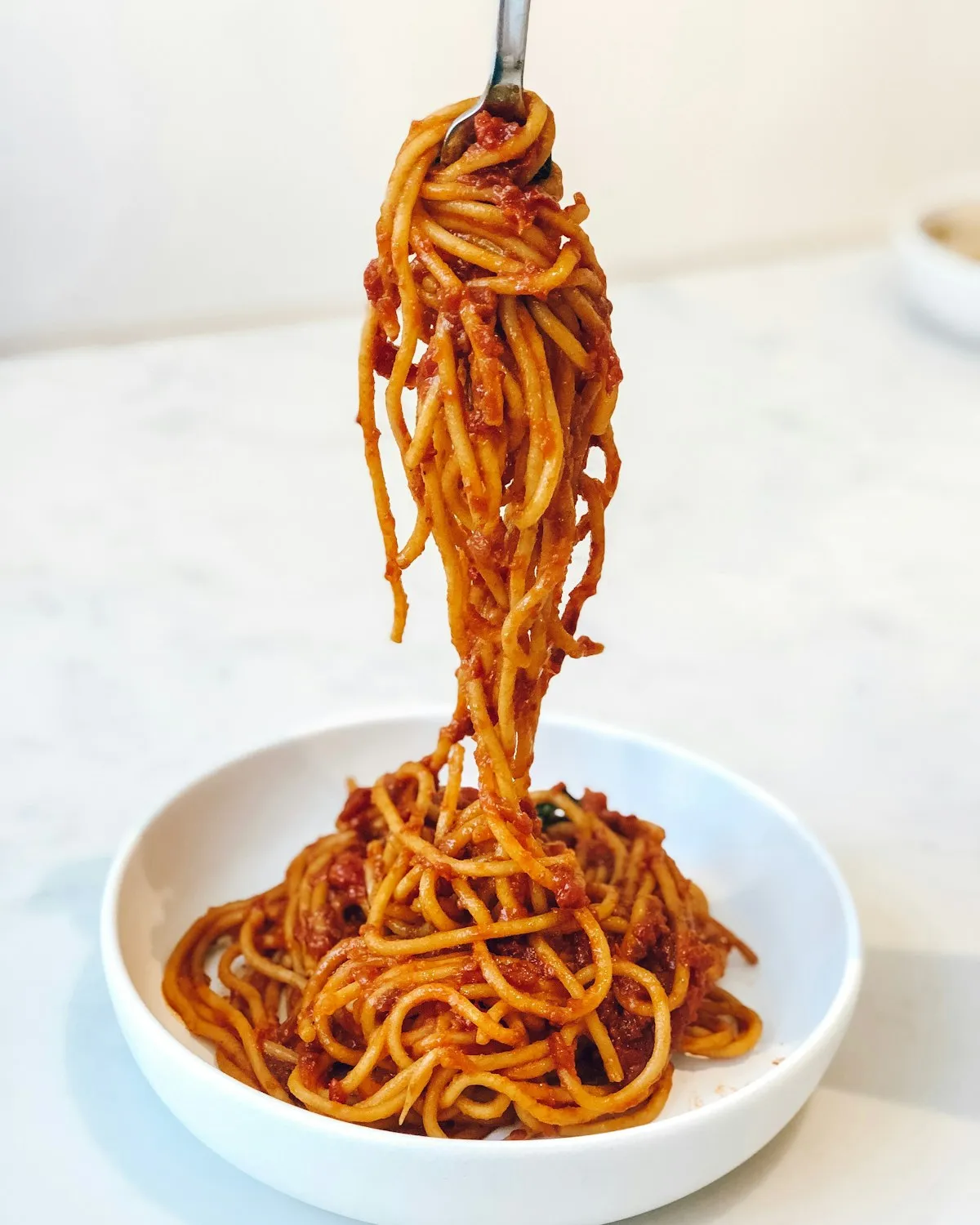
Use a clean kitchen towel or a nut-milk bag to wring out every possible drop of moisture from your cauliflower before it hits the pan. If you are using frozen cauliflower rice, thaw it completely first; the freezing process actually helps break the cell walls, making it easier to squeeze dry. Aim for a texture that feels almost like damp sawdust. This allows the cauliflower to absorb the Alfredo sauce like a sponge rather than diluting it. Check out our other quick meals for more ways to transform humble vegetables into stars.
Mastering the Alfredo Emulsion
A perfect Alfredo is a stable emulsion of fat (butter and cream) and water (the moisture in the cheese and cream). High, aggressive heat is the enemy here. When you boil heavy cream too vigorously, the proteins tighten and separate from the fat, resulting in a broken, oily sauce.
Keep your heat on low-to-medium. Use a heavy-bottomed skillet to ensure even heat distribution. Stir continuously, this mechanical action helps the fat droplets stay suspended in the liquid. Wait until your sauce is thick enough to coat the back of a spoon before you even think about adding the Parmesan. Always use freshly grated cheese; pre-shredded varieties are coated in potato starch or cellulose to prevent clumping, which will ruin the silkiness of your emulsion. Stir the cheese in off the heat or on the lowest possible setting to let it melt gently into the sauce.
Searing for Flavor (The Maillard Reaction)
Don't just "cook" the chicken; sear it. The Maillard reaction is a chemical reaction between amino acids and reducing sugars that gives browned food its distinctive flavor. Pat your chicken dry with paper towels before it hits the pan. If the surface is wet, it will steam rather than sear. Use a hot pan and avoid overcrowding. If you're looking for more ways to master protein, our air fryer recipes dinner guide shows how high-velocity air can mimic this deep browning with even less effort.
Elevate Your Keto Game: Flavor Variations
Once you’ve mastered the basic technique, you can start playing with the flavor profile to keep your weeknight routine fresh. This dish is a staple for quick family meals because it’s so adaptable.
- The Spicy Kick: Add red pepper flakes and a dash of cayenne to the butter before adding the cream. The heat cuts through the richness of the heavy cream and Parmesan, providing a much-needed zing that wakes up the palate.
- The Seafood Swap: Replace the chicken with large, succulent shrimp. Shrimp cook in minutes and bring a natural sweetness that pairs beautifully with the salty Parmesan. Just remember to sear them quickly and remove them from the pan so they don't turn rubbery while you finish the sauce.
- The Pesto Twist: Stir in two tablespoons of fresh basil pesto at the very end. The acidity from the lemon and the brightness of the basil act as a "lightener" for the heavy cream base, making the dish feel more like a summer pasta and less like a winter casserole.
- Mushroom Umami: Sauté sliced cremini or shiitake mushrooms in the chicken fat before starting your sauce. Mushrooms provide an earthy depth that complements the cream and adds a different textural element to the cauliflower rice.
Balancing the Plate: Side Dish Pairings
Because Keto Chicken Alfredo is incredibly rich and fat-dense, your side dishes should focus on high acidity and crisp textures to provide balance. You want to "reset" your palate between bites of the creamy sauce.
- Arugula and Lemon Salad: A simple bed of peppery arugula tossed in fresh lemon juice and a touch of extra virgin olive oil is the perfect companion. The bitterness of the greens and the sharpness of the citrus cut right through the dairy fat.
- Quick Pickled Cucumbers: Thinly slice some cucumbers and let them sit in white wine vinegar with a pinch of salt for 10 minutes. The crunch and acidity provide a refreshing contrast to the soft cauliflower rice.
- Zucchini Ribbons: If you want even more "pasta" vibes without the carbs, serve your Alfredo over a mix of cauliflower rice and raw zucchini ribbons. The zucchini adds a structural bite that keeps the dish from feeling too soft.
Including these types of pairings is a hallmark of healthy dinner ideas that actually satisfy, rather than just filling you up.
FAQ: Solving the "What Ifs"
Why is my Alfredo sauce grainy?
This usually happens for two reasons: you used pre-shredded cheese with anti-clumping agents, or your heat was too high. The high heat causes the proteins in the cheese to "clump" together rather than melting smoothly into the fat. Use low heat and real, block Parmesan.
Can I use frozen broccoli?
Yes, but treat it like the cauliflower. Frozen broccoli contains a lot of internal ice. Thaw it and squeeze it dry in a towel before adding it to the sauce. If you throw it in frozen, it will release all that water into your sauce, and you’ll end up with a watery mess.
How do I reheat this without the sauce breaking?
Reheating Alfredo is tricky because the emulsion is fragile. Avoid the microwave if possible. Instead, place it in a small saucepan over very low heat and add a splash of heavy cream or a teaspoon of water. Stir constantly as it warms to help the fats re-emulsify.
Is this suitable for a busy weeknight?
Absolutely. This is one of my favorite quick family meals because most of the work is in the prep. If you have your cauliflower "riced" and your chicken chopped ahead of time, the actual cooking process takes less than 20 minutes.
Why is my cauliflower rice mushy?
You likely overcooked it or didn't squeeze enough water out. Cauliflower "rice" only needs 2–3 minutes of heat to become tender. Any longer, and it begins to lose its structural integrity and turns into mash.
Can I make this in the air fryer?
While the sauce needs a pan, you can certainly use air fryer recipes dinner techniques to prep your components. Air-frying the broccoli florets gives them a charred, crispy edge that adds an incredible dimension to the final dish.
{“@type”:”BlogPosting”,”image”:”https://cdn.marblism.com/wqny0VxvLPG.webp”,”author”:{“name”:”Cookpedia”,”@type”:”Organization”},”@context”:”https://schema.org”,”headline”:”Keto Recipes for Beginners: Chicken Alfredo with Broccoli and Cauliflower Rice”,”publisher”:{“logo”:{“url”:”https://cdn.marblism.com/KxroJ1kM_KA.webp”,”@type”:”ImageObject”},”name”:”Cookpedia”,”@type”:”Organization”},”mainEntity”:{“@type”:”FAQPage”,”mainEntity”:[{“name”:”Why is my Alfredo sauce grainy?”,”@type”:”Question”,”acceptedAnswer”:{“text”:”This usually happens if you use pre-shredded cheese or if the heat is too high, causing proteins to clump. Use low heat and freshly grated Parmesan.”,”@type”:”Answer”}},{“name”:”How do I prevent watery cauliflower rice?”,”@type”:”Question”,”acceptedAnswer”:{“text”:”The secret is to wring out the cauliflower rice in a clean kitchen towel to remove all excess moisture before cooking.”,”@type”:”Answer”}}]},”description”:”Master a creamy, keto-friendly chicken alfredo with expert tips on moisture control for cauliflower rice and the science of perfect cream sauce emulsions.”,”datePublished”:”2026-07-22″,”mainEntityOfPage”:{“@id”:”https://cookpedia.com/keto-chicken-alfredo-guide”,”@type”:”WebPage”}}