Recipe
Servings
Servings 1×
Ingredients
- Chicken
- Shrimp
- White beans
- Beans
- Broccoli
- Asparagus
- Spinach
- Kale
- Tomatoes
- Garlic
- Lemon
- Cream
- Hard cheese
- Butter
- Cooking oil
- Salt
- Black pepper
Method
- Prepare the ingredients described in the article and heat the cooking surface or oven as directed.
- Cook the main ingredients using the heat and timing guidance in the article.
- Finish with the seasonings and garnishes named in the article, then serve.
We’ve all been there: it’s 6:00 PM, the fridge looks sparse, and your energy is even lower. You need something that feels like a warm hug but takes less time than scrolling through a delivery app. Enter the 15-minute creamy garlic gnocchi. This dish is my ultimate secret weapon for quick family meals that taste like you spent hours over a simmering copper pot in Tuscany. It’s rich, comforting, and relies on a few scientific shortcuts to achieve that restaurant-quality silkiness without the restaurant-quality bill.
The Science of the Silk: Emulsification and Starch
Achieving a sauce that clings to your gnocchi like a velvet cloak isn’t magic, it’s physics. Most people think a "creamy" sauce just means dumping heavy cream into a pan, but if you do that without a plan, you often end up with a greasy, separated mess. To get that glossy finish, you need to master the art of the emulsion.
An emulsion is simply a stable mixture of two things that usually hate each other: fat (from the butter, cream, and cheese) and water (from the gnocchi or stock). In this recipe, starch is your best friend. Starch acts as a stabilizer, preventing the fat droplets from clumping together.
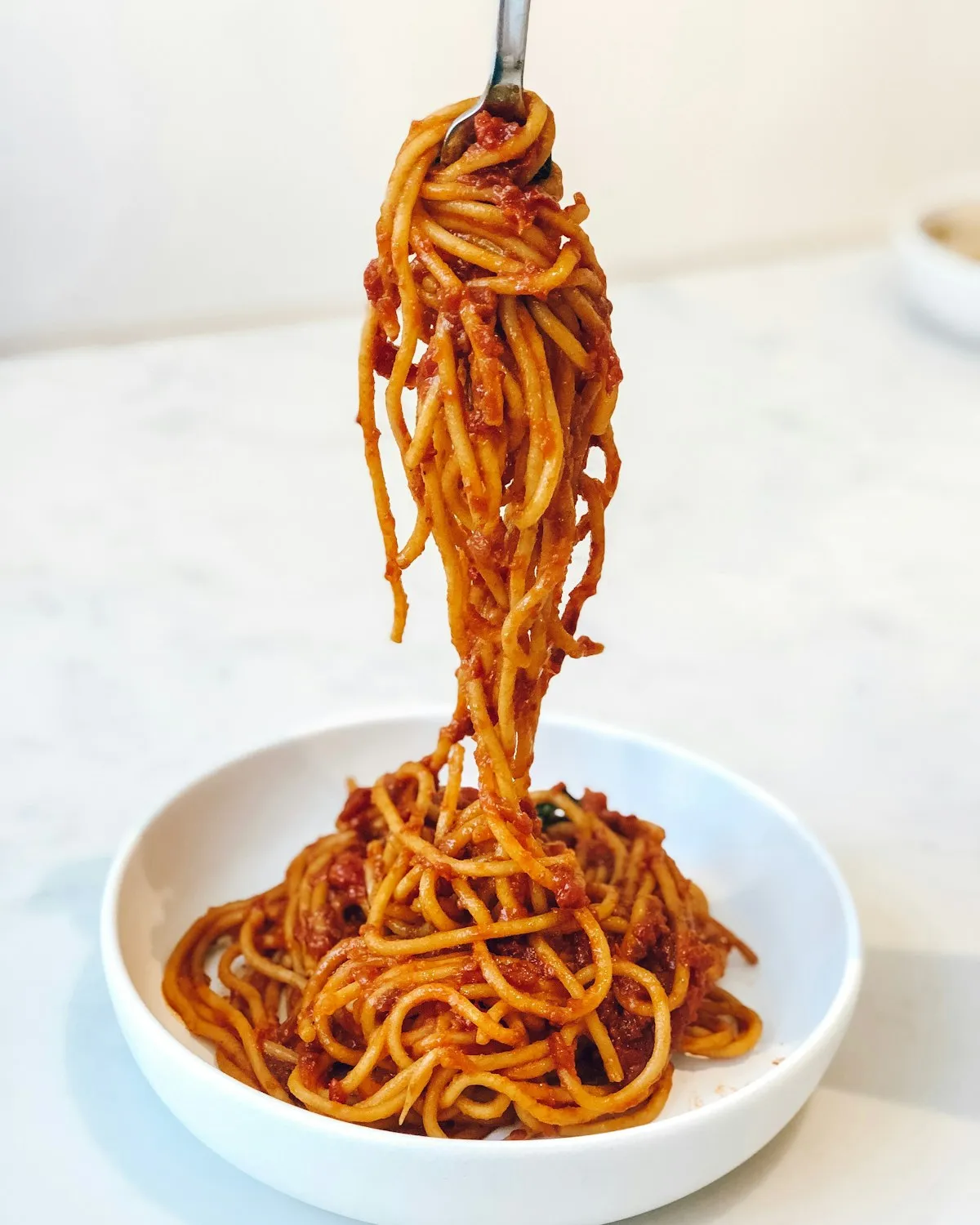
Use the starch to your advantage. If you are boiling your gnocchi in a separate pot, never, and I mean never, pour all that cloudy water down the drain. That liquid gold is packed with starch. When you whisk a splash of it into your cream and butter, the starch molecules physically get in the way of the fat globules, keeping them suspended in the liquid. This is the same principle I discuss in my guide on achieving the perfect glossy sauce.
Manage your heat levels carefully. Garlic is another scientific variable. If you burn it, you create bitter sulfur compounds that ruin the delicate dairy. Sauté your garlic over medium-low heat just until it becomes fragrant and translucent. This "sweating" process breaks down the allicin, the compound responsible for garlic’s sharp bite, and turns it into something mellow and sweet. Once the cream is in, keep the pan at a gentle simmer. High heat can cause the proteins in the cream or cheese to denature and clump, which is the fast track to a grainy sauce.
Incorporate cheese off the heat. When you’re ready to add your Parmesan, take the pan off the burner. The residual heat is more than enough to melt the cheese without breaking the emulsion. Constant stirring at this stage helps disperse the cheese proteins evenly, ensuring every bite is perfectly smooth.
Flavor Variations and Dietary Swaps
While the garlic and cream base is a classic, you can easily pivot this dish to suit your mood or pantry. I often look for healthy dinner ideas that don't sacrifice the "soulful" part of our Cookpedia mission.
- The Green Machine: Fold in two large handfuls of baby spinach or kale at the very end. The residual heat will wilt them in about thirty seconds, adding a hit of iron and color without changing the cook time.
- The Protein Boost: If you have leftover roast chicken or even some quick-seared shrimp, toss them in. For a smoky twist, crispy pancetta or bacon bits provide a beautiful salty contrast to the sweet garlic.
- The Zesty Kick: If the sauce feels a bit too heavy, grate the zest of half a lemon directly over the bowl. The citric acid cuts through the richness of the fat, brightening the entire flavor profile.
- The Nutty Alternative: If you’re skipping dairy, a high-quality cashew cream or a "cream" made from blended white beans and vegetable stock provides a surprisingly similar starchy base that emulsifies beautifully with a bit of nutritional yeast.
Perfect Side Dish Pairings
Because this dish is undeniably rich, you want side dishes that offer high acidity and crunch to reset your palate between bites. Balance is the name of the game here.
Go for a bright arugula salad. A simple bed of peppery arugula tossed with lemon juice, extra virgin olive oil, and a pinch of sea salt is the ideal partner. The bitterness of the greens and the acidity of the lemon help "cut" the fat of the garlic cream sauce.
Try roasted acidic vegetables. If you have a few extra minutes, roast some cherry tomatoes until they burst. Their concentrated acidity and sweetness are incredible when mixed into the creamy gnocchi. If you're a fan of air fryer recipes dinner enthusiasts often rave about, you can even pop some asparagus or broccoli in the air fryer for 8 minutes to get those crispy, charred edges that provide a textural counterpoint to the soft gnocchi. Much like my air fryer sausage and pepper medley, the goal is maximum flavor with minimal cleanup.
Frequently Asked Questions
Why did my sauce turn out watery instead of creamy?
This usually happens if you didn't allow the cream to reduce enough or if you didn't use enough starchy pasta water. The water needs to be cloudy and concentrated. If your sauce is too thin, let it simmer for another 2-3 minutes on low heat to evaporate some of the moisture, or add a handful of finely grated Parmesan to help bind it together.
Can I use shelf-stable or frozen gnocchi?
Absolutely. The beauty of this 15-minute meal is versatility. Shelf-stable gnocchi often has a slightly firmer texture, while frozen gnocchi tends to be more pillowy. Just keep in mind that frozen gnocchi will drop the temperature of your sauce quickly, so you might need to turn the heat up slightly for a moment when you first add them.
My sauce is grainy; what went wrong?
Graininess is almost always caused by overheating the cheese. If the sauce gets too hot, the proteins in the Parmesan tighten up and separate from the fat. To avoid this, always add your cheese last, off the heat, and stir vigorously. If it’s already grainy, you can try whisking in a teaspoon of very hot water to help re-emulsify it, but prevention is much easier than the cure!
Is it possible to make this ahead of time?
Gnocchi is best enjoyed immediately. As the sauce cools, the starch continues to absorb liquid, which can turn your silky sauce into a thick paste. If you must reheat it, do so on the stovetop with a splash of milk or water to loosen the emulsion back up. Avoid the microwave if possible, as it tends to make the gnocchi rubbery.
Can I sear the gnocchi instead of boiling them?
Yes, and it’s delicious! Searing them in butter first gives them a crispy exterior. However, because seared gnocchi don't release as much starch into the sauce, you may find the sauce doesn't thicken as naturally. In this case, you might need to reduce your cream a bit further or add a tiny bit more cheese to reach that desired thickness.
{“@type”:”BlogPosting”,”image”:”https://cdn.marblism.com/dIwevt0bP7k.webp”,”author”:{“name”:”Penny”,”@type”:”Person”},”@context”:”https://schema.org”,”headline”:”15-Minute Creamy Garlic Gnocchi”,”publisher”:{“logo”:{“url”:”https://cookpedia.com/logo.png”,”@type”:”ImageObject”},”name”:”Cookpedia”,”@type”:”Organization”},”description”:”Learn the science behind the perfect 15-minute creamy garlic gnocchi. Master emulsification and starch for a restaurant-quality quick family meal.”,”datePublished”:”2026-05-28″,”mainEntityOfPage”:{“@id”:”https://cookpedia.com/15-minute-creamy-garlic-gnocchi”,”@type”:”WebPage”}}