Recipe
Servings
Servings 1×
Ingredients
- Salmon
- Garlic
- Fresh ginger
- Balsamic vinegar
- Honey
- Cooking oil
- Soy sauce or tamari
- Black pepper
Method
- Let's get into why heat management is the secret to these easy dinner recipes .
- Let’s talk about the "why" behind the heat.
- Use a heavy-bottomed skillet, preferably stainless steel or cast iron, and let it heat until a drop of water dances and evaporates instantly.
- Roast the salmon at 400°F and brush the glaze on during the last three minutes under the broiler.
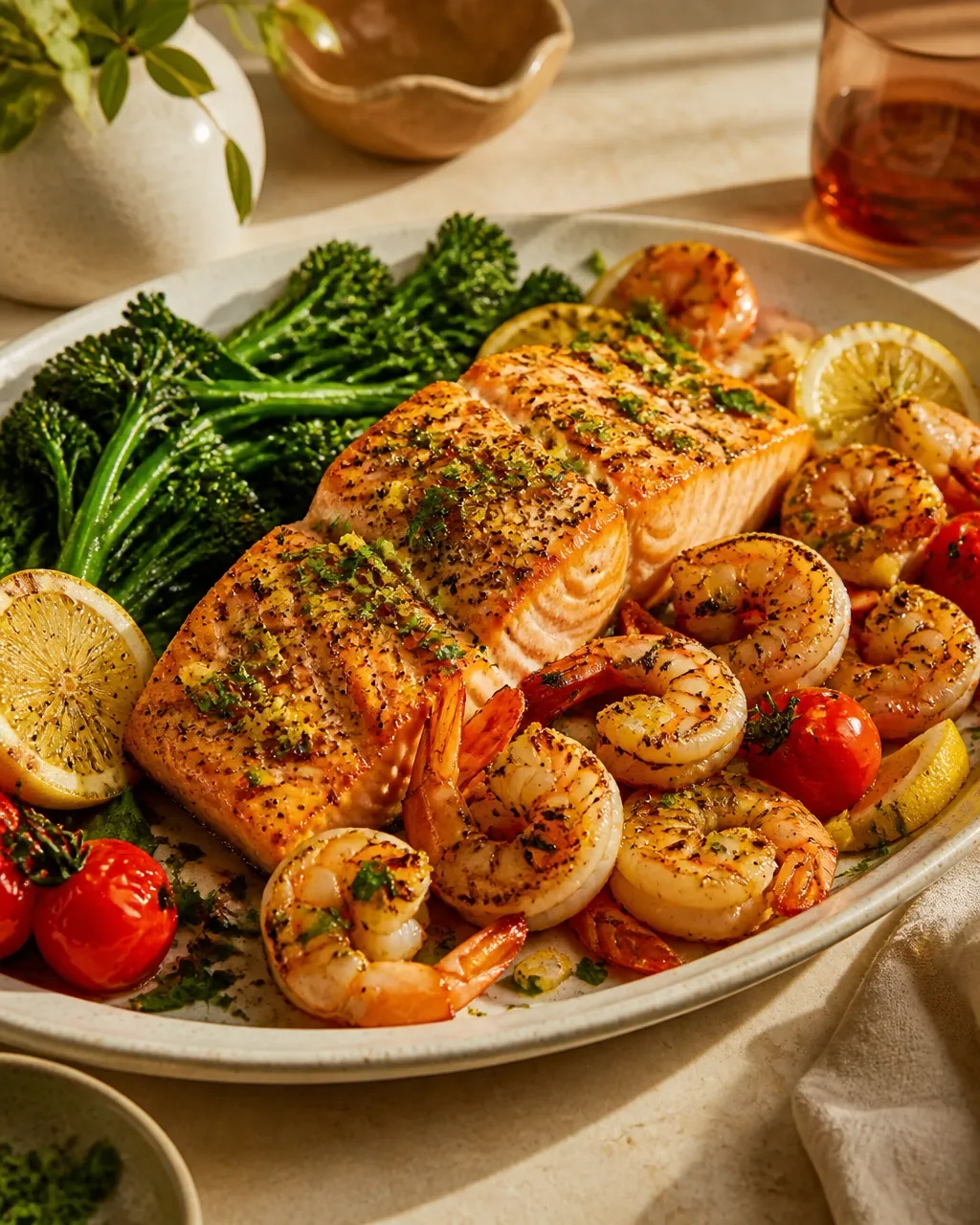
You’ve probably seen the "cold pan" hack floating around the internet, promising a stress-free sear. While that might work for those who are scared of a little sizzle, we’re here to talk about real flavor. If you want a restaurant-quality Honey Garlic Glazed Salmon that actually tastes like it came out of a professional kitchen, you need to embrace the heat. A hot pan is the difference between a soggy, grey piece of fish and a caramelized masterpiece that shatters with every forkful. Let's get into why heat management is the secret to these easy dinner recipes.
The Science of the Sizzle: Heat and the Maillard Reaction
Let’s talk about the "why" behind the heat. When you drop a cold, wet piece of salmon into a lukewarm pan, you aren't searing it; you’re steaming it. To get that iconic golden-brown crust, you need the Maillard reaction: a chemical dance between amino acids and reducing sugars that only happens at high temperatures (usually above 285°F). If your pan isn't hot enough, the salmon will release its moisture into the pan, dropping the temperature further and leaving you with a rubbery mess.
Use a heavy-bottomed skillet, preferably stainless steel or cast iron, and let it heat until a drop of water dances and evaporates instantly. Only then should you add your oil. Wait for the oil to shimmer: not smoke: before placing your salmon in. Always pat your salmon bone-dry with a paper towel first. Moisture is the enemy of a good sear. If there is water on the surface, the energy from the pan goes into evaporating that water rather than browning the protein.
Once the fish hits the pan, leave it alone. Resisting the urge to poke, prod, or flip too early is a non-negotiable. The fish will naturally release from the pan once the crust has formed. If it’s sticking, it isn't ready. This patience ensures you maintain the integrity of the flesh and lock in those juices.
When it comes to the honey garlic glaze, timing is everything. Honey has a high sugar content, which means it burns quickly. Do not add your glaze to the pan at the start of the searing process. Instead, sear the salmon almost to completion, then lower the heat before introducing the garlic and honey. This allows the garlic to infuse the oil without turning bitter and the honey to reduce into a sticky, glossy lacquer without scorching. By managing your heat zones: starting high for the sear and finishing low for the glaze: you achieve a complex flavor profile that makes these quick family meals stand out.
Creative Variations for Your Weekly Rotation
While the classic honey garlic profile is a heavy hitter, you can easily pivot based on what’s in your pantry. For a bit of a kick, whisk in a tablespoon of Sriracha or red pepper flakes into your glaze. The heat from the peppers cuts through the richness of the salmon and the sweetness of the honey perfectly. If you’re feeling more adventurous, add a teaspoon of freshly grated ginger. The ginger provides a zesty, aromatic lift that balances the earthy garlic.
If you aren't in the mood for stovetop cleanup, you can adapt this for the oven. Roast the salmon at 400°F and brush the glaze on during the last three minutes under the broiler. This mimics the sear without the splatter. For those who live and breathe by their countertop gadgets, check out some of our other air fryer recipes dinner favorites for inspiration. You can actually air fry salmon at 380°F for 10-12 minutes, applying the glaze halfway through to ensure it gets tacky rather than burnt.
For a completely different vibe, swap the soy sauce in the glaze for balsamic vinegar. The balsamic reduction creates a deep, tangy syrup that pairs beautifully with the honey. Regardless of the variation, the principle remains: keep your aromatics (like garlic) from burning and keep your salmon from drying out by monitoring internal temperatures closely.
Side Dish Pairings for a Balanced Plate
Salmon is a rich, fatty fish, especially when coated in a sweet glaze. To make these truly healthy dinner ideas, you need sides that provide acidity and crunch to reset the palate. Steamed bok choy or snap peas are classic choices because their natural bitterness and snap contrast the soft, sweet salmon. A simple squeeze of fresh lemon juice over the entire plate right before serving is a game-changer; it brightens the heavy honey notes and makes the flavors pop.
Grains are also essential for soaking up that extra honey garlic goodness. A fluffy jasmine rice is the standard, but if you want to try something trending, pair it with our viral garlic butter ramen hack. The savory noodles create a flavor explosion when mixed with the sweet salmon glaze. If you prefer something lighter, a cold cucumber salad with rice vinegar and sesame oil provides a refreshing temperature contrast that makes the warm salmon feel even more indulgent.
Frequently Asked Questions
Why did my garlic turn blue or green in the pan?
Don't panic! This is a natural reaction between the sulfur compounds in the garlic and any trace amounts of copper or acid (like lemon juice) in the pan. While it looks like a science experiment gone wrong, it is perfectly safe to eat and doesn't change the flavor significantly. To avoid this, use the freshest garlic possible and add your acidic components at the very end.
Can I use frozen salmon for this recipe?
Absolutely, but you must thaw it completely and, more importantly, dry it thoroughly. Frozen fish often releases more water than fresh fish, which can sabotage your sear. Thaw it in the fridge overnight, then let it sit on a paper towel for 10 minutes at room temperature before it touches the pan.
What is that white stuff seeping out of my salmon?
That white stuff is called albumin: a protein that is pushed out of the muscle fibers as they contract during cooking. While it’s harmless, it’s usually a sign that you’re cooking the salmon too fast or at too high a temperature for too long. To minimize albumin, avoid overcooking and try the "searing high, finishing low" method we discussed.
How do I know when the salmon is actually done?
Use an instant-read thermometer. For a medium finish, you're looking for an internal temperature of 125°F to 130°F. The temperature will continue to rise a few degrees after you take it off the heat (carryover cooking). If you don't have a thermometer, look for the flesh to turn from translucent to opaque and for it to flake easily with a fork at the thickest part.
My glaze is too thin: how do I fix it?
If your glaze looks like soup, simply remove the salmon from the pan and let the sauce simmer on medium-high for another 60-90 seconds. The water will evaporate, and the sugars will concentrate, creating that thick, syrupy texture we’re after. Remember, it will also thicken further as it cools slightly on the plate.
Can I make this as part of my meal prep for the week?
Salmon is best eaten fresh, but you can certainly meal prep it. Store it in an airtight container for up to two days. When reheating, avoid the microwave if possible, as it will turn the fish rubbery. Instead, use a low oven or a covered skillet with a splash of water to gently steam it back to temperature. For more meal prep ideas, check out our comfort food cheat code for easy, high-impact meals.