Recipe
Servings
Servings 1×
Ingredients
- Cod
- Beans
- Green beans
- Tomatoes
- Garlic
- Lemon
- Butter
- Cooking oil
- Salt
- Black pepper
Method
- Use fresh fish or thaw frozen fillets completely in the refrigerator.
- Bake at around 400°F so the fillets cook efficiently without spending ages in the oven.
- Add most of the lemon flavor before or during cooking, but save a little for the end.
- Keep the balance in mind.
- Use lemon pepper seasoning carefully if it contains salt.
- Keep the garlic coated with oil and nestled among the green beans rather than exposed on a dry, hot patch of the pan.
Some dinners ask for your full attention. This one asks you to pat the fish dry, trust the oven, and remember where you put the instant-read thermometer. Baked lemon pepper tilapia with garlicky green beans is one of my favorite healthy weeknight dinners because it is bright, filling, and wonderfully uncomplicated. The fish stays mild and flaky, the beans bring a little roasted sweetness, and lemon keeps every bite awake.
Tips & Technique: Let Heat, Moisture, and Timing Work Together
Start with evenly thick fish
Choose tilapia fillets that are similar in thickness so they finish together. Thin pieces can cook in minutes, while thick center portions need longer. Mixing both on the same pan is how one fillet becomes perfect and another becomes dry enough to qualify as kindling.
Use fresh fish or thaw frozen fillets completely in the refrigerator. Then pat the surface dry. This is not busywork. Excess moisture creates steam, and steam prevents the light surface firming that gives baked fish a pleasant texture.
Drying also helps seasoning cling. Lemon pepper should sit on the fish, not slide into the bottom of the baking dish where it can become a salty little puddle.
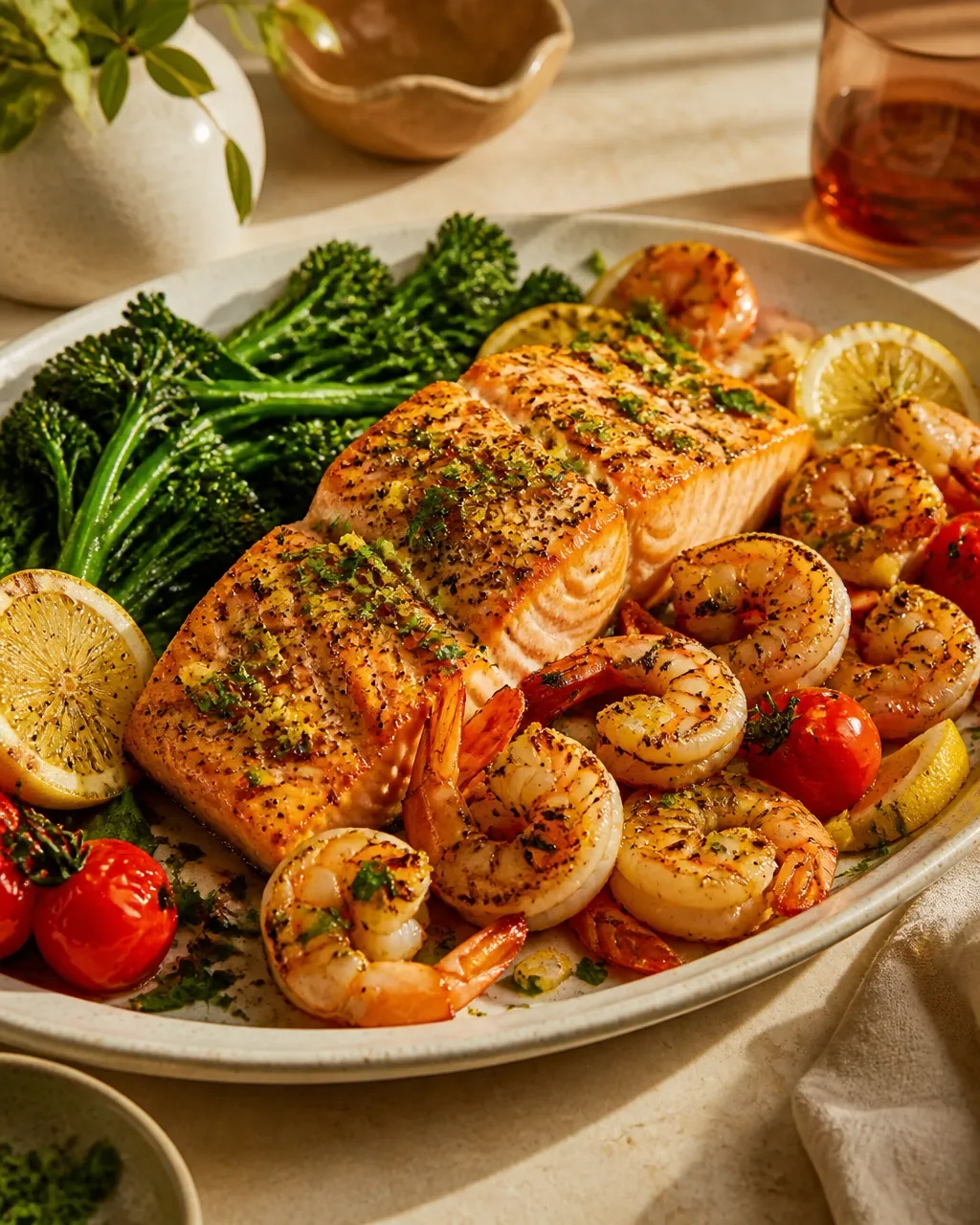
Bake gently enough to protect the protein
Tilapia is lean, which makes it a useful choice for quick healthy meals but also means it has little fat to protect it from overcooking. As the fish heats, its muscle proteins denature and tighten. That change turns translucent flesh opaque and creates the familiar flaky texture.
Push the temperature too far, and those proteins squeeze out too much moisture. The fish becomes firm, stringy, and less forgiving. Bake at around 400°F so the fillets cook efficiently without spending ages in the oven. Check the thickest section and remove the fish when it reaches 145°F (63°C). The flesh should look opaque and separate easily into moist flakes.
Treat the cooking time as a guide, not a sacred promise. Fillet thickness, starting temperature, pan material, and oven accuracy all matter. A thermometer is more reliable than a clock, and unlike a clock, it can tell you when dinner is actually ready.
Use lemon as a flavor balancer
Lemon does more than make fish taste “fresh.” Its acidity brightens mild tilapia and cuts through the richness of olive oil. Acid also interacts with some of the volatile compounds associated with fishy aromas, which is one reason citrus makes seafood seem cleaner and more appetizing.
Add most of the lemon flavor before or during cooking, but save a little for the end. Prolonged contact with strong acid can firm the surface of delicate fish while the center remains tender. A final squeeze gives you a sharper, fresher finish without allowing the citrus to dominate.
Keep the balance in mind. Lemon should lift the dish, not turn it into a mouth-puckering experiment. If your lemon is especially tart, use less at the table and let the roasted green beans provide sweetness.
Make black pepper carry more flavor
Freshly cracked pepper has a warmer, more aromatic character than finely ground pepper that has been sitting in the cupboard since the last presidential administration. Its heat comes largely from piperine, while its aroma comes from volatile oils.
Coat the pepper lightly with oil or the fish’s natural juices. Fat helps distribute those aromatic compounds across the fillet, so every bite gets a little citrusy heat rather than one heroic blast of pepper in the corner.
Use lemon pepper seasoning carefully if it contains salt. Homemade seasoning gives you more control, which matters when you are trying to keep healthy dinner ideas flavorful without automatically making them salty.
Protect garlic from scorching
Garlic changes dramatically with heat. Freshly chopped garlic contains sharp sulfur compounds that create its punchy aroma. Gentle cooking mellows those compounds and brings out a sweeter, rounder flavor.
Keep the garlic coated with oil and nestled among the green beans rather than exposed on a dry, hot patch of the pan. Minced garlic burns quickly because its small pieces have plenty of surface area. Once it turns dark brown or black, it contributes bitterness instead of savory depth.
If you want a softer garlic flavor, use larger pieces. For a more intense result, mince it finely but watch the edges of the pan. Garlic is generous, but it does not forgive neglect.
Roast the green beans for contrast
Green beans contain plenty of water, along with cellulose and pectin that help maintain their structure. A hot, relatively quick roast drives off some surface moisture while keeping the inside crisp-tender.
Spread the beans out instead of piling them into a crowded heap. Crowding traps steam, which softens the beans without developing those lightly browned spots that make roasted vegetables taste more complex. Give them breathing room and turn them once if needed.
The natural sugars on the bean surface concentrate as moisture evaporates. That creates a mild sweetness and nuttiness that balances the tangy fish. Avoid adding lemon too early if you want the brightest green color. Acid and prolonged heat can shift chlorophyll toward a dull olive tone. Finish with lemon after roasting for better color, texture, and flavor.
For another simple baked fish method, compare this approach with Cookpedia’s garlic butter baked cod with roasted cherry tomatoes. The same principle applies: keep lean fish moist, give vegetables enough space, and remove the protein as soon as it is done.
Variations: Change the Balance, Not the Method
Keep the basic oven technique, then adjust the accents.
For a Mediterranean direction, add dried oregano, chopped parsley, and a few olives. The olives bring salt and savoriness, while lemon keeps the dish from becoming heavy. Serve with a spoonful of couscous or quinoa if you want a more substantial plate.
For a little heat, add chili flakes or smoked paprika. Use a light hand. Tilapia has a delicate flavor, and too much spice will flatten the dish into heat without character.
Try a Dijon-lemon finish by stirring a small amount of Dijon mustard into the citrusy pan juices after baking. Mustard adds tang and helps the juices cling to the fish.
You can also swap the green beans for asparagus, broccolini, or thin bell pepper strips. Match vegetables by cooking time. Tender asparagus may need less oven time, while thick carrots need a head start.
If tilapia is not available, use haddock, pollock, or another thin, firm white fish. Adjust the timing according to thickness, and check the center rather than assuming every fillet behaves identically. Browse Cookpedia’s healthy recipe collection for more adaptable meals built around real food.
Side Dish Pairings: Add Freshness or Something to Catch the Juices
Keep the sides simple. The fish and beans already provide a lean protein and a vegetable, so avoid adding another complicated centerpiece.
Serve the tilapia with brown rice, quinoa, or a small roasted potato if you need more staying power. These options absorb the lemony juices and turn a light dinner into one of those quick healthy meals that can satisfy a hungry family.
For extra freshness, add a sharp arugula salad with a modest lemon dressing. Peppery greens echo the black pepper on the fish, while acidity cuts through the olive oil.
Crusty whole-grain bread is also fair game. Use it to catch the garlicky juices instead of leaving the best part behind on the pan. A simple cucumber salad works well, too, especially on warmer evenings when you want healthy weeknight dinners without a heavy feeling.
For more low-effort ideas, visit Cookpedia’s quick meals collection or browse the 30-minute dinner recipes.
FAQ: What If the Fish, Beans, or Garlic Behave Differently?
What if my tilapia is dry?
Remove it as soon as the thickest section reaches 145°F (63°C) and flakes easily. Lean fish dries out when its proteins continue tightening after the moisture has already been pushed out.
Check the fillets early if they are thin. If the green beans need more time, take the fish out and return the vegetables to the oven. Never sacrifice perfectly cooked fish for vegetables that are still auditioning for tenderness.
What if the fish is watery?
The fillets probably went into the pan while still wet, or they released more liquid than expected. Pat thawed fish thoroughly before seasoning and leave space between portions.
A watery pan does not mean the dinner is ruined. Pour off excess liquid carefully, then finish the beans uncovered so their surface can dry and brown. Spoon only the concentrated juices over the fish.
What if the green beans are soft instead of crisp-tender?
Check whether the pan was overcrowded. Closely packed vegetables steam because their moisture has nowhere to escape. Spread them into one layer on a larger pan next time.
You can also roast them for a few extra minutes after removing the fish. Keep them uncovered and watch for browning. The goal is tenderness with some bite, not green bean collapse.
What if the garlic tastes bitter?
It was likely exposed to too much direct heat. Minced garlic burns quickly, especially around the dry edges of a baking sheet.
Scrape away any blackened pieces and brighten the finished dish with lemon and fresh herbs. Mild bitterness can be balanced; burnt garlic cannot be persuaded back into sweetness. Next time, coat it well with oil and tuck it closer to the beans.
Can I prepare this dinner ahead?
Prepare the vegetables and seasoning earlier in the day, but keep the raw fish refrigerated until you are ready to bake. Avoid salting the fish hours ahead because salt draws moisture toward the surface and can affect its texture.
Store leftovers promptly in a covered container in the refrigerator. Reheat gently in a low oven or microwave using short intervals. High heat squeezes out moisture and turns tender fish into something with the bounce of a pencil eraser.
Is tilapia a healthy choice?
Tilapia is a lean source of protein and works well with vegetables, modest portions of whole grains, and small amounts of olive oil. Its mild flavor also makes it useful for people who are still finding their way into seafood.
Keep the seasoning balanced and check packaged lemon pepper blends for sodium. Homemade seasoning gives you more control over salt while still delivering plenty of flavor from lemon, pepper, garlic, and roasting.
That is the real appeal of this dish: it gives you bright, nourishing food without requiring a complicated project. Keep the fish moist, give the beans room, and let the oven do the heavy lifting. For more practical healthy dinner ideas, explore Cookpedia’s dinner recipes.