Recipe
Servings
4 servings 1×
Serves 4Prep 10 minCook 20 minTotal 30 min
Ingredients
- 1 1/2 pounds broccoli florets
- 2 tablespoons olive oil, divided
- 1 pound raw shrimp, peeled and deveined
- 2 garlic cloves, minced
- 1 tablespoon butter, or more olive oil for dairy-free cooking
- 1 lemon, zested and juiced
- 2 tablespoons chopped fresh parsley
- Salt and black pepper, to taste
Method
- Heat the oven to 425°F (220°C). Pat the broccoli dry, toss it with one tablespoon of olive oil, salt, and pepper, and spread it in a single layer on a baking sheet.
- Roast the broccoli for 18–22 minutes, turning once, until the stems are tender and the cut edges are browned.
- Pat the shrimp dry and season with salt and pepper. Heat the remaining olive oil and the butter in a wide skillet over medium heat.
- Add the garlic and cook just until fragrant, about 30 seconds. Add the shrimp in a single layer and cook until pink, opaque, and gently curved, about 2 minutes per side.
- Remove the skillet from the heat. Stir in the lemon zest, lemon juice, and parsley, then serve the shrimp with the roasted broccoli.
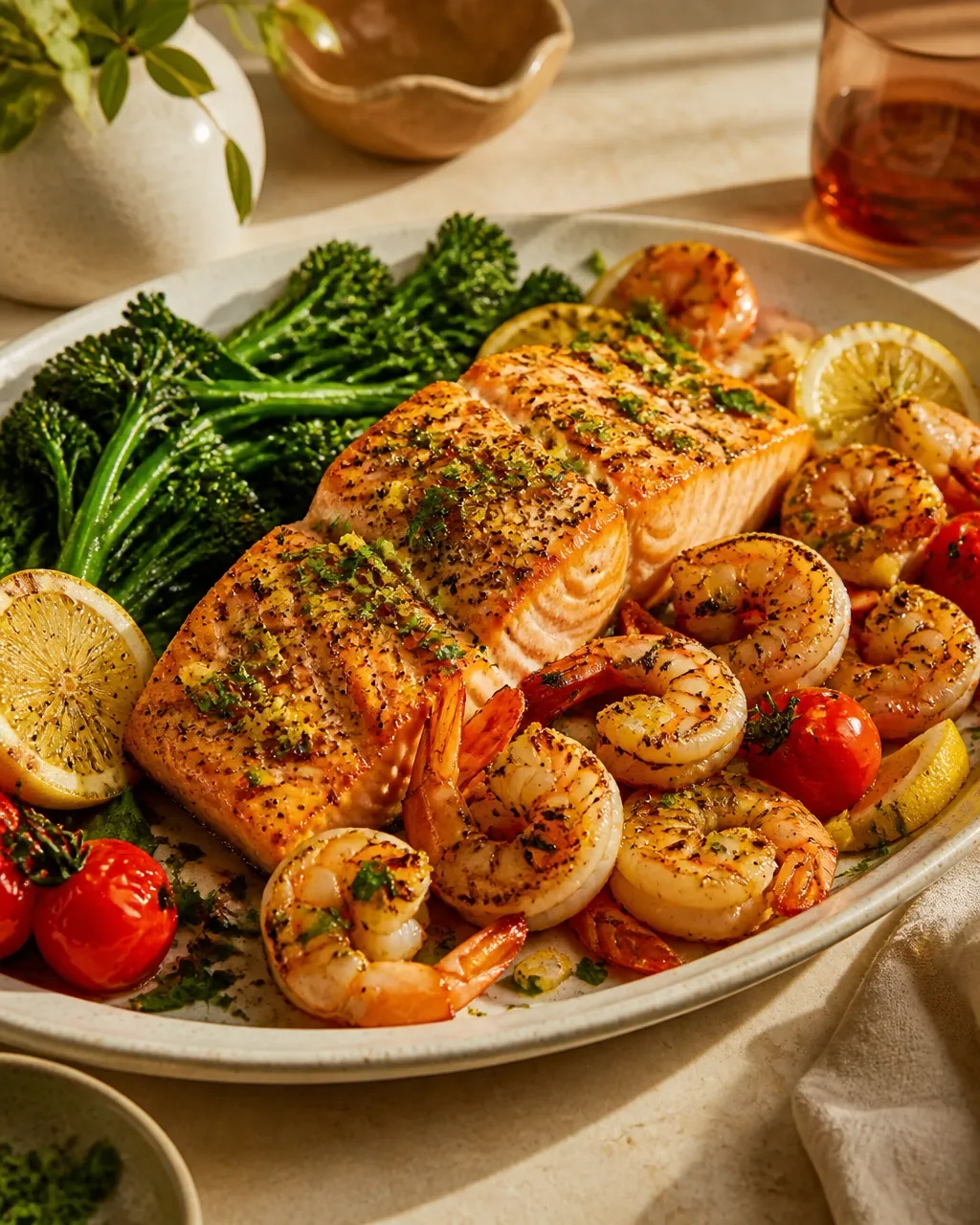
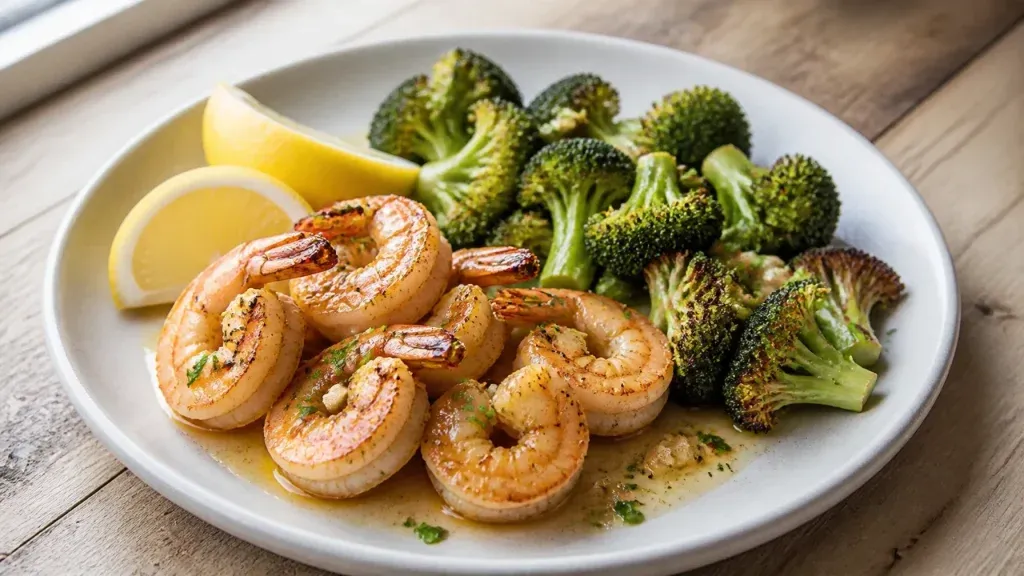
When dinner needs to be fast but still feel like you made an effort, lemon garlic shrimp with roasted broccoli delivers beautifully. The shrimp cook in minutes, the broccoli develops crisp, caramelized edges, and lemon keeps the whole plate bright instead of heavy. It is one of those easy dinner recipes that looks polished enough for company but is simple enough for a Tuesday when everyone is hungry and the kitchen patience is running low.
Why This Fast Dinner Works
This dish succeeds because it uses two different kinds of heat. Roast the broccoli with strong, dry oven heat, then cook the shrimp quickly in a hot skillet. That contrast gives you browned vegetables and tender seafood without asking either one to compromise.
The full dinner takes roughly 25 to 30 minutes, depending on how quickly you can chop broccoli and locate the lemon zester hiding in the drawer. Serve it as written for a lighter meal, or add rice, quinoa, or whole-wheat pasta when you need something more substantial.
For more ideas in the same spirit, browse Cookpedia’s quick meals and 30-minute dinner recipes.
Tips & Technique: The Science of Better Shrimp and Broccoli
Dry surfaces create better browning
Pat the shrimp dry before they meet the skillet. This is not fussy chef behavior; it is basic kitchen chemistry. Surface water must evaporate before the shrimp can brown, and that evaporation uses up heat. A damp shrimp tends to steam, leaving you with pale, slightly rubbery seafood instead of lightly golden edges.
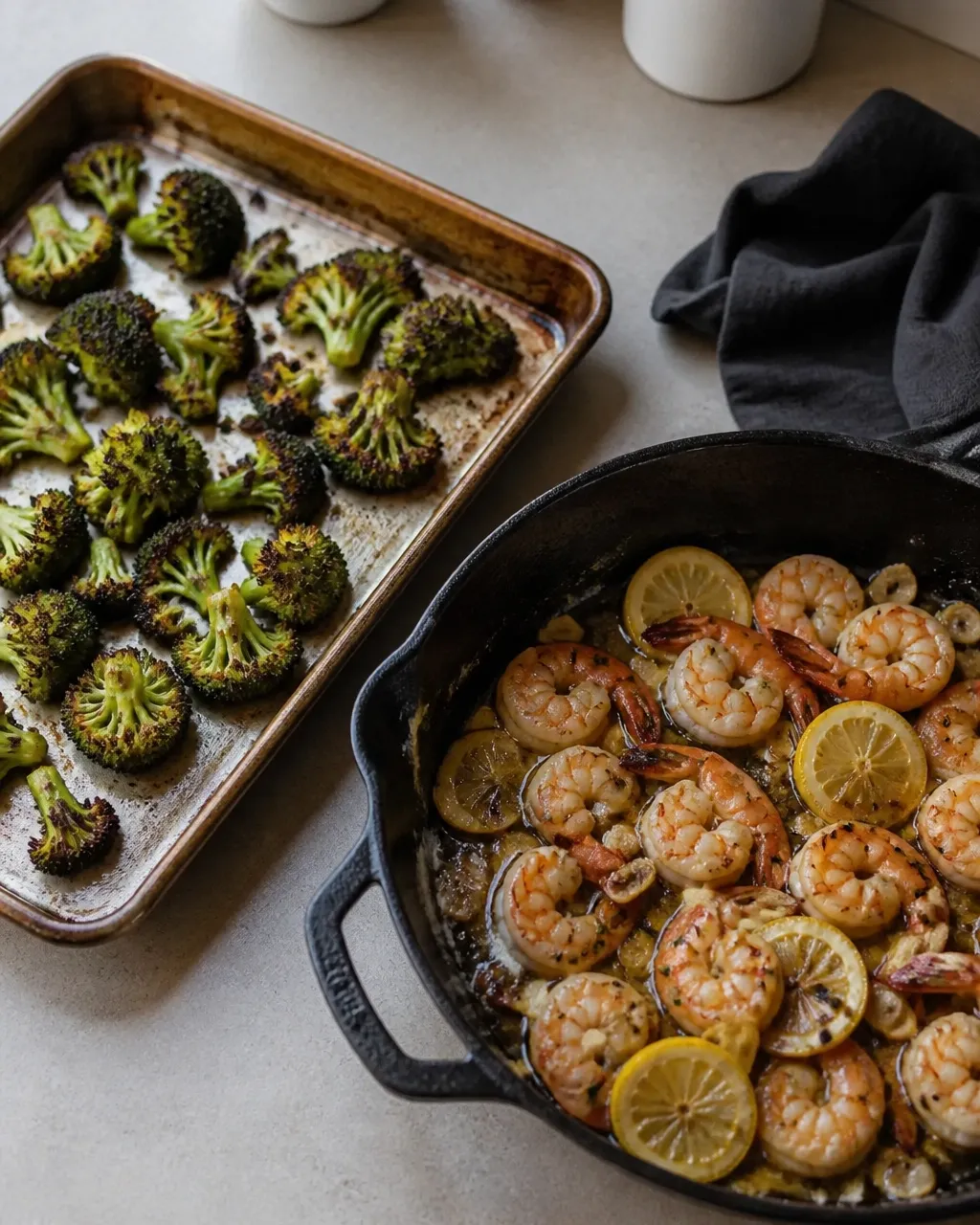
Give the broccoli the same respect. Spread the florets in one layer with space around them. When pieces overlap, trapped moisture turns the baking sheet into a miniature sauna. You want the moisture to escape so the broccoli can roast, caramelize, and develop those deeply savory browned tips.
Use high heat, but do not confuse it with maximum heat
Roasting broccoli at about 400–425°F gives the florets enough energy to brown while allowing the stems to soften. A blazing-hot oven can scorch the tops before the centers become tender, especially if the florets are large or unevenly cut.
Cut broccoli into pieces that are similar in size, but do not worry about making them identical. Real vegetables are not factory parts. Keep smaller florets for extra crisp edges and larger pieces for a tender bite. Place the flat cut sides against the pan when possible; more contact means more browning.
Cook shrimp in a single layer
Crowding is the enemy of quick skillet shrimp. If the shrimp are stacked or packed tightly together, they release moisture into the pan and lower its temperature. The result is steaming rather than sautéing.
Use a broad skillet and leave a little breathing room between pieces. Cook until the first side begins turning pink around the edges, then flip once. Shrimp are small, efficient proteins: they do not need a long appointment with the stove.
Watch for a gentle curve. Perfectly straight shrimp are usually undercooked, while tightly curled shrimp often signal that they have gone too far. Aim for shrimp that are pink outside, opaque in the center, and firm but still springy.
Add garlic at the right moment
Garlic brings huge flavor, but it burns quickly. Once it becomes dark brown, its sweetness disappears and bitterness takes over the pan. Add it to warm oil or butter only long enough for the aroma to bloom.
Keep the heat moderate while the garlic cooks, and stir it often. If the pan is already extremely hot, add the shrimp soon after the garlic becomes fragrant. The shrimp will cool the surface slightly and help protect the garlic from scorching.
For an even gentler garlic flavor, let the butter and oil warm together before adding the garlic. The combination spreads heat more evenly and creates a better base for the lemon sauce.
Save the lemon for the finish
Use lemon in two forms, but at different times. Lemon zest gives you fragrant citrus oils, while lemon juice provides acidity. The zest can handle heat more easily; the juice is best added near the end.
Acid brightens rich flavors by stimulating salivation and balancing fat. That is why a butter-based sauce tastes lighter after a squeeze of lemon. Add the juice after the skillet comes off the heat or when the burner is very low. Boiling lemon juice for too long can make the sauce taste harsh and flatten its fresh aroma.
Avoid soaking raw shrimp in lemon juice for a long time before cooking. Acid changes the proteins on the surface, similar to what happens in ceviche. A short contact is fine, but prolonged marinating can make the texture soft and mushy.
Trust carryover cooking
Remove the shrimp from intense heat when they are just opaque. The residual heat in the skillet and the shrimp themselves will continue cooking them for a short time. This small pause is your best defense against rubbery seafood.
Transfer the shrimp to the plate as soon as they reach that tender stage. Do not leave them sitting in a hot pan while you search for parsley, photograph the plate, or negotiate with someone about washing up. Shrimp wait for no one.
For a reliable reference point, follow the USDA’s seafood safety guidance and use separate utensils and plates for raw and cooked shrimp. Refrigerate leftovers promptly and reheat them gently.
Variations for Different Dinner Moods
Keep the core technique the same, then change the flavor direction.
For heat, add red pepper flakes or a pinch of cayenne to the skillet. Start conservatively; chili becomes more noticeable once the lemon and garlic are in the mix. Smoked paprika adds warmth and color without making the dish spicy.
For a Mediterranean version, finish with parsley, oregano, and a few crumbled feta pieces. The salty feta brings richness, so add extra lemon to keep the plate balanced.
For a dairy-free dinner, replace butter with more olive oil. You will lose some creaminess but gain a cleaner, fruitier flavor. A spoonful of tahini whisked with lemon and a little water also makes a lovely drizzle, especially over the roasted broccoli.
For a heartier meal, serve the shrimp and broccoli over brown rice, quinoa, or whole-wheat pasta. Choose a neutral base so it absorbs the garlicky pan juices rather than competing with them.
If shrimp are not on the menu, use bite-sized chunks of firm tofu or thinly sliced chicken. Adjust the cooking time carefully: tofu needs time to brown, while chicken must be cooked thoroughly. The lemon-garlic flavor will happily move house.
Side Dish Pairings That Keep the Plate Balanced
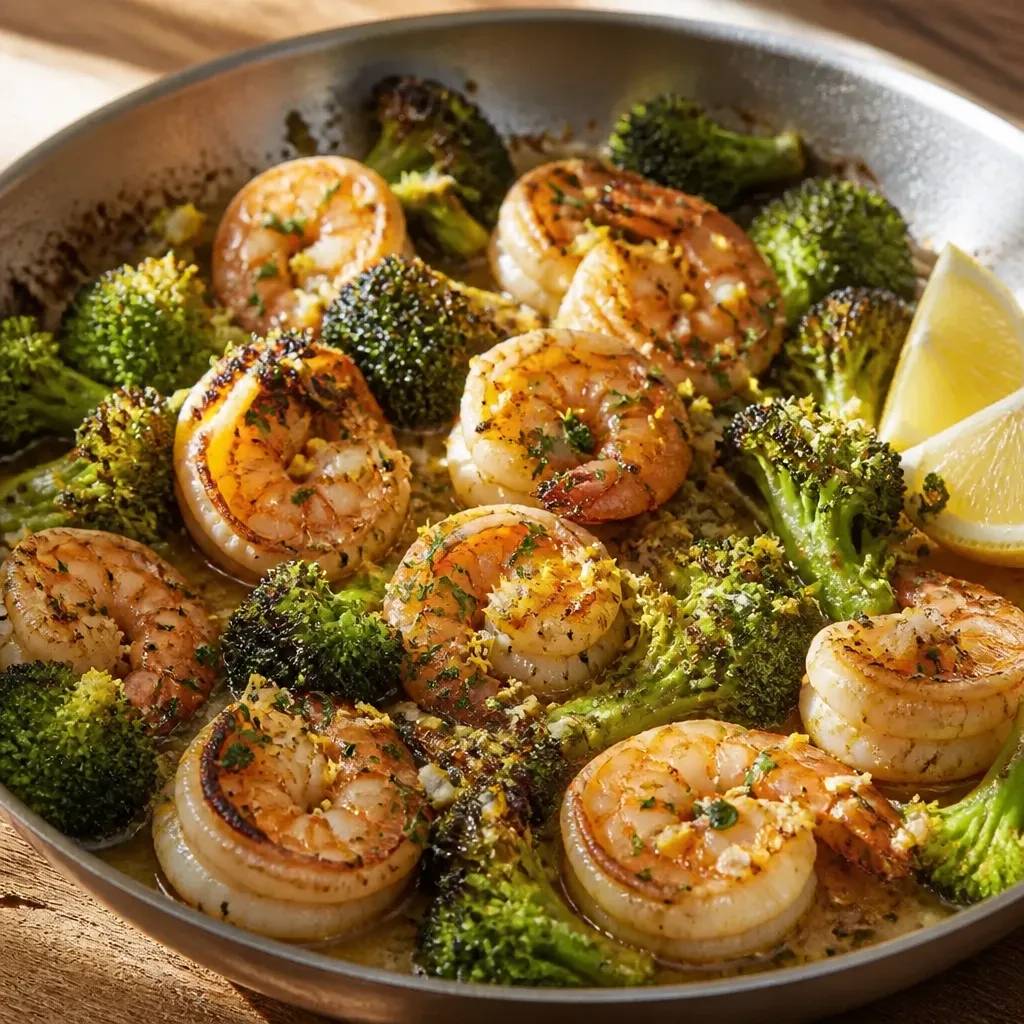
Pair this dinner with something that supports the sauce without burying the broccoli. Brown rice or quinoa adds chew and fiber, making the meal more filling while keeping the lemon and garlic in charge.
Choose crusty whole-grain bread if you want to mop up the skillet juices. Add a simple cucumber salad for cool contrast, or serve sliced tomatoes with a little salt and vinegar. The fresh acidity keeps the meal from feeling too buttery.
For a lower-carbohydrate plate, add cauliflower rice or a crisp green salad. Use a sharp vinaigrette rather than a creamy dressing; the shrimp already bring a soft, rich texture.
Avoid pairing this dish with heavily seasoned sides. Strong barbecue flavors, sugary sauces, or a creamy casserole will compete with the delicate seafood. Keep the supporting cast fresh, crisp, and lightly dressed.
Frequently Asked Questions
Can I use frozen shrimp?
Yes. Thaw frozen shrimp in the refrigerator, then drain and pat them thoroughly dry. Extra water is the main problem, not the fact that they were frozen. Do not place icy shrimp directly into a hot skillet unless you enjoy dramatic splattering and uneven cooking.
Why did my shrimp turn rubbery?
They were probably cooked too long or left in the hot pan after reaching doneness. Shrimp proteins tighten quickly as heat increases, which is why a minute or two can make a noticeable difference. Cook just until opaque, then remove them from the skillet immediately.
Why did my broccoli turn soft instead of roasted?
Check the spacing first. Crowded broccoli traps steam and prevents browning. Also check whether the florets were wet when they went onto the pan. Dry them well, use enough oil to coat lightly, and roast in a single layer. If the florets are very large, the centers may soften before the edges brown; cut them a little smaller next time.
Can I cook the shrimp and broccoli on the same pan?
You can, but the textures may be less reliable. Broccoli needs longer exposure to dry heat, while shrimp cook very quickly. Adding shrimp to the oven at the beginning will almost certainly overcook them. Roast the broccoli first and use the skillet for the shrimp, or add the shrimp to the sheet pan only near the end while watching closely.
Can I make this with pre-cooked shrimp?
You can, but treat them as something to warm rather than cook. Add pre-cooked shrimp near the end, just long enough to heat through. Extended cooking will make them chewy. Fresh or thawed raw shrimp give you better control over texture and browning.
What if I do not have fresh garlic?
Use garlic powder in the broccoli and a small amount in the sauce, but expect a softer, less aromatic result. Fresh garlic contains volatile compounds that create a more vivid flavor when warmed in oil. Add garlic powder carefully because it disperses quickly and can taste dusty if overused.
How can I make the meal more filling?
Serve it with a whole grain, a small portion of roasted potatoes, or whole-wheat pasta. Shrimp provide lean protein and broccoli contributes fiber, but a carbohydrate-rich side can make the meal more satisfying for bigger appetites. Keep the portion moderate so the lemon-garlic sauce still tastes bright.
How should I reheat leftovers?
Reheat gently in a covered skillet over low heat with a splash of water or broth. Stop as soon as the shrimp are warm. A microwave can work, but use short intervals and stir between them. Do not reheat repeatedly; every extra round of heat pushes the shrimp further toward toughness.
Is this suitable for healthy dinner ideas?
It fits well into a balanced rotation because it combines protein, vegetables, and a modest amount of fat. Add a whole grain if you need more energy, or keep the plate focused on shrimp and broccoli for a lighter meal. Control the salt, measure the oil, and let lemon, garlic, and browning provide most of the flavor.
Can I prepare anything ahead?
Prepare the broccoli florets, zest the lemon, and mince the garlic earlier in the day. Keep raw shrimp refrigerated until you are ready to cook. Do not add lemon juice to the shrimp hours ahead, because extended acid contact can damage their texture. Keep the final skillet cooking close to mealtime for the best result.
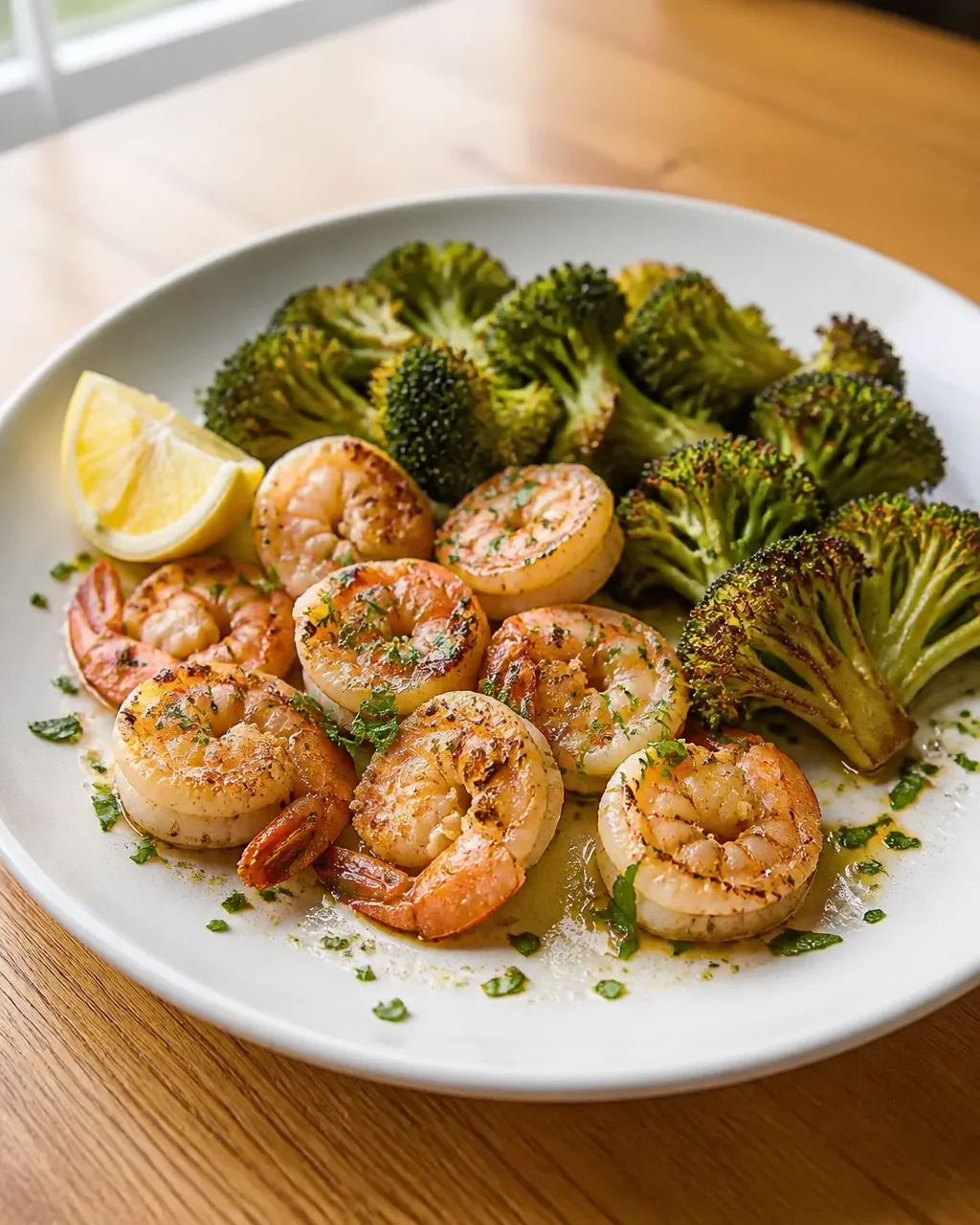
Save this recipe for the nights when you need quick family meals without opening a dozen cans or dirtying every pan you own. It is bright, satisfying, and firmly on the table before anyone can ask, “What’s for dinner?” twice.