Recipe
Servings
Servings 1×
Ingredients
- Salmon
- Rice
- Bread
- Greens
- Peas
- Fresh ginger
- Lime
- Honey
- Cooking oil
- Soy sauce or tamari
- Sesame
- Chili seasoning
Method
- Prepare the ingredients described in the article and heat the cooking surface or oven as directed.
- Cook the main ingredients using the heat and timing guidance in the article.
- Finish with the seasonings and garnishes named in the article, then serve.
If you have ever stared at a piece of frozen salmon with the existential dread of someone who knows they are about to turn it into a dry, rubbery hockey puck, I am here to save your Tuesday. We have all been there. But today, I am pulling back the curtain on why your air fryer is secretly a world-class seafood chef. By combining the speed of convection with the chemistry of a good glaze, you can turn a basic fillet into a restaurant-quality centerpiece in less time than it takes to find a matching pair of socks.
The Physics of the Perfect Flake
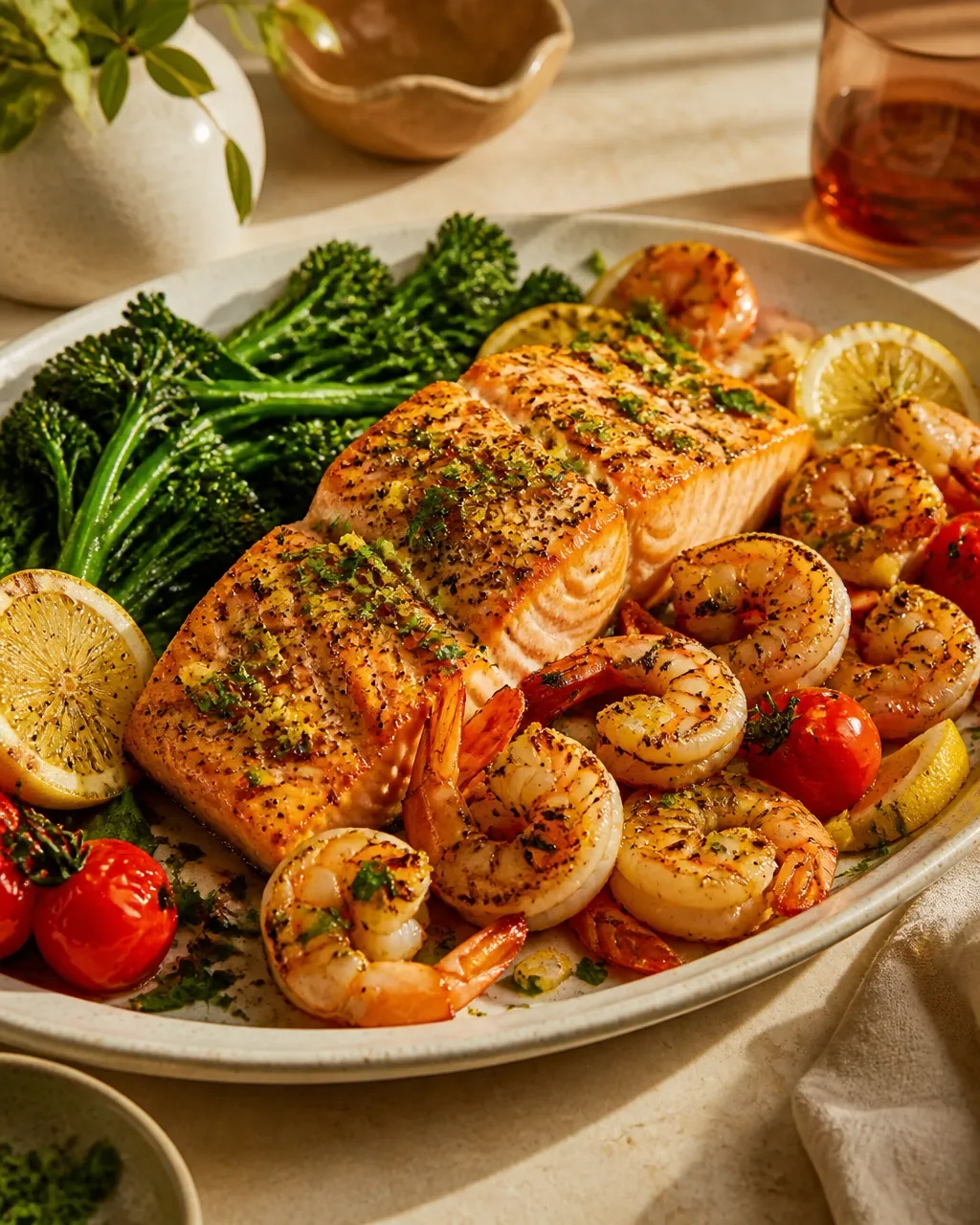
To master salmon, you have to understand that an air fryer is not just a "small oven." It is a high-velocity heat-transfer machine. While a traditional oven relies on slow-moving air, the air fryer uses a powerful fan to circulate heat at high speeds. This increases the "heat transfer coefficient," which is just a fancy way of saying the heat hits your fish much harder and faster. This rapid movement is what creates that incredible exterior texture while keeping the center lush.
Mastering the Maillard Reaction
When you apply a teriyaki glaze, essentially a solution of sugars, soy sauce, and aromatics, to salmon, you are setting the stage for the Maillard reaction. This is the chemical dance between amino acids and reducing sugars that creates that deep, savory "browned" flavor. In a standard oven, the moisture in the fish often evaporates too slowly, leading to "steamed" salmon that looks pale and sad. The air fryer’s intense convection clears away surface moisture instantly, allowing the sugars in your teriyaki to caramelize into a sticky, mahogany crust before the inside has a chance to overcook.
Thermal Insulation and the Skin
Always start your salmon skin-side down. Think of the skin as a biological heat shield. Salmon is rich in healthy fats (those glorious Omega-3s), and the skin contains a layer of fat that renders out as it cooks. This fat acts as a buffer, preventing the delicate flesh from coming into direct contact with the hot basket surface while simultaneously frying the skin until it is shatteringly crisp. If you remove the skin, you lose that protective layer, and you risk the fish sticking or drying out.
The Albumin Problem
Have you ever seen that unappealing white gunk seeping out of your salmon? That is albumin, a protein that gets pushed to the surface when the muscle fibers contract too quickly from high heat. To minimize this, don't blast your salmon from a refrigerator-cold state. Let it sit for ten minutes to take the chill off, and avoid overcooking it. Use a meat thermometer to pull the fish when it hits 125°F-130°F (52°C-54°C). The "carryover cooking" will bring it to a perfect 145°F while it rests, keeping those proteins relaxed and juicy. These are the kinds of healthy dinner ideas that make home cooking feel like a superpower.
Flavor Variations: Beyond the Basic Glaze
Once you have mastered the basic science, it is time to play with the variables. Teriyaki is a fantastic base, but you can pivot the flavor profile to keep your quick family meals from getting stale.
- The Citrus Twist: Substitute a portion of the water in your glaze with fresh orange or lime juice. The citric acid provides a bright counterpoint to the fatty salmon, cutting through the richness and helping to tenderize the surface proteins even further.
- The Ginger-Chili Kick: Grate fresh ginger and a teaspoon of sambal oelek into your glaze. The ginger contains protease enzymes that can slightly soften the fish's texture, while the capsaicin in the chili provides a heat that balances the sweetness of the honey or brown sugar.
- The Texture Play: After glazing, press the top of the fillet into a mix of black and white sesame seeds or crushed wasabi peas. The air fryer will toast these aromatics as the fish cooks, adding a crunch that contrasts beautifully with the tender flakes.
Regardless of the variation, keep your glaze viscous. If it is too watery, it will simply slide off the fish and pool at the bottom of the air fryer. Aim for the consistency of warm maple syrup.
Perfect Pairings for a Balanced Plate
Salmon is a rich, oily fish, so your side dishes need to provide high-contrast elements like acidity, crunch, or lightness.
For a classic approach, serve your teriyaki salmon over a bed of fluffy jasmine rice. The starch absorbs any extra glaze, ensuring not a drop of flavor is wasted. If you want something lower in carbs, a quick slaw of shredded cabbage, rice vinegar, and sesame oil provides a cold, acidic crunch that resets your palate between bites of rich fish.
Don't overlook your air fryer for the sides, either. You can whip up some air fryer Brussels sprouts while the salmon rests; the charred leaves mimic the savory notes of the teriyaki. Steamed bok choy or snap peas are also excellent choices, as their vibrant green color and snap offer a fresh visual and textural break. These combinations are essential for anyone building a repertoire of air fryer recipes dinner guests will actually rave about.
Frequently Asked Questions
Can I use frozen salmon fillets?
Yes, but don't just toss them in rock-hard. For the best texture, thaw them in a bowl of cold water for 20 minutes first. If you must cook from frozen, lower the temperature by 25 degrees and increase the time, but be warned: the glaze won't adhere as well because of the moisture being released as the ice melts.
Why did my glaze burn before the fish was done?
This usually happens if your glaze has a very high sugar content and you've placed the salmon too close to the heating element. To fix this, apply a thin layer of glaze at the start, and then brush on a final, thicker layer during the last 2 minutes of cooking. This prevents the sugars from carbonizing while still giving you that sticky finish.
How do I stop the salmon from sticking to the basket?
Stop using aerosol sprays; they can damage the non-stick coating of your air fryer. Instead, use a brush to apply a thin layer of avocado or grapeseed oil directly to the salmon skin or the basket. Alternatively, use a small piece of perforated parchment paper specifically designed for air fryers to allow air to circulate while providing a barrier.
Is it necessary to flip the salmon?
No. In fact, I advise against it. Flipping a delicate, glazed fillet is a recipe for a mess. Because the air fryer circulates heat underneath the basket, the skin will crisp up perfectly without being turned. Keep the "presentation side" up the whole time to preserve the look of the glaze.
How do I know when it’s truly finished?
Forget the clock; every air fryer is different. Use the "flake test." Take a fork and gently press down on the thickest part of the fillet. If the layers of muscle separate easily (flake), it is ready. If it resists and feels "springy," it needs another minute. Aim for an opaque center that still looks moist. Overcooked salmon turns a pale, chalky pink and loses all its buttery charm. Stay vigilant!