Recipe
Servings
2 servings 1×
Serves 2Prep 10 minTotal 14 min
Nutrition per serving
Ingredients
- 2 ahi tuna steaks 1.5 inches thick
- 2 tbsp avocado oil
- 1/4 cup white sesame seeds
- 1/4 cup black sesame seeds
Method
- Preheat your air fryer to 400°F for at least 5 minutes to ensure a proper sear.
- Pat the tuna steaks bone-dry.
- Brush a thin layer of oil over all sides to act as ‘glue’.
- Press the tuna firmly into the mixed sesame seeds until fully armored.
- Place steaks in the basket and air fry for 2 minutes.
- Flip and cook for another 2 minutes for a rare center.
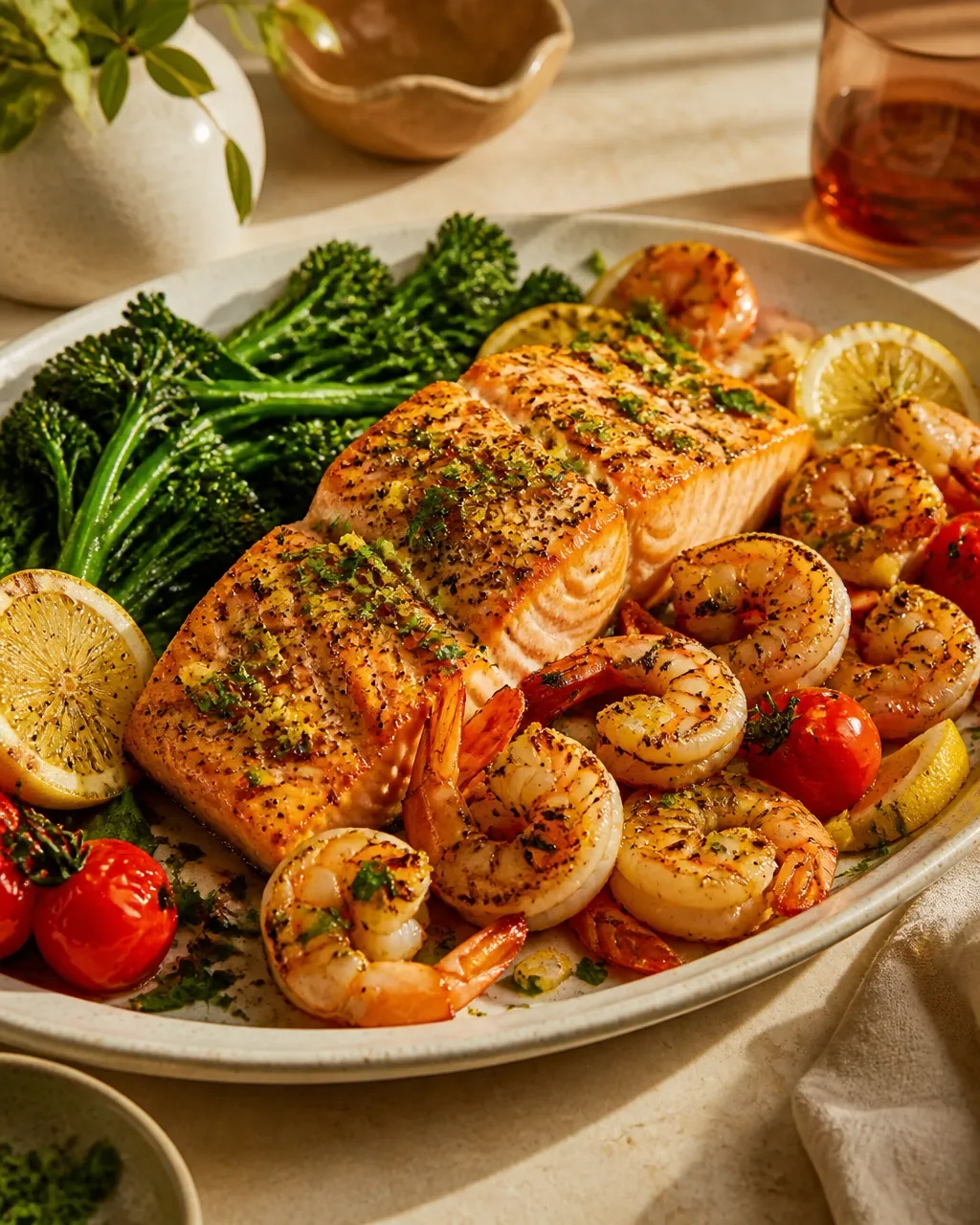
If you had told me five years ago that I’d be tossing sushi-grade tuna into a plastic-lined convection bucket, I would have politely shown you the door. But here we are. The air fryer has transcended its “frozen French fry” origins and entered the realm of high-end seafood. This sesame-crusted ahi tuna is the ultimate flex for home cooks: it looks like a $40 bistro plate, tastes like a dream, and takes less time than it does to find a matching pair of socks. It is the gold standard for healthy dinner ideas that don’t feel like a compromise.
The Science of the 400-Degree Sear
When you’re dealing with ahi tuna, you aren’t really “cooking” it in the traditional sense; you’re managing a controlled thermal strike. The goal is a high-contrast finish, a crunchy, toasted exterior surrounding a cool, ruby-red center. In a traditional skillet, you’re relying on direct conductive heat. In an air fryer, we’re weaponizing high-velocity convection.
To master this, you must treat your air fryer like a commercial broiler. Preheat the unit for at least five minutes at 400°F. Do not skip this. If you put cold fish into a lukewarm basket, the tuna will bake through before the seeds ever get a chance to toast. You’ll end up with a sad, grey slab of fish that tastes like a high school cafeteria. We want the air to be screaming hot the second that tuna hits the grate. This is why the air fryer is actually superior for air fryer recipes dinner enthusiasts; it surrounds the fish with heat so quickly that the crust sets before the internal temperature can climb past the “rare” zone.
Let’s talk about the “armor”, the sesame seeds. These aren’t just for aesthetics. They act as a thermal buffer. As the superheated air circles the fish, the seeds absorb the initial blast, toasting into a nutty, aromatic shell while protecting the delicate protein underneath. Use a mixture of black and white sesame seeds for maximum visual impact, but also because they toast at slightly different rates, giving you a more complex flavor profile.
Press the seeds firmly into the flesh. If you’re gentle, they will fly off in the wind tunnel of the air fryer and end up stuck to the heating element. Apply a light coating of oil to the tuna first; this acts as the “glue” and also provides the fat necessary for the Maillard reaction, that chemical magic where proteins and sugars transform into savory, toasted deliciousness. Use a high-smoke-point oil like avocado or grapeseed. Avoid extra virgin olive oil here; at 400°F, it’ll just get bitter and smoke out your kitchen.
Finally, place the tuna directly on the metal basket. Avoid parchment paper if you can. The direct contact with the hot metal grate helps sear the bottom of the steak simultaneously, ensuring you don’t have a “soggy bottom” situation. Treat the air fryer as a precision tool: flip the steak halfway through with the confidence of a seasoned chef. If you’re looking for quick family meals that impress the in-laws, this technical precision is your best friend.
Flavor Variations and Crust Customizations
Once you’ve mastered the basic sesame crust, the world of crustacea is your oyster (or tuna, in this case). The beauty of this technique is how easily it adapts to different flavor profiles while staying within the realm of healthy dinner ideas.
Try a “Wasabi Crunch” variation. Incorporate crushed wasabi peas into your sesame mix. The peas add a fiery punch and an extra layer of structural integrity to the crust. If you prefer something more aromatic, add a teaspoon of finely grated ginger and lime zest to the seeds before pressing them onto the fish. The citrus zest will caramelize in the high heat, releasing essential oils that cut through the richness of the tuna.
For those who want a bit of heat without the sinus-clearing power of wasabi, a dry rub of Togarashi (Japanese seven-spice) mixed with the sesame seeds is a game-changer. It introduces notes of chili, orange peel, and seaweed that elevate the fish to restaurant-level quality. If you’re aiming for a more “fusion” vibe, try a peppercorn crust. Use coarsely cracked black and Sichuan peppercorns for a numbing, spicy exterior that contrasts beautifully with the buttery tuna.
Side Dish Pairings for Perfect Balance
Ahi tuna is rich and fatty, so your side dishes need to bring acidity and brightness to the table. Think of your plate like a see-saw; if the tuna is the heavy, savory side, your sides need to be the light, airy counterweight.
A crisp slaw is the non-negotiable partner here. Use a base of shredded cabbage, carrots, and scallions tossed in a rice vinegar and lime dressing. The sharpness of the vinegar cuts right through the sesame oil and fish fat, refreshing your palate between bites. For a bit of starch, a simple bowl of jasmine rice or quinoa works wonders, especially if you drizzle a little soy-ginger glaze over the top.
If you’re looking for more air fryer recipes dinner inspiration to round out the meal, look no further than my Air Fryer Brussels Sprouts. The charred, crispy edges of the sprouts mimic the texture of the tuna crust, making for a cohesive dining experience. You can find more vegetable-forward inspiration in our healthy section or browse our quick meals for other 15-minute accompaniments.
FAQ: Everything You’re Afraid to Ask
Can I use frozen tuna for this?
Technically, yes, but you must thaw it completely and pat it bone-dry. Moisture is the enemy of a good sear. If there is ice or water trapped in the fibers, the air fryer will steam the fish instead of searing it. Your “crust” will turn into a wet sesame paste. Buy high-quality “AAA” grade frozen ahi, thaw it in the fridge overnight, and use paper towels to squeeze out every drop of excess moisture before you even think about the sesame seeds.
How do I know when it’s actually done?
Use an instant-read thermometer if you’re nervous. For a perfect rare center, aim for an internal temperature of 90°F to 110°F. Anything above 125°F and you’ve moved into “overcooked” territory, where the tuna becomes dry and flaky. Remember: the temperature will continue to rise by about 5 degrees after you pull it out of the basket, so pull it early.
My sesame seeds are falling off! What happened?
You likely didn’t use enough “glue” or didn’t press hard enough. Use a thin layer of oil or even a brush of soy sauce to create a tacky surface. When you apply the seeds, use the palm of your hand to literally squash them into the flesh. Also, check your fan speed: most air fryers have one speed (high), so if your seeds are loose, they’ll fly.
Why is my tuna turning grey all the way through?
This usually means your tuna steaks were too thin. For the air fryer method to work, you need a steak that is at least 1 to 1.5 inches thick. A thin steak will cook through to the center before the outside has a chance to develop a crust. If you only have thin steaks, reduce the cooking time significantly and ensure the unit is preheated to the absolute max.
Is it safe to eat tuna this raw?
When you buy “sushi-grade” or “sashimi-grade” ahi, it has been flash-frozen to kill parasites, making it safe for raw consumption. Always buy from a reputable fishmonger and ask about the grade. This is why this dish is one of the best quick family meals for those who love high-quality seafood: it’s about the quality of the ingredient, not the length of the cook time.