Recipe
Servings
Servings 1×
Ingredients
- Chicken
- Quinoa
- Garlic
- Lemon
- Honey
- Cream
- Cooking oil
- Chili seasoning
Method
- Let’s be honest: chicken breasts are the high-maintenance divas of the poultry world.
- Give them thirty seconds too long in the heat and they turn into flavorless, sawdust-textured disappointment.
- Use a dry rub rather than a wet marinade to speed this up.
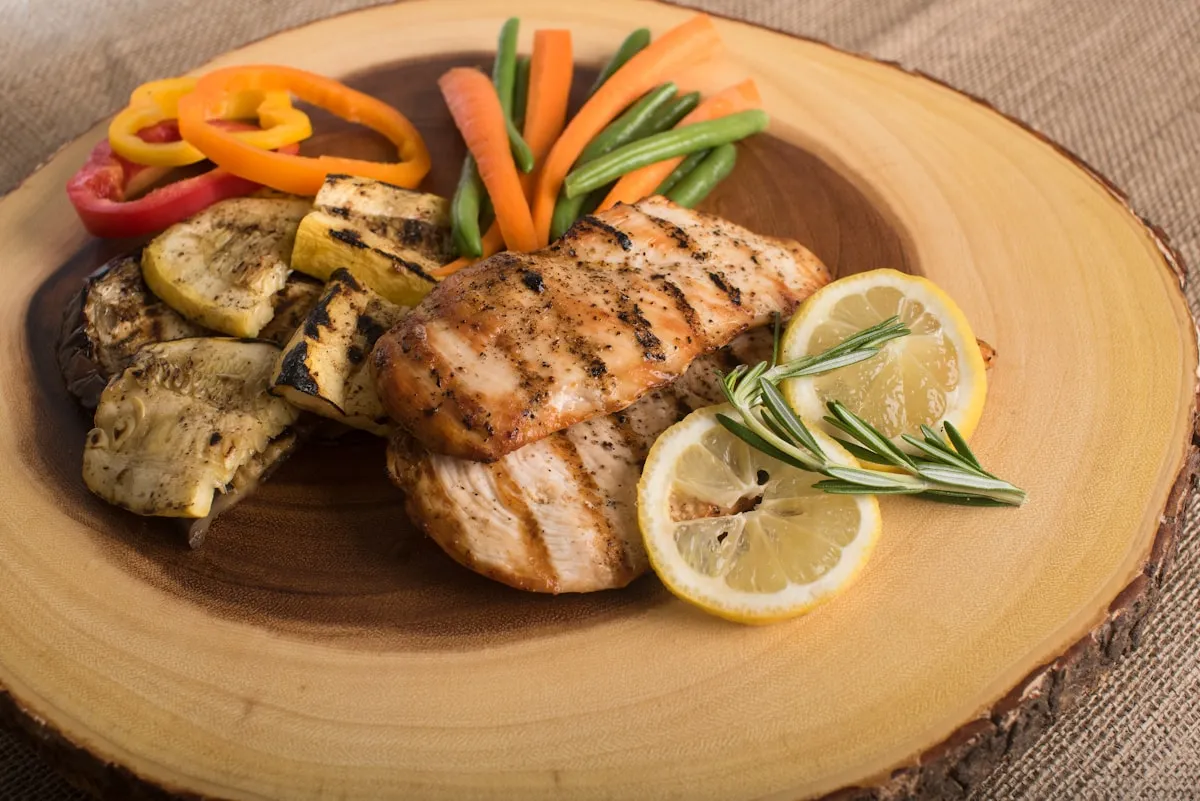
Let’s be honest: chicken breasts are the high-maintenance divas of the poultry world. Give them thirty seconds too long in the heat and they turn into flavorless, sawdust-textured disappointment. If you want a stress-free dinner that actually tastes like it was cooked by someone who cares, you need to embrace the chicken thigh. When it comes to air fryer recipes dinner guests will actually rave about, dark meat is the undisputed champion. It’s forgiving, it’s juicy, and in my blog today, I’m going to explain exactly why the science of air frying makes the thigh the ultimate kitchen shortcut.
The Science of the Sizzle: Why Thighs Rule the Basket
The magic of an air fryer isn't actually "frying", it’s high-velocity convection. You are essentially using a miniature, supercharged wind tunnel to blast hot air around your food. This creates the Maillard reaction, that glorious chemical process where amino acids and sugars react to produce the brown, crispy, savory exterior we all crave. While a chicken breast has very little fat to protect it from this intense airflow, a chicken thigh is built for the heat.
Fat Rendering and Moisture Retention
Dark meat contains significantly more connective tissue and intramuscular fat than white meat. As the air fryer’s heat hits the thigh, this fat begins to render. In a traditional pan, that fat just sits there. In an air fryer, the fat liquefies, bastes the meat from the inside out, and then drips away through the basket. This creates a self-basting mechanism that keeps the meat succulent while simultaneously reducing the total fat content of the final dish. In fact, studies show that air frying can reduce fat content by up to 90% compared to deep frying, making it a staple for healthy dinner ideas.
The Collagen Factor
Chicken thighs are rich in collagen. Under the intense, focused heat of an air fryer, that collagen breaks down into gelatin. This is why a thigh feels "rich" and "silky" on the palate compared to the stringy texture of an overcooked breast. Because the air fryer circulates heat so efficiently, it breaks down this collagen much faster than a standard oven could. This is the secret to quick family meals that don't taste like they were rushed.
Achieving the Perfect Skin
If you’re using skin-on thighs, the air fryer is your best friend. To get that shattered-glass crispiness, you need to drive moisture out of the skin. The constant airflow of the air fryer is incredibly efficient at evaporation. Use a dry rub rather than a wet marinade to speed this up. Avoid overcrowding the basket; if the air can’t reach every nook and cranny, you’ll end up with "steam zones" and flabby skin. Check the internal temperature, thighs are best at 175°F (80°C), which is higher than the standard 165°F for breasts, as the extra heat further melts that glorious connective tissue.
Flavor Variations to Shake Up Your Routine
Once you master the basic technique, the flavor profiles are endless. This is where you can get creative and pivot your air fryer dinners based on what’s in your pantry.
- The Mediterranean Zest: Combine dried oregano, garlic powder, and a heavy hand of lemon zest. The acidity of the lemon cuts through the richness of the dark meat perfectly.
- The Smoky Chipotle: Use smoked paprika, cumin, and a touch of chili powder. The smoky notes play incredibly well with the charred edges the air fryer produces.
- The Umami Glaze: Wait until the last three minutes of cooking to apply any sugar-based sauces like teriyaki or honey-garlic. Applying them too early will cause the sugars to burn in the high-velocity air before the chicken is done.
- The Herb Crust: Use finely chopped rosemary and thyme mixed with a tiny bit of olive oil. The oil helps the herbs adhere and prevents them from blowing off in the convection wind.
The Art of the Side Dish: Balancing the Richness
Because chicken thighs are inherently rich and savory, you want side dishes that offer contrast. Think of balance as your culinary North Star. You want something bright, acidic, or crisp to offset the succulent meat.
A simple arugula salad with a sharp lemon vinaigrette is a classic choice. The bitterness of the greens resets your palate after every bite of chicken. If you want to keep the air fryer running, try air fryer Brussels sprouts. The charred, nutty flavor of the sprouts complements the roasted notes of the chicken.
For a more substantial meal, consider light grains like quinoa or a zesty coleslaw. Avoid heavy, cream-based sides unless you’re looking for a very indulgent comfort meal; instead, lean into fresh vegetables and citrus-forward dressings to keep your quick meals feeling light and energized.
FAQ: Mastering the Air Fryer Thigh
Why is my chicken skin rubbery instead of crispy?
Moisture is the enemy of crispiness. Use a paper towel to pat the chicken completely dry before adding your oil or spices. Also, avoid using too much oil; a light spray or a thin coating is all you need. If the skin is still rubbery, you likely overcrowded the basket, preventing the moisture from evaporating properly.
Do I need to flip the thighs during cooking?
Yes, absolutely. While the air circulates, the "top-down" heat from the element is still the strongest. Flip your thighs halfway through to ensure the underside gets its fair share of the Maillard action. Always start with the skin-side down and finish skin-side up for the best results.
Can I use frozen chicken thighs?
You can, but I don't recommend it if you want peak quality. Cooking from frozen often leads to an uneven texture, the outside overcooks before the center reaches a safe temperature. If you must, add about 50% more cooking time and use a meat thermometer to ensure the center hits 175°F.
Is it really healthier than the oven?
In many ways, yes. Because the air fryer is so efficient at rendering fat, more of it drips away than it would on a flat baking sheet in an oven. Additionally, because the cooking time is shorter, you retain more of the meat’s natural nutrients. It’s a win-win for anyone looking for healthy dinner ideas.
Why do you recommend 175°F instead of 165°F?
While 165°F is the "safe" zone, chicken thighs contain a lot of connective tissue. Taking them to 175°F or even 180°F allows that tissue to fully break down into gelatin. Unlike the breast, which dries out past 165°F, the thigh actually gets more tender as it climbs toward 180°F. Trust the science on this one; your taste buds will thank you.
Check out more chicken inspiration on the blog for your next kitchen adventure!