Recipe
Servings
4 servings 1×
Serves 4Prep 15 minCook 35 minTotal 50 min
Nutrition per serving
Ingredients
- 4 chicken thighs bone-in, skin-on
- 3 tbsp harissa paste
- 2 sweet potatoes cubed
- 3 carrots peeled and sliced
- 2 tbsp olive oil
Method
- Whisk harissa with olive oil and lemon juice.
- Coat chicken thighs and let sit for 10 minutes while the oven preheats to 425°F.
- Arrange vegetables and chicken on the pan.
- Do not crowd!
- Air circulation is key to caramelization.
- Roast for 30-35 minutes until chicken skin is mahogany and crispy, and vegetables are tender.
- Squeeze roasted lemon halves over the tray and serve with a dollop of cold Greek yogurt.
There is a specific kind of magic that happens when you toss a handful of ingredients onto a single tray and let the oven do the heavy lifting. I am a firm believer that your kitchen shouldn’t feel like a high-stress laboratory on a Tuesday night. This harissa-spiked chicken dish is the ultimate proof that minimal effort can yield maximum soul. It is vibrant, spicy, deeply comforting, and exactly the kind of dinner that makes you look far more organized than you really are.
The Science of Heat: Why Harissa Hits So Hard
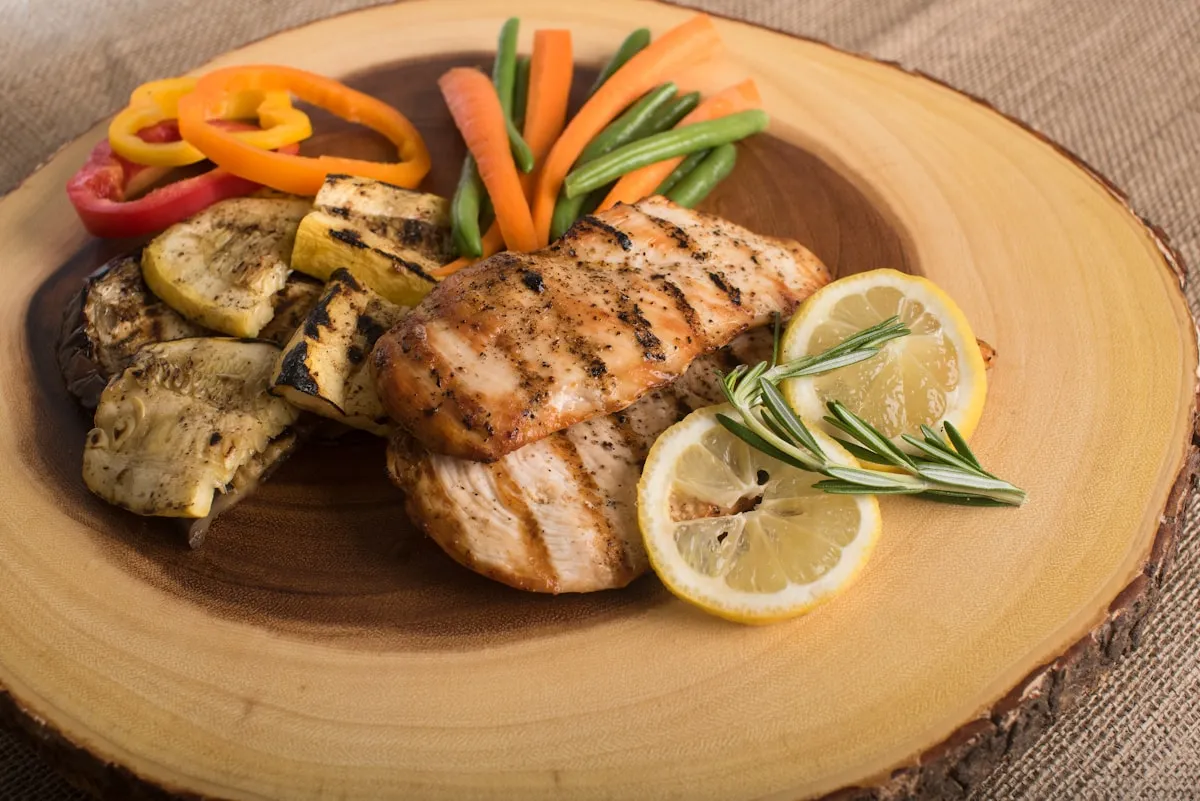
Harissa is not just “that red spicy stuff” you smear on chicken and hope for the best. It is a concentrated flavor system built from chilies, aromatics, spices, oil, and often a little acidity. The reason it feels so bold comes down largely to capsaicin, the compound in chili peppers that creates that famous burn. Capsaicin binds to TRPV1 receptors in your mouth and tells your brain, in the most dramatic way possible, that something hot is happening. The wild part is that the food is not literally hotter in temperature. Your nervous system is simply being expertly pranked.
That matters on a sheet pan because capsaicin does more than bring heat. It shapes how you perceive the entire dish. A little warmth can make roasted chicken taste richer and root vegetables taste sweeter. Too much, though, and you bulldoze the subtle flavors right off the tray. Use enough harissa to coat the chicken thoroughly, but do not drown everything in it. Balance is the whole game.
Roasting changes harissa, too. In the oven, the oil in the paste helps conduct heat across the surface of the chicken, encouraging browning. Meanwhile, the garlic and spices in the paste toast and deepen. Some volatile compounds fade with high heat, but the savory backbone becomes rounder and more integrated. That is why raw harissa tastes sharp and aggressive, while roasted harissa tastes fuller, darker, and more settled into the food.
Now let’s talk about chicken skin, because that is where weeknight dinner becomes victory. Browning happens best when the surface is dry, hot, and exposed. Chicken skin is loaded with fat trapped under and within a network of protein and collagen. As the thighs roast, that fat slowly renders out. If the skin starts dry, the fat can fry the surface while the oven heat drives off remaining moisture. That is the setup for crispness. If the skin starts wet, the oven has to waste valuable time evaporating water before browning can begin. Steam is the enemy of a crackly finish.
This is where the Maillard reaction earns its paycheck. When amino acids and sugars on the skin’s surface meet high heat, they create hundreds of new aromatic compounds. That is why browned chicken smells nutty, savory, and deeply appealing instead of merely “cooked.” Harissa helps because its oil improves contact with the skin and its natural pigments and sugars deepen the color. But there is a catch: too much paste in thick globs can insulate the skin and trap moisture. Spread it in a thin, even layer. Think polished and coated, not buried.
If you want the best texture, respect moisture like it owes you money. Pat the chicken dry before seasoning. Spread the vegetables out. Use a flat sheet pan instead of a deep dish. All of that keeps evaporation moving in the right direction. When water lingers on the surface, the oven has to spend energy steaming it off before browning can begin. Browning delayed is flavor delayed. Crispy skin and caramelized edges are not luck. They are the reward for not overcrowding the pan like a rush-hour bus.
The Maillard Reaction and the Sweet Relief of Root Vegetables
When you roast chicken at a high temperature, you trigger the Maillard reaction, the chemical process that produces those deeply savory, toasty, almost meaty aromas on the browned skin. This reaction happens when amino acids and sugars meet under heat, and it is one of the big reasons sheet pan dinners can taste far more complex than their effort level suggests. Harissa helps here because its oil and spice coating increases surface contact and encourages even coloration, giving you that deep brick-red, slightly charred finish that looks like you actually had a plan.
Chicken thighs are the right call for this setup because they contain more fat and connective tissue than breasts. That extra fat protects the meat from drying out and gives the harissa something to cling to. As the thighs roast, collagen slowly softens, the skin renders, and the pan starts collecting tiny flavor deposits that season the vegetables below. It is teamwork. Delicious, greasy teamwork.
Now for the root vegetables, which deserve more respect than they usually get. Carrots, sweet potatoes, parsnips, and similar roots are packed with complex carbohydrates, fiber, and a range of micronutrients that make them far more than filler. Orange roots bring beta-carotene, which your body converts into vitamin A to support vision, immune function, and skin health. Sweet potatoes also provide potassium, which helps with fluid balance and muscle function. Parsnips contribute fiber and folate. Carrots bring more crunch, more sweetness, and more carotenoids. In short, your sheet pan is doing some nutritional heavy lifting without making a speech about it.
Roasting improves their appeal in a very practical way. Heat breaks down cell walls, softens the structure, and concentrates natural sugars as moisture evaporates. That is why root vegetables become sweeter and more aromatic in the oven. And that sweetness is especially useful when you are working with harissa. Sugar and perceived heat interact in a handy way: sweetness does not erase capsaicin, but it can soften the sharp edges and make the spice feel more rounded. Root vegetables are basically the peacekeepers of this pan.
There is also a useful nutrition angle here that does not require a lecture or a spreadsheet. Root vegetables bring bulk and fiber, which help make the meal satisfying without leaning only on the chicken for fullness. Fiber slows digestion, which helps the meal feel steadier and more substantial. Meanwhile, roasting makes these vegetables taste indulgent enough that nobody feels like they are doing homework on a sheet pan.
Cut them with purpose. Dense vegetables need smaller pieces than quick-cooking ones if you want everything done at the same time. Ignore that and you get one of two outcomes: undercooked roots or chicken waiting around while the vegetables catch up. Neither is a great personality trait in a dinner.
Flavor Variations: Change the Mood, Keep the Logic
If your harissa is especially fiery, mellow it with a touch of something sweet or creamy in the marinade. A little honey can smooth bitterness and encourage browning. A spoonful of yogurt can soften the spice and help the seasoning cling. Do not go overboard. You want support, not sabotage.
For a more earthy version, lean into cumin, coriander, or smoked paprika. These spices reinforce the warm, savory side of harissa without turning the dish into a spice dare. If you want a brighter profile, finish with lemon. Acid works like a spotlight. It lifts the roasted flavors, cuts richness, and keeps the whole tray from tasting heavy. That balance is what makes this one of those reliable healthy dinner ideas you can return to without boredom.
You can also swap the vegetable mix depending on what kind of sweetness and texture you want. Sweet potatoes bring plush texture and deeper sweetness. Carrots stay a little firmer and cleaner in flavor. Parsnips add an earthy, almost nutty note. Beets can work if you do not mind their stronger personality and dramatic color situation. Just remember that different vegetables release different amounts of moisture, which affects browning. Wetter vegetables need more space and sometimes a slightly later start.
If you are feeding people with different spice tolerance levels, keep a portion of the chicken less heavily coated and serve extra harissa at the table. That is smarter than making the whole tray aggressively hot and pretending everyone is having fun. This kind of flexibility is exactly why sheet pan dinners belong in the rotation for quick family meals and low-fuss weekends alike.
Perfect Pairings: Cool, Bright, and Useful
Harissa-roasted chicken and roots are rich, sweet, spicy, and deeply savory, so the smartest side dishes bring contrast. Start with something cool and tangy. Yogurt, labneh, or a simple cucumber salad can help tame capsaicin because dairy proteins interact with the oily chili compounds better than water ever will. In other words, do not chase spice with water and expect miracles.
Fresh herbs also earn their keep here. Parsley, mint, dill, or cilantro bring volatile aromatic compounds that make the whole plate taste lighter and fresher. Use them generously. They are not garnish in the decorative sense. They are structural support.
For something more filling, pair the tray with couscous, quinoa, or a simple grain salad. These soak up the spiced roasting juices and stretch the meal without making it feel heavy. If you want one of those practical air fryer recipes dinner style add-ons, crisp chickpeas or green beans in the air fryer and serve them alongside. Keep the rest of the plate simple. This dish already has plenty to say.
A crunchy slaw is another smart move. The raw texture contrasts the tenderness of the chicken and the soft roasted vegetables, while vinegar cuts through the rendered fat. Balance matters. Rich plus spicy plus sweet needs acid or freshness somewhere, or dinner starts feeling like it needs a nap.
FAQ: Troubleshooting Your Roast
What if my harissa tastes harsh instead of warm and balanced?
That usually means one of two things: either the paste is very raw and concentrated, or the dish is missing balance. Harissa needs fat, salt, and often a little acidity to taste complete. Roasting helps mellow its sharper edges, but if the final dish still feels one-note, finish with lemon or serve it with yogurt. Capsaicin comes across more aggressively when it is not buffered by fat or sweetness.
What if my vegetables are done but the chicken isn't?
This usually means the vegetables were cut too small or the chicken pieces were larger than expected. Remove the vegetables once they are properly caramelized and let the chicken keep roasting until it reaches 165°F (74°C). Do not leave everything together out of loyalty. Dinner is not a team-building exercise.
Can I use chicken breasts instead?
You can, but they are less forgiving. Chicken breasts have less fat, so they dry out faster under the same roasting conditions. If you use them, give the vegetables a head start so the timing lines up better. Thighs are still the better technical choice for juicy results and stronger flavor.
My harissa paste is very dry. How do I get it to coat the food?
Loosen it with olive oil and a little lemon juice until it spreads easily. You want a paste that clings, not a cement situation. That thin layer helps the seasoning distribute evenly and supports browning instead of sitting in random spicy clumps.
Why is my chicken skin soggy instead of crisp?
The usual suspects are excess moisture and overcrowding. Pat the chicken dry, avoid piling ingredients together, and use a sheet pan with plenty of open surface area. If steam gets trapped, the skin softens instead of browning. The oven cannot roast properly if the pan is basically a sauna.
What if the dish is too spicy?
Add cooling or sweet elements rather than more liquid. Yogurt, a squeeze of citrus, or a naturally sweet side can rebalance the heat. Water will not help much because capsaicin is oil-soluble, not water-soluble. Dairy is the better firefighter.
Are root vegetables actually a good nutritional choice here?
Absolutely. They bring fiber, slow-digesting carbohydrates, and useful micronutrients without needing much fuss. Roasted roots make this meal more satisfying and more balanced, especially if you are trying to build healthy dinner ideas that do not feel punishing. They also pair beautifully with spice because their natural sweetness softens the edges of the harissa.
Can I make this for meal prep?
Yes, and it holds up well. The flavors deepen as everything rests, especially the spices. Reheat in the oven or air fryer if you want the best texture. This is also a practical option for quick family meals because the leftovers are easy to repurpose into bowls, wraps, or salads without tasting sad.
Cooking does not need to involve ten pans, a sink full of regrets, or an emergency backup pizza. When you understand how capsaicin behaves, why root vegetables roast so well, and how browning builds flavor, a simple tray dinner turns into something far more interesting than the sum of its parts. If you are building a rotation of dependable air fryer recipes dinner options and oven meals alike, this one deserves a permanent spot. Happy roasting!