Recipe
Servings
4 servings 1×
Serves 4Prep 5 minCook 10 minTotal 15 min
Nutrition per serving
Ingredients
- 5 lb chicken breast or thighs cut into bite-sized pieces
- 1 tbsp olive oil for coating the chicken
- 1 can full-fat coconut milk 14 oz
- 2 limes fresh lime zested and juiced
- 2 cloves garlic minced
- 1 tsp fresh ginger grated
- 1 tbsp fish sauce or soy sauce for umami balance
- salt and pepper to taste
Method
- Pat the chicken pieces completely dry with paper towels.
- Toss with olive oil, salt, and pepper.
- Place in the air fryer basket in a single layer and cook at 400°F (200°C) for 8-10 minutes until browned and cooked through.
- While chicken cooks, combine coconut milk, garlic, ginger, and fish sauce in a small saucepan.
- Simmer over medium-low heat for 5 minutes until slightly thickened.
- Remove the sauce from heat.
- Stir in the fresh lime juice and lime zest.
- This prevents the sauce from curdling and keeps the citrus flavor bright.
- Toss the air-fried chicken in the warm sauce until every piece is gloriously coated.
- Serve immediately over jasmine rice or with a crisp cucumber salad.
If you are like me, you’ve probably spent many weeknights staring blankly into your fridge, hoping a gourmet meal would magically manifest itself. Usually, we settle for cereal or a sad sandwich, but my blog is here to tell you that 15 minutes is all it takes to transform basic poultry into a tropical masterpiece. This 15-minute creamy coconut lime chicken is the ultimate weapon in your arsenal of quick family meals. It is punchy, velvety, and relies on a piece of kitchen tech that has revolutionized how I approach healthy dinner ideas: the air fryer.
The Science of the Sear: Why the Air Fryer Wins
When you think of “creamy” and “air fryer,” you might think they are natural enemies. One is about moisture and fat; the other is about blowing hot air until everything is crispy. But this is exactly why the combo works. The air fryer brings aggressive, fast convection. The coconut-lime finish brings richness and brightness. One builds flavor through browning; the other delivers contrast. That is not kitchen chaos. That is strategy.
The air fryer works by moving very hot air around the food at high speed. That airflow strips away surface moisture faster than a standard oven, which means the chicken can get to browning instead of just sitting there sweating. Browning matters because the Maillard reaction creates the savory, roasted notes that make chicken taste like actual dinner and not diet food with good PR. If you skip that browning, the coconut milk has nothing to cling to except a pale, damp surface, and that is how you end up with sauce sliding off like it is late for another appointment.
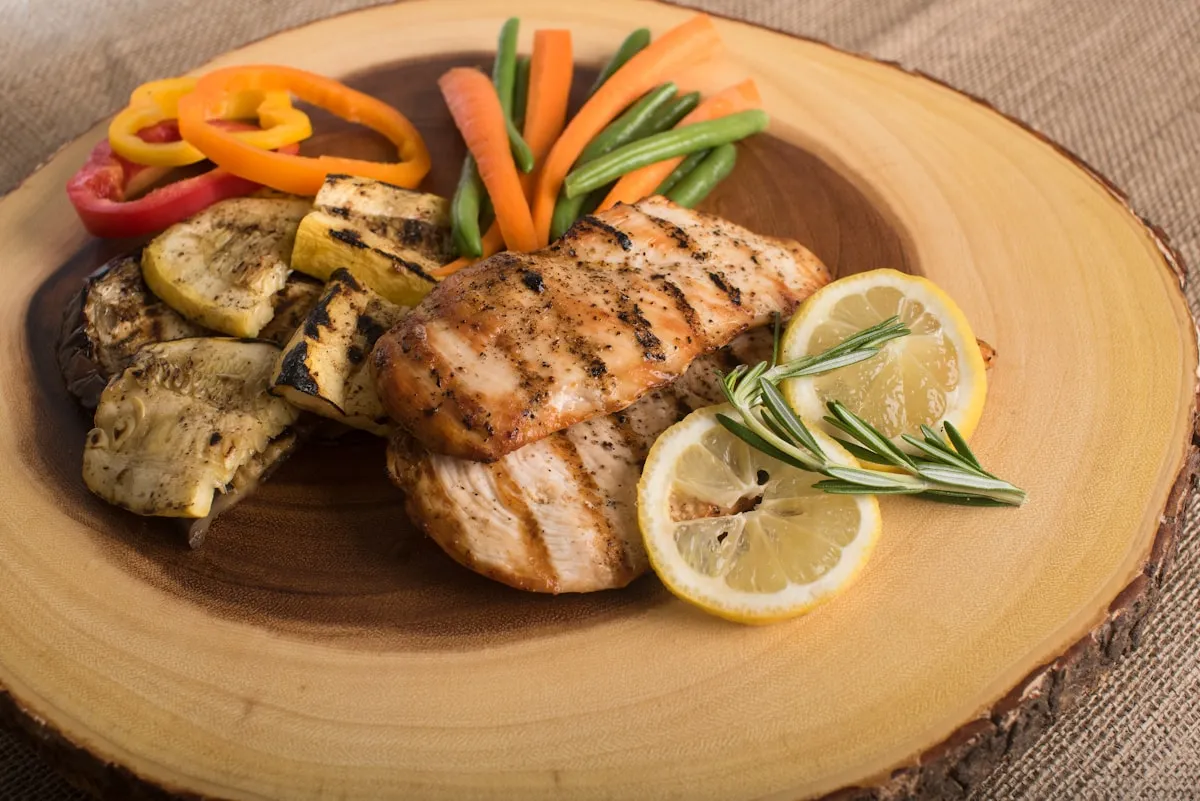
For this recipe to truly shine, you must respect surface area. I say this a lot because it keeps being true: moisture is the enemy of the Maillard reaction. If your chicken is damp when it hits the basket, the air fryer spends precious time evaporating water instead of building color. Use a paper towel. Be thorough. Pat the chicken dry like you mean it. This is not the glamorous part, but it is one of the non-negotiables.
Once the surface is dry, the hot circulating air can do its job immediately. The outside develops browned spots and a lightly dehydrated exterior, while the inside stays juicy because the cooking time is short. That outer texture is a huge win here. It gives the finished dish grip. Coconut milk is silky, yes, but it behaves better when it has a textured surface to coat rather than a slick, steamed one. Think less puddle, more cling.
The air fryer is especially useful for air fryer recipes dinner because it preheats fast and cooks in a compact space. You are not waiting around for a giant oven cavity to get its life together. You are concentrating heat exactly where you need it. That matters for chicken because lean protein has a narrow window between juicy and tragically dry. Fast convection helps you hit that sweet spot with less drama.
Now for the part I really love: the coconut milk. Coconut milk is rich in fat, including medium-chain triglycerides, or MCTs. In plain English, those fats are a big reason coconut milk tastes lush and coats your mouth so nicely without feeling exactly like heavy cream. Fat carries flavor compounds extremely well. Aromatics that would taste flat in water become fuller and rounder in a fatty medium. So when you pair coconut milk with lime zest, garlic, ginger, or any fragrant ingredient in the recipe card, the fat acts like a flavor taxi. It dissolves and distributes fat-soluble aroma molecules through the sauce, which is why the whole thing tastes deeper than the ingredient list suggests.
That lipid-based flavor extraction is the sneaky genius of this dish. Coconut milk is not just there to make things creamy. It is actively pulling flavor from the zest and seasonings and spreading it across every bite of chicken. Use full-fat coconut milk if you want that effect to really pay off. Light coconut milk contains more water and less fat, so it has less carrying power and a weaker mouthfeel. It can still work, but it will not deliver the same rich, rounded finish.
Then lime steps in and keeps the whole thing from becoming a tropical blanket. Fresh lime juice contains citric acid, and that acid changes the way the dish tastes and behaves. First, it brightens flavor by lowering pH, which makes richness feel less heavy on your palate. Second, it interacts with proteins. Acid-denaturation sounds dramatic, but it simply means the acid starts to alter the structure of proteins. In marinades, too much acid for too long can make the outer layer of chicken mushy. That is why you do not want the chicken lounging in lime juice forever like it is on vacation. Keep the acid in balance and add it with intention.
In the finished sauce, lime juice does another useful job. It cuts through the coconut fat, which keeps the dish from tasting flat or overly rich. The trick is to add that acidity without wrecking the emulsion. Dump lime juice into violently boiling coconut milk and you risk a broken sauce. The acid can destabilize the mixture, especially if the coconut milk was already close to separating. So use residual heat or lower heat. Let the sauce calm down before the lime goes in. Control the temperature, and the sauce stays glossy instead of grainy.
Fresh lime zest matters too, maybe more than people expect. Juice gives acidity, but zest gives aromatic oils. Those oils are fat-soluble, which means the coconut milk grabs onto them beautifully. That is where the loudest lime flavor often comes from. Bottled juice can fake the sourness, but it cannot replace the fragrant oils from the peel. Use the fresh stuff. This is one of those tiny choices that makes a very obvious difference.
Convection cooking also helps the flavor balance. Because the chicken browns quickly, you get roasted notes that stand up to the creamy sauce. Without those browned compounds, coconut and lime can taste one-dimensional, almost too soft and too sharp at the same time. Browning gives the dish bass notes; lime gives it treble; coconut fills in the middle. Yes, I just compared dinner to a sound system. It works.
The final point is timing. Add the coconut component too early in high, dry convection and you invite scorching. Add the lime too early and you dull its fresh edge or destabilize the sauce. So keep the sequence disciplined. Brown first. Sauce second. Acid last. That order gives you juicy chicken, a sauce with actual body, and bright citrus that still tastes alive. Ignore the order and you may still get dinner, but you will not get the dinner this recipe is capable of being. And that would be rude to the coconut.
Variations: Making It Your Own
One of the reasons this dish stays in my regular rotation of quick family meals is that the technique bends without breaking. Once you understand the job of the air fryer, the job of the coconut milk, and the job of the lime, you can change the personality of the dish without losing the plot.
If you want a warmer, deeper version, lean into spice. A spoonful of red curry paste makes immediate sense because its chile, lemongrass, and aromatic notes dissolve beautifully into coconut fat. This is a perfect example of lipid-based flavor extraction doing its thing. Fat carries those flavors farther than a watery sauce ever could. Add heat carefully, though. Too much chile can bulldoze the fresh lime, and then the whole balance gets weird.
If you want something greener and sharper, push the citrus-herb angle. Extra zest, fresh herbs, or a little more fragrant allium character can make the dish feel lighter without actually changing the richness underneath. This is useful when you want the meal to land in the lane of healthy dinner ideas without tasting like a compromise. The fat is still there. It just has better manners.
For a plant-based variation, use firm tofu. But do not baby it. Press it well, dry it thoroughly, and let the air fryer build a crust before the sauce goes anywhere near it. Tofu needs that shell, or it can turn soft in a hurry once coated. The reward is excellent texture contrast: crisp outside, tender middle, creamy sauce. Very solid dinner behavior.
Shrimp is another smart swap if you want a faster version. Because shrimp cooks quickly and turns rubbery if overdone, treat the air fryer like a serious machine and not a toy. Use less time, then finish with the sauce right at the end. The bright acid works especially well with seafood because it lifts sweetness without making the dish feel heavy.
You can also shift the richness by adjusting what you serve with it rather than changing the core flavor. That is often the better move. Keep the coconut and lime exactly where they are, then use crisp, bitter, or sharp sides to rebalance the plate. This keeps the dish flexible while preserving the reason it works in the first place.
Side Dish Pairings: The Art of Balance
A good main dish should not bully the rest of the plate. Because this coconut lime chicken is creamy, savory, and bright, your sides need to either absorb that energy or calm it down. Do not pile on more richness just because you can. Restraint is a flavor skill.
I almost always start with jasmine rice. It is neutral, fragrant, and very good at catching sauce without competing with it. That matters because the coconut component is carrying a lot of flavor, and you want something nearby that can absorb it. Rice gives you a soft landing pad. If you want to branch out, plain rice noodles can do a similar job with a slightly springier texture.
For contrast, add something cold and crisp. Cucumber salad is the obvious overachiever here. Its water content and crunch refresh your palate between bites, and a little acidity echoes the lime without repeating it exactly. That kind of echo is useful. It makes the plate feel intentional instead of random.
For a warm vegetable, choose something with bitterness or char. Bok choy, broccolini, or even green beans work because they bring a cleaner, more vegetal note to a sauce built on fat and acid. A little char adds mild bitterness, which helps cut richness in the same way citrus does, just from a different angle. That is balance doing its job.
If you are serving this as part of quick family meals, keep the sides simple and purposeful. One starch, one fresh or green element, done. The chicken already has personality. It does not need backup dancers with pyrotechnics.
FAQ: Solving the “What Ifs”
Can I use light coconut milk instead of full-fat?
You can, but expect a different result. Full-fat coconut milk has more fat, which means better body, better mouthfeel, and better flavor distribution. Those medium-chain triglycerides help carry aromatic compounds from the lime zest and seasonings through the sauce. Light coconut milk has more water, so the sauce tastes thinner and can feel less cohesive. If you absolutely must use it, reduce it gently and do not expect the same velvety finish.
Why did my lime sauce curdle or separate?
Usually, heat is the troublemaker. Coconut milk is an emulsion of fat and water, and it can split if boiled aggressively. Then lime juice shows up with acid and pushes the situation further. Acid-denaturation is useful in controlled amounts, but too much acid added too fast to a boiling sauce can destabilize the mixture. Lower the heat or remove the pan from heat before adding lime. Stir, do not punish.
What if I marinated the chicken in lime too long?
Then the outer layer may start to go oddly soft. Lime juice is acidic enough to begin denaturing surface proteins, which changes texture before the chicken even cooks. A short contact time can be helpful for flavor, but a long soak is not a personality trait; it is a mistake. Keep acidic marinades brief if you want proper texture in the air fryer.
My chicken did not brown in the air fryer. What happened?
Check three things. First, the chicken may have been too wet. Second, the basket may have been overcrowded. Third, your air fryer may not have been fully hot. Convection needs space to work. If the pieces are packed together, they trap steam and stall browning. For strong results in air fryer recipes dinner, dry the surface, leave room between pieces, and cook in batches if needed.
Can I use bottled lime juice?
You can, technically, just like you can technically cut a tomato with a spoon. But I do not recommend it. Bottled lime juice gives acidity, but it lacks the fresh aromatic oils from the zest, and those oils are a huge part of the dish. Coconut fat grabs onto those fragrant compounds and spreads them through the sauce. Fresh lime gives you both acid and aroma. Bottled juice gives you sourness and regret.
Why does fresh lime taste stronger even when I use the same amount of juice?
Because flavor is not just about acidity. Fresh lime includes volatile aromatic compounds, especially if you use the zest. Those aromatic oils hit your nose while the acid hits your tongue, and together they create a fuller lime perception. That is why the dish tastes brighter and more complete with fresh citrus.
How do I reheat this without making the sauce oily?
Use gentle heat. High heat can break the coconut emulsion and force the fat to separate. Reheat slowly in a skillet or use a low air fryer setting for the chicken, then warm the sauce carefully. If the sauce tightens up, loosen it with a small splash of water and stir. Do not blast it. Leftovers deserve dignity too.
Is this good for meal prep?
Yes, with one caution: store the components thoughtfully if possible. The chicken holds up well, but the lime flavor is brightest when fresh. If you know you are prepping ahead, refresh the finished dish with a little extra lime right before serving. That wakes everything back up and keeps it tasting like one of your better healthy dinner ideas instead of a tired fridge project.