Recipe
Servings
Servings 1×
Ingredients
- Avocado
- Onion
- Garlic
- Fresh ginger
- Peanut butter
- Cooking oil
- Chili seasoning
- Black pepper
Method
- Use an oil with a high smoke point.
- Toss them, wipe the pan, and start over.
- Cook in batches if you have to.
- Stir-frying is essentially the manual, high-speed version of that process.
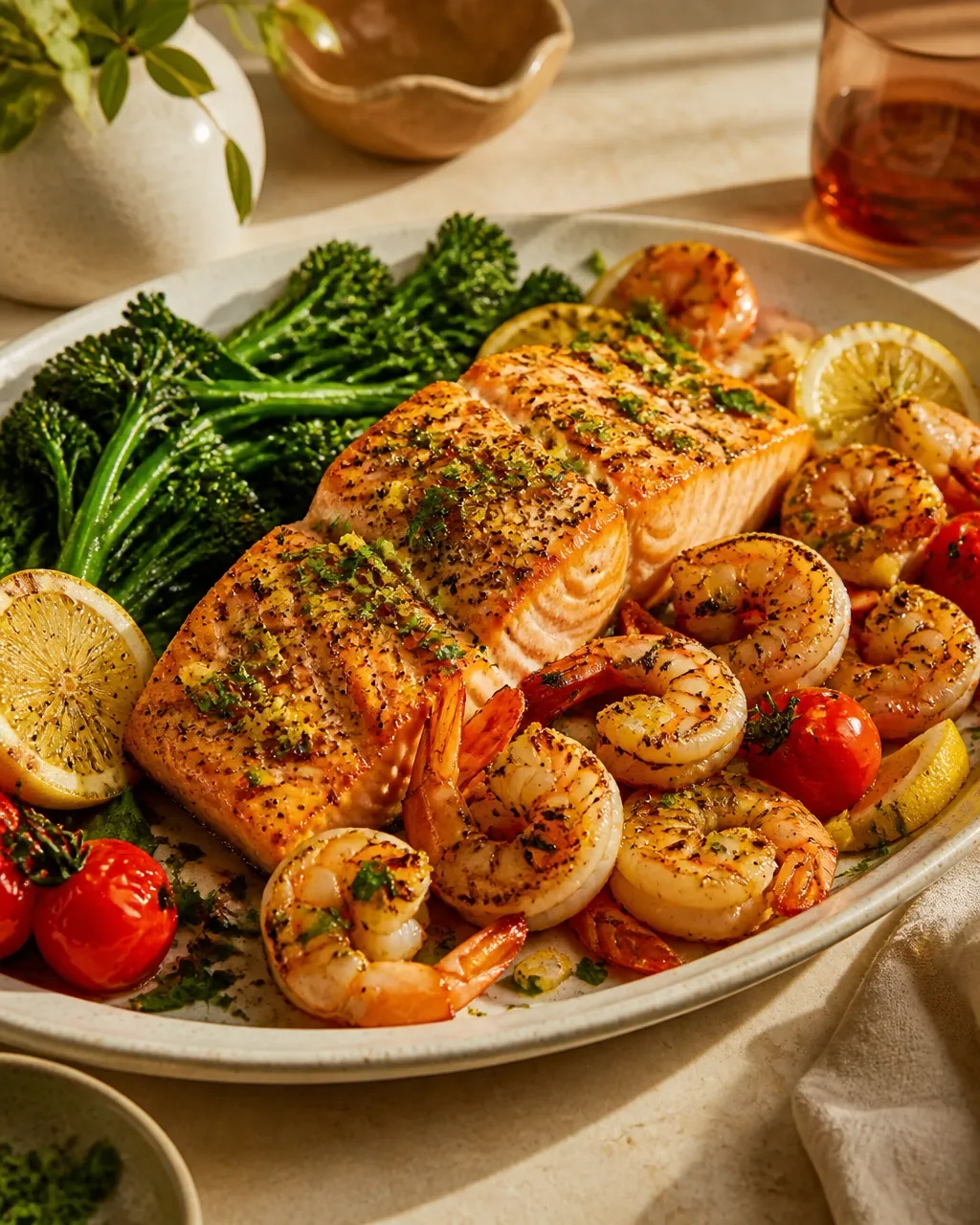
If you have fifteen minutes, you have time for a meal that tastes like it came from a professional kitchen. Most home cooks fail at stir-frying because they treat their stove with too much respect. You need to stop being polite to your pan. We are chasing "Wok Hei", the breath of the wok, and that requires aggressive, unapologetic heat. Forget the long simmering stews; this is high-octane cooking for the hungry and the hurried. It’s one of those quick family meals that proves speed doesn't have to sacrifice soul.
The Science of Searing and the Wok Hei Secret
The magic of a Thai prawn stir-fry isn't just in the fish sauce or the chilies; it’s in the physics of the sear. When you throw cold prawns into a pan that isn't hot enough, they don't sear, they steam. They release their juices, the pan temperature drops, and you end up with rubbery, grey protein swimming in a sad puddle of lukewarm liquid. To avoid this, you must master the Maillard reaction.
The Maillard reaction is the chemical dance between amino acids and reducing sugars that occurs around 300°F to 400°F (150°C to 200°C). This is where those savory, complex, charred flavors are born. For prawns, which are mostly protein, this happens in a flash. You want a pan that is literally screaming, thin wisps of blue smoke should be rising from the oil before the first prawn hits the surface. This is why carbon steel woks are the gold standard; they respond instantly to flame changes and distribute heat with terrifying efficiency.
Use an oil with a high smoke point. Don’t even think about extra virgin olive oil here; it will burn, turn bitter, and ruin your night. Reach for peanut, avocado, or grapeseed oil. These fats can handle the intensity without breaking down. Once the oil is shimmering, add your aromatics, garlic, ginger, and chili, but only for ten seconds. If they turn black, you’ve gone too far. Toss them, wipe the pan, and start over.
Crucially, do not crowd the pan. This is a non-negotiable. If you dump two pounds of prawns into a standard skillet, the surface area isn't large enough to evaporate the moisture instantly. Cook in batches if you have to. You want each prawn to have its own "personal space" on the hot metal so it can develop that golden-brown crust while the inside remains tender and translucent.
This technique is the cornerstone of healthy dinner ideas because it relies on intense flavor development rather than heavy fats or sugars. If you’ve mastered our air fryer sausage pepper onion medley, you already know the value of high-heat air circulation. Stir-frying is essentially the manual, high-speed version of that process.
Variations: From Plant-Based to Extreme Heat
Once you understand the mechanics of the sear, you can swap the protein and keep the soul. If you’re looking for quick family meals that cater to different diets, the stir-fry is your best friend.
For a plant-based twist, use extra-firm tofu. The science remains the same: press the moisture out of the tofu for at least twenty minutes beforehand, then sear it in the same high-heat environment until the edges are crispy and structural. You can also experiment with "surf and turf" by adding thinly sliced flank steak, which benefits even more from the Maillard reaction than seafood does.
If you want to lean into the "Thai" aspect, adjust your "holy trinity" of aromatics. Some regions favor more lemongrass and galangal, while others go heavy on the fermented shrimp paste. For a lower-carb profile that fits into your healthy dinner ideas rotation, swap out the snap peas for bok choy or sliced zucchini. Just remember that veggies with higher water content require even higher heat to prevent sogginess.
Balancing the Plate: Side Dish Pairings
A high-heat stir-fry is intense. It’s salty, spicy, and smoky. To make this a complete meal, you need a side that provides a "cooling" effect or a neutral base to soak up the sauce.
Jasmine rice is the traditional choice for a reason. Its floral aroma and soft texture provide a perfect foil to the charred prawns. If you’re feeling adventurous, a cold cucumber salad with a splash of rice vinegar and a pinch of sugar can provide the acidity needed to cut through the richness of the seared oil.
For those nights when you want to lean into the comfort factor, pair your stir-fry with noodles. You could even use the base of our viral garlic butter ramen hack as a quick carb shortcut. The buttery richness of the ramen actually complements the spicy Thai profile surprisingly well. If you’re trying to keep things light, cauliflower rice is an excellent option, but avoid stir-frying it in the same pan as the prawns, or it will turn into a mushy mess. Cook it separately and keep it dry.
Stir-Fry FAQ: Mastering the Flame
Why do my prawns always come out rubbery?
You are overcooking them. Prawns only need about 60 to 90 seconds per side at high heat. As soon as they change from grey to pink and curl into a "C" shape, they are done. If they curl into an "O" shape, you’ve gone too far and created seafood erasers. Take them out of the pan immediately once they hit that "C" curve.
Can I use frozen prawns for this?
Yes, but you must thaw them completely and, more importantly, pat them bone-dry with paper towels. Any surface moisture will immediately turn to steam when it hits the oil, dropping the temperature and ruining your sear. Frozen prawns often have a protective ice glaze; ensure this is entirely gone before they touch the pan.
What if I don't own a wok?
A large cast-iron skillet is your next best bet. Cast iron retains heat better than almost any other material, which helps maintain the high temperatures needed for the Maillard reaction. Avoid non-stick pans for high-heat stir-frying; most non-stick coatings are not designed to be heated to the smoke point of oil and can release unpleasant fumes.
How do I stop the smoke alarm from going off?
Open a window and turn your exhaust fan to the highest setting. High-heat cooking produces smoke: it’s part of the process. If you aren't seeing a little bit of smoke, you aren't stir-frying; you're just sautéing.
Is this recipe suitable for an air fryer?
While we love air fryer recipes dinner solutions like our kielbasa pierogi roast, the stir-fry is a dish that truly benefits from the direct, intense contact of a pan. You can "roast" prawns in an air fryer, but you won't get the same "Wok Hei" or the concentrated sauce reduction that happens in a wok. Stick to the stove for this one.
What oil is best for the highest heat?
Stick to refined oils. Avocado oil has one of the highest smoke points at 520°F (270°C). Peanut oil is the classic choice for Asian stir-fries because it adds a faint nutty aroma and can handle 450°F (230°C) with ease. Avoid butter or unrefined coconut oil as the solids will burn and leave black specks on your food.