Recipe
Servings
2 portions 1×
Serves 2 portionsPrep 10 minCook 5 minTotal 15 min
Nutrition per serving
Ingredients
- 300 g minced chicken
- 1 cup holy basil
- 1 tbsp fish sauce
Method
- Fry garlic/chili paste in a smoking wok, add meat, and sear until crispy bits form.
- Kill the heat and toss in basil until just wilted to preserve eugenol oils.
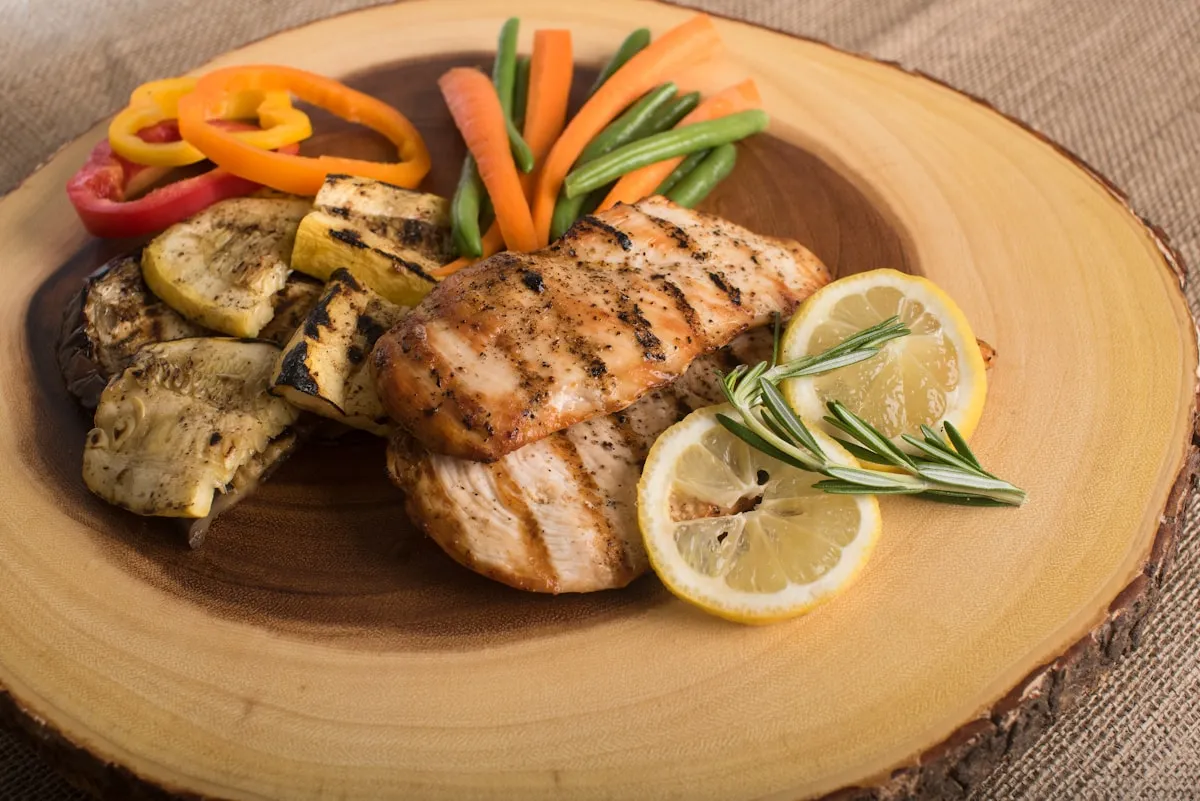
If you have ever walked through the humid, aromatic streets of Bangkok, you know the scent: a punchy, peppery, and intoxicating cloud of garlic, chilies, and basil hitting a scorching hot wok. That is Pad Krapow. It is the ultimate "emergency" meal for when you are starving but still expect dinner to show some personality. It is fast, loud, wildly aromatic, and one of those dishes that proves quick family meals do not have to taste polite.
The Science of the Sizzle: Volatile Oils and Wok Thermodynamics
The secret to a great Pad Krapow is not a mystical grandma whisper or a giant ingredient list. It is heat control and timing. This dish lives or dies by how fast you can build flavor before moisture sabotages everything. That sounds dramatic, but so is a soggy stir-fry, and not in a fun way.
Start with the pan situation. You want serious thermal energy stored in the metal before the food goes anywhere near it. A wok is ideal because its thin carbon-steel body heats rapidly and creates zones: blistering hot at the base, calmer around the sides. That shape lets you sear in one spot and briefly park food in another without turning dinner into a science fair accident. If you are using a heavy skillet, the principle stays the same. Preheat it thoroughly. Don’t rush. The pan needs enough energy to absorb the cooling effect of raw chicken, aromatics, and sauce without collapsing into a sad simmer.
That matters because water is the villain here. Raw chicken contains plenty of it. Garlic carries moisture. Chilies do too. The moment they hit the pan, that water starts evaporating, and evaporation steals heat. In thermodynamic terms, phase change is expensive. Energy that could be driving browning gets diverted into turning liquid water into steam. If your pan starts too cool, the surface temperature drops below the point where aggressive browning happens, and your chicken begins to steam instead of sear. The result is pale, damp, and deeply unexciting.
There is another thermodynamic wrinkle that makes wok cooking so effective: constant heat recovery. A properly preheated wok rebounds quickly after ingredients are added, especially if you avoid crowding. That rebound matters because high-heat stir-frying is not just about peak temperature; it is about maintaining a high enough average surface temperature through the whole cook. A pan that spikes hot and instantly crashes is basically a drama queen. A good wok holds enough momentum to keep browning, reducing, and aromatic blooming all moving in the right direction.
Chase contact, not chaos. Spread the meat so it actually touches the hot metal. Let it sit for brief moments instead of stirring like you are late for a train. Browning needs surface contact and time. Once the proteins and sugars at the exterior reach the right temperature, the Maillard reaction kicks in and starts creating hundreds of new flavor compounds: nutty, roasted, savory, almost smoky. That is the backbone of Pad Krapow’s depth. Without it, all you have is minced chicken in a salty sauce, which is technically dinner but not exactly a victory lap.
That browning is not the same thing as burning, and it is worth knowing the difference. Maillard reactions generally happen in a lower temperature band than full-on carbonization. You want deep browning and concentrated savory notes, not blackened bitterness. This is why stirring rhythm matters. Stir too much and the meat never sits long enough to brown. Ignore it completely and your garlic can go from fragrant to furious in seconds. Use short bursts of movement. Let the wok work, then intervene before things cross the line from charred and exciting to acrid and tragic.
Hand-minced chicken helps for the same reason rough-cut vegetables roast better than perfectly uniform cubes sometimes do: irregularity creates opportunity. Tiny edges crisp fast. Slightly larger bits stay juicy. Those different pieces heat at slightly different rates, so you get a mix of caramelized corners and tender centers. Use ground chicken if that is what you have, but know what you are trading away. Smooth, factory-fine mince cooks more evenly, yes, but it also gives you fewer peaks and crags to catch serious browning.
There is also a moisture-management advantage to rougher mince. Uneven surfaces create pockets where rendered fat and reduced sauce can cling, while thinner protruding bits dehydrate faster and develop better crust. This gives you more flavor concentration per bite. In a dish this fast, surface area is not trivia. It is strategy.
Now for the star ingredient that makes this dish more than just spicy chicken: holy basil. This is the non-negotiable aromatic signature of Pad Krapow, and the reason the dish smells so outrageously good right at the finish. Holy basil contains volatile oils, especially eugenol, along with other aromatic compounds that read as peppery, clove-like, slightly medicinal in the best possible way, and unmistakably sharp. “Volatile” is the key word. These compounds evaporate easily. That is great for your nose and terrible for overcooking.
The moment holy basil hits high heat, its cell walls rupture and those oils start escaping into the air. That burst is exactly what you want, but only briefly. Cook basil too long and the best aromas literally leave the pan and float off into your kitchen. You are left with wilted green flecks and the vague memory of what could have been. Add it late. Toss it through just long enough for residual heat to bruise and perfume the dish. Use the carryover heat of the wok as your finishing tool. That is not fussiness; that is flavor preservation.
Aromatic oil extraction is doing double duty here. Some compounds from basil, garlic, and chilies dissolve into the hot fat in the pan, which helps spread their flavor across the meat. Others shoot upward in steam and hot air, which is why the aroma hits your face before the fork does. Great Pad Krapow works on both channels at once: the fat carries flavor across the tongue, while the airborne compounds set off your nose. If either side is weak, the dish feels flatter than it should.
Sweet Thai basil is not the same thing. It has a more anise-forward profile and behaves differently under heat. Holy basil is rougher around the edges, more peppery, more savory, and better suited to the deep umami and fire of Pad Krapow. If you swap it, the dish can still taste good, but it slides sideways into a different flavor map. Delicious? Sure. Classic? Not quite.
Garlic and chilies deserve the same respect. Their aromatic compounds bloom in hot fat, not in watery conditions. Oil acts like a solvent and flavor courier, pulling fat-soluble compounds out of the aromatics and distributing them around the pan. That is why the first seconds matter so much. Fry them briefly and they become fragrant, sweet-edged, and complex. Let them sit too long and they scorch, turning bitter faster than a bad dinner guest.
Garlic is especially sneaky. Its flavor starts with sulfur-containing compounds that transform quickly once the cells are broken. In moderate heat, those compounds mellow and sweeten. In excessive direct heat, they burn and turn harsh. Chilies behave differently. Their heat comes mostly from capsaicinoids, which are fat-soluble, so frying them in oil helps spread their fire more evenly through the dish. That is why a quick fry gives you fuller chili flavor, not just random painful bites.
Then comes the sauce, which looks simple but behaves like a heat test. Salty seasonings bring umami, sugar supports balance, and the small amount of liquid deglazes the browned bits clinging to the pan. But that liquid must reduce quickly. You are not making soup. You are making a glossy coating that clings to the meat. If the pan remains hot enough, the sauce reduces almost on contact, concentrating savory notes and glazing every nook of the chicken. If the pan is too cool, the liquid pools, the meat stews, and your carefully built browning starts dissolving back into mediocrity.
Sugar is useful here for more than sweetness. In a small amount, it helps round off the edges of salty and spicy flavors, but it also encourages faster gloss and stick in the reduced sauce. The goal is not candy. The goal is a lacquered finish that clings instead of dribbling to the bottom of the plate like it has given up on life.
This is why Pad Krapow feels so thrilling when it is done right. It is a race between evaporation, browning, and aroma loss. You want enough heat to drive off moisture quickly, enough contact to build crusty edges, and enough restraint to add holy basil at the very end before its volatile oils vanish into the ceiling. It is one of the best healthy dinner ideas when you want huge flavor without a complicated production, but only if you respect the non-negotiables: hot pan, fast cooking, late basil.
And yes, the whole thing is quick. That does not make it casual in the technical sense. Fast cooking is less forgiving, not more. In slower dishes, you can hide mistakes under time. In wok cooking, every second tattles. Preheat fully. Avoid crowding. Finish fast. Let the basil perfume, not boil. Do that, and this instantly graduates from “one of those air fryer recipes dinner people make on autopilot” to something much more alive, crackly, and worth repeating.
Flavor Variations: Same Physics, Different Personality
While chicken is the classic choice, Pad Krapow is really a method dressed as a dish. Keep the heat high, keep the moisture under control, and keep holy basil in the starring role. Everything else can shift a little without the whole thing losing its swagger.
The Pork Powerhouse: Minced pork brings more fat, which means more lubrication for heat transfer and a richer final coating on the meat. That extra rendered fat also carries aromatic compounds beautifully, so the basil and chili notes feel rounder and more persistent. The trade-off is richness. Pair it with something sharp or cool so the dish does not bulldoze your palate by bite three.
The Turkey Detour: Ground turkey works, but choose dark meat if you can. Lean breast meat sheds moisture and dries out fast under the kind of heat Pad Krapow demands. Darker meat gives you a little more margin and a flavor profile that stands up better to assertive seasoning. It is a nice move if you are collecting healthy dinner ideas but still want dinner to taste like it has a pulse.
The Crispy Tofu Twist: Crumbled tofu can absolutely work, but only if you treat moisture as the enemy. The more water you remove first, the better the tofu fries instead of sputters. Its sponge-like structure also grabs sauce aggressively, which is useful because tofu itself is flavor-shy. The final dish tastes less meaty, obviously, but more aromatic because the basil and chili stay front and center.
The Bean Boost: Long beans or green beans add contrast that is not just textural but thermal. Their snap interrupts the soft richness of the meat and rice, making each bite feel less heavy. That is not garnish behavior. That is structural support.
If you want to experiment, change one major variable at a time. Swap the protein or tweak the heat level, but do not also replace the basil and use a crowded pan and then wonder why the whole thing tastes confused. Pad Krapow is flexible, but it still has rules. The method is what keeps it from becoming random spicy mince in a bowl.
Side Dish Pairings: Build Contrast, Not Competition
Pad Krapow is intense by design, so pair it with things that reset your palate rather than pile on more richness. You want cooling, cushioning, or a little acidity. Think balance, not backup singers trying to steal the mic.
The Non-Negotiable Fried Egg (Khai Dao):
This is still the first side I would add. The crisp, lacy edges bring crunch, while the yolk softens the salinity and chili heat once it mingles with the sauce. It is not decoration. It is damage control, in the best way.
Cooling Elements:
Use cold cucumber, lightly dressed cucumbers, or even crisp lettuce leaves on the side. High-water vegetables physically dilute the heat of capsaicin in your mouth between bites. They also make the whole plate feel fresher, which matters when the main dish comes in hot and aggressive.
The Rice Base:
Jasmine rice remains the ideal landing pad because its fragrance echoes the basil and its texture catches the sauce without fighting it. If you want to lighten the plate, serve a smaller portion of rice and increase the cool vegetables. That keeps the meal satisfying without muting the dish’s best qualities. For busy nights, this is exactly why Pad Krapow earns a spot among quick family meals: bold flavor, smart contrast, and very little fuss once the pan is hot.
FAQ: Mastering the Wok
Can I use regular Italian basil?
You can, but the flavor profile changes a lot. Italian basil leans sweet and softer, while holy basil is peppery, clove-like, and more savory. If holy basil is the engine of this dish, Italian basil is more like a polite substitute driver. It will get you there, but not with the same attitude. If that swap is your only option, add the basil at the very end and expect a gentler aroma.
Why is my stir-fry watery?
Your pan probably lost the heat battle. Crowding is the usual culprit, but cold meat can also contribute. When too much cool food lands in the pan at once, the metal temperature drops and moisture starts pooling faster than it can evaporate. Once that happens, browning stalls. Use a larger pan, cook in batches, and give the meat direct contact with the surface. Do not stir nonstop. Let the pan do its job.
Why doesn’t mine smell as strong as restaurant Pad Krapow?
Usually because the basil went in too early or the heat was too low at the wrong moment. Holy basil’s volatile oils evaporate quickly. That dramatic aroma burst is strongest right after the leaves hit the hot food. Add them too soon and those compounds disappear before the dish reaches the table. Add them at the finish and serve immediately. Aroma is part of the meal, not a bonus feature.
How do I control the spice level without wrecking the dish?
Adjust the chilies, not the basil. The basil is the identity; the chilies are the thermostat. Use fewer chilies, remove seeds if needed, or slice them instead of pounding them. Crushing chilies releases more capsaicin-rich oils and distributes heat more aggressively. Slicing gives you clearer, more isolated bursts of heat. That is useful if you are cooking for people with different tolerance levels.
Can I make this in a nonstick pan?
Yes, but know the limitation. Most nonstick pans do not love the kind of extreme heat that gives Pad Krapow its deepest browning. You can still make a good version, but you may miss some of the charred, smoky complexity you get from steel or cast iron. If nonstick is what you have, preheat moderately well, avoid crowding even more aggressively, and accept that this will land closer to “very good weeknight dinner” than peak street-stall drama.
Can I prep it ahead?
Yes, but prep components rather than the finished dish. This is one of those recipes where the final few minutes matter too much to fully cook in advance. Mince the protein, prep the aromatics, and wash the basil ahead of time. Then cook just before serving. Reheating a finished batch tends to dull the basil aroma and overcook the meat. Fast cooking is your friend here.
Is this one of those air fryer recipes dinner swaps can improve?
Not really. The air fryer is great for plenty of things, but Pad Krapow depends on direct pan contact, rapid evaporation, and fast sauce reduction in a very small window. An air fryer can cook the chicken, sure, but it cannot recreate the same aromatic bloom or glazed finish. Save the basket for something else. Use the wok for this one.
What if I only have sweet Thai basil?
Use it if needed, but treat it gently and keep your expectations realistic. Sweet Thai basil gives a more licorice-like note and a slightly smoother finish. The dish will still be tasty, just less punchy and less earthy. If you are choosing between the wrong fresh basil and dried basil, pick the fresh basil every time. Dried basil in Pad Krapow is just culinary fan fiction.
Can this fit into lighter eating?
Absolutely. Serve it with plenty of cucumber, use lean but not ultra-lean meat, and keep the rice portion sensible. The dish is naturally high in flavor, which helps a lighter plate feel satisfying instead of punished. Among healthy dinner ideas, this one works because it tastes vivid enough that you do not feel like you are “being good.” You are just eating smart.