Recipe
Servings
Servings 1×
Ingredients
- Salmon
- Shrimp
- Tofu
- Quinoa
- Pasta
- Rice
- Greek yogurt
- Tortillas
- Bread
- Greens
- Cucumber
- Avocado
- Lemon
- Cream
- Cooking oil
- Sesame
- Salt
Method
- Let’s be honest: your weeknight kitchen usually feels more like a chaotic battleground than a serene sanctuary.
- Use short-grain Japanese rice if you want that classic "sticky" feel; the high starch content allows the grains to cling together without turning into a singular, mushy blob.
- Whisk your sauce ingredients together in a separate bowl before you ever let them touch the tuna.
- Drain your tuna thoroughly.
- Use a mandoline or a vegetable peeler to get your cucumbers paper-thin.
- Toss firm tofu cubes in a little cornstarch and sesame oil, then pop them into the air fryer until they’re golden.
Let’s be honest: your weeknight kitchen usually feels more like a chaotic battleground than a serene sanctuary. Between the emails and the endless laundry, the last thing you want is a recipe that requires a three-hour commitment and a culinary degree. Enter my 15-minute spicy tuna sushi bowls. They are the ultimate shortcut to a restaurant-quality meal without the sushi-rolling frustration. These bowls are absolute lifesavers when you need quick family meals that actually taste like effort went into them. Trust me, once you master this balance of creamy, spicy, and fresh, your takeout app is going to get very lonely.
The Starch Science: Why Rice Texture Is Non-Negotiable
If you’ve ever wondered why your home-cooked rice doesn't hit like the stuff from your favorite sushi spot, it usually comes down to starch management. For these bowls, you want rice that is tender but holds its shape. This is all about the ratio of amylose to amylopectin. Use short-grain Japanese rice if you want that classic "sticky" feel; the high starch content allows the grains to cling together without turning into a singular, mushy blob.
If you are a fan of texture, consider the "retrogradation" trick. When you cook rice and then let it cool, the starch molecules reorganize into a firmer, more crystalline structure. This is why day-old rice is the secret to getting a crispy crust if you decide to pan-fry your rice base. If you're going for a soft, steamy bowl, keep your rice warm and fold in a splash of seasoned rice vinegar. The acidity doesn't just add flavor; it helps break down the outer starch layer slightly, giving the rice a glossy sheen that mimics the perfectly glossy sauce you’d find in a high-end pasta dish.
Avoid using long-grain rice like Basmati here. It’s too fluffy and "dry" for a sushi bowl experience. You need those grains to have enough surface moisture to grab onto the spicy mayo. Wash your rice until the water runs clear, this removes excess surface starch that causes clumping, and let it steam for at least five minutes after the heat is off. This resting period ensures the moisture is evenly distributed through each grain.
The Emulsion Equation: Achieving the Perfect Spicy Tuna
The heart of this dish is the spicy tuna, and its success relies entirely on a stable emulsion. When you mix sriracha (which is water-based) with mayonnaise (an oil-in-water emulsion), you’re creating a complex sauce that coats the protein. Whisk your sauce ingredients together in a separate bowl before you ever let them touch the tuna. This ensures the flavors are perfectly homogenous and the fat from the mayo is ready to wrap around the tuna flakes.
Choose solid white albacore or skipjack tuna for the best results. Avoid the "chunk light" varieties that look like they’ve been through a blender; you want distinct flakes that provide a meaty bite. Drain your tuna thoroughly. If there’s too much water or oil left in the can, it will break your emulsion and leave you with a watery, unappealing mess. Once the tuna is dry, fold it gently into your spicy sauce. Over-mixing will turn your beautiful fish into a paste, which is a crime against texture.
Don't forget the sesame oil. While mayo provides the body, sesame oil provides the "top notes" of aroma. Because fat carries flavor, the oil helps the spice from the sriracha bloom across your palate. If you want to elevate this to the level of healthy dinner ideas that don't feel like a sacrifice, swap a portion of the mayo for Greek yogurt. The lactic acid in the yogurt adds a tang that cuts through the richness of the fish, similar to how a squeeze of lemon brightens a heavy meal.
Freshness and Crunch: The Art of Toppings
A sushi bowl is only as good as its supporting cast. You need high-contrast textures to keep your taste buds interested. Think of your toppings in three categories: the crunch, the cream, and the zing. Cucumber ribbons and sliced radishes provide the structural crunch that contrasts with the soft rice. Avocado offers a buttery, fatty "cream" that rounds out the heat from the sriracha.
Use a mandoline or a vegetable peeler to get your cucumbers paper-thin. This increases their surface area, allowing them to soak up any extra sauce or vinegar on the plate. If you find yourself gravitating toward air fryer recipes dinner fans love, you know that texture is king. Apply that same logic here by ensuring your edamame is properly blanched and shocked in ice water to maintain that snap.
Check your nori (seaweed) for crispness. If it’s been sitting in your pantry and has gone soft, a quick five-second toast over a low gas flame will revive that salty, oceanic crunch. Sprinkle furikake, a Japanese seasoning mix with seaweed, sesame seeds, and dried fish, over everything at the very last second. The salt in the furikake will start to draw moisture out of the veggies if it sits too long, so timing is everything.
Creative Variations: From Tofu to Grains
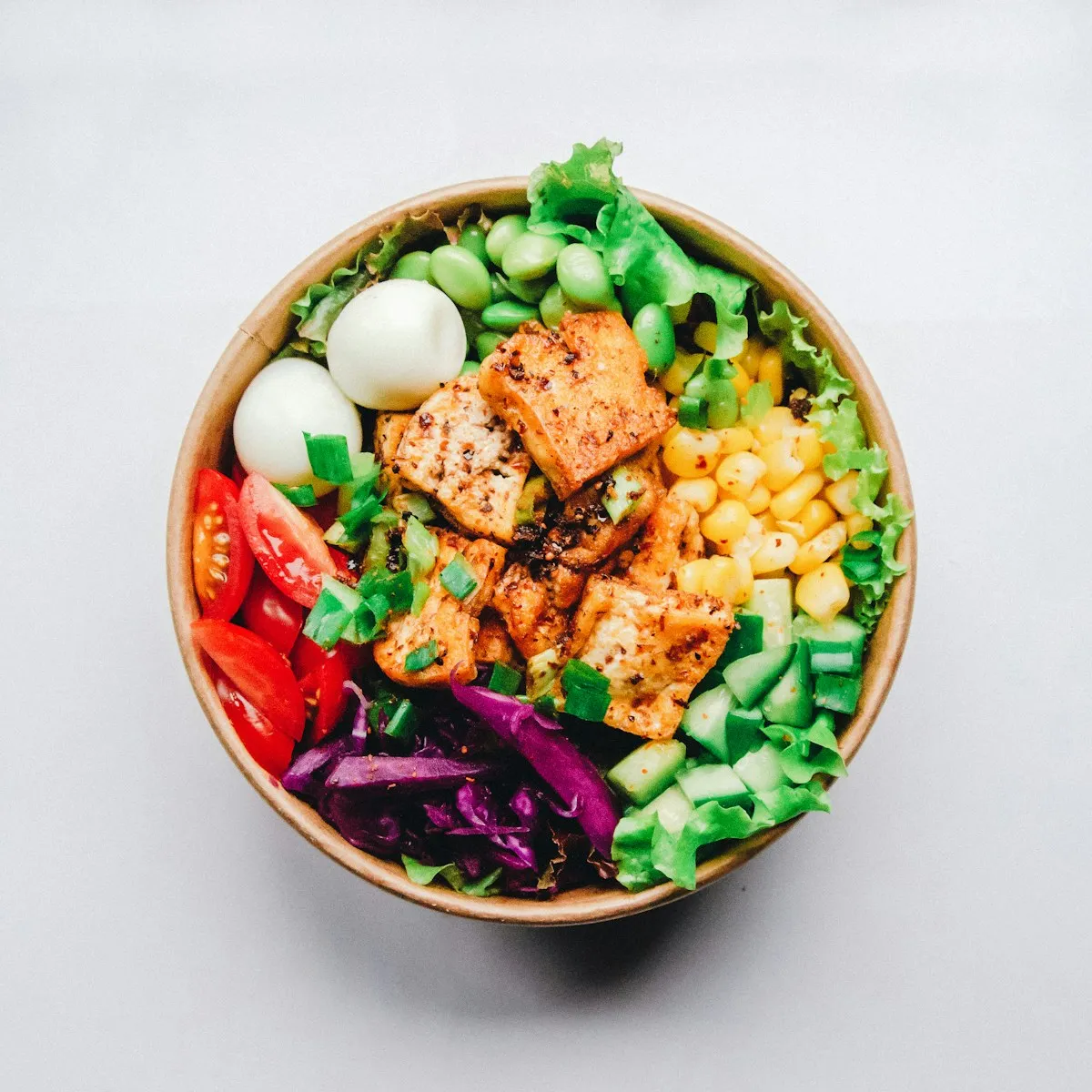
While tuna is the star of the show, you can easily pivot this recipe to suit whatever is in your fridge. If you aren't in the mood for fish, air-fried tofu is an incredible substitute. Toss firm tofu cubes in a little cornstarch and sesame oil, then pop them into the air fryer until they’re golden. This is one of those healthy dinner ideas that converts even the staunchest tofu skeptics because the exterior gets incredibly crispy while the inside stays tender.
For a keto-friendly version, ditch the rice entirely and use a bed of shredded cabbage or "cauli-rice." The spicy tuna mixture is naturally low-carb, so you’re already halfway there. If you want a heartier, more rustic feel, swap the white rice for quinoa or farro. These grains offer more fiber and a nutty depth that stands up well to the bold spice of the sriracha.
You can also experiment with the protein itself. Smoked salmon or even cooked shrimp work beautifully with the spicy mayo base. If you’re looking for other quick family meals that utilize the same "bowl" philosophy, consider a deconstructed version where you place all the toppings in the center of the table and let everyone build their own. It’s the ultimate low-effort, high-reward strategy for a busy Tuesday night.
Side Dish Pairings: Balancing the Heat
To turn these bowls into a full-spread feast, look for sides that offer acidity or a cooling effect. A simple miso soup is the classic choice; its fermented umami depth provides a savory counterpoint to the spicy tuna. If you want something more substantial, a cold seaweed salad or a plate of sunomono (pickled cucumbers) will provide the necessary acid to cleanse your palate between spicy bites.
Avoid sides that are overly heavy or greasy. Since the tuna mixture is already quite rich with mayo, you want to keep the surrounding dishes light. If you’re coming from a session of making comfort food cheat codes, remember that sushi is about precision and lightness. A simple plate of steamed broccoli with a drizzle of soy sauce or even some charred shishito peppers, one of the easiest air fryer recipes dinner lovers can whip up, adds a sophisticated touch without much extra work.
Frequently Asked "What If" Questions
Can I use canned tuna instead of raw fish?
Absolutely. In fact, most 15-minute versions of this recipe rely on canned tuna because it’s shelf-stable and requires zero prep. Just make sure you buy high-quality, solid white albacore. The science is the same: the spicy mayo coats the cooked protein, creating a rich and satisfying texture.
Why is my spicy mayo separating?
Separation usually happens because of temperature or improper mixing. If your rice is boiling hot when you add the mayo-covered tuna, the heat can cause the emulsion to "break," leaving you with an oily residue. Let the rice cool for a minute or two before assembling. Also, ensure your sriracha and mayo are at room temperature before whisking.
Is it safe to use "sushi-grade" tuna from the grocery store?
"Sushi-grade" is actually a marketing term rather than a legal one. However, it generally means the fish has been flash-frozen to a specific temperature to kill any parasites. If you want to use raw tuna, buy it from a reputable fishmonger and ask specifically if it is safe for raw consumption. If you're in doubt, stick to the canned version or cooked shrimp.
How do I stop my avocado from browning?
Avocados brown because of an enzyme called polyphenol oxidase reacting with oxygen. To prevent this, toss your slices in a bit of lime or lemon juice. The citric acid lowers the pH, which slows down the enzymatic reaction. Alternatively, keep the avocado in the pit until the very last second.
Can I meal prep these bowls?
Yes, but keep the components separate. Store the rice, tuna mixture, and vegetables in individual containers. The salt in the tuna and the vinegar in the rice will turn the vegetables soggy if they sit together for more than a few hours. Assemble right before you’re ready to eat for that fresh, restaurant-quality snap.
{“@type”:”BlogPosting”,”image”:”https://cdn.marblism.com/5sbYbEQU8uO.webp”,”author”:{“name”:”Cookpedia”,”@type”:”Organization”},”@context”:”https://schema.org”,”headline”:”15-Minute Spicy Tuna Sushi Bowls”,”publisher”:{“logo”:{“url”:”https://cookpedia.com/logo.png”,”@type”:”ImageObject”},”name”:”Cookpedia”,”@type”:”Organization”},”mainEntity”:{“@type”:”FAQPage”,”mainEntity”:[{“name”:”Can I use canned tuna instead of raw fish?”,”@type”:”Question”,”acceptedAnswer”:{“text”:”Yes, high-quality solid white albacore is a perfect and safe substitute for raw fish in these bowls.”,”@type”:”Answer”}},{“name”:”Why is my spicy mayo separating?”,”@type”:”Question”,”acceptedAnswer”:{“text”:”Separation occurs if the rice is too hot or if ingredients were not whisked together at room temperature before mixing.”,”@type”:”Answer”}},{“name”:”How do I stop my avocado from browning?”,”@type”:”Question”,”acceptedAnswer”:{“text”:”The citric acid in lemon or lime juice lowers the pH and prevents the enzymatic browning process.”,”@type”:”Answer”}}]},”description”:”A quick, science-backed guide to making restaurant-quality spicy tuna bowls at home in just 15 minutes.”,”datePublished”:”2026-05-28″,”mainEntityOfPage”:{“@id”:”https://cookpedia.com/15-minute-spicy-tuna-sushi-bowls”,”@type”:”WebPage”}}