Recipe
Servings
Servings 1×
Ingredients
- Chickpeas
- Black beans
- Beans
- Quinoa
- Rice
- Greek yogurt
- Cauliflower
- Broccoli
- Mushrooms
- Corn
- Avocado
- Tomatoes
- Onion
- Lemon
- Lime
- Tahini
- Hard cheese
- Feta
Method
- Use slightly less liquid than the standard 2:1 ratio; aim for 1.75 parts liquid to 1 part quinoa.
- Brush them with a little oil and bake them for about 15 minutes before the filling goes in.
- Use a spicy tomato base: much like the one we use for our Spicy Tomato Basil One-Pot Linguine : and mix in some vegetarian sausage crumbles or sautéed mushrooms.
There is something inherently satisfying about a meal that comes in its own edible bowl. Quinoa-stuffed bell peppers are my go-to when I want a dinner that looks like it took hours but actually fits perfectly into a rotation of quick family meals. They are vibrant, packed with texture, and incredibly forgiving. Whether you are leaning into a plant-based lifestyle or just trying to clear out the crisper drawer, mastering the balance between a tender pepper and fluffy quinoa is the secret to moving this dish from "health food" to a genuine family favorite.
The Science of Texture: Why Your Quinoa and Peppers Matter
Achieving the perfect stuffed pepper isn't about luck; it is about understanding how moisture and heat interact with your ingredients. If you’ve ever bitten into a stuffed pepper only to find a watery, mushy mess or a crunchy, undercooked grain, you know the struggle.
First, let’s talk about the quinoa. Quinoa is coated in saponins: natural, soap-like compounds that protect the plant from pests. If you don't rinse your quinoa thoroughly under cold water, those saponins will leave a bitter, metallic aftertaste that ruins your healthy dinner ideas. Scientifically, once you start cooking, the starch granules in the quinoa begin to gelatinize. For stuffed peppers, you want to stop the cooking process just as the little white "tails" (the germ) begin to unfurl. Use slightly less liquid than the standard 2:1 ratio; aim for 1.75 parts liquid to 1 part quinoa. This ensures the grains stay distinct and "al dente," as they will continue to absorb moisture from the peppers and salsa once they are in the oven.
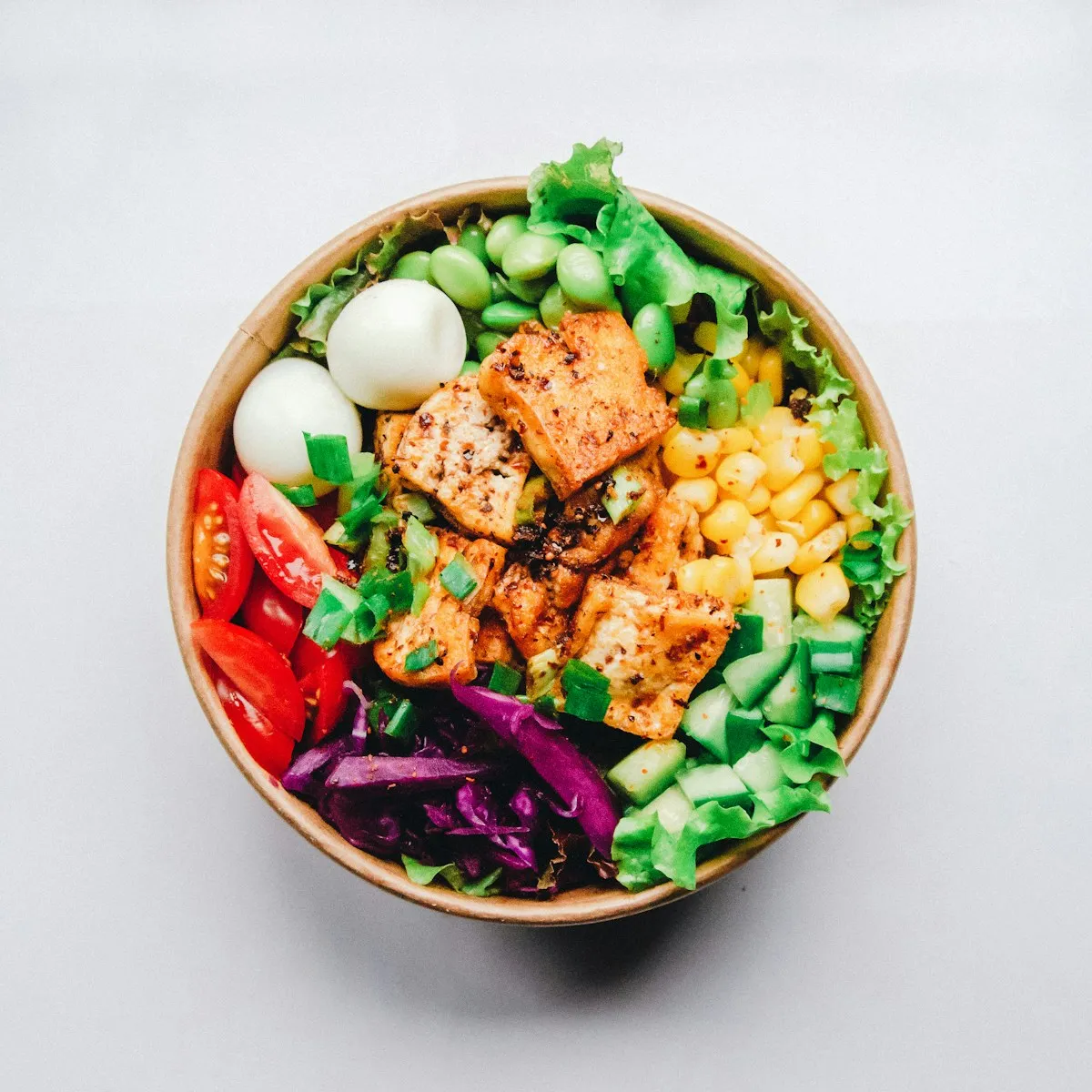
Next, consider the pepper itself. Bell peppers are held together by pectin, a structural fiber in the cell walls. When you bake a pepper, that pectin breaks down, causing the vegetable to soften and release its natural sugars. If you stuff a raw pepper and bake it, the filling often finishes before the pepper is tender. To fix this, always par-roast your pepper halves. Brush them with a little oil and bake them for about 15 minutes before the filling goes in. The oil increases heat transfer, helping to blister the skin and develop those sweet, caramelized notes that make the dish pop.
Avoid the "wet filling" trap. If your filling contains canned beans or tomatoes, drain them aggressively. Excess water in the stuffing will steam the pepper from the inside out, leading to a structural collapse. You want a thick, hearty mixture that holds its shape. If your filling looks a bit soupy, cook it down in a skillet for a few minutes to evaporate that extra moisture before stuffing. This technique is similar to how we manage moisture in our Air Fryer Sausage Pepper Onion Medley to keep everything crisp rather than soggy.
Flavor Variations to Keep Things Fresh
The beauty of quinoa is that it acts as a blank canvas for whatever flavor profile you’re craving. While a Southwestern vibe with black beans, corn, and cumin is a classic, don't be afraid to travel across the globe with your spices.
For a Mediterranean twist, swap the beans for chickpeas and stir in some sun-dried tomatoes, Kalamata olives, and a handful of feta cheese. The acidity of the olives cuts through the earthiness of the quinoa beautifully. If you're looking for something with a bit more kick, try a spicy Italian version. Use a spicy tomato base: much like the one we use for our Spicy Tomato Basil One-Pot Linguine: and mix in some vegetarian sausage crumbles or sautéed mushrooms.
If you are watching your carb intake, you can even do a 50/50 split of quinoa and cauliflower rice. This maintains the "grain" feel while lightening up the dish significantly. Just remember that cauliflower rice releases more water than quinoa, so you’ll need to sauté it first to ensure your peppers don't turn into a soup bowl.
Mastering the Perfect Side Dish Balance
Since stuffed peppers are quite hearty and often contain a mix of protein, grains, and vegetables, your side dishes should focus on adding freshness and acidity to balance the roasted sweetness of the peppers.
A bright, citrus-heavy salad is the ultimate partner here. Think of an arugula salad with a lemon-tahini dressing; the peppery bite of the greens and the sharpness of the lemon provide a necessary contrast to the dense, savory filling of the peppers. You can also lean into creamy textures to offset the slight char of the roasted pepper skins. A dollop of Greek yogurt or a few slices of fresh avocado on top can act as a "cool-down" element, especially if you’ve added jalapeños or chili flakes to your quinoa mixture.
If you’re serving these as part of a larger spread, keep the other sides simple. Roasted broccoli with a heavy dusting of parmesan or a quick slaw with lime juice and cilantro will round out the meal without competing for the spotlight.
Frequently Asked Questions
Why did my peppers turn out so watery?
Watery peppers usually happen for two reasons: skipping the par-roasting step or using a filling that is too wet. When peppers cook, they release moisture. If that moisture has nowhere to go because it’s trapped under a layer of cheese and dense filling, it pools at the bottom. Par-roasting the empty peppers allows some of that initial moisture to evaporate. Also, ensure your quinoa is fully drained and any added veggies (like zucchini or spinach) are sautéed first to remove their water content.
Can I make these in an air fryer?
Absolutely! Stuffed peppers are fantastic candidates for air fryer recipes dinner. The circulating hot air does a great job of blistering the skins and melting the cheese quickly. To do this, air fry the empty pepper halves at 375°F (190°C) for about 5–8 minutes until they start to soften. Then, add your filling and air fry for another 5–10 minutes. It’s a great way to get that oven-roasted taste in half the time, similar to how we handle quick meals like our Kielbasa Pierogi Air Fryer Roast.
My quinoa is still crunchy; what happened?
Crunchy quinoa is usually a sign of under-hydration or insufficient steaming. If the grains are still hard, they didn't absorb enough liquid during the initial simmer. To fix this in the future, make sure you let the quinoa rest, covered, for at least 5 to 10 minutes after the heat is turned off. This "off-heat" steaming is crucial for the moisture to penetrate to the center of the grain. If you’ve already stuffed the peppers and notice the crunch, add a tablespoon of broth or water into each pepper cavity and cover the whole baking dish tightly with foil to create a steam chamber for the remainder of the bake.
How do I stop the peppers from tipping over in the oven?
This is a classic kitchen frustration! The easiest fix is to slice a tiny sliver off the bottom of the pepper to create a flat base: just be careful not to cut all the way through, or your filling will leak out. Alternatively, use a baking dish that is just large enough to hold the peppers snugly so they support each other, or nestle them into "nests" made of crumpled aluminum foil to keep them upright.
{“@type”:”BlogPosting”,”image”:”https://cdn.marblism.com/m0YulEQ3Mv5.webp”,”author”:{“name”:”Penny”,”@type”:”Person”},”@context”:”https://schema.org”,”headline”:”Quinoa-Stuffed Bell Peppers”,”publisher”:{“url”:”https://cookpedia.com”,”name”:”Cookpedia”,”@type”:”Organization”},”description”:”Learn the science behind making the perfect quinoa-stuffed bell peppers with tips on achieving fluffy quinoa and tender, roasted peppers.”,”mainEntityOfPage”:{“@id”:”https://cookpedia.com/quinoa-stuffed-bell-peppers”,”@type”:”WebPage”}}
{“@type”:”FAQPage”,”@context”:”https://schema.org”,”mainEntity”:[{“name”:”Why did my peppers turn out so watery?”,”@type”:”Question”,”acceptedAnswer”:{“text”:”Watery peppers usually happen for two reasons: skipping the par-roasting step or using a filling that is too wet. Par-roasting the empty peppers allows some of that initial moisture to evaporate before stuffing.”,”@type”:”Answer”}},{“name”:”Can I make these in an air fryer?”,”@type”:”Question”,”acceptedAnswer”:{“text”:”Yes! Air fry the empty pepper halves at 375°F (190°C) for 5–8 minutes, then add filling and air fry for another 5–10 minutes for a quick and crispy result.”,”@type”:”Answer”}},{“name”:”My quinoa is still crunchy; what happened?”,”@type”:”Question”,”acceptedAnswer”:{“text”:”Crunchy quinoa is a sign of under-hydration. Ensure you let the quinoa rest, covered, for 10 minutes after cooking to allow the steam to finish the grains.”,”@type”:”Answer”}},{“name”:”How do I stop the peppers from tipping over in the oven?”,”@type”:”Question”,”acceptedAnswer”:{“text”:”Slice a tiny sliver off the bottom of the pepper to create a flat base, or use a baking dish that holds them snugly together.”,”@type”:”Answer”}}]}