Recipe
Servings
Servings 1×
Ingredients
- Chickpeas
- Beans
- Kale
- Avocado
- Fresh ginger
- Lemon
- Lime
- Tahini
- Cooking oil
- Salt
Method
- Prepare the ingredients described in the article and heat the cooking surface or oven as directed.
- Cook the main ingredients using the heat and timing guidance in the article.
- Finish with the seasonings and garnishes named in the article, then serve.
If you’ve ever found yourself staring into the fridge on a Tuesday night wondering how to turn a random can of legumes into a five-star meal, you’ve come to the right place. My obsession with Buddha bowls isn't just about the aesthetic: it’s about the perfect marriage of texture and nutrition. Today, we’re diving into the science of the ultimate crunch: the crispy chickpea. When paired with creamy avocado and a hearty grain base, this bowl becomes one of those healthy dinner ideas you’ll actually look forward to all day.
The Science of the Perfect Crunch: Moisture and Maillard
Achieving that "shatter-on-impact" crunch with a chickpea isn't magic; it’s physics. To get a truly crispy exterior while keeping the inside from turning into a pebble, you have to master moisture management. The biggest enemy of a crispy legume is surface water. When you rinse your chickpeas, they are drenched. If you throw them straight into the heat, that water has to turn into steam before the browning process: known as the Maillard reaction: can even begin.
Use a clean kitchen towel to pat them bone-dry. Better yet, let them air-dry on the counter for 15 minutes before adding any oil. This ensures that the heat goes directly into gelatinizing the starches on the surface rather than fighting off steam.
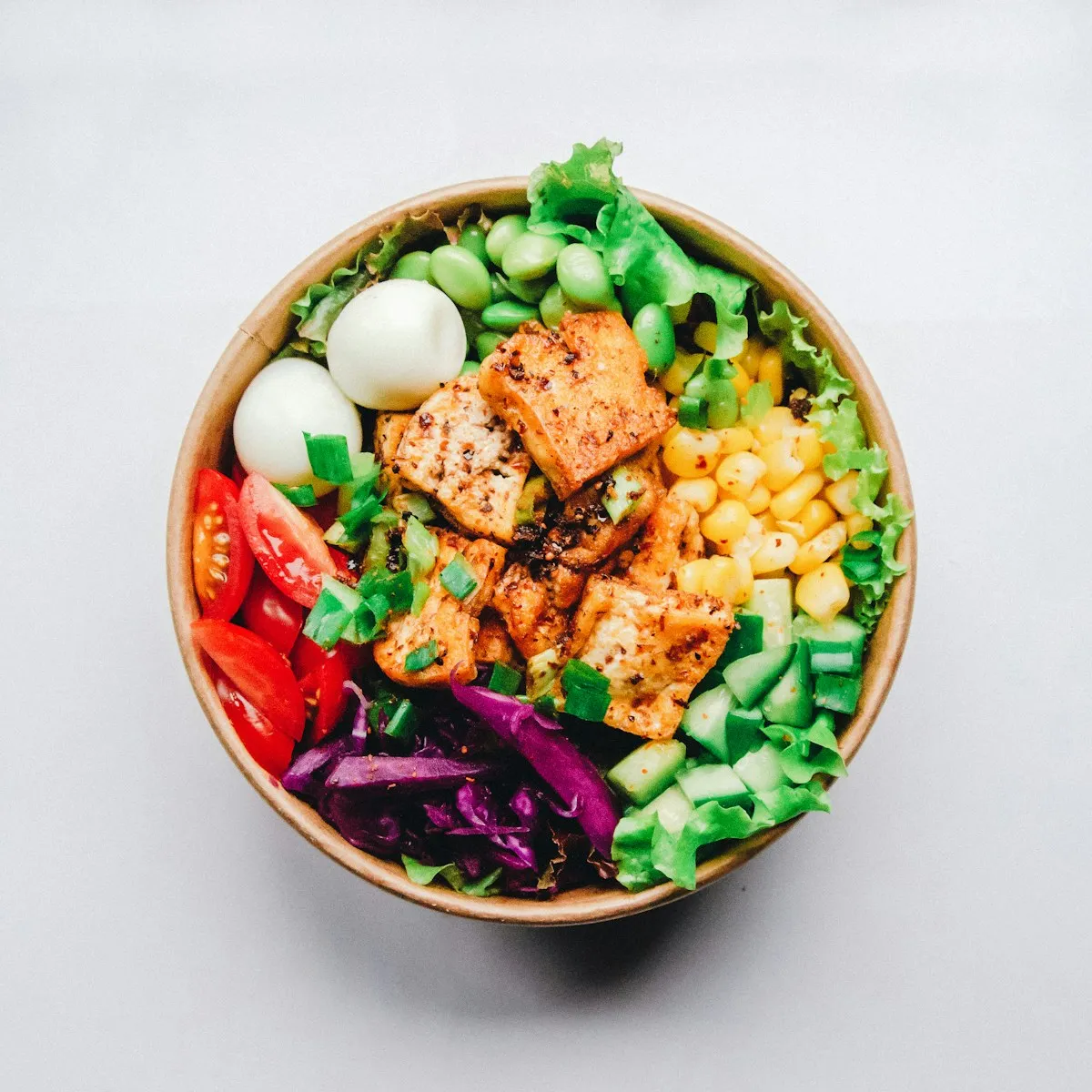
When it comes to the "how," the debate usually sits between the oven and the air fryer. If you are looking for air fryer recipes dinner enthusiasts swear by, the air fryer is the clear winner here. Because an air fryer is essentially a high-powered convection machine, it moves hot air at high velocities in a tiny chamber. This speeds up evaporation and creates a much more even, hard-shelled crunch in about half the time of a conventional oven.
Avoid overcrowding the basket! If you pile the chickpeas three layers deep, they will just steam each other, leaving you with a sad, mushy mess. Check your basket halfway through and give it a aggressive shake. This redistributes the oil and ensures every single side of the bean hits that circulating hot air.
If you're using an oven, you’ll need more patience. The lack of intense air movement means you must rely on a higher temperature: think 400°F (200°C): and a longer roast time. Don’t cut corners on the oil, either. A thin coating of high-smoke-point oil (like avocado or grapeseed) acts as a heat conductor, helping that outer skin reach the temperatures necessary for the Maillard reaction to occur. This transformation is what creates those deep, nutty toasted flavors that make this dish stand out among other quick family meals.
Flavor Variations and Texture Balance
The beauty of the Buddha bowl is its versatility, but you must maintain a balance of "The Big Four": Fat, Acid, Salt, and Crunch. Since our chickpeas provide the crunch and salt, and the avocado brings the fat, you need to be intentional about the acid.
- The Mediterranean Twist: Swap the standard grain for farro and toss your chickpeas in dried oregano and lemon zest. Replace the dressing with a heavy squeeze of fresh lemon and a dollop of tzatziki. The acidity of the lemon cuts through the richness of the avocado perfectly.
- The Spicy Southwest: Dust your chickpeas with smoked paprika, cumin, and a hint of chipotle powder. Pair this with a lime-cilantro crema. The heat from the spices plays off the cooling nature of the avocado, creating a dynamic flavor profile that keeps the palate engaged.
- The Miso-Maple Glow: For an umami bomb, whisk a little miso paste into your roasting oil. This creates a slightly sticky, savory crust on the chickpeas that pairs beautifully with steamed kale and a ginger-soy dressing.
Smart Pairings for a Complete Table
While this bowl is a powerhouse on its own, I often like to serve it alongside elements that contrast the warmth of the roasted components. A cold, crisp side like an arugula power salad provides a peppery bite that cleanses the palate between spoonfuls of creamy tahini and avocado.
If you are cooking for a crowd and want to expand the menu, consider a light, acidic soup. A chilled gazpacho in the summer or a clear, lemony broth in the winter helps balance the density of the grains and legumes. If you’re in the mood for something more indulgent, you can even serve these bowls as the "healthy" side to a main like our air fryer sausage and peppers. The key is to keep the side dishes simple so they don't compete with the complex textures of the bowl itself.
Frequently Asked Questions
Why did my chickpeas lose their crunch after an hour?
This is the most common "heartbreak" in bowl-making. Chickpeas are hygroscopic, meaning they soak up moisture from the air and from the other wet ingredients in your bowl (like the dressing or the cucumber). If you aren't eating them immediately, keep the chickpeas in a separate container and only add them to the bowl at the very last second.
Can I use dried chickpeas instead of canned?
Absolutely, and arguably, the results are even better. Dried chickpeas that have been soaked and boiled tend to have a firmer structure than canned ones, which can sometimes be a bit too soft in the middle. If you go the dried route, ensure they are fully cooked but not falling apart before you start the roasting process.
Is the avocado non-negotiable?
In terms of flavor balance, you need a high-fat element to offset the dry crunch of the chickpeas. If avocado isn't your thing, replace it with a generous smear of hummus, a handful of toasted walnuts, or a thick tahini-based dressing. You need that "velvet" texture to make the bowl feel like a complete meal rather than just a collection of dry snacks.
What if I don't have quinoa?
The base of the bowl is your "canvas." Feel free to use brown rice, farro, couscous, or even cauliflower rice for a lower-carb option. The science remains the same: the grain should be fluffy and seasoned. Avoid overcooking your grains into a mushy pile, as you want distinct textures throughout the bowl. For more inspiration on building perfect bases, check out my guide on achieving the perfect sauce for grain-based dishes.
How do I stop the avocado from browning if I prep ahead?
Acidity is your best friend. Toss your avocado slices in a little lime or lemon juice immediately after cutting. The Vitamin C and the low pH level act as an antioxidant, slowing down the enzymatic browning that happens when the fruit is exposed to oxygen. Pressing plastic wrap directly onto the surface of the avocado also helps by creating a physical barrier against the air.
{“@type”:”BlogPosting”,”image”:”https://cdn.marblism.com/lhShDdvjZEj.webp”,”author”:{“name”:”Penny”,”@type”:”Person”},”@context”:”https://schema.org”,”headline”:”Crispy Chickpea & Avocado Buddha Bowls”,”publisher”:{“logo”:{“url”:”https://cookpedia.com/logo.png”,”@type”:”ImageObject”},”name”:”Cookpedia”,”@type”:”Organization”},”description”:”Master the science of the perfect crispy chickpea with this guide to building a balanced, nutritious Avocado Buddha Bowl.”,”datePublished”:”2026-05-28″,”mainEntityOfPage”:{“@id”:”https://cookpedia.com/crispy-chickpea-avocado-buddha-bowls”,”@type”:”WebPage”}}