Recipe
Servings
4 servings 1×
Serves 4Prep 8 minCook 7 minTotal 15 min
Ingredients
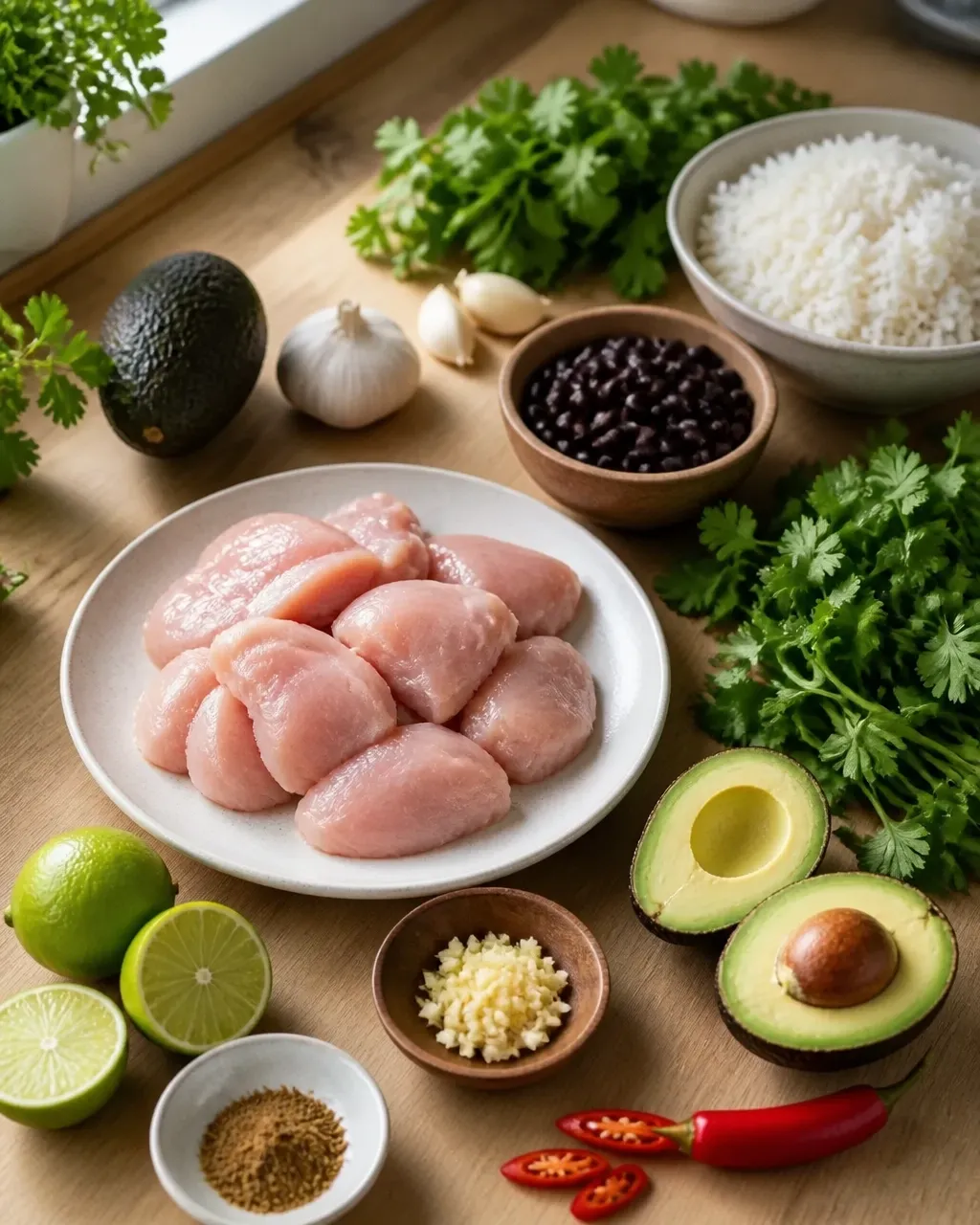
- 1 pound boneless, skinless chicken breasts, cut into small pieces
- 1 tablespoon olive oil
- 1 teaspoon chili powder
- 1/2 teaspoon ground cumin
- 2 cups cooked rice or a quick-cooking grain
- 1 can (15 ounces) black beans, drained and rinsed
- 1 avocado, diced
- Juice of 2 limes, divided
- 1 cup shredded lettuce or cabbage
- 2 tablespoons chopped fresh cilantro
- Salt and black pepper, to taste
Method
- Toss the chicken with the olive oil, chili powder, cumin, salt, pepper, and the juice of half a lime. Keep the contact brief so the lime does not soften the surface.
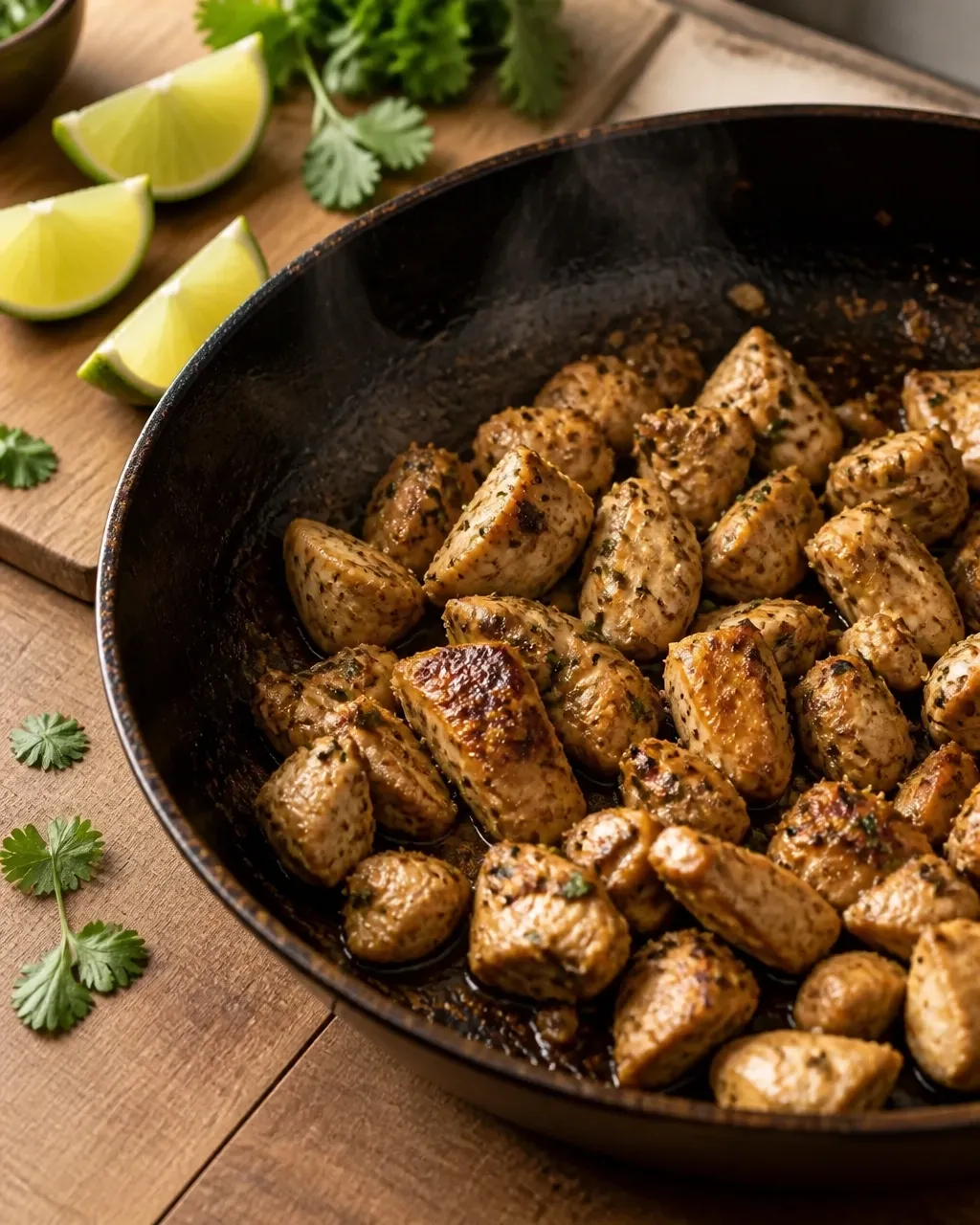
- Heat a wide skillet over medium-high heat. Cook the chicken in a single layer, working in batches if needed, until browned and the thickest piece reaches 165°F (74°C). Rest briefly.
- Toss the avocado gently with the juice of one lime so it stays bright. Warm the black beans with a pinch of salt.
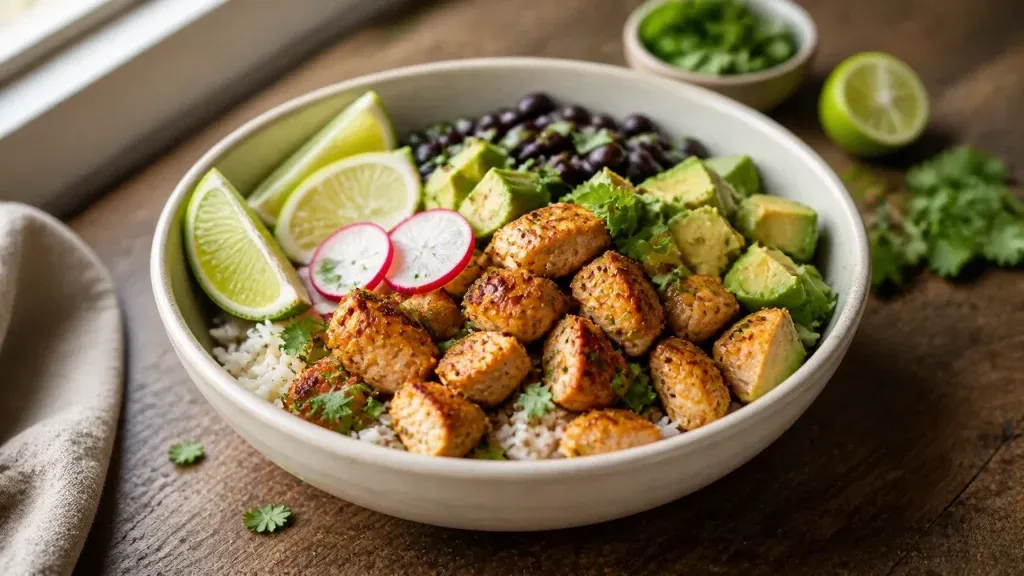
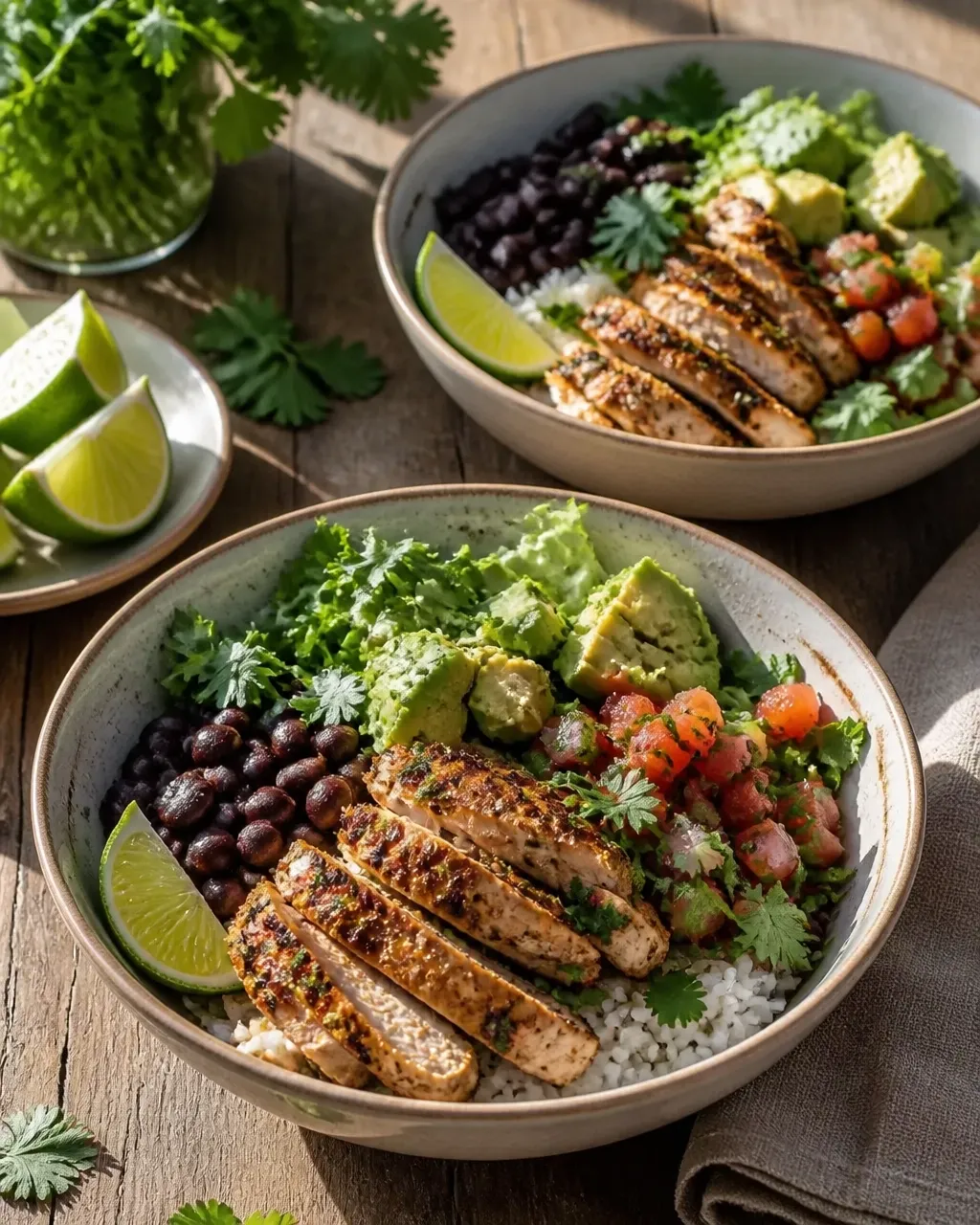
- Divide the cooked rice between bowls. Add the beans, lettuce or cabbage, chicken, avocado, and cilantro.
- Finish each bowl with the remaining lime juice and serve while the chicken and rice are warm.
When dinner needs to happen quickly, reach for a bowl. It gives you a flexible base, a flavorful protein, something creamy, something crisp, and very little fuss. These chili lime chicken and avocado bowls are one of my favorite healthy dinner ideas because they taste fresh and filling without turning the kitchen into a disaster zone. The trick is not rushing randomly. Use smart heat, short lime contact, and a little preparation discipline.
Why Small Pieces and High Heat Make Dinner Faster
The fastest route to a properly cooked chicken bowl is to cut the chicken into small, even pieces. Smaller pieces have less distance for heat to travel, so they cook through quickly and evenly. Uneven chunks, on the other hand, create the classic dinner problem: one piece is dry while another is still suspiciously pink.
Use medium-high heat and let the pan become properly hot before the chicken goes in. A hot cooking surface encourages browning through the Maillard reaction, the chemical process that creates savory aromas, deeper color, and those delicious browned edges. You do not need a complicated sauce when good browning is doing some of the heavy lifting.
Keep the chicken in a single layer. Overcrowding traps moisture between the pieces, lowers the pan temperature, and encourages steaming instead of searing. A little space is not a luxury here; it is the difference between lightly charred chicken and pale, watery chicken. Cook in batches if your pan is small. It may feel slower, but it is faster than trying to rescue bland meat.
Watch the surface moisture, too. Chili and lime bring excellent flavor, but too much wet marinade in the pan will cool the cooking surface. Let excess liquid drip away before searing, then add fresh lime at the end for a brighter finish. This keeps the chicken flavorful without sacrificing its browned crust.
Treat lime as both a flavor tool and a texture tool. Its acidity lightly changes the proteins on the outside of the chicken, which can help the meat taste more tender. However, acid is not a magic shortcut to unlimited marinating time. Leave thin chicken pieces in a strongly acidic mixture for too long and the outer layer can become soft or slightly mushy. Keep the contact short for a 15-minute meal, and save some lime juice for the final squeeze.
Do not guess when the chicken is done. Check the thickest piece with an instant-read thermometer and cook poultry to 165°F (74°C). Rest the chicken briefly after cooking. Those few minutes give the juices a chance to settle instead of running straight onto the cutting board. You will get a more succulent bite and less liquid leaking into the bowl.
For more fast inspiration, browse Cookpedia’s collection of 15-minute meals or explore the wider chicken recipe collection.
The Brightness Balance: Lime, Chili, and Creamy Avocado
A good bowl needs contrast. Chili brings heat, lime brings acidity, chicken brings savory richness, and avocado adds a soft, buttery texture. None of these elements should dominate. Think of the lime as the high note that keeps the bowl from tasting heavy.
Cut the avocado close to serving time. Once exposed to air, enzymes in the flesh begin oxidizing compounds that create brown pigments. Lime juice slows this process by lowering the surface pH and reducing enzyme activity. It will not keep avocado perfectly green forever, but it gives you enough time to finish dinner without serving something that looks like it has been waiting since Tuesday.
Toss the avocado gently with lime rather than stirring it aggressively. You want distinct creamy pieces, not green paste. If you need to prep it a little early, press food-safe wrap directly against the surface to reduce contact with oxygen. Air is the enemy here, not your cooking skills.
Build the bowl around texture as well as flavor. A warm grain or rice base gives the dish comfort, while beans add a soft, earthy bite. Fresh herbs, radishes, shredded lettuce, or crunchy cabbage stop the bowl from feeling too uniform. Keep the toppings varied, but do not add every ingredient in the refrigerator. Minimalist cooking works best when each component has a job.
For a particularly efficient evening, use cooked rice from the refrigerator or a quick-cooking grain. The goal is to spend your time on the chicken and fresh toppings, not waiting for a pot to decide whether it wants to boil.
Easy Variations Without Losing the Balance
Make the bowl milder by reducing the chili and adding extra creamy avocado or a spoonful of plain yogurt. Cooling ingredients soften the perception of heat, while lime prevents the result from becoming flat. For more heat, add sliced jalapeño, smoky chipotle, or a pinch of cayenne. Add heat gradually; there is no award for making dinner inedible.
Swap the chicken for shrimp when you need an even faster protein. Shrimp cook quickly because their small size and high water content allow heat to move through them rapidly. Stop as soon as they turn opaque and firm. Overcooked shrimp become rubbery with astonishing efficiency.
Use black beans or chickpeas for a plant-forward bowl. Chickpeas bring a firmer texture, while black beans create a softer, earthier contrast with the lime. If you are looking through air fryer recipes dinner ideas, cook seasoned chicken pieces in the air fryer and assemble the bowl in the same way. Start with a preheated basket and avoid piling the chicken too deeply, or the pieces will cook unevenly. Cookpedia’s Coconut Lime Chicken Air Fryer offers another useful direction for pairing citrus with chicken.
Replace rice with cauliflower rice, quinoa, farro, or shredded greens. Choose the base according to your appetite: grains make the bowl more substantial, while greens keep it lighter. Keep the lime and avocado pairing in place. That balance is the personality of the dish.
Side Dishes That Keep the Bowl Fresh
These bowls are complete enough to stand alone, but a small side can make them feel more generous. Serve a crisp cabbage slaw with a light lime dressing for extra crunch. The acidity echoes the chicken while the raw vegetables add freshness and volume.
Add roasted corn for sweetness and a little char. Its natural sugars balance the chili, while the roasted edges mirror the browned chicken. A simple tomato and cucumber salad also works well, especially when dressed lightly. Avoid heavy, creamy sides unless you reduce the avocado in the bowl; too much richness can blur the bright flavors.
For a larger spread, serve warm corn tortillas or a small green salad. Keep the sides clean and fresh. These are meant to be quick family meals, not a project involving six pans and a heroic dishwashing session.
Frequently Asked Questions
Can I use chicken breast instead of chicken thighs?
Yes. Chicken breast works well, but it contains less fat and can dry out more quickly. Cut it into evenly sized pieces and avoid cooking it far beyond 165°F. Chicken thighs are naturally more forgiving because their higher fat content helps them stay juicy, but both cuts can succeed with controlled heat and a short rest.
What if my chicken is browning before it is cooked inside?
Lower the heat slightly and let the pieces finish cooking more gently. Very large pieces may brown quickly while the center remains undercooked, which is another reason to use small, even cuts. Check the thickest piece with a thermometer rather than relying only on color. Brown outside does not guarantee a safe center.
What if my chicken releases a lot of liquid?
Your pan may not be hot enough, the chicken may be overcrowded, or the pieces may have carried in too much marinade. Remove excess liquid if necessary, allow the pan to heat again, and continue cooking in a single layer. Do not keep stirring constantly. Frequent movement prevents the surface from staying in contact with the hot pan long enough to brown.
Can I marinate the chicken overnight?
You can prepare a dry spice mixture ahead, but be cautious with extended lime contact. Acidic marinades can gradually change the texture of the outer chicken, especially when the pieces are small. For the freshest texture, add lime shortly before cooking and keep a final squeeze for serving. Never reuse marinade that has touched raw chicken unless you boil it thoroughly, and the simplest option is to discard it.
How do I stop the avocado from turning brown?
Cut it as close to serving as possible, coat the exposed flesh with lime juice, and reduce air contact. Press wrap directly against leftover avocado or store it in a tightly sealed container. A little browning does not mean the avocado is unsafe; it is an oxidation issue. Scrape away a thin discolored surface if the flavor and smell are otherwise normal.
Can I prepare these bowls for lunch?
Yes, but store the components separately when possible. Keep the chicken and rice together, but hold the avocado, fresh herbs, and crisp vegetables apart until you are ready to eat. This protects the textures and keeps the toppings bright. Refrigerate cooked chicken promptly and use leftovers within a safe timeframe. Reheat the chicken and base until hot, then add the cool toppings afterward.
Is this dish suitable for a lower-carbohydrate meal?
Absolutely. Replace the rice with cauliflower rice, shredded lettuce, or sautéed vegetables. Keep the beans if they fit your eating plan, or reduce them for a lower-carbohydrate version. Avocado contributes satisfying fat and fiber, while chicken provides protein. For more healthy dinner ideas, visit Cookpedia’s healthy recipes section and adjust the bowl to suit your table.
Why does my bowl taste flat even though I used lime?
Acidity needs support from salt, fat, heat, and savory depth. Add lime gradually rather than pouring in a large amount at once. Check the seasoning on the chicken and the base, then add fresh herbs or a little extra chili. Avocado can soften strong flavors, so the finished bowl may need a final pinch of salt and squeeze of lime just before serving. Balance, not volume, is the goal.