Recipe
Servings
Servings 1×
Ingredients
- Pasta
- Noodles
- Onion
- Garlic
- Cooking oil
- Soy sauce or tamari
- Chili seasoning
Method
- Prepare the ingredients described in the article and heat the cooking surface or oven as directed.
- Cook the main ingredients using the heat and timing guidance in the article.
- Finish with the seasonings and garnishes named in the article, then serve.
If you’ve ever stared at a half-empty pantry on a Tuesday night wondering how to turn a dry block of noodles into something that tastes like a neon-lit street market in Chengdu, you’re in the right place. These garlic chili oil noodles are the ultimate cheat code for the hungry and impatient. We are talking about a dish that takes less time than a commercial break but delivers a flavor profile more complex than your favorite prestige drama.
In my blog, I focus on "real food" that doesn't demand a culinary degree or a three-hour window of time. This is one of those quick family meals that relies on physics and chemistry rather than a massive list of obscure ingredients. You don’t need to be a scientist to make it, but understanding the science behind the sizzle will definitely help you master the bowl.
The Science of the Sizzle: Blooming and Emulsifying
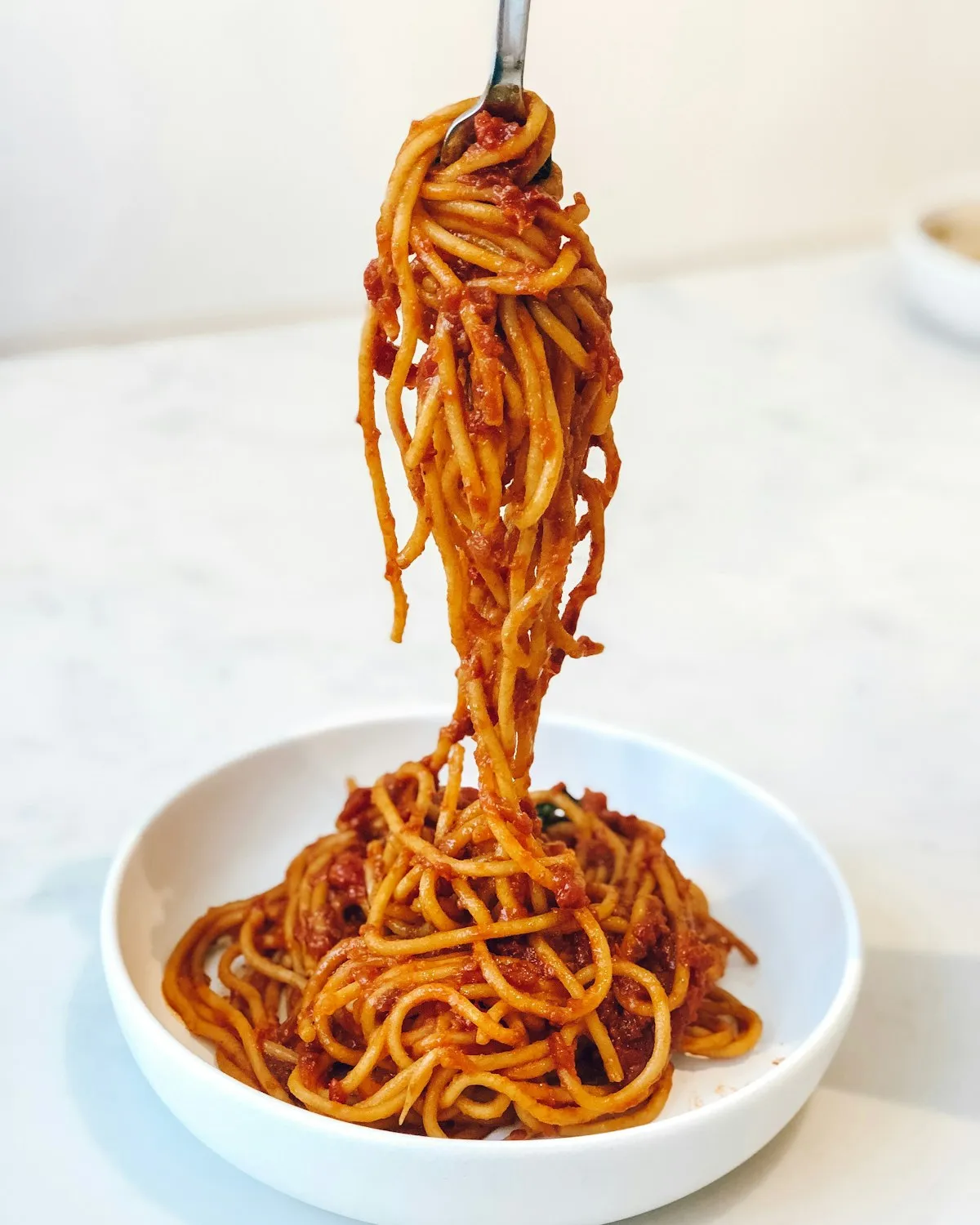
Why does pouring hot oil over a pile of raw garlic and chili flakes taste so much better than just stirring them into a pan? It all comes down to "blooming." Many of the most intense flavor compounds in garlic, chili, and spices like Sichuan peppercorns or star anise are fat-soluble. This means they are stubborn; they won't release their full potential into water or vinegar. They need a lipid, in this case, neutral oil, to act as a solvent.
When you heat your oil to that magic window between 350°F and 400°F (175°C to 200°C), you are essentially initiating a rapid extraction process. As the oil hits the aromatics, it causes the water within the garlic and green onions to flash into steam. This creates those satisfying bubbles you see. This steam burst physically breaks down the cell walls of the ingredients, allowing the oil to rush in and carry away the sulfur compounds in the garlic and the capsaicin in the chili. Use a neutral oil with a high smoke point, like canola or grapeseed, to ensure you don’t add any bitter, burnt notes to your masterpiece. Avoid using extra virgin olive oil here; its low smoke point and strong flavor will compete with the aromatics and potentially create toxic compounds when overheated.
The second half of the scientific equation is the "cling" factor. If you’ve ever finished a bowl of noodles only to find a pool of red oil at the bottom and bland, dry pasta at the top, you’ve failed at emulsification. To fix this, you must treat your noodle water like liquid gold. As wheat noodles boil, they shed starch into the water. This starch is a natural thickener and a weak emulsifier.
When you toss your hot noodles with the oil and a splash of that starchy water, you are creating a "Pickering emulsion." The solid particles of minced garlic and chili flakes sit at the interface between the oil and the watery soy sauce/vinegar mixture, preventing the oil droplets from merging back together. This creates a glossy, cohesive sauce that coats every single strand. If you want to expand your repertoire of healthy dinner ideas, mastering this simple emulsification technique is a game-changer. It’s the same principle I use in my spicy tomato basil linguine to get that restaurant-quality sheen.
Texture and Heat Transfer
Don't settle for thin, wimpy noodles. To maximize the surface area for sauce adhesion, opt for thick, wavy, or "knife-cut" noodles. The irregular ridges and valleys on these noodles are designed to trap those tiny oil droplets we just discussed. The science of heat transfer also dictates that your noodles should be added to the bowl while they are still steaming hot.
Cold noodles will cause the fat in the chili oil to seize and become viscous and greasy rather than silky. Hot noodles maintain the kinetic energy of the sauce, allowing it to flow and coat the starch effectively. Think of it as a race: you want the sauce to bond with the noodle surface before the temperature drops and the emulsion breaks.
Variations for Every Palate
While the base of garlic and chili is non-negotiable, you can easily pivot this dish to suit your dietary needs or whatever is left in your fridge. If you’re looking for more quick family meals that feel substantial, try adding a protein boost.
- The Protein Punch: Fold in some pan-seared ground pork or crispy air-fried tofu. The porous nature of tofu makes it an incredible vehicle for the spicy oil. If you are already looking for air fryer recipes dinner options, you can toss some cubed chicken or shrimp in the air fryer while the water boils.
- The Umami Bomb: Add a teaspoon of fermented black bean paste or a dash of fish sauce to the bottom of the bowl before blooming. This introduces glutamates that deepen the flavor profile beyond just "hot and garlicky."
- The Veggie Loaded Version: While the noodles cook, throw in some baby bok choy or spinach for the final 30 seconds. The residual heat from the blooming oil will finish wilting the greens perfectly without making them mushy. This is one of the best healthy dinner ideas for those nights when you can't be bothered to cook a separate side of vegetables.
- The Nutty Crunch: Sprinkle generously with toasted peanuts or crushed cashews. The fats in the nuts complement the chili oil, while the crunch provides a necessary textural contrast to the soft noodles.
Balancing the Plate: Side Dish Pairings
Garlic chili oil noodles are heavy on fat and salt, which is why they taste so good, but to make it a rounded meal, you need acidity and crunch to reset your palate.
I highly recommend a smashed cucumber salad. The high water content of the cucumber provides a cooling effect, while the vinegar dressing cuts right through the richness of the oil. Smashed cucumbers are better than sliced ones because the jagged, broken edges create more surface area to soak up the dressing.
Alternatively, a simple plate of blanched broccoli or snap peas seasoned with just a hint of lemon juice works wonders. You want something vibrant and crisp to balance the "soulful" weight of the noodles. If you're feeling adventurous with your air fryer recipes dinner routines, a side of air-fried green beans with a touch of salt can provide that satisfying snap without adding more heavy oil to the mix.
Frequently Asked Questions
Why did my garlic turn blue or green?
Don't panic; you haven't created a toxic science experiment. This is a natural reaction between the sulfur compounds in the garlic and the amino acids, often triggered by the acidity of the vinegar or even minerals in your water. It’s more common with older garlic. It is perfectly safe to eat, though it might look a bit like alien food. To minimize this, use the freshest garlic possible and add the vinegar after the hot oil has cooled slightly.
Can I make this ahead of time for meal prep?
Technically, yes, but scientifically, no. Noodles are incredibly hydroscopic: they love to absorb liquid. If you leave them sitting in the sauce for hours, they will soak up all the moisture and oil, turning from "silky" to "pasty." If you must prep ahead, store the bloomed chili oil and the noodles separately. Reheat the noodles with a splash of water before tossing them with the oil.
My sauce is too oily and won't stick to the noodles. What happened?
You likely skipped the noodle water or drained the noodles too thoroughly. Without that starchy liquid to act as a bridge, the oil and water-based seasonings will never marry. Add an extra tablespoon of starchy water and give it a vigorous toss. The mechanical energy of tossing helps break the oil into smaller droplets, making it easier for the starch to trap them.
Is this dish actually healthy?
Health is subjective, but this fits into many healthy dinner ideas because it uses whole ingredients and avoids the preservatives found in instant noodle packets. You control the amount of sodium and the quality of the oil. By loading up on the "Variation" suggestions like bok choy or tofu, you turn a simple carb-heavy snack into a balanced, nutrient-dense meal.
What is the best oil to use?
Stick to neutral oils with a high smoke point. Avocado oil, peanut oil, or refined sunflower oil are excellent. Avoid unrefined oils like toasted sesame oil for the blooming phase; their flavors are delicate and will turn acrid when hit with high heat. Save the toasted sesame oil for a finishing drizzle at the very end to preserve its aromatic volatile compounds.
I don't have Chinese black vinegar. What can I use?
While black vinegar has a unique malty, smoky profile, you can substitute it with a 50/50 mix of balsamic vinegar and rice vinegar. The balsamic provides the depth and sugar, while the rice vinegar provides the sharp acidic bite needed to balance the fat.
Can I use gluten-free noodles?
Absolutely. Rice noodles or buckwheat soba work well, but keep in mind they release different types of starch. Rice noodles can be more fragile, so toss them gently to avoid breaking them into a thousand pieces. Ensure they are fully cooked but still "al dente" so they can withstand the heat of the oil.