Recipe
Servings
Servings 1×
Ingredients
- Spaghetti or Rigatoni: 400g (High-protein durum wheat provides the best starch release).
- Guanciale or Thick-Cut Pancetta: 150g (Cured pork jowl offers the specific lipid profile needed for the emulsion).
- Large Egg Yolks: 4 (Yolks provide the lecithin and fat; omit the whites to avoid low-temperature coagulation).
- Whole Large Egg: 1 (Adds just enough moisture for the sauce).
- Pecorino Romano: 60g, finely grated (High salinity and fat content).
- Freshly Cracked Black Pepper: 2 teaspoons (The piperine provides the necessary counterpoint to the rich lipids).
- Pasta Water: Reserved (The "liquid gold" stabilizer).
Method
- Render the Lipids: Start by placing your diced guanciale into a cold skillet. Gradually increase the heat to medium-low. This slow thermal climb allows the fat to render out completely while the Maillard reaction browns the exterior of the pork without burning the interior. Once crispy, remove the pan from the heat source. The residual heat in the rendered fat is a key component of your final thermal equation.
- Hydrate the Starch: Boil your pasta in significantly less water than usual. Why? A lower water-to-pasta ratio results in a higher concentration of amylose and amylopectin (starch) in the water. You want that water to be cloudy and viscous.
- The Tempering Phase: In a bowl, whisk your eggs and grated cheese until they form a thick paste. Just before the pasta is done, whisk in two tablespoons of the boiling pasta water. This "tempering" step gently raises the temperature of the eggs and dilutes the proteins, preparing them for the heat of the pan.
- Mechanical Emulsification: Transfer the al dente pasta directly into the skillet with the rendered fat (off the heat!). Toss to coat the strands in the lipids. Now, pour in your tempered egg mixture. Use tongs or a wooden spoon to agitate the pasta vigorously. This movement is the "mechanical" part of the emulsion, forcing the fat, water, and eggs to bond.
- Adjusting Viscosity: If the sauce looks too thick, add a splash more pasta water. If it’s too thin, the residual heat of the pasta will continue to thicken it as you toss. Stop once the sauce coats the back of a spoon in a glossy, unbroken sheet.
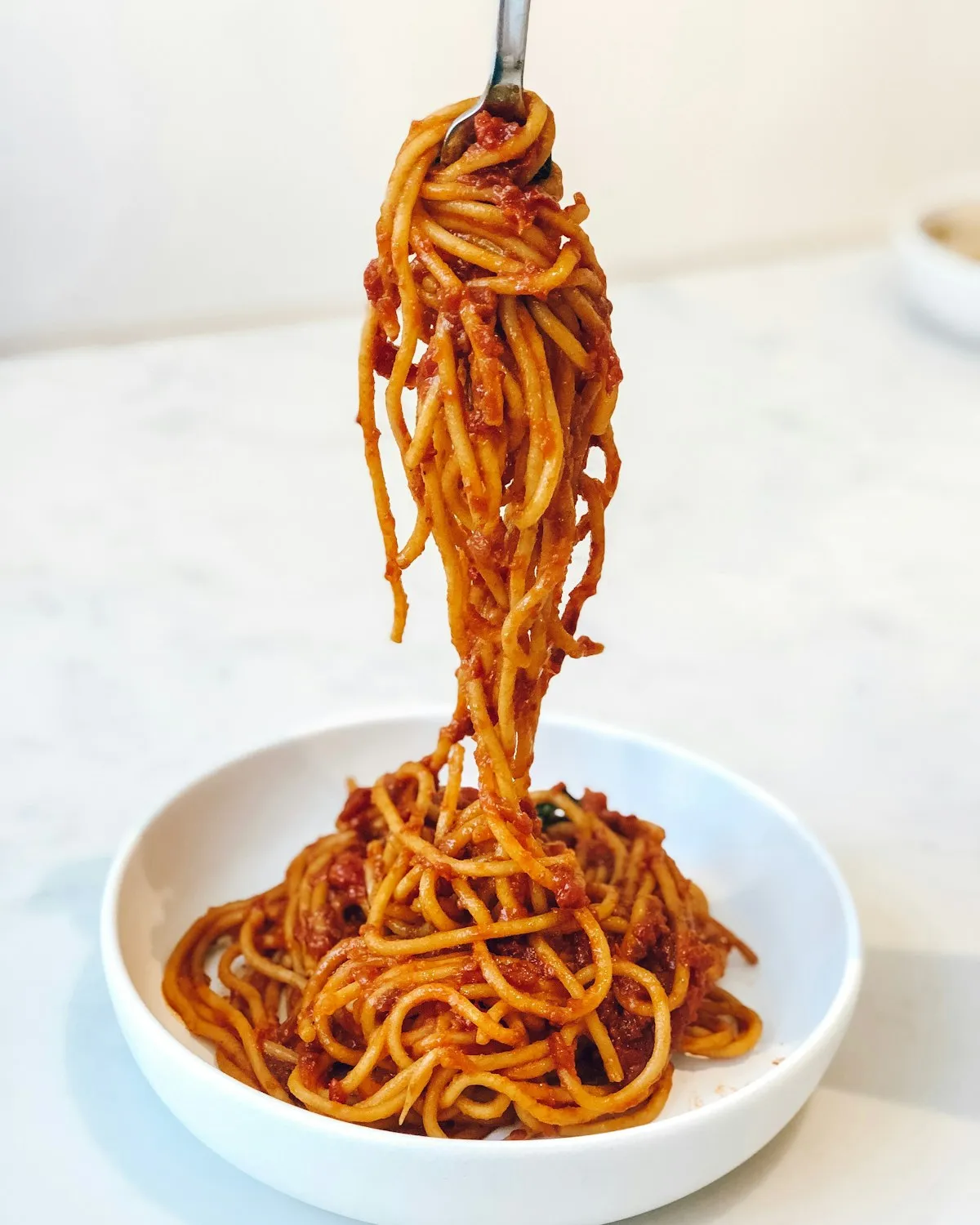
Forget everything you think you know about "creamy" pasta. Real Carbonara isn't a dairy-laden heavy hitter; it’s a delicate, high-stakes physics experiment occurring inside your skillet. At its core, this dish is a mechanical emulsion where egg yolks, rendered pork fat, and starchy pasta water collide to form a silky, golden suspension. Understanding the precise coagulation temperatures of egg proteins is the difference between a glossy masterpiece and a sad pan of scrambled breakfast noodles. Let’s dive into the molecular mechanics of one of my favorite simple pasta recipes.
The Physics of the Perfect Emulsion: Why It Works
Achieving that signature "gloss" requires managing three specific variables: temperature, dilution, and mechanical agitation. When you whisk egg yolks with Pecorino Romano, you are creating a concentrated protein-and-fat slurry. Egg yolks begin to thicken: or denature: at roughly 145°F (63°C). Once they hit 160°F (70°C), the proteins cross-link so tightly that they "set," resulting in curdling. Your goal is to keep the mixture in that 15° window of fluid viscosity.
The secret weapon in your arsenal is the starchy pasta water. Think of starch as a molecular "spacer." By whisking a small amount of hot pasta water into your egg mixture (a process called tempering), you are physically distancing the egg proteins. This dilution makes it harder for the proteins to find each other and bond into clumps, effectively raising the "thermal floor" and giving you a much wider margin of error. Furthermore, the lecithin found naturally in egg yolks acts as a surfactant, binding the rendered pork fat to the water-based starch solution. This is how we create a stable, creamy sauce without a drop of heavy cream.
While many home cooks are currently obsessed with air fryer recipes dinner trends for their hands-off convenience, the stovetop mastery required for Carbonara is a fundamental skill that transforms your kitchen into a lab. It’s the ultimate entry in the world of quick healthy meals if you prioritize high-quality fats and protein-rich eggs.
Ingredients for the Carbonara Experiment
- Spaghetti or Rigatoni: 400g (High-protein durum wheat provides the best starch release).
- Guanciale or Thick-Cut Pancetta: 150g (Cured pork jowl offers the specific lipid profile needed for the emulsion).
- Large Egg Yolks: 4 (Yolks provide the lecithin and fat; omit the whites to avoid low-temperature coagulation).
- Whole Large Egg: 1 (Adds just enough moisture for the sauce).
- Pecorino Romano: 60g, finely grated (High salinity and fat content).
- Freshly Cracked Black Pepper: 2 teaspoons (The piperine provides the necessary counterpoint to the rich lipids).
- Pasta Water: Reserved (The "liquid gold" stabilizer).
Step-by-Step Science
- Render the Lipids: Start by placing your diced guanciale into a cold skillet. Gradually increase the heat to medium-low. This slow thermal climb allows the fat to render out completely while the Maillard reaction browns the exterior of the pork without burning the interior. Once crispy, remove the pan from the heat source. The residual heat in the rendered fat is a key component of your final thermal equation.
- Hydrate the Starch: Boil your pasta in significantly less water than usual. Why? A lower water-to-pasta ratio results in a higher concentration of amylose and amylopectin (starch) in the water. You want that water to be cloudy and viscous.
- The Tempering Phase: In a bowl, whisk your eggs and grated cheese until they form a thick paste. Just before the pasta is done, whisk in two tablespoons of the boiling pasta water. This "tempering" step gently raises the temperature of the eggs and dilutes the proteins, preparing them for the heat of the pan.
- Mechanical Emulsification: Transfer the al dente pasta directly into the skillet with the rendered fat (off the heat!). Toss to coat the strands in the lipids. Now, pour in your tempered egg mixture. Use tongs or a wooden spoon to agitate the pasta vigorously. This movement is the "mechanical" part of the emulsion, forcing the fat, water, and eggs to bond.
- Adjusting Viscosity: If the sauce looks too thick, add a splash more pasta water. If it’s too thin, the residual heat of the pasta will continue to thicken it as you toss. Stop once the sauce coats the back of a spoon in a glossy, unbroken sheet.
Variations for Every Palate
While the classic Roman formula is scientifically sound, you can pivot the ingredients to suit different dietary needs or pantry limitations. If you are exploring quick family meals that require a bit more fiber, consider substituting half the pasta with sautéed zucchini ribbons. However, be warned: zucchini releases water. You must salt and drain the zucchini beforehand to avoid "breaking" your emulsion with excess moisture.
For a smoky twist, swap guanciale for high-quality smoked bacon. The chemical profile of wood smoke adds an extra layer of complexity to the umami provided by the cheese. If you prefer a lighter profile, try a "Spring Carbonara" by adding blanched peas. The sweetness of the peas cuts through the heavy lipids, creating a more balanced flavor profile. If you're a fan of air fryer recipes dinner prep, you can actually crisp up your pancetta or bacon in the air fryer at 375°F for 8 minutes before adding it to the pasta, which ensures a perfectly even render.
Side Dish Pairings: Balancing the Richness
Carbonara is a heavy, lipid-dense dish. To create a rounded dining experience, you need to introduce acidity and bitterness to act as a "palate cleanser."
- Arugula Salad with Lemon Vinaigrette: The bitterness of the arugula and the citric acid from the lemon break down the fat on your tongue, making every bite of pasta taste as fresh as the first.
- Blistered Balsamic Tomatoes: The tartness of a balsamic reduction provides a sharp contrast to the salty Pecorino.
- Garlic Broccolini: Use a quick sear to maintain the crunch. The fiber and slight char provide a much-needed textural contrast to the soft, creamy pasta.
Incorporating these pairings is a great way to transform a simple bowl of noodles into one of your go-to healthy dinner ideas.
Carbonara FAQ
Why did my eggs turn into scrambled eggs?
This is the most common failure in the "Carbonara Experiment." It happens when the thermal ceiling of 160°F (70°C) is exceeded. Usually, this occurs because the pan was still on the burner or the pasta was too hot when the eggs were added. Always mix off the heat. If you're nervous, let the pasta sit in the pan for 30 seconds after tossing with the fat before adding the eggs.
Can I use pre-grated cheese from a green can?
Absolutely not. Pre-grated cheeses are coated in cellulose (an anti-caking agent) to prevent clumping. In a Carbonara, cellulose is a contaminant that prevents the cheese from melting smoothly into the egg mixture. You’ll end up with a grainy sauce rather than a silky emulsion. Grate your cheese fresh.
Is it safe to eat "undercooked" eggs?
The eggs aren't raw; they are pasteurized by the residual heat of the pasta. As long as the mixture reaches 145°F, the proteins have denatured and the safety profile is significantly improved. If you are immunocompromised, use pasteurized-in-shell eggs.
Why is my sauce watery?
This usually means you didn't have enough cheese or yolks to provide the necessary structure, or your pasta water wasn't starchy enough. Next time, use less water in your pasta pot to concentrate those starches.
Can I reheat Carbonara?
Science says: proceed with caution. Because the protein coagulation is irreversible, reheating often causes the eggs to set, turning your silky sauce into a dry, scrambled mess. If you must reheat, do it over a double boiler (bain-marie) with a splash of water, stirring constantly to prevent the temperature from spiking.
Understanding these culinary laws makes your time in the kitchen more efficient and successful. Whether you're whipping up quick family meals or experimenting with simple pasta recipes, remember that heat control is your most important ingredient.
Looking for more ways to speed up your weeknight routine? Check out our guide on achieving the perfect glossy sauce or try our air fryer sausage medley for more healthy dinner ideas!