Recipe
Servings
Servings 1×
Ingredients
- Pasta: 12 oz (340g) high-quality dried pasta (Tagliatelle or Pappardelle recommended for surface area).
- Butter: 1/2 cup (113g) unsalted European-style butter (higher fat content improves the results).
- Sage: 20–30 fresh sage leaves.
- Walnuts: 1/2 cup (50g) raw walnut halves, roughly chopped.
- Cheese: 1/2 cup (50g) finely grated Pecorino Romano or Parmesan (for ionic salt balance).
- Lemon: 1/2 fresh lemon (for acidity to catalyze flavor brightness).
- Salt: To taste (for boiling water and seasoning).
Method
- Boil the Pasta: Submerge your pasta in a large pot of aggressively salted water. Aim for an "al dente" texture. This isn't just a preference; it's about starch structure. Under-cooking slightly ensures the pasta retains its "bite" (resistance to deformation) when tossed in the hot lipid sauce. Reserve 1/2 cup of the starchy pasta water: this is your primary emulsifying agent.
- Melt and Evaporate: Place the butter in a large skillet over medium heat. Monitor the sound. The crackling is the water phase escaping. Once the crackling subsides, the temperature will rise above 100°C.
- Initiate Maillard Reaction: Add the chopped walnuts and sage leaves simultaneously. The sage will sizzle as its internal moisture evaporates. Watch the milk solids at the bottom of the pan. When they reach the color of a toasted hazelnut and smell like popcorn, you have achieved the optimal pyrazine concentration.
- Emulsify: Transfer the pasta directly from the water into the skillet. Immediately add the reserved pasta water. The starch molecules in the water act as stabilizers, bridging the gap between the fat in the butter and the water, creating a creamy, cohesive emulsion rather than a greasy puddle.
- Finalize pH: Remove from heat and stir in the grated cheese and a squeeze of lemon juice. The citric acid provides a necessary counterpoint to the heavy lipids, "brightening" the flavor profile by stimulating different taste receptors on the tongue.
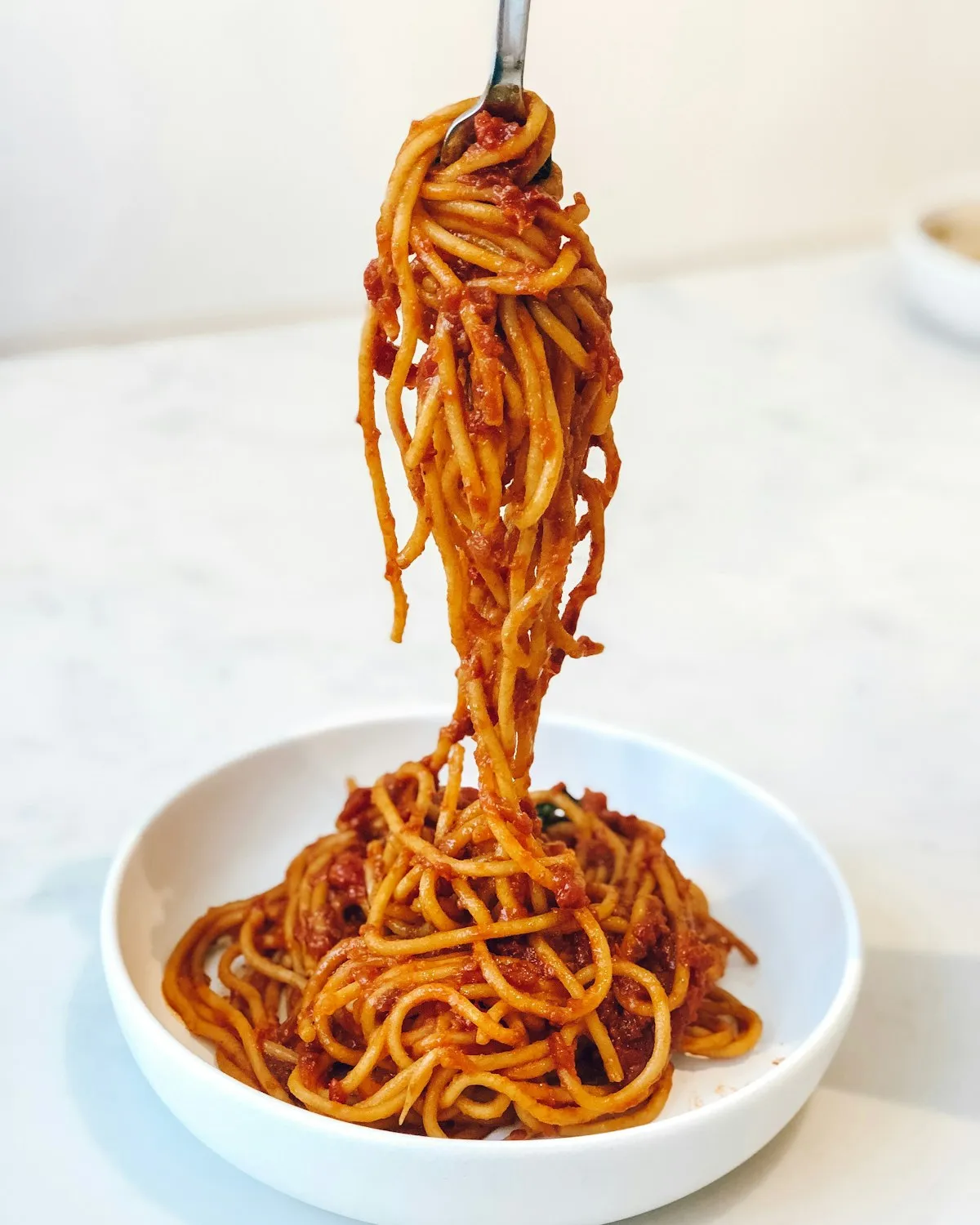
When you heat butter past its melting point, you aren't just liquefying fat; you are initiating a complex series of chemical transformations. In the culinary world, we call this beurre noisette, but in the lab, we recognize it as the thermal degradation of proteins and the oxidation of lipids. This process releases a symphony of aromatic compounds, primarily pyrazines, which provide that signature "nutty" aroma. By mastering this simple chemical shift, you can elevate simple pasta recipes from basic sustenance to a high-level study in flavor chemistry: all in under fifteen minutes.
The Chemistry of Beurre Noisette and the Maillard Reaction
To understand why brown butter tastes so much better than its pale, solid counterpart, we have to look at what’s happening at a molecular level. Butter is an emulsion consisting of roughly 80% butterfat, 15% water, and 5% milk solids (proteins and sugars). When you apply heat, the first stage is evaporation. You’ll hear a characteristic crackling sound as the water content reaches 100°C (212°F) and transitions into steam.
Once the water is evacuated, the temperature of the remaining fat and milk solids begins to climb rapidly. This is where the magic happens: the Maillard reaction. This chemical reaction between amino acids and reducing sugars creates hundreds of different flavor compounds. Specifically, the reaction produces heterocyclic compounds like pyrazines and furans. Pyrazines are the same molecules responsible for the flavor of toasted bread and roasted coffee.
However, there is a fine line between flavor development and lipid oxidation. If the temperature exceeds 175°C (350°F) for too long, the milk solids will carbonize, turning from amber to black and introducing acrid, bitter flavors. Control your heat source diligently. Use a stainless steel pan rather than a dark non-stick surface so you can visually monitor the sedimentation of the milk solids as they transition through the color spectrum. This precise control is the hallmark of professional 15 minute meals, ensuring that speed does not come at the cost of chemical precision.
Extraction of Fat-Soluble Flavor Compounds
The secondary scientific objective of this dish is the infusion of the lipid base. Many of the most potent aromatic compounds in herbs like sage are hydrophobic, meaning they are fat-soluble. When you introduce fresh sage leaves to the hot butter, the heat causes the moisture in the leaves to flash-evaporate, creating a crispy texture while the lipids in the butter extract the essential oils, such as cineole and camphor.
Similarly, the walnuts contain their own complex lipids and proteins. By toasting them directly in the butter, you are facilitating a secondary Maillard reaction. The fats from the walnuts mingle with the butterfat, creating a multi-layered lipid profile that coats the pasta more effectively than water-based sauces. This creates a superior "mouthfeel," a sensory perception governed by the viscosity and lubricating properties of the fats. If you've previously struggled with sauce adhesion, check out my guide on achieving the perfect glossy sauce for more on the physics of emulsions.
Ingredients
- Pasta: 12 oz (340g) high-quality dried pasta (Tagliatelle or Pappardelle recommended for surface area).
- Butter: 1/2 cup (113g) unsalted European-style butter (higher fat content improves the results).
- Sage: 20–30 fresh sage leaves.
- Walnuts: 1/2 cup (50g) raw walnut halves, roughly chopped.
- Cheese: 1/2 cup (50g) finely grated Pecorino Romano or Parmesan (for ionic salt balance).
- Lemon: 1/2 fresh lemon (for acidity to catalyze flavor brightness).
- Salt: To taste (for boiling water and seasoning).
The Scientific Method (Instructions)
- Boil the Pasta: Submerge your pasta in a large pot of aggressively salted water. Aim for an "al dente" texture. This isn't just a preference; it's about starch structure. Under-cooking slightly ensures the pasta retains its "bite" (resistance to deformation) when tossed in the hot lipid sauce. Reserve 1/2 cup of the starchy pasta water: this is your primary emulsifying agent.
- Melt and Evaporate: Place the butter in a large skillet over medium heat. Monitor the sound. The crackling is the water phase escaping. Once the crackling subsides, the temperature will rise above 100°C.
- Initiate Maillard Reaction: Add the chopped walnuts and sage leaves simultaneously. The sage will sizzle as its internal moisture evaporates. Watch the milk solids at the bottom of the pan. When they reach the color of a toasted hazelnut and smell like popcorn, you have achieved the optimal pyrazine concentration.
- Emulsify: Transfer the pasta directly from the water into the skillet. Immediately add the reserved pasta water. The starch molecules in the water act as stabilizers, bridging the gap between the fat in the butter and the water, creating a creamy, cohesive emulsion rather than a greasy puddle.
- Finalize pH: Remove from heat and stir in the grated cheese and a squeeze of lemon juice. The citric acid provides a necessary counterpoint to the heavy lipids, "brightening" the flavor profile by stimulating different taste receptors on the tongue.
Flavor Variations and Structural Balance
While the butter, sage, and walnut trio is a classic, you can manipulate the chemical profile of this dish by adjusting the ingredients. If you find the "nutty" profile too dominant, you can introduce high-acidity components like capers. The acetic acid in capers acts as a palate cleanser, cutting through the dense lipids of the brown butter.
For those looking for budget friendly recipes, substituting walnuts with sunflower seeds or even toasted breadcrumbs (pangrattato) offers a similar textural contrast and Maillard-driven flavor without the higher price point of nuts. If you want to increase the umami concentration, consider adding a teaspoon of miso paste during the browning phase. The fermented proteins in the miso will undergo their own transformation, deepening the savory notes and adding a layer of complexity that complements the earthy sage.
Pairings for pH and Palate Balance
To balance a dish so high in lipids, you must pair it with sides that offer high fiber and acidity. A simple arugula salad with a sharp vinaigrette is the ideal scientific pairing. The bitterness of the arugula (caused by glucosinolates) and the acidity of the vinegar provide a sharp contrast to the richness of the beurre noisette.
If you're serving this as part of a larger spread, consider a side of roasted brassicas. For a faster workflow, you can even use an air fryer to roast broccoli or Brussels sprouts while the pasta boils. If you're new to high-speed roasting, my post on air fryer sausage and peppers explains how to maximize the convection currents for perfect browning in record time.
Scientific FAQ
What happens if I burn the butter?
If the milk solids transition from brown to black, they have undergone carbonization. This is an irreversible chemical change that produces bitter carbon compounds and potentially carcinogenic acrylamides. If it smells like smoke instead of toasted nuts, you must discard it and start over. There is no way to "neutralize" the bitterness of burnt milk solids.
Why do I need to reserve pasta water?
Pasta water contains amylose and amylopectin: starches released during the boiling process. These long-chain carbohydrates act as emulsifiers. In a butter-based sauce, the starch prevents the fat from separating, ensuring a smooth, glossy coating on every strand of pasta. Without it, the butter will simply slide off the noodles.
Can I use salted butter?
You can, but it is not recommended for precise cooking. Salted butter has a higher water content and the salt concentration varies between brands. This can interfere with the timing of the Maillard reaction and lead to an oversalted finished dish. Use unsalted butter and control the sodium levels manually.
Why does the sage get "crispy"?
Sage leaves have a high surface-area-to-volume ratio. When dropped into fat that is significantly hotter than 100°C, the water inside the leaf cells evaporates almost instantly. This reinforces the cell walls with the surrounding fat, effectively "flash-frying" the herb. This creates a structural contrast that is essential for a satisfying mouthfeel in simple pasta recipes.
Can I make this gluten-free?
Absolutely. The chemical principles of the sauce remain the same regardless of the pasta base. However, if using gluten-free pasta, be aware that the starch content in the reserved water may differ. You might need to use slightly less water or add a pinch of cornstarch to achieve the same emulsification level found in traditional wheat-based budget friendly recipes.
By understanding the thermodynamics and chemistry of your ingredients, you transform a few humble pantry staples into a restaurant-quality meal. Cooking is, after all, just delicious chemistry. Enjoy your 15-minute experiment!