Recipe
Servings
Servings 1×
Ingredients
- Pasta
- Tomatoes
- Garlic
- Cream
- Butter
- Cooking oil
Method
- Combine that with the mechanical action of tossing the pasta and a splash of starchy water, and you’ve engineered a sauce that is velvety and cohesive without a drop of heavy cream.
- Start your aromatics in a cold pan with plenty of oil.
- Use a wide skillet rather than a deep pot.
- Keep the heat at a medium-high hum; you want a vigorous simmer, not a violent splash-fest.
- Transfer it directly into the skillet with your bubbling tomato sauce.
You’ve had those nights. You’re staring into the pantry, the clock is ticking, and the siren song of takeout is getting louder. Stop right there. Put down the phone and grab a box of linguine. I’m going to show you how to turn a handful of basic ingredients into a restaurant-quality dinner before your favorite sitcom finishes its intro sequence. This isn't just another addition to your folder of simple pasta recipes; it’s a masterclass in efficiency and soul. We’re talking about a bright, punchy, and deeply satisfying 15-minute tomato basil linguine that proves you don’t need hours of simmering to achieve depth of flavor.
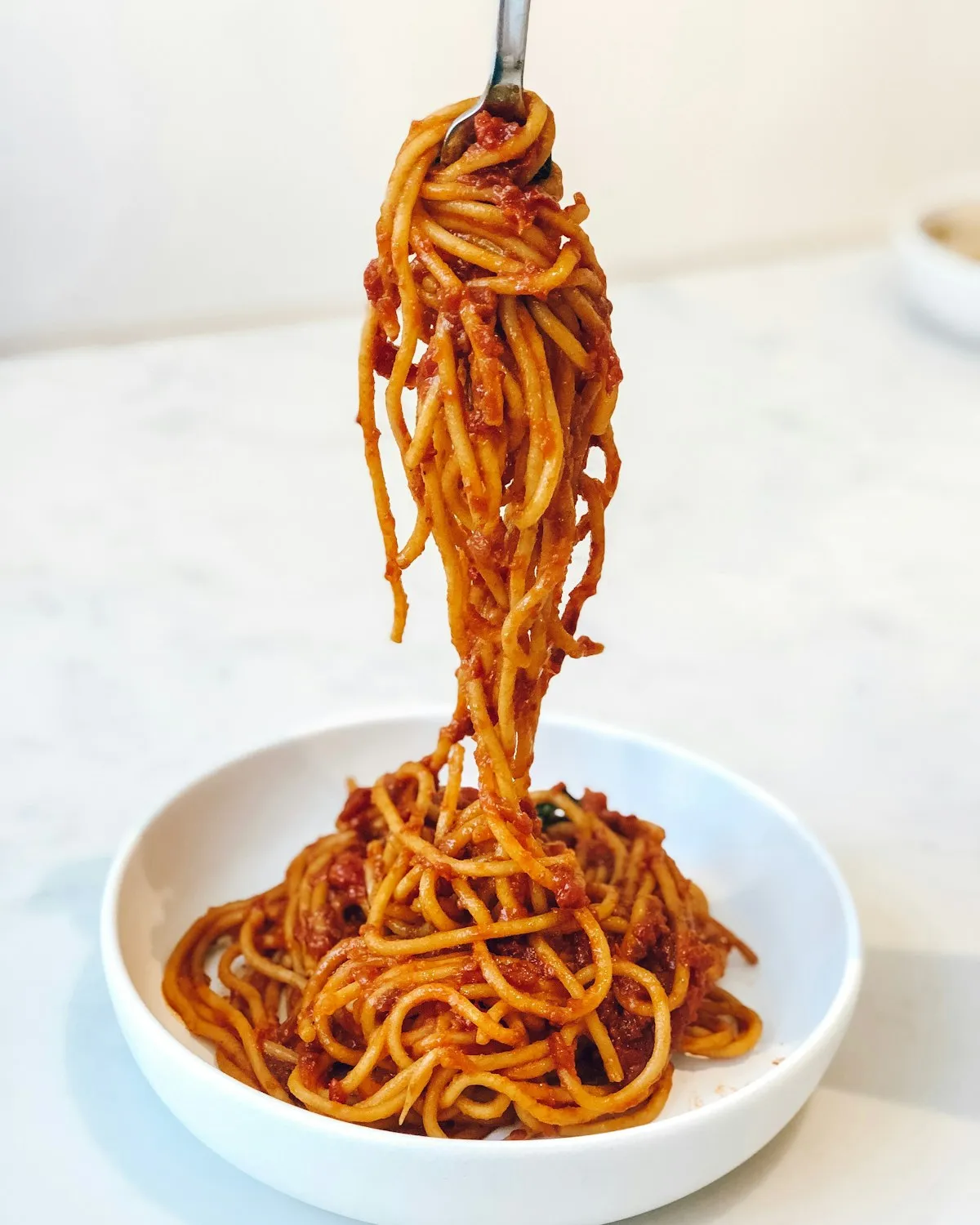
The Science of the 15-Minute Emulsion
If you’ve ever ended up with a bowl of pasta that has a watery puddle at the bottom and oil slicking the top, you’ve experienced a "broken" sauce. The secret to great 15 minute meals isn't just speed, it's chemistry. In a classic tomato basil pasta, you are essentially trying to force water (from the tomatoes and pasta) to marry oil (your extra virgin olive oil). Left to their own devices, they’ll divorce faster than a celebrity couple.
To create a glossy, clingy sauce that actually coats the linguine, you need an emulsion. This is where starch and pectin come into play. Tomatoes are naturally rich in pectin, a complex carbohydrate that acts as a stabilizer. When you cook those tomatoes down rapidly over high heat, you release these stabilizers. Combine that with the mechanical action of tossing the pasta and a splash of starchy water, and you’ve engineered a sauce that is velvety and cohesive without a drop of heavy cream. This is a cornerstone of healthy dinner ideas that don't sacrifice texture for nutrition.
Heat Management and Aromatic Infusion
Speed is your friend, but reckless heat is your enemy. When you’re working with garlic and olive oil, you’re dealing with volatile flavor compounds that can turn bitter in a heartbeat. Start your aromatics in a cold pan with plenty of oil. As the oil heats up, it gently coaxes the allicin out of the garlic and the essential oils out of the basil stems. Yes, use the stems! They contain a high concentration of that peppery basil punch that the leaves sometimes lack.
Once your kitchen smells like a Tuscan villa, introduce the tomatoes. Use a wide skillet rather than a deep pot. Why? Surface area. More surface area means faster evaporation, which concentrates the tomato sugars and develops that "cooked-all-day" flavor in minutes. This technique is what transforms quick family meals from mediocre to memorable. Keep the heat at a medium-high hum; you want a vigorous simmer, not a violent splash-fest.
The "Pasta Water Glue" Principle
Never, under any circumstances, should you dump all your pasta water down the drain. It is your liquid gold. As the linguine boils, it sheds amylose and amylopectin: the starches that make the water cloudy. This cloudy water is the "glue" that binds your fat phase (oil) to your aqueous phase (tomato juice).
Pull your linguine out of the water about two minutes before the box says it’s "al dente." It should still have a slightly chalky core. Transfer it directly into the skillet with your bubbling tomato sauce. Now, add a generous splash of that starchy water and start tossing. This agitation is mechanical work that breaks the oil into tiny droplets while the starch coats them, preventing them from regrouping. It’s the same principle we use for The Viral Garlic Butter Ramen Hack or even the Lazy Girl One-Pan Cacio e Pepe. The result is a sauce that grips the pasta with an iron (and delicious) fist.
Variations to Keep It Fresh
Once you master the base, the world is your oyster: or your kitchen. If you want more protein, consider folding in some flaked salmon or seared shrimp at the very end. The residual heat of the pasta will warm them through without turning them into rubber. For a spicy kick, a heavy hand of red pepper flakes infused into the oil at the beginning will do wonders.
If you’re looking for a bit more crunch, you can actually use your kitchen gadgets to add texture. I often suggest checking out air fryer recipes dinner enthusiasts love, like air-fried seasoned breadcrumbs (pangrattato). Tossing sourdough crumbs with a bit of garlic powder and olive oil in the air fryer for 3 minutes creates a world-class topping that mimics the richness of parmesan but with a satisfying snap. You could even air-fry some chickpeas to toss in for a plant-based protein boost that keeps this in the realm of healthy dinner ideas.
Perfect Side Dish Pairings
A great pasta dish needs a wingman. To balance the acidity and richness of a tomato-based sauce, you want something bright and bitter. A simple arugula salad with a lemon-truffle vinaigrette is the ideal foil. The peppery bite of the greens cuts through the starch of the linguine, refreshing your palate between bites.
If you're serving this as part of your quick family meals rotation, a side of roasted or air-fried zucchini rounds is a winner. The subtle sweetness of the zucchini complements the basil without competing for the spotlight. Remember, the goal is balance. If the pasta is heavy on the garlic, keep the side dish simple. If the pasta is purely sweet-tomato focused, a salty side like a small bowl of olives or some crisped prosciutto can provide that necessary contrast.
FAQ: Your Burning Sauce Questions Answered
Why is my sauce watery even though I used pasta water?
You likely didn’t let the pasta finish cooking in the sauce. If you just pour sauce over cooked pasta, they won’t bond. You need that final 2-minute simmer in the skillet to allow the pasta to absorb the sauce and for the starch to activate its thickening powers.
Can I use dried basil instead of fresh?
You can, but you shouldn’t. Dried basil has a minty, hay-like flavor that lacks the floral, peppery notes of fresh leaves. If you’re in a pinch, use a little dried oregano for earthiness instead, but fresh basil is the soul of this specific dish.
Should I salt the pasta water like the sea?
That’s a common myth. While you want seasoned water, if it’s too salty, your sauce will become an inedible salt bomb once you reduce the pasta water in the skillet. Aim for the taste of a seasoned broth, not the Atlantic Ocean.
How do I prevent the garlic from burning when I'm in a rush?
Slice the garlic thinly instead of mincing it. Larger pieces are more resilient to heat and provide a mellow, sweet flavor rather than the sharp, aggressive bite of minced garlic.
What if I don’t have linguine?
Any long, flat noodle like fettuccine or spaghetti works beautifully. Avoid short shapes like penne for this specific emulsified sauce, as they don't provide the same surface area for the sauce to cling to as effectively during the tossing process.
Can I make this ahead of time?
Pasta is best eaten immediately, but if you must, undercook the pasta even more and store the sauce and pasta separately. Reheat in a pan with a fresh splash of water to "re-emulsify" the sauce.
This 15-minute journey is about more than just food; it’s about taking control of your kitchen. It’s one of those simple pasta recipes that becomes a core memory for your family. So, stop overcomplicating your weeknights and start tossing that linguine. You’ve got this.
{“@type”:”BlogPosting”,”image”:”https://cdn.marblism.com/G7Fk3izlPB4.webp”,”author”:{“name”:”Penny”,”@type”:”Person”},”@context”:”https://schema.org”,”headline”:”Simple Pasta 15-Minute Tomato Basil Linguine”,”publisher”:{“logo”:{“url”:”https://cookpedia.com/logo.png”,”@type”:”ImageObject”},”name”:”Cookpedia”,”@type”:”Organization”},”description”:”Master the art of 15-minute meals with this simple tomato basil linguine. Learn the science of emulsification for a glossy, restaurant-quality sauce every time.”,”datePublished”:”2026-06-14″,”mainEntityOfPage”:{“@id”:”https://cookpedia.com/simple-pasta-15-minute-tomato-basil-linguine”,”@type”:”WebPage”}}