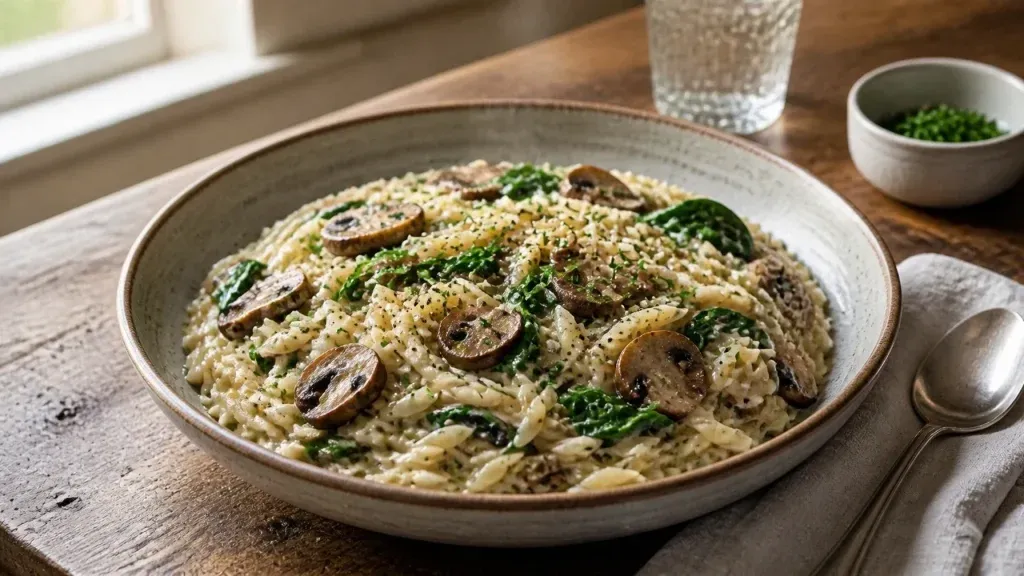
One-Pot Meals35 min
A Cookpedia collection
One pot meals are the most efficient way to get a real dinner on the table: everything cooks in a single vessel, the flavours build on each other, and there is almost nothing left to wash up. That single-pan promise is why one pot cooking has quietly become the default weeknight method in home kitchens. You are not trading flavour for convenience. You are using a technique where convenience is part of the method: starch from pasta or rice thickens the sauce, vegetables steam in the same liquid that seasons the grains, and the aromatics you add at the start keep working all the way through. Why one pot meals actually work. The trick is liquid control. In a one pot pasta, the starch that would normally be poured down the sink stays in the pan and becomes the sauce, which is why it tastes creamier than the same recipe finished in a separate saucepan. In a one pot rice dish, the ratio of liquid to grain decides everything: too much and you get porridge, too little and the grains stay chalky at the centre. Ratios are worth following the first time through, then adjusting to your own pan, because a wide skillet loses water far faster than a deep pot. The second technique is layering. Ingredients that need longer go in first, those that need a minute go in last. Aromatics (onion, garlic, ginger) go into the fat before anything wet touches the pan. That is where most of the flavour in the finished dish is decided, and it takes about ninety seconds. What to cook first. Start with the dishes where one pot is genuinely better, not merely easier. Creamy one pot pastas, where the starch does the thickening. Rice dishes such as arroz con pollo or lemon and herb rice, where the grains absorb everything they cook in. Bean and lentil skillets, which are forgiving and improve with a few extra minutes on the heat. Soups, which are one pot by definition. Then move on to dishes where one pot is a compromise: steak, fish fillets, anything needing dry heat to brown properly. Those belong in a skillet of their own, with sides roasted alongside in the oven. Mistakes worth avoiding. Overcrowding is the most common failure: a pan so full the contents steam instead of fry will never develop the browning that carries the flavour. Use a larger pan than feels necessary, or cook in two batches. Stirring too often is the second. Rice and pasta need contact with the hot base to toast and thicken. Under-seasoning early is the third: salt added at the start distributes through the dish; salt added at the end sits on top of it. Where to go next. Browse our one pot collection for recipes built around the method: creamy pastas, skillet rice dinners, bean and lentil stews, and soups that finish in the same pot they started in. Each recipe lists the liquid ratios we use and the pan size we tested it in, because those two details are what make one pot cooking reliable rather than lucky.
Cook something good
One-Pot Meals35 min
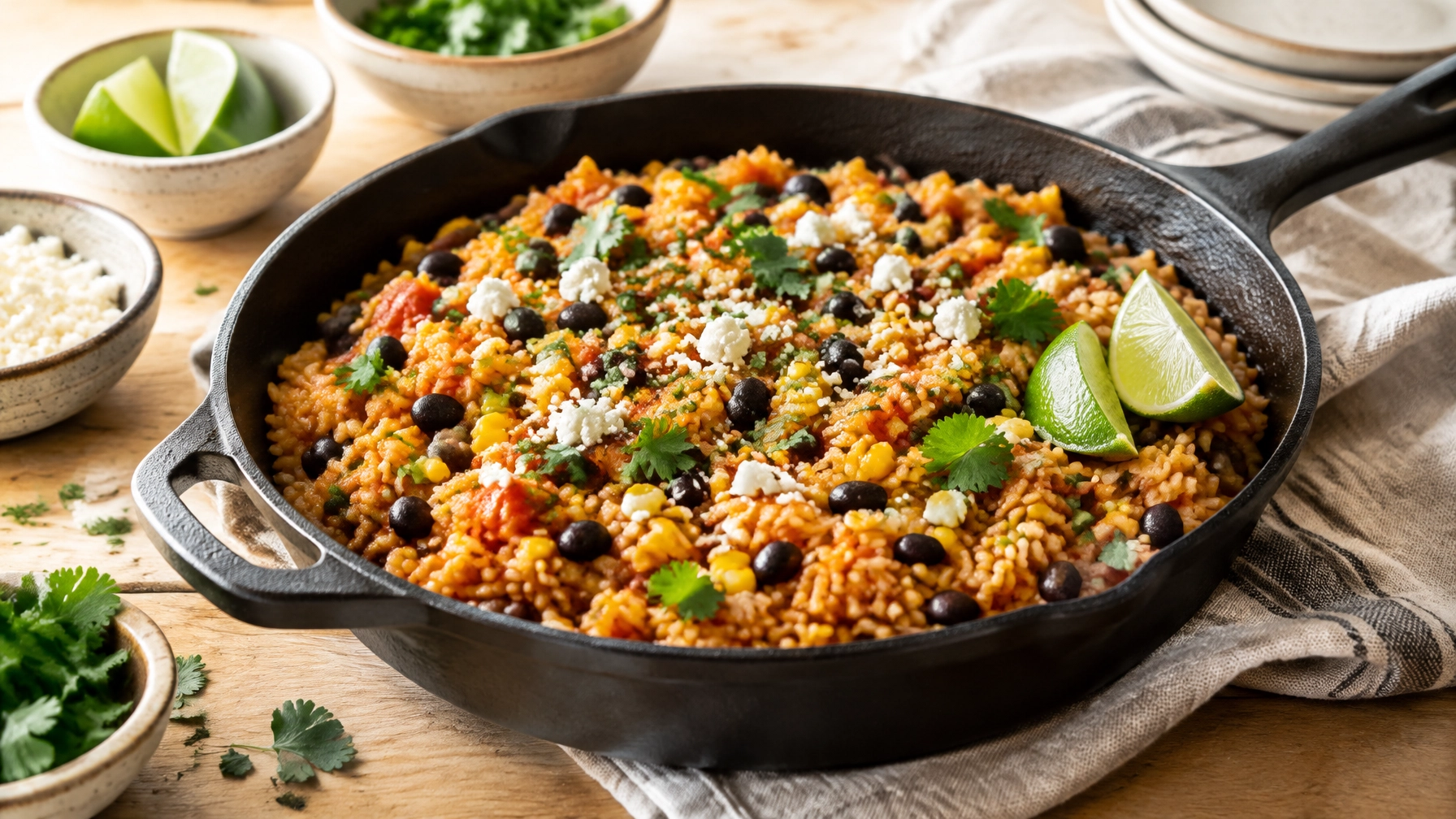
One-Pot Meals15 min
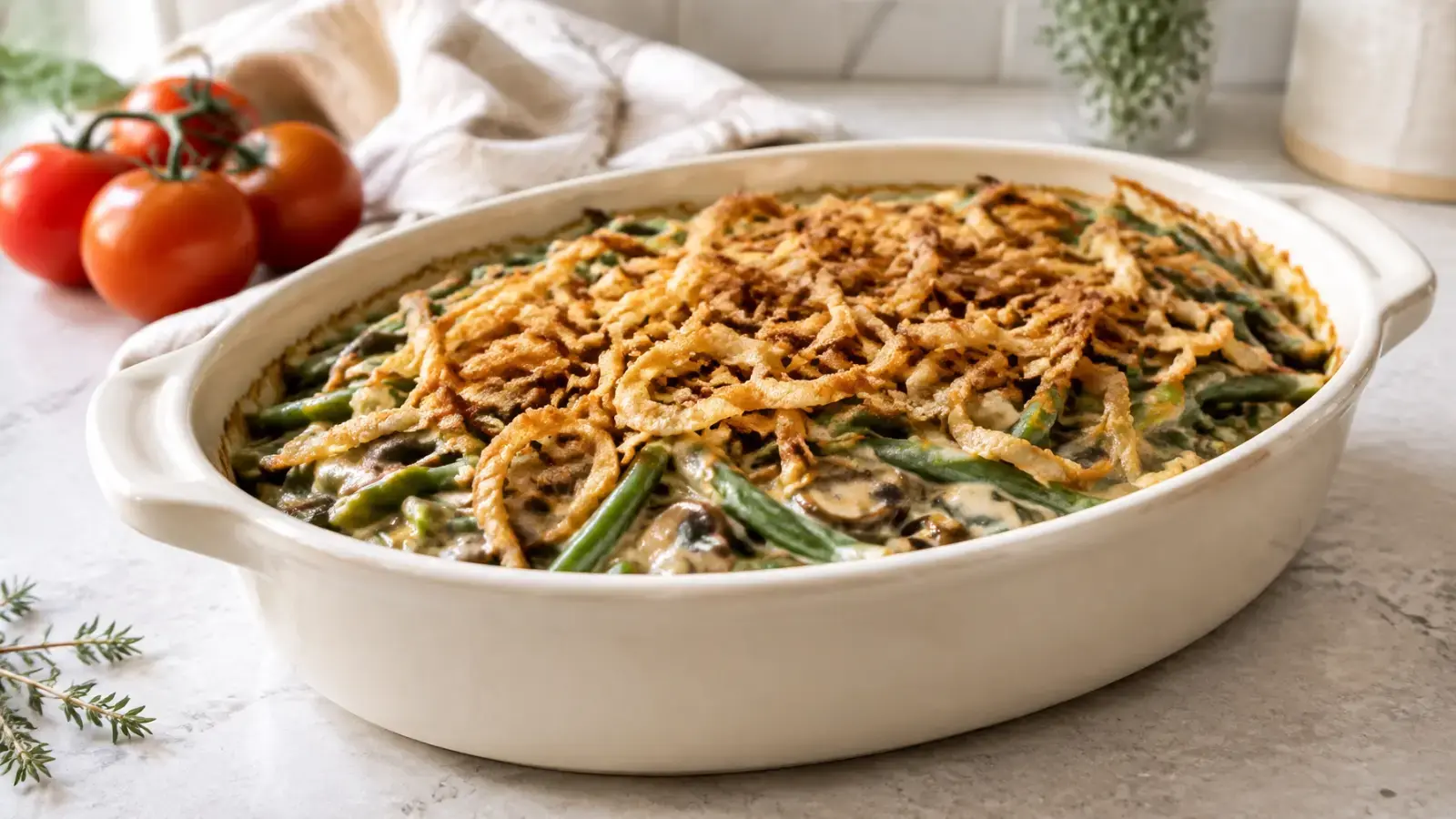
One-Pot Meals3 hrs 15 min

One-Pot Meals40 min
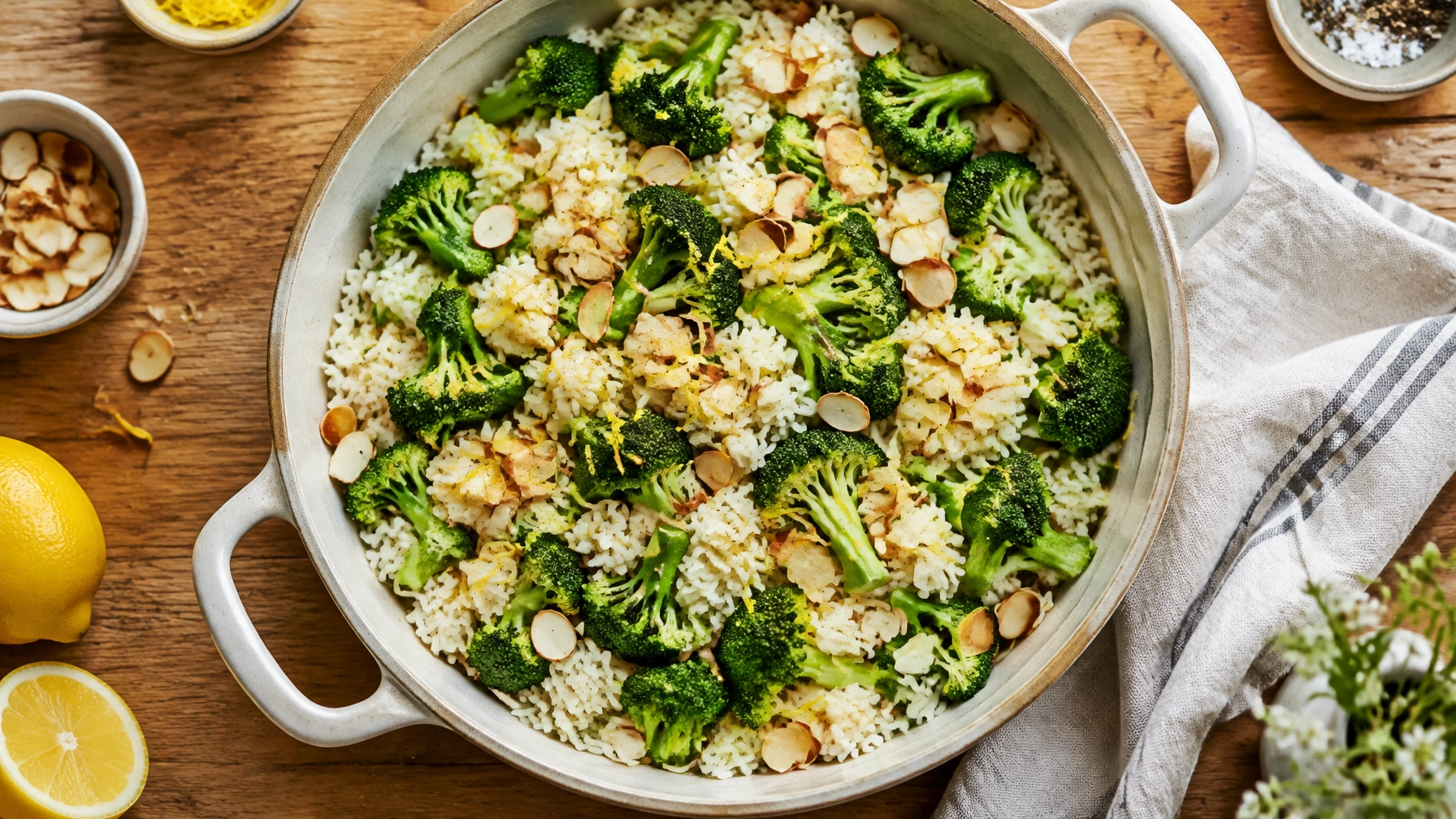
One-Pot Meals17 min
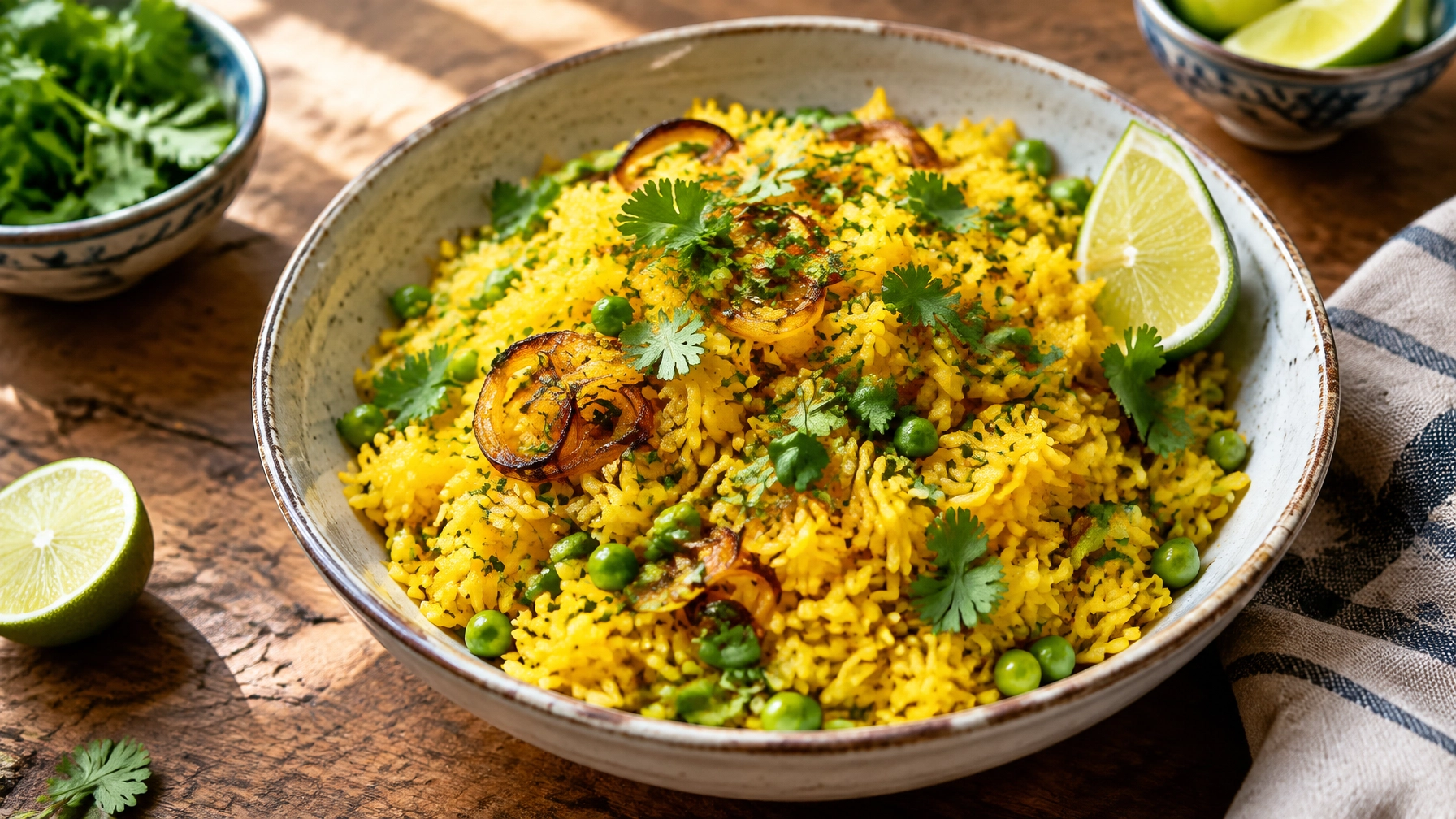
One-Pot Meals16 min
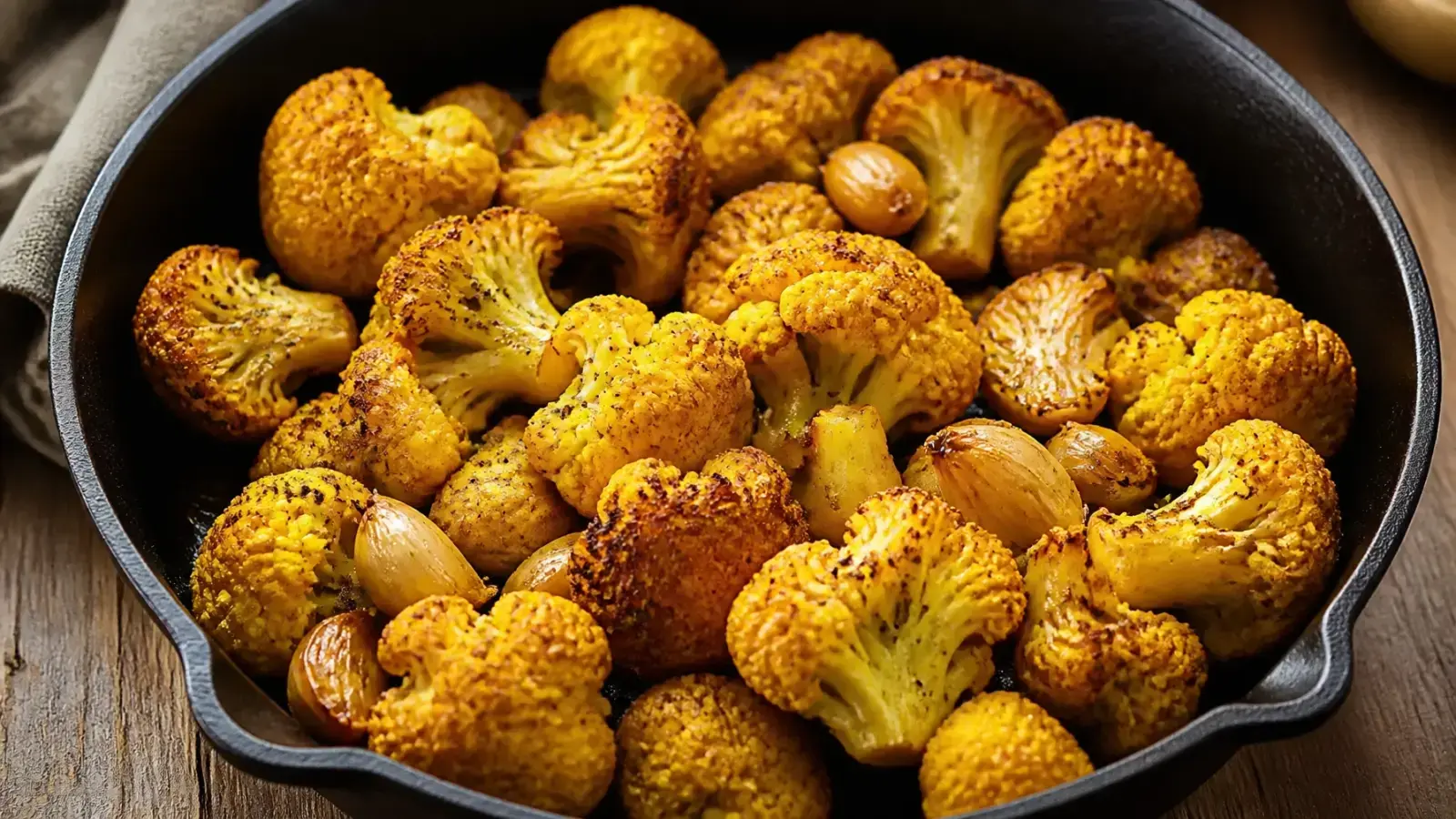
One-Pot Meals
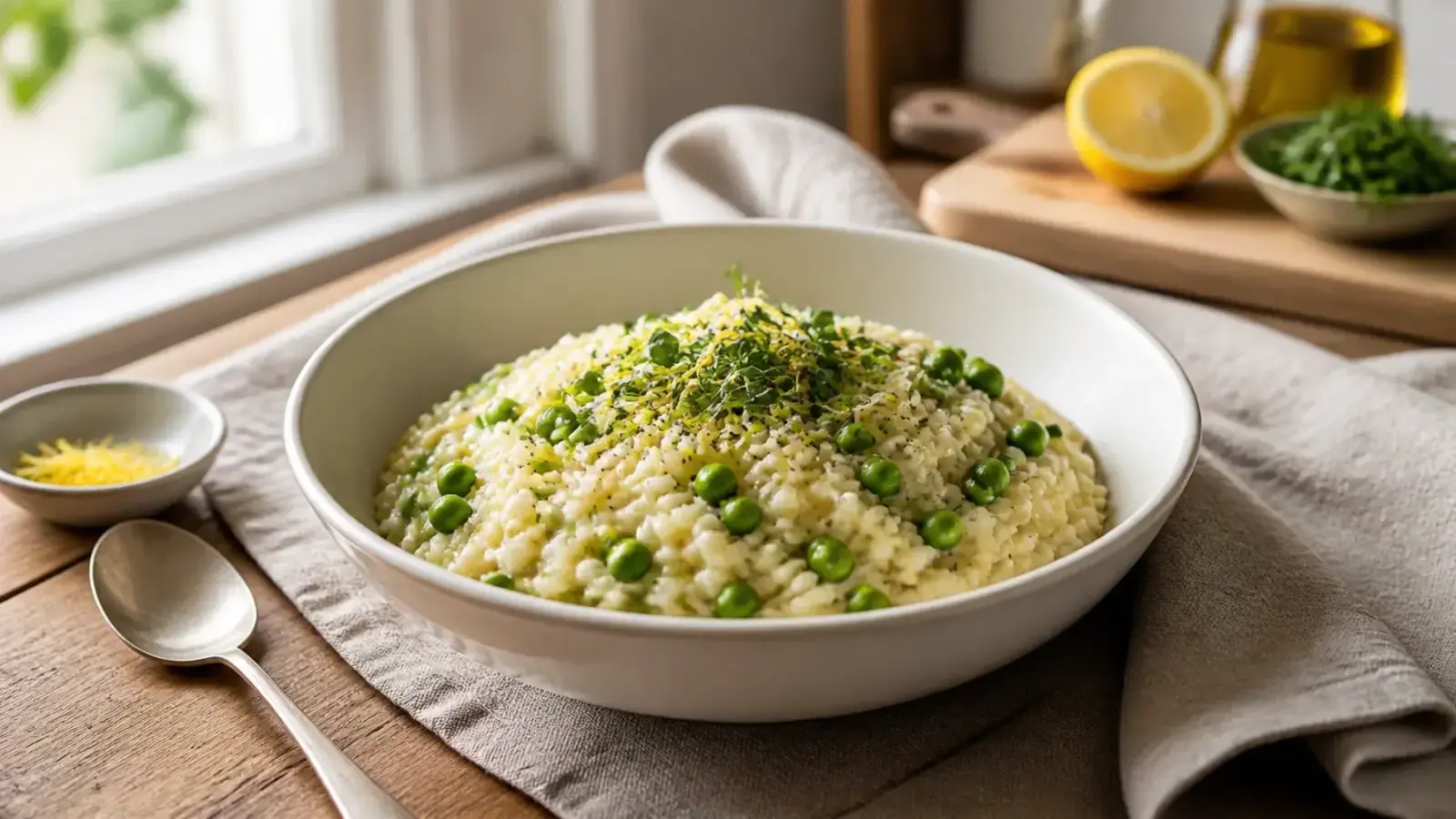
One-Pot Meals
One-Pot Meals30 min
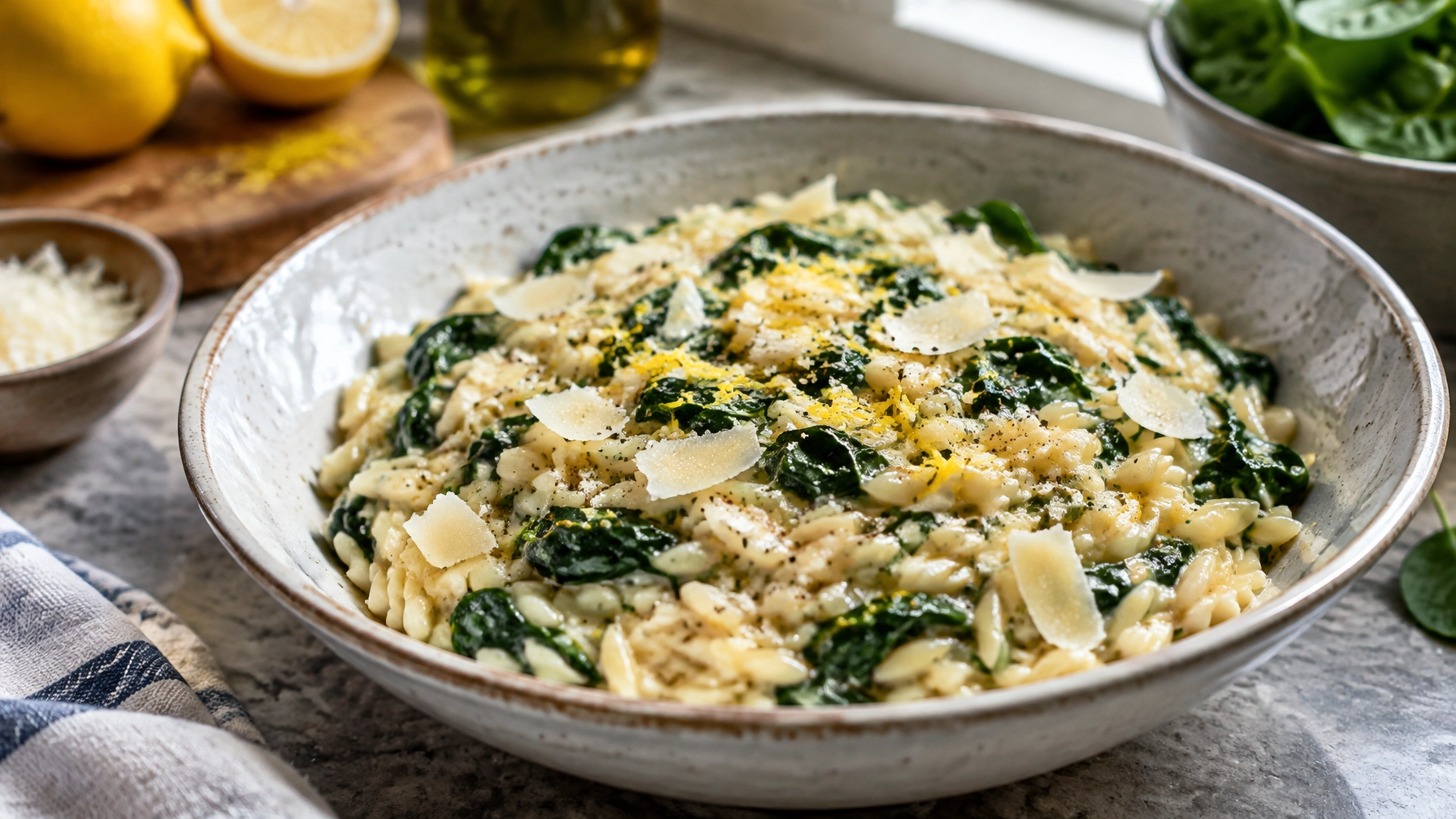
One-Pot Meals20 min