Recipe
Servings
Taste and adjust with salt and plenty of black pepper. Garnish with fresh herbs and serve immediately on warmed plates. 1×
Serves Taste and adjust with salt and plenty of black pepper. Garnish with fresh herbs and serve immediately on warmed plates.
Ingredients
- 5 cups Arborio rice
- 5 cups vegetable stock (low sodium, kept warm)
- 1 cup fresh or frozen peas
- 1 large lemon (zested and juiced)
- 2 shallots, finely minced
- 3 cloves garlic, minced
- 1/2 cup dry white wine (like Pinot Grigio)
- 2 tablespoons extra virgin olive oil
- 1/2 cup freshly grated Parmesan cheese
- 2 tablespoons unsalted butter
- Salt and freshly cracked black pepper
- Fresh mint or parsley for garnish
Method
- Sauté the Aromatics: Heat the olive oil in a large, heavy-bottomed pot over medium heat. Add the shallots and cook until translucent (about 3 minutes). Add the garlic and cook for another minute until fragrant.
- Toast the Rice: Add the Arborio rice to the pot. Stir constantly for 2 minutes. This "toasting" step creates a protective shell around the grain, helping it maintain its structural integrity during the long cooking process.
- Deglaze: Pour in the white wine. Use a wooden spoon to scrape any browned bits from the bottom. Continue stirring until the wine has been almost entirely absorbed by the rice.
- The Starch Release: Add one ladle of warm stock at a time. Stir frequently. Wait until the liquid is mostly absorbed before adding the next ladle. This mechanical action is what builds the creamy texture.
- Incorporate the Peas: When the rice is nearly tender (about 15-18 minutes in), stir in the peas. The residual heat will cook them perfectly without losing their vibrant color.
- The Mantecatura: Once the rice is al dente and the sauce is thick, remove the pot from the heat. Stir in the lemon juice, lemon zest, butter, and Parmesan. This final emulsion creates the luxurious "wave" (all’onda) texture.
- Season and Serve: Taste and adjust with salt and plenty of black pepper. Garnish with fresh herbs and serve immediately on warmed plates.
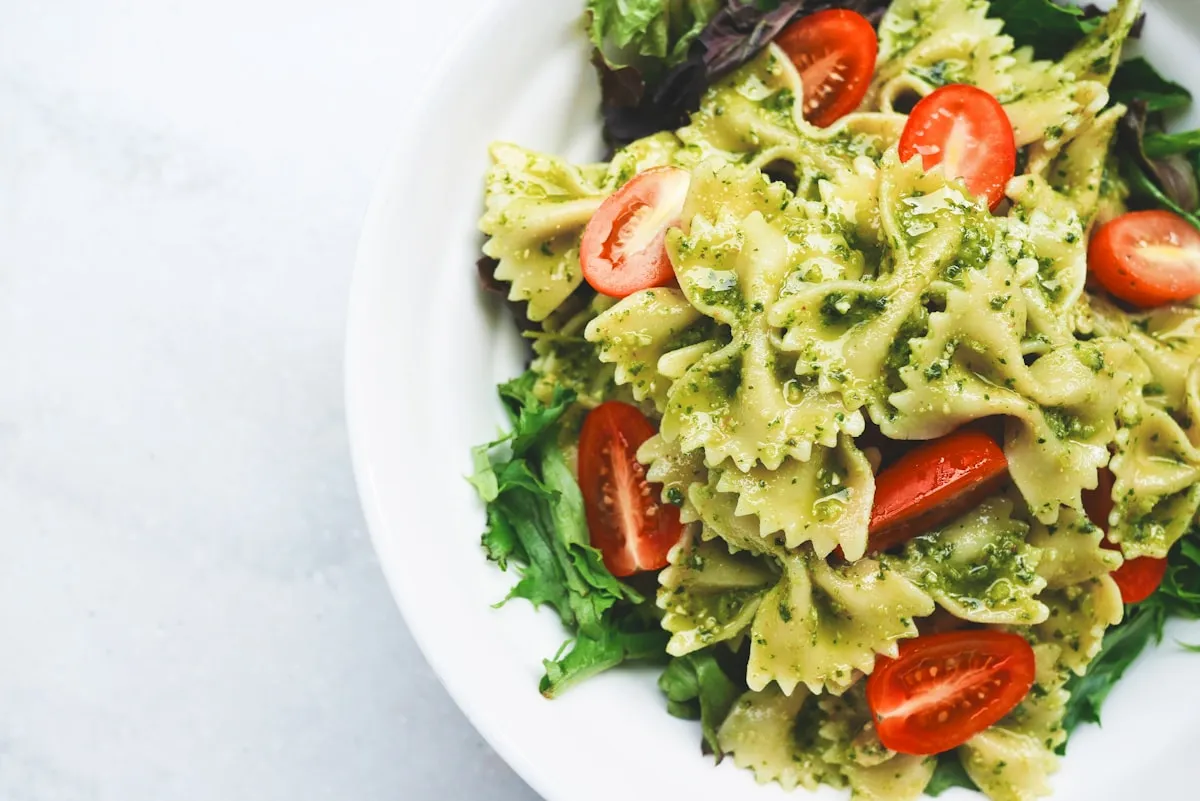
If you have ever marveled at how a handful of dry rice and some stock can transform into a velvety, decadent masterpiece without a drop of heavy cream, you have witnessed the beauty of starch gelatinization. At the molecular level, making risotto is less about "cooking" and more about managing a delicate chemical suspension. By understanding the interaction between heat, water, and the specific architecture of Arborio rice, you can elevate your repertoire of quick healthy meals from simple sustenance to edible science.
The Molecular Architecture of the Grain
To master the art of the one-pot meal, you must first understand your primary reactant: the rice. Arborio is a short-grain cultivar characterized by a high concentration of amylopectin. Starch exists in two primary forms within the grain: amylose (long, linear chains) and amylopectin (highly branched, tree-like structures). While long-grain rices like Basmati are high in amylose, which keeps grains distinct and fluffy, Arborio is packed with amylopectin, the secret agent behind that signature risotto "ooze."
The Thermodynamics of Creaminess
The transformation begins when you introduce heat and moisture. Around 60°C (140°F), the semi-crystalline starch granules begin to absorb water, a process known as swelling. However, the real magic happens between 79°C and 91°C (175°F–195°F). At this critical temperature range, the hydrogen bonds holding the starch molecules together begin to weaken. Water molecules wedge themselves between the starch chains, causing the granules to expand until they eventually rupture.
Mechanical Agitation: More Than Just a Workout
You have likely heard the "non-negotiable" rule of risotto: you must stir. From a physics perspective, this mechanical agitation is essential for releasing amylose into the surrounding liquid. As you move the rice grains against each other, you are effectively "scraping" the gelatinized starch from the surface of the grains into the stock. This creates a thick, opaque emulsion. Without this friction, the starch remains trapped within the grain, leaving you with a pot of wet, distinct rice rather than a cohesive, creamy sauce.
Precision Hydration and Viscosity
Managing the liquid-to-starch ratio is vital. Add your stock too quickly, and the grains will boil without enough friction to release their starch. Add it too slowly, and the temperature of the pot may drop below the gelatinization threshold, stalling the process. Maintain a consistent simmer; this ensures the starch granules stay in a state of flux, continuously absorbing water while shedding the amylose that provides the dish’s viscosity. This technique is what turns a basic recipe into one of the most reliable easy dinner recipes in your arsenal.
Acidic Balance and Variations
While the starch provides the texture, the flavor profile requires a calculated chemical counter-balance. This risotto relies on the bright acidity of lemon to cut through the richness of the starch-heavy emulsion. Citric acid doesn't just add flavor; it also subtly affects the protein structure if you choose to add parmesan or butter at the end (a process known as mantecatura).
The Role of Green Aromatics
Incorporating fresh peas adds a burst of sweetness and a textural contrast. For those seeking healthy dinner ideas, peas provide a source of plant-based protein and fiber without disrupting the starch-to-liquid ratio. If you want to experiment with different profiles, consider substituting the peas with blanched asparagus or even a finish of mint. The goal is to provide a "high note" to the deep, savory "low notes" of the vegetable stock and starch.
Textural Enhancements
If you prefer a bit of crunch, you can actually use your air fryer to create a garnish. While not a traditional part of the cooking process, crisping up some prosciutto or seasoned chickpeas using air fryer recipes dinner techniques can provide a sophisticated structural element to an otherwise soft dish. It adds that missing "snap" that rounds out the sensory experience of the meal.
Side Dish Pairings: Balancing the pH
When serving a dish as rich and starch-dense as risotto, your side dishes should focus on high acidity and bitterness to refresh the palate. A simple arugula salad with a sharp vinaigrette is a classic choice. The bitterness of the greens acts as a foil to the creamy, sweet profile of the peas.
Alternatively, consider roasted cruciferous vegetables. The char from high-heat roasting provides a bitter, smoky depth that complements the bright lemon notes. If you are looking for quick family meals that feel complete, a side of garlic-rubbed grilled sourdough is excellent for mopping up any leftover emulsion, though technically, it’s just more starch on starch, which, frankly, I won't judge you for.
Frequently Asked Questions
What happens if I wash the rice before cooking?
Never wash Arborio rice for risotto. Washing removes the surface starch (the very amylopectin we need) before it even hits the pan. If you rinse the rice, you are literally pouring the creaminess down the drain, resulting in a thin, watery texture that no amount of stirring can fix.
Can I use a different type of rice?
Technically, yes, but the results will differ. Carnaroli rice is often preferred by professional chefs because it has a slightly higher amylose content than Arborio, making it more resistant to overcooking. Long-grain rices, however, lack the necessary amylopectin structure to create a creamy sauce; they will simply remain separate.
Why does my risotto turn gummy?
Gumminess is usually the result of over-agitation or overcooking. If the starch granules rupture too much, they release an excessive amount of starch into the liquid, turning the emulsion into a paste. Once you reach the al dente stage (where the grain has a slight bite at the core), stop adding liquid and remove from heat immediately.
Why do I need to warm the stock?
Adding cold stock to a hot pan creates a thermal shock. This causes the starch granules on the surface of the rice to "seize" and contract, which prevents them from absorbing liquid evenly. By keeping your stock at a low simmer on the side, you maintain a consistent temperature in the main pot, ensuring the gelatinization process is never interrupted.
The Recipe: Creamy Lemon and Pea Risotto
Ingredients
- 1.5 cups Arborio rice
- 5 cups vegetable stock (low sodium, kept warm)
- 1 cup fresh or frozen peas
- 1 large lemon (zested and juiced)
- 2 shallots, finely minced
- 3 cloves garlic, minced
- 1/2 cup dry white wine (like Pinot Grigio)
- 2 tablespoons extra virgin olive oil
- 1/2 cup freshly grated Parmesan cheese
- 2 tablespoons unsalted butter
- Salt and freshly cracked black pepper
- Fresh mint or parsley for garnish
Instructions
- Sauté the Aromatics: Heat the olive oil in a large, heavy-bottomed pot over medium heat. Add the shallots and cook until translucent (about 3 minutes). Add the garlic and cook for another minute until fragrant.
- Toast the Rice: Add the Arborio rice to the pot. Stir constantly for 2 minutes. This "toasting" step creates a protective shell around the grain, helping it maintain its structural integrity during the long cooking process.
- Deglaze: Pour in the white wine. Use a wooden spoon to scrape any browned bits from the bottom. Continue stirring until the wine has been almost entirely absorbed by the rice.
- The Starch Release: Add one ladle of warm stock at a time. Stir frequently. Wait until the liquid is mostly absorbed before adding the next ladle. This mechanical action is what builds the creamy texture.
- Incorporate the Peas: When the rice is nearly tender (about 15-18 minutes in), stir in the peas. The residual heat will cook them perfectly without losing their vibrant color.
- The Mantecatura: Once the rice is al dente and the sauce is thick, remove the pot from the heat. Stir in the lemon juice, lemon zest, butter, and Parmesan. This final emulsion creates the luxurious "wave" (all’onda) texture.
- Season and Serve: Taste and adjust with salt and plenty of black pepper. Garnish with fresh herbs and serve immediately on warmed plates.
For more inspiration on building your weekly menu, check out our guide on Spicy Tomato Basil One-Pot Linguine or explore our latest Air Fryer Sausage and Pepper Medley.