Recipe
Servings
Servings 1×
Ingredients
- Tofu
- Lentils
- Chickpeas
- Black beans
- Beans
- Quinoa
- Rice
- Broccoli
- Zucchini
- Kale
- Greens
- Peas
- Apple
- Tomatoes
- Lemon
- Lime
- Curry spices
- Chili seasoning
Method
- Let’s be honest: your freezer is likely a graveyard for half-used bags of peas and that one mystery container from 2024.
- Spread your cooked grains or stews on a flat tray to cool rapidly in the fridge first.
- Use high-quality, airtight containers or silicone bags.
- Use a rich tomato or cashew-based sauce to provide a "buffer" against the cold.
Let’s be honest: your freezer is likely a graveyard for half-used bags of peas and that one mystery container from 2024. It’s time to change that. Plant-based freezer meals are having a massive moment right now, and it isn't just because of the "aesthetic" meal prep videos you see online. It’s about survival. When you have a stash of soulful, nutrient-dense food ready to go, you stop settling for mediocre takeout. You save money, you save your sanity, and you actually eat the veggies you bought with such high hopes on Sunday morning.
The Science of the Deep Freeze: Mastering Your Technique
Freezing isn't just about sticking leftovers in a box and hoping for the best. To maintain the "soul" of your food, you need to understand the physics of ice. When you freeze plant-based ingredients, the water inside their cells expands into ice crystals. If those crystals grow too large, they rupture the cell walls, leaving you with a soggy, unappealing mess once thawed.
To prevent this, cool your food completely before it even touches the freezer. If you put warm food in there, it creates steam, which leads to massive ice crystals and the dreaded freezer burn. Spread your cooked grains or stews on a flat tray to cool rapidly in the fridge first. This is a non-negotiable step for anyone wanting to maintain the integrity of their quick family meals.
Blanch your vegetables. This is the secret weapon of the pros. Briefly boiling veggies like broccoli or kale and then shocking them in ice water stops the enzymatic activity that causes decay. It "sets" the color and texture, ensuring that when you finally reheat that stew, the greens don't look like gray sludge.
Eliminate the air. Oxygen is the enemy of flavor. Use high-quality, airtight containers or silicone bags. If you’re using bags, use the "water displacement" method: submerge the bag in water up to the seal to push all the air out before closing it. For soups and sauces, freeze them flat in bags. They stack like books, saving you precious space and thawing much faster than a giant block of ice.
Flash freeze individual components. If you're prepping tofu or veggie burger patties, freeze them on a parchment-lined tray for an hour before bagging them. This prevents them from fusing into one giant "mega-patty." You want to be able to grab exactly what you need without a hammer and chisel.
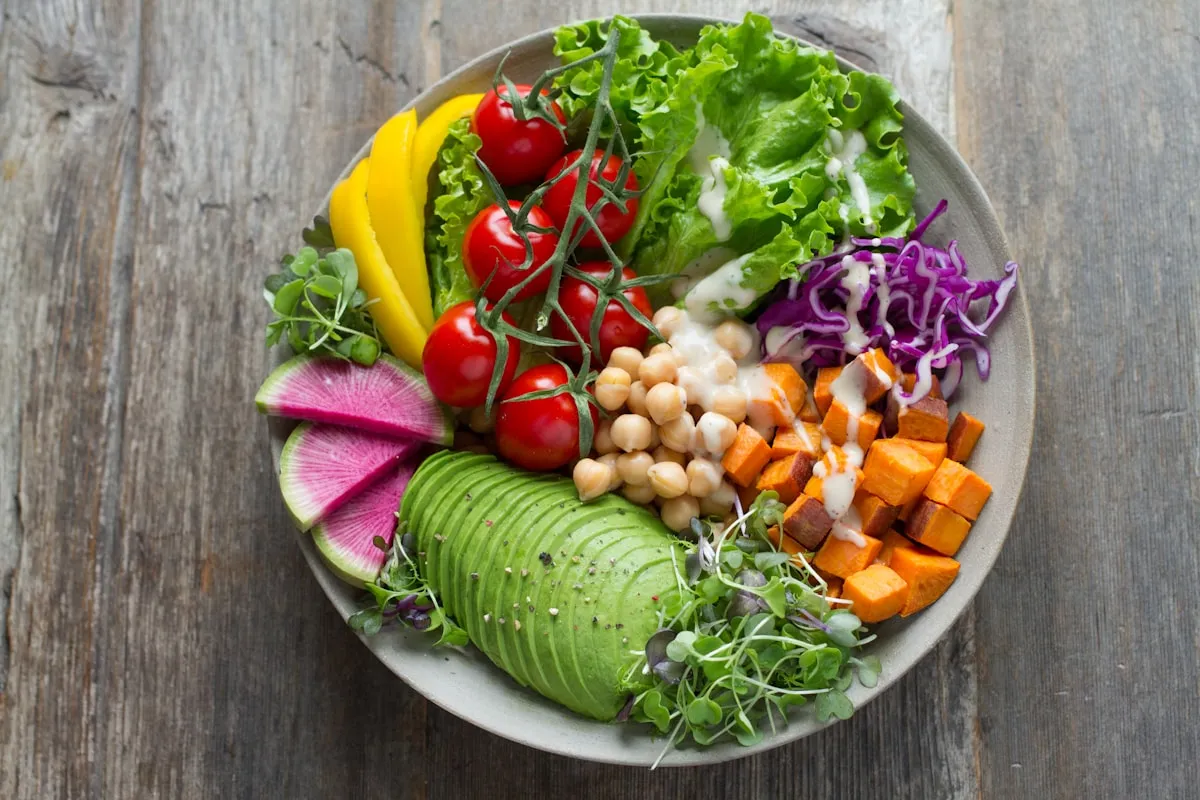
The Best Plant-Based Variations for Success
Not all healthy dinner ideas are created equal when it comes to the sub-zero life. You want dishes that actually improve with age or, at the very least, hold their own.
The "Stew and Brew" Method: Legume-based dishes like lentil dahl, chickpea curry, and black bean chili are the champions of the freezer. Why? Because the flavors have more time to meld. The cellular structure of beans and lentils is incredibly robust; they don't turn to mush the way a zucchini might. When you reheat these, the texture remains hearty and satisfying.
Grain Bowl Bases: Don't just freeze the meal; freeze the building blocks. Cooked quinoa, brown rice, and farro freeze beautifully. Having these on hand means you can assemble a meal in minutes. Just make sure to undercook your grains slightly before freezing, they’ll finish softening when you reheat them.
Baked Wonders: Casseroles and vegan lasagnas are fantastic candidates for the freezer. The layers of sauce and starch protect the internal ingredients from drying out. Use a rich tomato or cashew-based sauce to provide a "buffer" against the cold. These are perfect for when you need a comforting meal that requires zero brainpower.
Perfect Pairings: Balancing the Reheated Plate
One of the biggest mistakes people make with freezer meals is serving them exactly as they come out of the microwave or oven. Reheated food often loses its high-frequency flavor notes, specifically acidity and crunch. You need to "wake up" the dish with fresh pairings.
The Acid Rule: Almost every frozen-and-thawed stew will benefit from a squeeze of fresh lemon or lime juice just before serving. The acidity cuts through the richness and brightness of the flavors that may have become muted during storage. A splash of apple cider vinegar in a lentil soup can be the difference between "okay" and "restaurant-quality."
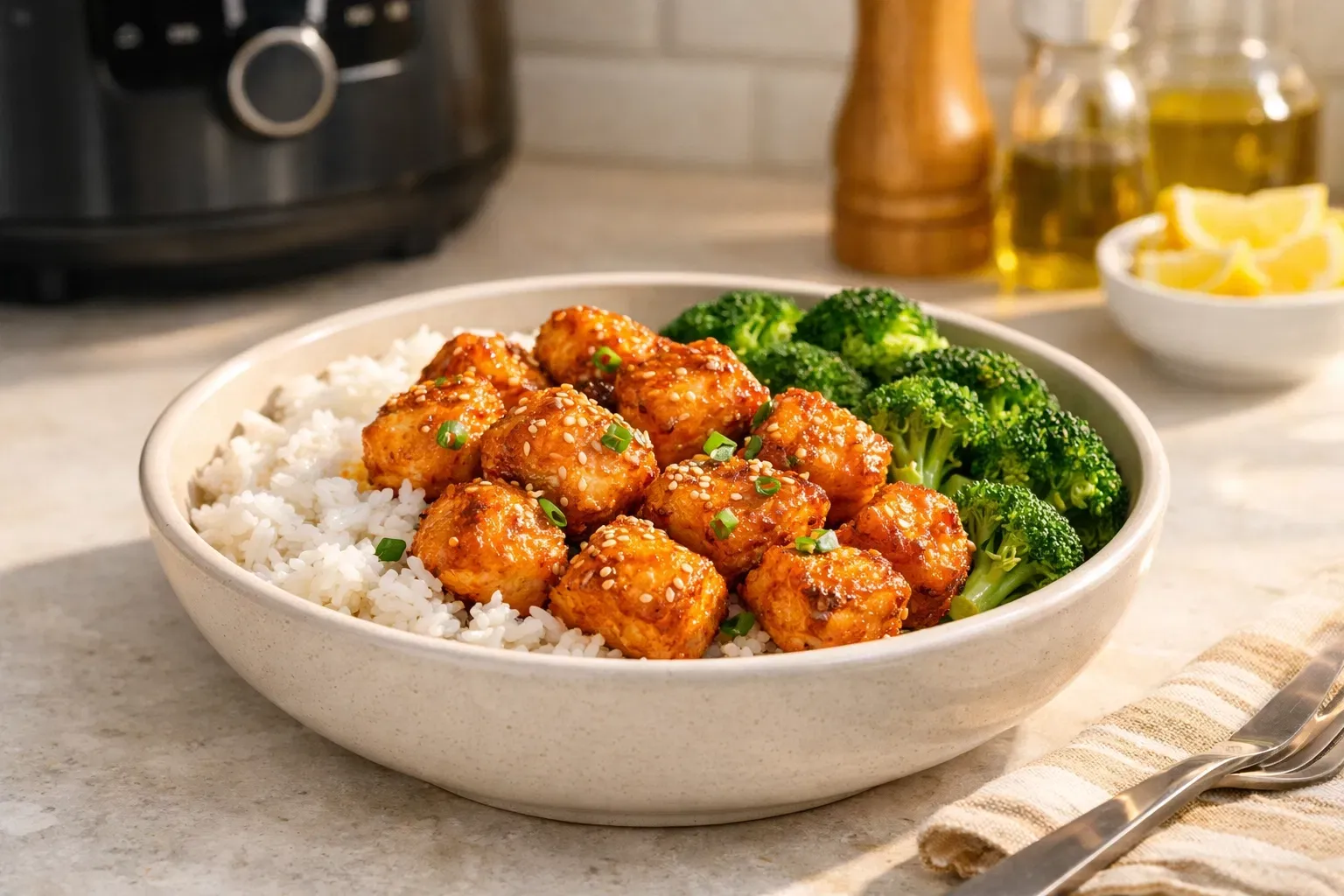
Texture Contrast: Since freezer meals lean toward the soft side (think stews and bakes), pair them with something high-crunch. Toasted pumpkin seeds, fresh radishes, or a handful of raw arugula can transform a bowl of chili. If you have an air fryer, use it to quickly crisp up some chickpeas or kale chips to top your grain bowls. This is where air fryer recipes dinner really shine, not just as standalone meals, but as the "finishing touch" for your prepped inventory.
Freezer Meal FAQ: Your Science-Backed Guide
Can I freeze tofu?
Yes, and you absolutely should. Freezing tofu changes its molecular structure. As the water inside the tofu turns to ice, it creates small "pockets" in the soy curd. When thawed and pressed, the tofu becomes much firmer and more porous, acting like a sponge for sauces. It gives the tofu a "meaty" chew that is impossible to achieve with fresh tofu.
What should I never put in the freezer?
Avoid high-water-content vegetables if you intend to eat them "fresh" later. This includes cucumbers, celery, lettuce, and raw tomatoes. The ice crystals will completely destroy their structure, leaving behind a puddle of water and some limp fibers. If you must freeze them, plan to blend them into a smoothie or a cooked sauce where texture doesn't matter.
How long do these meals actually last?
For peak flavor and nutrition, aim to eat your plant-based freezer meals within 3 to 6 months. While they are safe to eat indefinitely if kept at 0°F (-18°C), the quality begins to degrade. Fats (even plant-based ones) can eventually oxidize, and flavors can start to taste "like the freezer." Label everything with a name and a date. If you can't identify it, don't eat it.
Should I thaw before reheating?
For soups and stews, you can often go straight from the freezer to the pot: just add a splash of water or broth to prevent scorching. For casseroles or larger bakes, it’s best to thaw them in the fridge overnight. This ensures the center heats through without burning the edges. If you're in a rush, a low-power setting on the microwave can bridge the gap, but patience always yields a better texture.
Is it safe to refreeze food?
If you thawed the meal in the refrigerator, it is generally safe to refreeze it within 3-4 days, though the texture will suffer significantly from the second round of ice crystal formation. If you thawed it on the counter or in the microwave, eat it immediately or toss it. Bacteria love a warm, damp environment, and you don't want to mess with that.
{“@type”:”BlogPosting”,”image”:”https://cdn.marblism.com/XT03nMmk-xP.webp”,”author”:{“name”:”Cookpedia Chef”,”@type”:”Person”},”@context”:”https://schema.org”,”headline”:”Why Everyone Is Talking About Plant-Based Freezer Meals (And You Should Too)”,”publisher”:{“logo”:{“url”:”https://cookpedia.com/logo.png”,”@type”:”ImageObject”},”name”:”Cookpedia”,”@type”:”Organization”},”mainEntity”:[{“name”:”Can I freeze tofu?”,”@type”:”Question”,”acceptedAnswer”:{“text”:”Yes. Freezing tofu creates a firmer, more porous texture that absorbs sauces better than fresh tofu.”,”@type”:”Answer”}},{“name”:”What vegetables should I avoid freezing?”,”@type”:”Question”,”acceptedAnswer”:{“text”:”Avoid high-water-content vegetables like cucumbers, lettuce, and celery if you want to eat them raw, as freezing destroys their structure.”,”@type”:”Answer”}},{“name”:”How long do plant-based freezer meals last?”,”@type”:”Question”,”acceptedAnswer”:{“text”:”They are best consumed within 3 to 6 months for optimal flavor and nutrient density.”,”@type”:”Answer”}}],”description”:”Discover the science and art of plant-based freezer meals. Learn how to preserve texture and flavor while building a stash of quick family meals and healthy dinner ideas.”,”datePublished”:”2026-07-03″,”mainEntityOfPage”:{“@id”:”https://cookpedia.com/why-plant-based-freezer-meals”,”@type”:”WebPage”}}