Recipe
Servings
Servings 1×
Ingredients
- Pork
- Tofu
- Lentils
- Chickpeas
- Black beans
- Beans
- Quinoa
- Pasta
- Noodles
- Rice
- Bread
- Potatoes
- Sweet potatoes
- Cauliflower
- Zucchini
- Mushrooms
- Kale
- Greens
Method
- Prepare the ingredients described in the article and heat the cooking surface or oven as directed.
- Cook the main ingredients using the heat and timing guidance in the article.
- Finish with the seasonings and garnishes named in the article, then serve.
July is the month where the kitchen usually feels about ten degrees hotter than the rest of the house, and the last thing you want to do is spend an hour hovering over a steaming stove. Between beach trips, late-night sunset walks, and the general chaos of summer, you need dinner to be fast, fresh, and fueling. Transitioning to more plant-forward meals doesn't mean you have to sacrifice flavor or spend all night chopping. I’ve rounded up my favorite ways to keep your kitchen cool while putting together quick family meals that everyone actually wants to eat.
The Science of Fast, Flavorful Plants
When you're rushing through a Tuesday night, your biggest enemies are blandness and soggy textures. The secret to making healthy dinner ideas taste like restaurant quality lies in understanding how heat and acidity interact with plant proteins. Most home cooks make the mistake of "steaming" their vegetables in a crowded pan. Instead, you should embrace the Maillard reaction. This is the chemical reaction between amino acids and reducing sugars that gives browned food its distinctive flavor. To achieve this without heating up your whole oven, lean into your air fryer.
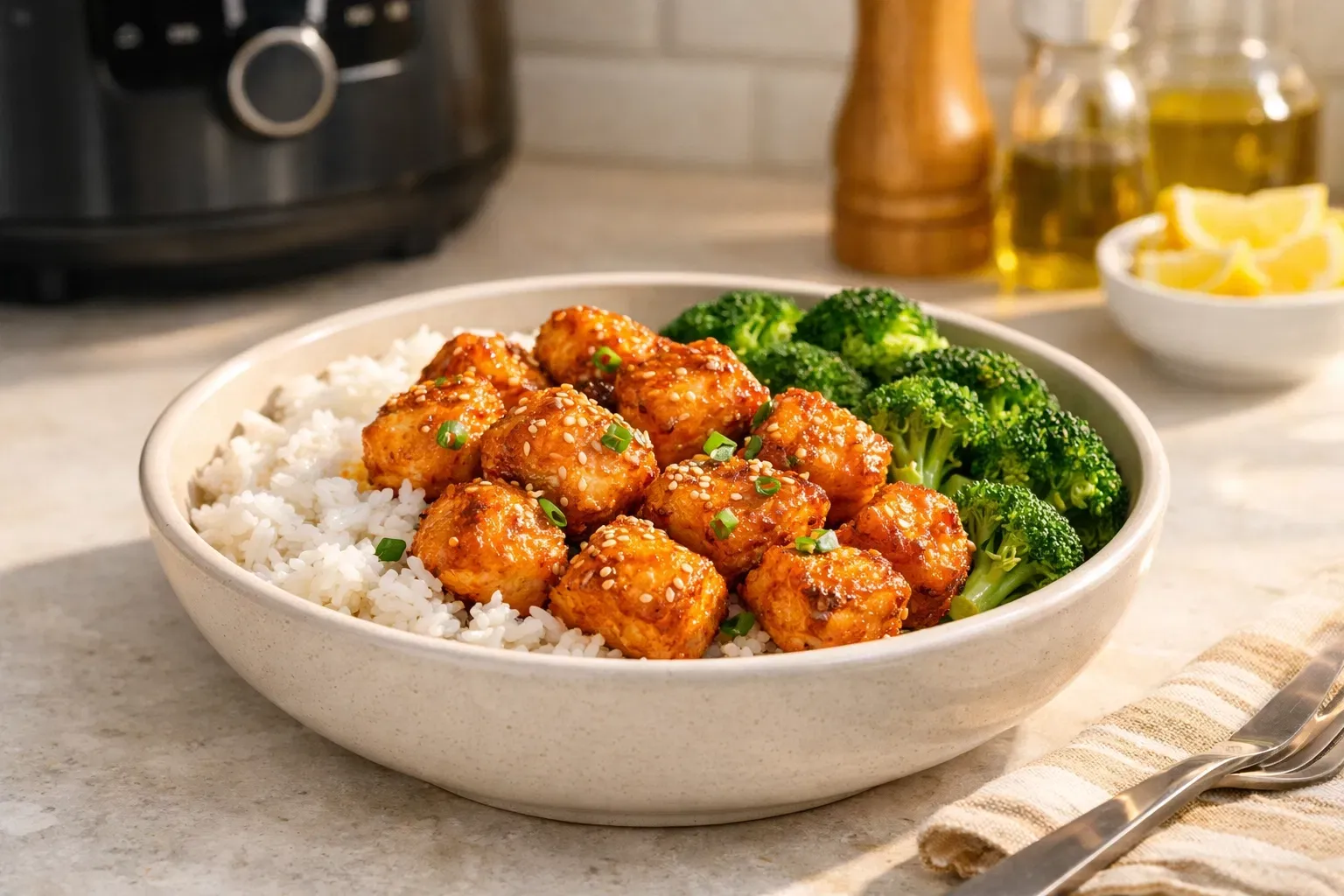
Using air fryer recipes dinner style allows you to get that high-heat crisp on tofu, chickpeas, or cauliflower in half the time. The convection air circulation dries out the surface of the food rapidly, creating a Maillard-rich crust while keeping the inside tender. If you’re air-frying tofu, ensure you press the moisture out first; water is the enemy of browning. Once your protein is crispy, the next technical step is emulsification.
Don't just pour oil and vinegar over your bowl and hope for the best. An emulsified dressing: where you whisk an acid (like lemon juice) into a fat (like tahini or olive oil) with a stabilizer (like mustard or maple syrup): creates a creamy coating that clings to every leaf and grain. This ensures every bite is balanced. Acidity doesn't just add "sourness"; it physically brightens the flavors of heavy starches like quinoa or pasta by stimulating your salivary glands and cutting through fat.
Another technique for your July arsenal is "flash-marinating." For hearty greens like kale or raw thinly sliced zucchini, massage them with a pinch of salt and a splash of acid five minutes before serving. This breaks down the tough cellulose fibers, making them easier to digest and significantly more flavorful. If you’re short on time, use the "soak and assemble" method for grains like couscous or rice noodles. These don't require active boiling: just a soak in hot water while you prep your veggies. This keeps the ambient heat in your kitchen to an absolute minimum.
Seasonal Swaps and Protein Variations
One of the best parts about plant-based cooking in July is the sheer abundance of produce. You can easily swap ingredients based on what looks best at your local market or what’s currently taking over your garden. If a recipe calls for chickpeas but you have a can of black beans, go for it. The goal is to keep these quick family meals flexible.
For a Mediterranean vibe, try swapping out standard pasta for zoodles (zucchini noodles) or a base of fluffy couscous. If you want something heartier, tempeh is a fantastic alternative to tofu. Because tempeh is fermented, it has a firmer, nuttier texture that holds up beautifully in a 15-minute stir-fry. For those who prefer a "meaty" texture without the meat, king oyster mushrooms shredded with a fork make an incredible pulled-pork substitute for tacos or sliders.
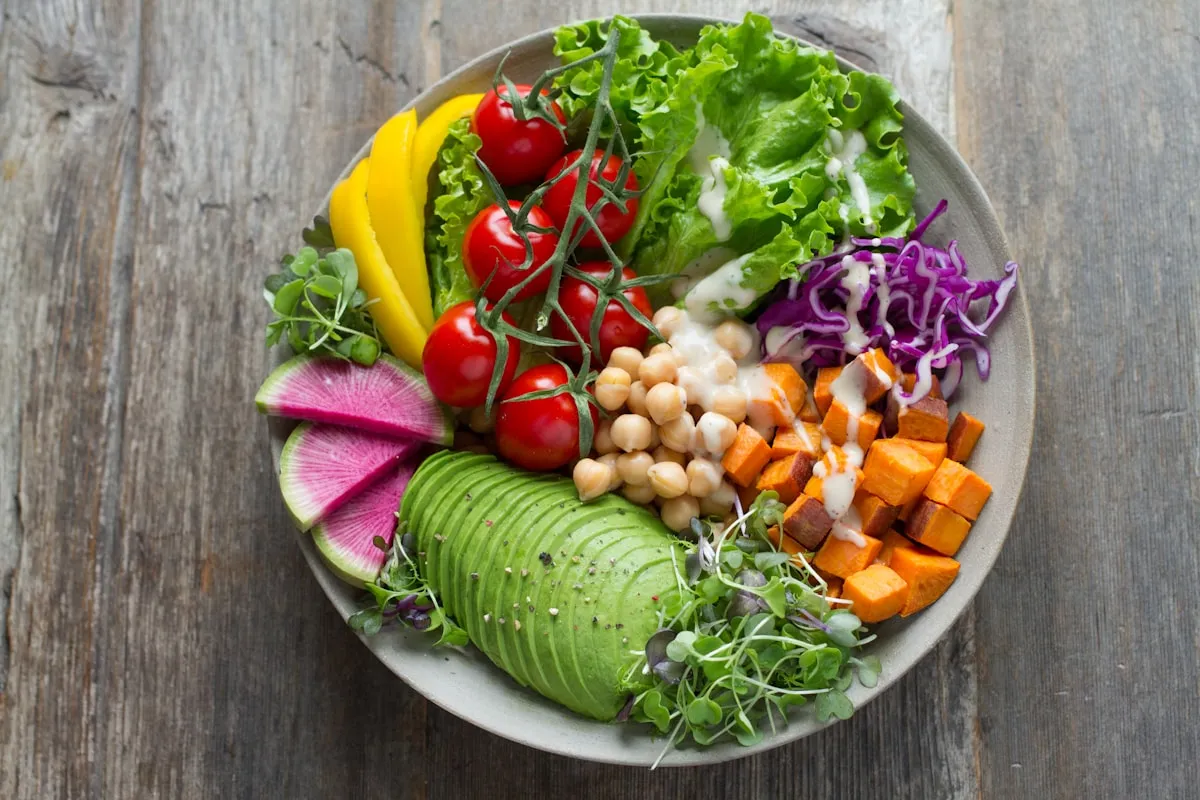
Don't ignore the power of fruit in your savory dinners either. Watermelon, peaches, and nectarines are in their prime during July. They add a necessary sweetness that balances the saltiness of vegan feta or the heat of a spicy peanut sauce. Replace your standard tomato salad with a peach and basil salad to instantly elevate a simple bowl of grains.
Finding the Perfect Side Dish Balance
A great plant-based main often needs a side dish that provides a contrast in texture or temperature. If you are serving a warm, spiced chickpea stew, pair it with a cold, crunchy slaw. The contrast between the soft, creamy beans and the crisp, acidic cabbage makes the meal feel more complete.
Avoid serving "soft on soft." For example, if you're making a creamy avocado pasta, skip the soft steamed veggies on the side. Instead, go for something with a serious snap, like charred snap peas or a raw arugula salad. This textural variety is what keeps the palate engaged.
For a classic summer pairing, nothing beats grilled corn on the cob or a fresh garden salad. If your main dish is quite "bright" or acidic (like a lemon-tahini bowl), balance it with a side that has a bit of earthy depth, like roasted sweet potatoes or a simple slice of crusty sourdough bread.
Cooking FAQ: Solving Your Plant-Based Problems
Why does my tofu always turn out soggy?
Soggy tofu is usually the result of trapped moisture. You must press your tofu for at least 15–20 minutes before cooking. If you're using it in air fryer recipes dinner routines, a light coating of cornstarch after pressing will help absorb any remaining surface moisture and give you that crunch you're looking for.
Can I use frozen vegetables for these quick dinners?
Absolutely. Frozen vegetables are often frozen at peak ripeness, making them just as nutritious as fresh ones. However, keep in mind that they release more water when cooked. To prevent your meal from becoming a soup, roast or air-fry frozen veggies directly from frozen at a high temperature (400°F/200°C) rather than thawing them first.
How do I make plant-based meals more filling for my family?
The "fullness" factor usually comes down to three things: fiber, fat, and protein. If your family is still hungry after a salad, you're likely missing healthy fats or complex carbohydrates. Add half an avocado, a handful of toasted seeds, or a side of quinoa to your healthy dinner ideas to ensure everyone stays satisfied until breakfast.
Is it okay to prep these meals in advance?
Most grain-based salads and bean dishes actually taste better the next day because the flavors have had time to meld. However, avoid dressing your salads until you’re ready to eat to prevent wilting. Store your grains, proteins, and chopped veggies in separate airtight containers in the fridge for up to four days for the ultimate quick meal assembly.
My plant-based meals feel "flat." What am I missing?
You’re likely missing acidity or salt. Most home cooks under-salt plant proteins like lentils and beans. Additionally, a squeeze of fresh lime or a splash of apple cider vinegar right before serving acts like a volume knob for flavor, making everything "pop" without adding extra heat.
{“@type”:”BlogPosting”,”author”:{“name”:”Penny”,”@type”:”Person”},”@context”:”https://schema.org”,”headline”:”Top 10 Plant-Based Dinner Ideas for Busy July Nights”,”publisher”:{“logo”:{“url”:”https://cookpedia.com/logo.png”,”@type”:”ImageObject”},”name”:”Cookpedia”,”@type”:”Organization”},”mainEntity”:[{“name”:”Why does my tofu always turn out soggy?”,”@type”:”Question”,”acceptedAnswer”:{“text”:”Soggy tofu is usually the result of trapped moisture. You must press your tofu for at least 15–20 minutes before cooking to remove excess water. For extra crispiness in an air fryer, use a light coating of cornstarch.”,”@type”:”Answer”}},{“name”:”Can I use frozen vegetables for quick dinners?”,”@type”:”Question”,”acceptedAnswer”:{“text”:”Yes, frozen vegetables are highly nutritious. To avoid sogginess, cook them directly from frozen at a high temperature rather than thawing them first.”,”@type”:”Answer”}},{“name”:”How do I make plant-based meals more filling?”,”@type”:”Question”,”acceptedAnswer”:{“text”:”Ensure you include a balance of fiber, healthy fats (like avocado or seeds), and complex carbohydrates (like quinoa or brown rice) to increase satiety.”,”@type”:”Answer”}}],”description”:”Discover 10 quick, healthy, and plant-based dinner ideas perfect for busy July nights. Learn the science of air-frying, emulsifying dressings, and seasonal swaps to keep your kitchen cool.”}