Recipe
Servings
Servings 1×
Ingredients
- Tofu
- Lentils
- Chickpeas
- Beans
- Pasta
- Noodles
- Rice
- Tortillas
- Bread
- Broccoli
- Carrots
- Zucchini
- Spinach
- Kale
- Greens
- Cucumber
- Tomatoes
- Garlic
Method
- Rinse your canned chickpeas, lentils, and beans thoroughly under cold water.
- Use a mandoline or a spiralizer to create thin "zoodles" or ribbons of carrots and zucchini.
- Keep your dressing in a separate jar and toss it in just before serving.
- Keep your dressing in a separate jar and toss it in just before serving to prevent vegetables from releasing water.”,”@type”:”Answer”}},{“name”:”Can I still get enough protein without cooking?”,”@type”:”Question”,”acceptedAnswer”:{“text”:”Yes.
When the July heat hits its peak and your kitchen feels like a literal sauna, the last thing you want to do is stand over a steaming pot of pasta or preheat an oven to four hundred degrees. I’ve been there, staring at the pantry while sweating through my favorite apron, wondering if a bowl of cereal counts as a balanced meal. It doesn't have to be that way. You can serve up vibrant, nutrient-dense, and satisfying meals without ever touching a burner. My blog is all about keeping things simple, so let's skip the stove and dive into these refreshing solutions for those sweltering summer evenings.
The Science of Cold: Mastery of the No-Cook Kitchen
Transitioning to a no-cook lifestyle during the summer isn't just about laziness; it’s actually a brilliant way to maximize nutrition and keep your home's internal temperature down. Every time you turn on a heat source, you’re fighting against your air conditioning. While I usually swear by air fryer recipes dinner for their speed, even the small amount of heat they emit can feel like too much in 90-degree weather. By focusing on raw or pre-prepared "real food" ingredients, you maintain the integrity of delicate enzymes and heat-sensitive vitamins like Vitamin C and B vitamins, which often degrade during boiling or roasting.
To master these quick family meals, you need to change how you view your pantry. Think of canned goods and pre-soaked grains as your building blocks. Rinse your canned chickpeas, lentils, and beans thoroughly under cold water. This not only removes excess sodium but also lowers their temperature, making them a refreshing protein base for any bowl. If you must use grains like couscous or thin rice noodles, use the "soak method." Pour boiling water over them in a heat-proof bowl, cover it, and let them sit away from the kitchen. This keeps the ambient heat trapped in a bowl rather than venting into your living space.
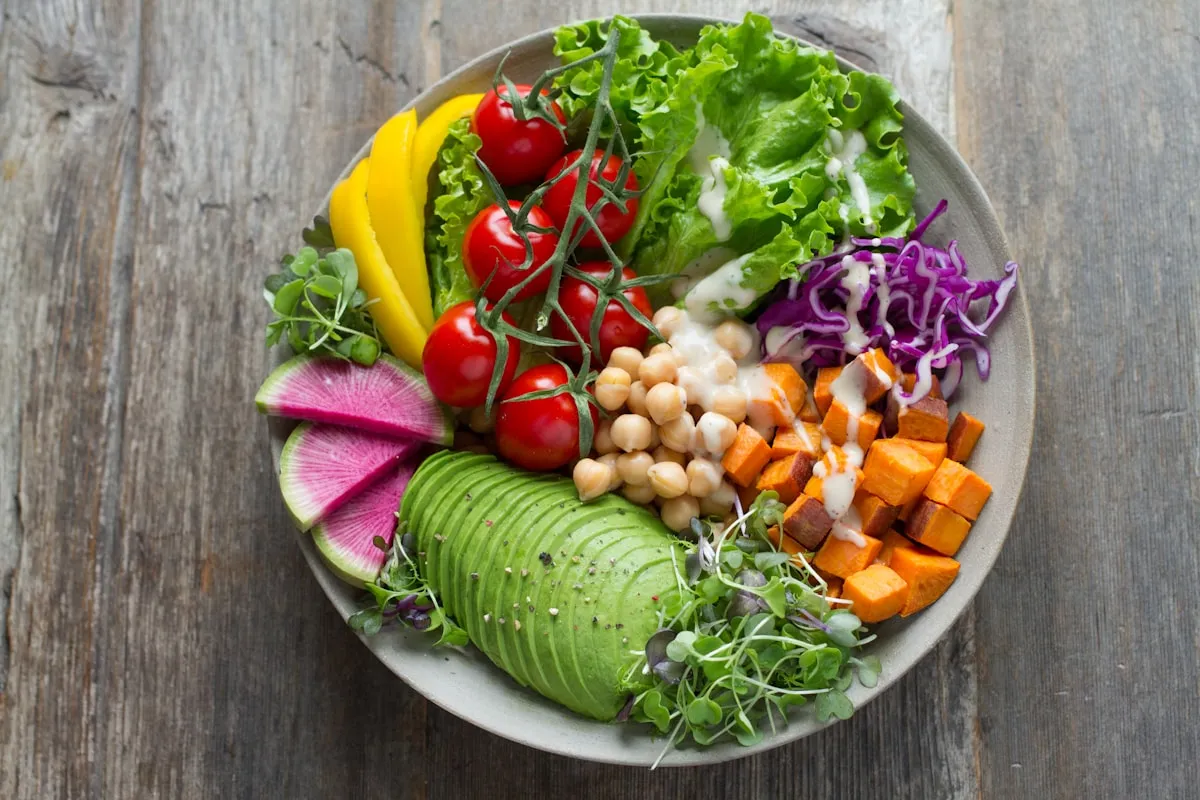
Focus on the "crunch factor" to keep your brain satisfied. When we eat cold food, our bodies sometimes miss the sensory feedback of a "hearty" hot meal. Counteract this by using high-water-content vegetables like cucumbers, radishes, and bell peppers. These provide a structural bite that mimics the satisfaction of cooked textures. Use a mandoline or a spiralizer to create thin "zoodles" or ribbons of carrots and zucchini. This increased surface area allows your cold dressings to coat every inch, ensuring big flavor without any heavy simmering.
Don't overlook the power of acidity and healthy fats. In the absence of heat-induced caramelization (which provides depth), you must rely on bright acids like lime juice, rice vinegar, or balsamic glaze to wake up the palate. Pair these with creamy avocados or a dollop of high-quality tahini. These fats carry the flavors across your tongue and provide the satiety needed for healthy dinner ideas that actually stick with you until breakfast. Check your pantry for nuts and seeds as well; a handful of toasted pecans or pumpkin seeds adds the essential fat and protein that turns a light salad into a proper dinner.
Creative Shifts: Adapting Your Plant-Based Palette
The beauty of no-cook dining is the infinite flexibility of the "template." If a recipe concept calls for chickpeas but you only have cannellini beans, make the swap without hesitation. The textures are similar enough that the cooling effect remains the same. For those who miss the chewiness of meat, marinated tofu is your best friend. You can buy pre-pressed, smoked, or marinated tofu at most stores, which can be cubed and tossed directly into salads or wraps. It provides a dense, satisfying protein hit that doesn't require a second of cooking time.
Consider the "Deconstructed Summer Roll" as a prime example of a variation. Instead of struggling with sticky rice paper on a humid night, simply toss all those vibrant fillings, shredded cabbage, mint, cilantro, and tofu, into a large bowl and use the peanut sauce as a dressing. This saves you time and frustration while keeping the flavor profile identical. Similarly, if you're out of traditional greens, use sturdy vegetables like broccoli slaw or shredded kale as your base. These won't wilt as quickly as spinach when tossed with vinaigrettes, making them perfect for those who like to prep their quick family meals a few hours in advance.
Balancing the Plate: Essential Side Pairings
Even the best no-cook main dish benefits from a thoughtful sidekick. Think about contrast. If you are serving a creamy "tuna" chickpea salad in lettuce cups, you need something sharp and hydrating on the side. A chilled fruit salad seasoned with lime and a pinch of chili powder provides a sweet and spicy kick that cleanses the palate between bites.
Another excellent pairing is a simple gazpacho or chilled cucumber soup. Since these are blended rather than boiled, they act as a "liquid salad" that helps with hydration during those dry July nights. If your main dish is a heavier mezze board with hummus and pita, keep the side light with a simple plate of sliced heirloom tomatoes topped with nothing but flaky sea salt and a drizzle of olive oil. This emphasizes the "real food" philosophy we love at Cookpedia, letting the peak-summer produce do the heavy lifting. Avoid heavy, starchy sides that make you feel sluggish in the heat; instead, prioritize anything that comes straight from the crisper drawer.
No-Cook Strategy FAQ
How do I stop my no-cook salads from getting soggy?
Avoid dressing the entire bowl if you aren't eating it immediately. The salt in dressings draws water out of vegetables (especially cucumbers and tomatoes) through osmosis, leaving you with a puddle at the bottom of the bowl. Keep your dressing in a separate jar and toss it in just before serving. For sturdier options, use a base of grains or legumes which actually benefit from marinating in the fridge for an hour.
Can I still get enough protein without cooking?
Absolutely. Canned beans, lentils, and chickpeas are protein powerhouses that are ready to eat. Don't forget about hemp seeds, chia seeds, and nuts, which can be sprinkled over any dish for an extra boost. Marinated tofu and tempeh are also excellent "cold" proteins. If you're really in a rush, a high-quality hummus can serve as the primary protein source for a meal when paired with enough raw vegetables and a few whole-grain crackers.
Is it safe to eat canned beans straight from the tin?
Yes, canned beans are already cooked during the canning process. However, always rinse them thoroughly. This removes the starchy, salty liquid (aquafaba) which can sometimes cause digestive upset if consumed in large quantities raw. Rinsing them under cold water also helps firm up their texture, making them much more pleasant in a cold healthy dinner ideas context.
What if my family misses the "warmth" of a traditional dinner?
Focus on "warming" spices rather than physical heat. Ingredients like ginger, cumin, garlic, and black pepper can create a mild thermogenic effect and provide a depth of flavor that mimics the satisfaction of a cooked meal. You can also serve your no-cook meal with a side of room-temperature whole-grain bread or slightly warmed pita if you truly can't do without a bit of heat.
How long can these meals stay in the fridge?
Most no-cook plant-based meals are best within 24 to 48 hours. Because many of these healthy dinner ideas rely on fresh, raw produce, they will eventually lose their crunch. If you are meal prepping, store the "wet" ingredients like cut tomatoes and dressed beans separately from your leafy greens and crunchy garnishes. This ensures that your Tuesday night dinner is just as refreshing as it was on Sunday afternoon.
{“@type”:”BlogPosting”,”image”:”https://cdn.marblism.com/JQRy10qrZNy.webp”,”author”:{“name”:”Cookpedia”,”@type”:”Organization”},”faqPage”:{“@type”:”FAQPage”,”@context”:”https://schema.org”,”mainEntity”:[{“name”:”How do I stop my no-cook salads from getting soggy?”,”@type”:”Question”,”acceptedAnswer”:{“text”:”Avoid dressing the entire bowl if you aren’t eating it immediately. Keep your dressing in a separate jar and toss it in just before serving to prevent vegetables from releasing water.”,”@type”:”Answer”}},{“name”:”Can I still get enough protein without cooking?”,”@type”:”Question”,”acceptedAnswer”:{“text”:”Yes. Canned beans, lentils, chickpeas, nuts, seeds, and pre-marinated tofu are all excellent plant-based protein sources that require no heat.”,”@type”:”Answer”}},{“name”:”Is it safe to eat canned beans straight from the tin?”,”@type”:”Question”,”acceptedAnswer”:{“text”:”Yes, they are pre-cooked. Rinsing them thoroughly is recommended to improve texture and reduce sodium content.”,”@type”:”Answer”}}]},”@context”:”https://schema.org”,”headline”:”Top 10 No-Cook Plant-Based Dinner Ideas for Hot July Nights”,”publisher”:{“logo”:{“url”:”https://cdn.marblism.com/r31hCYxu5lk.webp”,”@type”:”ImageObject”},”name”:”Cookpedia”,”@type”:”Organization”},”description”:”Discover refreshing, healthy, and quick plant-based dinner ideas that require zero cooking. Perfect for hot summer nights when you want to stay out of the kitchen.”,”datePublished”:”2026-07-03″,”mainEntityOfPage”:{“@id”:”https://cookpedia.com/no-cook-plant-based-dinner-ideas”,”@type”:”WebPage”}}