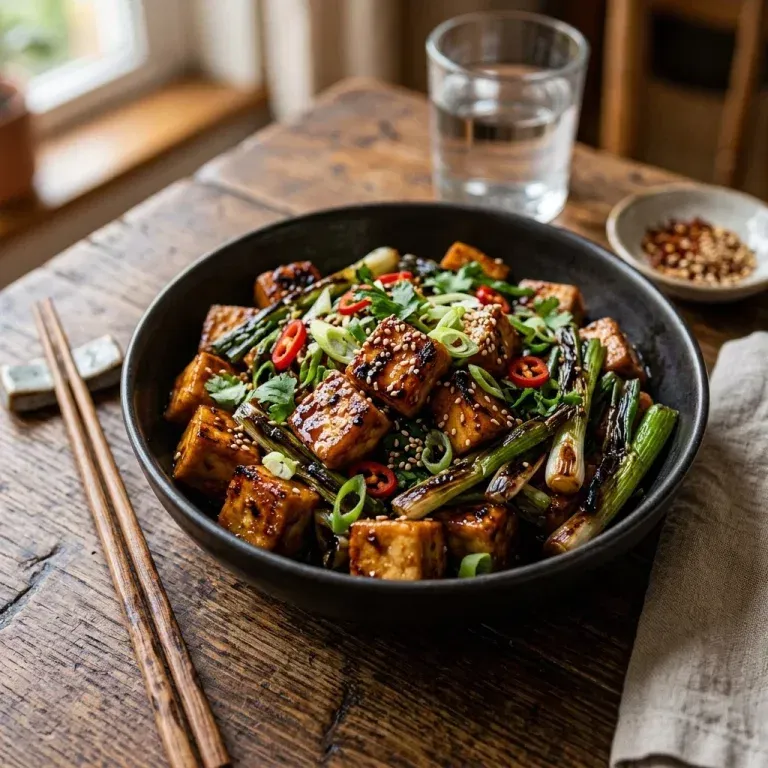
Recipe
Servings
Servings 1×
Ingredients
- The main ingredients named in the article
- Cooking oil
- Salt and black pepper
Method
- Prepare the ingredients described in the article and heat the cooking surface or oven as directed.
- Cook the main ingredients using the heat and timing guidance in the article.
- Finish with the seasonings and garnishes named in the article, then serve.
When you walk into a kitchen where someone is crushing fresh basil or sautéing rosemary, you aren't just smelling "plants." You are experiencing a complex chemical release of Volatile Organic Compounds (VOCs). These tiny, carbon-based molecules are the essence of flavor, and understanding how to trap them in a lipid matrix, specifically, high-quality extra virgin olive oil, is the difference between a bland drizzle and a culinary masterpiece. In my blog, we don't just cook; we manipulate molecular structures to make quick family meals taste like a five-star experience.
The Molecular Ballet: Solubility and Kinetic Energy
To master herb-infused oils, you must first understand lipophilicity. Most of the aromatic compounds in herbs, think linalool in basil, thymol in thyme, or carvacrol in oregano, are hydrophobic. This means they loathe water but love fats. When you submerge these herbs in olive oil, you are essentially performing a solvent extraction. The oil acts as a medium that pulls these VOCs out of the plant’s glandular trichomes and holds them in suspension.
Temperature is your primary lever for controlling this extraction. Increasing the temperature of your oil increases the kinetic energy of the molecules. Higher kinetic energy leads to more frequent collisions between the oil molecules and the herb’s cell walls, accelerating the rate at which the aromatic compounds dissolve. However, there is a "Goldilocks zone." If you heat your oil past 180°F (82°C), you risk two chemical catastrophes: oxidative rancidity of the olive oil and the thermal degradation of the VOCs themselves. Many delicate compounds, especially those in soft herbs like cilantro or parsley, are extremely heat-sensitive. High heat will cause these molecules to oxidize or rearrange into less pleasant, "grassy" or "hay-like" isomers.
For healthy dinner ideas that pop, use a low-and-slow approach. If you are working with "woody" herbs like rosemary or sage, a gentle heat (around 140°F) helps break down the tougher cellulose structures to release those deep, resinous terpenes. If you’re working with "soft" herbs, stick to a cold infusion or a very brief flash-heat to preserve the bright, ester-heavy top notes.

Variations: Infusion Kinetics and Herb Selection
Not all herbs are created equal in the eyes of organic chemistry. We can categorize them based on their moisture content and the stability of their VOC profiles.
The Dry-Herb Protocol: Dried herbs are excellent for long-term infusions because their water activity is significantly lower, which drastically reduces the risk of microbial growth. The lack of moisture means you can let these sit at room temperature for weeks. The flavors here are often more concentrated and "base-heavy," perfect for adding depth to air fryer recipes dinner prep where the high-circulating heat of the air fryer will further bloom the spices.
The Fresh-Herb Protocol: Fresh herbs offer a vibrant, "green" profile thanks to their high concentration of aldehydes and alcohols. However, they also contain water. Water is the enemy of shelf-stable oil. When fresh herbs are submerged, the water can create an anaerobic environment at the bottom of the bottle, a perfect breeding ground for Clostridium botulinum. To mitigate this, you must either use the oil immediately, acidify the herbs with citric acid before infusion, or keep the finished product refrigerated and consume it within 4 days.
If you want a more complex profile, try a "multi-stage" infusion. Start with woody herbs and a light heat to build a foundational base of terpenes, then cool the oil and add fresh, soft herbs for a secondary layer of delicate aromatics. This creates a full-spectrum flavor profile that covers both the low-frequency earthy notes and the high-frequency citrusy notes.
Balancing the Plate: Pairings and Chemical Synergy
An infused oil is a concentrated fat source, and in the world of culinary science, fat requires a counter-balance. The most effective way to cut through the richness of an infused olive oil is through acidity and bitterness.
When you use your rosemary-infused oil to finish a dish, pair it with a splash of high-quality balsamic vinegar or a squeeze of lemon. The acetic or citric acid provides a "sharp" contrast to the "round" mouthfeel of the oil, effectively resetting your palate with every bite. This is particularly effective when used over starches. Think of a simple arugula salad where the peppery bitterness of the greens (caused by glucosinolates) interacts with the fatty lipids of the oil to soften the bite of the leaves while heightening the herbaceous aroma.
For a more substantial meal, use your herb oil as a finishing touch for quick family meals like roasted salmon or pan-seared tofu. The oil acts as a hydrophobic barrier on the surface of the food, preventing moisture loss while providing a burst of aromatic compounds that travel from the back of the mouth to the olfactory bulb as you chew, a process known as retronasal olfaction.
Frequently Asked Questions
Why did my infused oil turn cloudy in the fridge?
This is a physics problem, not a spoilage problem. Extra virgin olive oil contains triacylglycerols with varying degrees of unsaturation. When you lower the temperature, the molecules with more saturated fatty acids begin to crystallize and solidify. This creates a cloudy, semi-solid appearance. Simply leave the bottle at room temperature for 15 minutes, and the crystals will melt back into a clear liquid. It does not affect the VOC profile or the quality of the oil.
Can I use my infused oil for high-heat frying?
I wouldn't recommend it. While the smoke point of EVOO is higher than most people think (around 375°F-400°F), the VOCs you worked so hard to extract are much more volatile. Subjecting an infused oil to the intense heat of a frying pan will cause those delicate aromatic compounds to vaporize or break down before they ever hit your taste buds. Use a neutral oil for the heavy lifting and save your infused oil for finishing or low-heat healthy dinner ideas.
How do I know if my oil has gone rancid?
Rancidity is the result of lipid oxidation, a chain reaction where oxygen molecules attack the fatty acid chains, creating off-flavored peroxides and aldehydes. You will smell it before you see it. If your oil smells like "old crayons" or "stale cardboard," the oxidation has reached a point where the flavor is compromised. To prevent this, store your oil in a cool, dark place and use dark glass bottles to block UV light, which acts as a catalyst for oxidation.
Is botulism a real concern with home-infused oils?
Yes, absolutely. Clostridium botulinum spores are commonly found in soil and can cling to fresh herbs and garlic. In an oxygen-free (anaerobic) environment like an oil bottle, these spores can germinate and produce a deadly toxin. If you are using fresh ingredients, you must either acidify them first or keep the oil refrigerated and treat it as a perishable item. Never leave fresh-herb-infused oil on the counter for more than a few hours.
Does the quality of the olive oil really matter?
Think of the oil as a blank canvas. If the canvas is already stained with the metallic or "fusty" notes of low-quality oil, your herb VOCs will have to compete for attention. High-quality EVOO already contains its own set of polyphenols and volatiles that complement the herbs. Using a "flat" or old oil will result in a "flat" infusion. Always start with a fresh, peppery EVOO for the best results in your air fryer recipes dinner creations or salad dressings.