Recipe
Servings
Servings 1×
Ingredients
- Pasta
- Bread
- Zucchini
- Lemon
- Cream
- Salt
Method
- Use a high-quality thermometer to monitor this process.
- Let the pot sit undisturbed to allow the curds to strengthen and float to the surface.
- Use it within 3 to 4 days.
- Use it as a base for smoothies, use it to boil pasta for extra flavor, or substitute it for water in bread recipes.
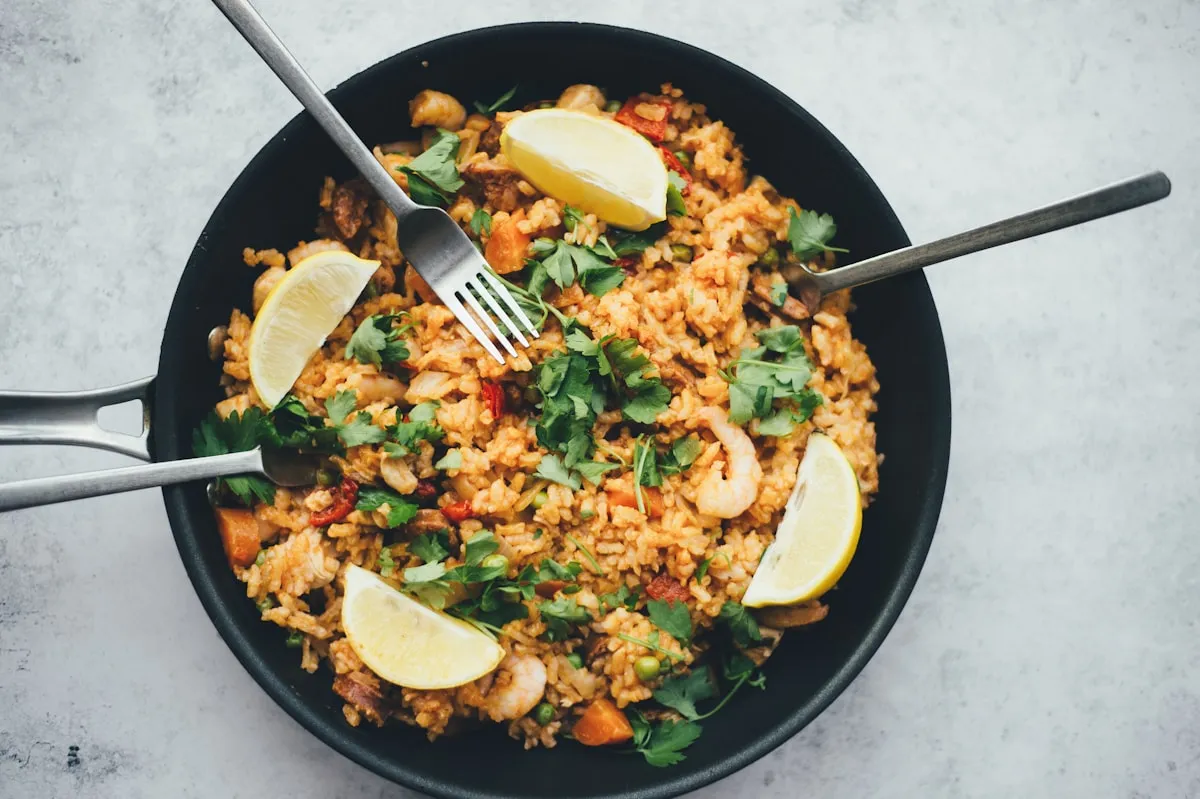
There is something undeniably magical about watching liquid milk transform into pillowy, snow-white clouds of cheese in your own kitchen. It feels like a high-school chemistry experiment you actually want to eat. If you have been searching for healthy dinner ideas that add a touch of gourmet flair without the fuss, mastering fresh ricotta is your new secret weapon. It is fast, rewarding, and scientifically fascinating. Forget the grainy, tub-stored stuff from the grocery store; we are diving deep into the biochemistry of how heat and acid turn humble dairy into a culinary masterpiece.
The Molecular Ballet: Heat, Acid, and Proteins
To understand ricotta, you have to understand milk. Think of milk as a stable emulsion where protein structures called casein micelles are floating around, minding their own business. These micelles have a "hairy" outer layer that carries a negative charge, causing them to repel each other like the same ends of two magnets. As long as those charges stay put, your milk remains liquid.
The transformation begins with thermal denaturation. When you heat milk to approximately 185°F to 200°F (85°C to 93°C), you are providing enough kinetic energy to vibrate those protein structures until they begin to unfold. This is the "science-heavy" part: you aren't just warming it up; you are physically changing the shape of the proteins. However, heat alone won't give you cheese. You need to neutralize those negative charges so the proteins can finally touch and bond.
This is where the acidic catalyst comes in. By introducing an acid: like lemon juice or vinegar: you lower the pH of the milk. As the pH drops toward the "isoelectric point" (around 4.6 for casein), the negative charges are neutralized. Suddenly, those "magnets" stop repelling and start sticking together. This is coagulation. The proteins form a three-dimensional matrix that traps milk fat and moisture, creating the beautiful curds we call ricotta.
Use a high-quality thermometer to monitor this process. Avoid boiling the milk, as aggressive bubbling can break the delicate protein chains before they have a chance to bond, resulting in a rubbery texture. Check the temperature constantly; the sweet spot is just before a rolling boil. If you pull the milk too early, the proteins won't be sufficiently denatured, and you’ll end up with a cloudy mess instead of distinct curds.
Once the acid is added, observe the syneresis. This is the technical term for the expulsion of liquid (whey) from the protein network. Stop stirring immediately after the curds form. If you over-agitate the mixture at this stage, you will shatter the fragile protein lattice, leading to a grainy, sandy mouthfeel. Let the pot sit undisturbed to allow the curds to strengthen and float to the surface.
Experimenting with pH and Fat Ratios
The beauty of homemade ricotta lies in your ability to manipulate the final texture through simple scientific adjustments. The source of your acid: the "coagulant": dictates the flavor profile and curd structure. Distilled white vinegar provides a very clean, sharp break and a neutral flavor, making it perfect for savory applications like my Spicy Tomato Basil One-Pot Linguine. Lemon juice, on the other hand, introduces citric acid and a bright, floral note, but its acidity can vary by the ripeness of the fruit, making it slightly less predictable than vinegar.
You can also play with the fat content to change the "yield" and creaminess. Traditional ricotta was actually made from the leftover whey of other cheese-making processes, but home cooks usually use whole milk. To achieve an ultra-decadent, "store-bought-could-never" silkiness, replace a portion of the milk with heavy cream. The extra fat globules get trapped within the protein matrix, acting as a lubricant between the curd particles. This is a game-changer for quick family meals where you want maximum impact with minimal effort.
If you prefer a firmer, saltier curd, increase the resting time in the cheesecloth. The longer you strain, the more whey is expelled through gravity, resulting in a dense cheese that holds its shape: perfect for crumbling over salads. Conversely, a short five-minute drain preserves a high moisture content, giving you a spreadable consistency that is ideal for breakfast toasts.
Elevating Your Side Dish Pairings
Ricotta is the ultimate team player in the kitchen, but it shines brightest when paired with elements that provide contrast. Because ricotta is inherently rich and creamy, it demands acidity or crunch to balance the palate.
Consider pairing your fresh curds with a high-acid vinaigrette or a pile of air-fried seasonal vegetables. If you are looking for air fryer recipes dinner ideas, try dolloping fresh ricotta onto crispy, air-fried zucchini chips or roasted peppers. The heat from the vegetables slightly softens the cheese, while the charred skin of the veggies provides the necessary textural counterpoint.
For a heartier meal, use your homemade cheese as a cooling element alongside spicy dishes. It works remarkably well as a topping for a Kielbasa and Pierogi Roast, where the creaminess of the ricotta cuts through the smokiness of the sausage. Always finish the dish with a sprinkle of flaky sea salt; the salt ions actually enhance your perception of the dairy's natural sweetness.
Troubleshooting Your Curds: FAQ
What if my milk doesn't curdle after adding the acid?
This is usually a pH issue. If the milk isn't acidic enough, the protein charges haven't been fully neutralized. Check your temperature first: if it's below 185°F, the proteins aren't "open" enough to bond. If the heat is right, add another tablespoon of acid and stir once. Ensure you aren't using "Ultra-Pasteurized" (UP) milk; the high heat used in UP processing denatures the proteins so severely that they often can't form a cohesive curd.
Why is my ricotta rubbery or tough?
You likely overcooked it or used too much acid. High heat causes the protein fibers to contract too tightly, squeezing out all the moisture and creating a rubbery "squeak." Similarly, an excess of acid can cause the proteins to clump too aggressively. Aim for the minimum amount of acid required to see a clear separation of yellowish whey.
Can I use skim milk for a lighter version?
You can, but be prepared for a lower yield and a much drier texture. Fat provides the structural integrity and "mouth-coating" quality we love in cheese. If you must use low-fat milk, avoid over-straining the curds, as you will need that extra whey moisture to compensate for the lack of lipids.
How do I store it and for how long?
Since this is a fresh cheese with a high moisture content and no preservatives, it is highly perishable. Store it in an airtight container in the coldest part of your fridge. Use it within 3 to 4 days. If it starts to smell yeasty or develops a slimy film, discard it immediately. The high water activity in fresh ricotta makes it a prime target for microbial growth.
What should I do with the leftover whey?
Don't pour that liquid gold down the drain! The leftover whey is packed with proteins and minerals. Use it as a base for smoothies, use it to boil pasta for extra flavor, or substitute it for water in bread recipes. The acidity in the whey actually helps strengthen gluten bonds in dough, leading to a better rise and a more tender crumb.