Recipe
Servings
Servings 1×
Ingredients
- Chicken
- Chickpeas
- Eggs
- Greek yogurt
- Bread
- Onion
- Lemon
- Feta
- Cooking oil
Method
- Prepare the ingredients described in the article and heat the cooking surface or oven as directed.
- Cook the main ingredients using the heat and timing guidance in the article.
- Finish with the seasonings and garnishes named in the article, then serve.
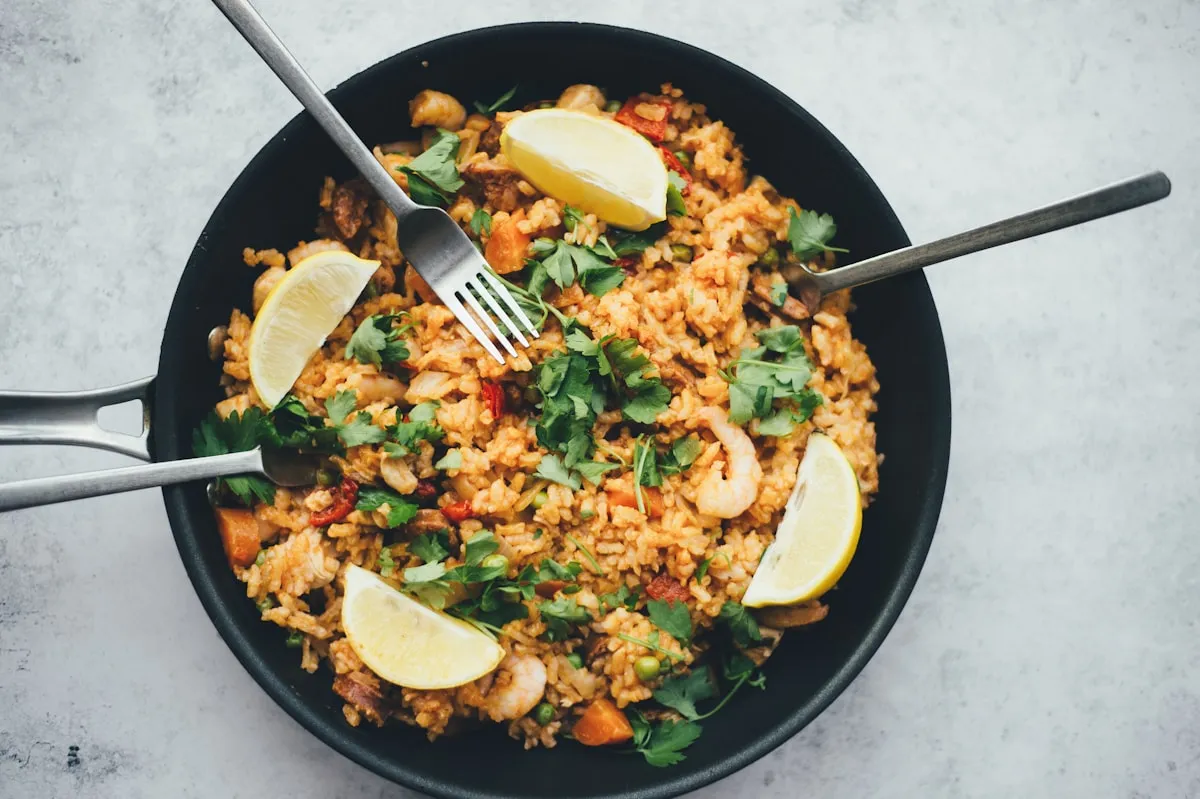
You know those nights when the fridge looks like a graveyard for half-used vegetable bags and your energy levels are hitting zero? That is exactly when the Mediterranean flatbread becomes your best friend. This isn't just "assembling food"; it’s a strategic deployment of flavors and textures that hits the table in less time than it takes to scroll through a delivery app. We are talking about a crispy, salty, tangy masterpiece that feels like a vacation on a plate, even if you’re just standing over your kitchen counter in sweatpants.
The Science of the Perfect Crunch
To get a flatbread that actually holds its own against juicy toppings, you have to understand the science of the crunch. Most people make the mistake of topping a cold flatbread and then heating the whole thing. Do not do this. You’ll end up with a soggy, sad piece of dough that has no structural integrity. Instead, focus on the Maillard reaction. This is the chemical reaction between amino acids and reducing sugars that gives browned food its distinctive flavor and texture.
Always toast your naked flatbread first. By applying direct heat to the surface of the bread before adding toppings, you are creating a hydrophobic barrier. This toasted layer prevents the moisture from the hummus or veggies from seeping into the dough fibers. If you’re looking for healthy dinner ideas, remember that texture is just as important as nutrients. A crisp base makes the meal feel more substantial and satisfying.
Texture is also a product of fat distribution. Mediterranean cuisine relies heavily on olive oil and yogurt-based fats. When you spread a layer of hummus or Greek yogurt onto a warm, toasted flatbread, the fats begin to soften and coat the gluten strands. This creates a "tender-crisp" mouthfeel. The fat interferes with the gluten's ability to form a tough bond, ensuring every bite is easy to tear but still offers a satisfying snap.
Efficiency is the name of the game here. While your flatbread is achieving that perfect golden-brown state in the oven or air fryer, one of my favorite air fryer recipes dinner shortcuts, you should be prepping your cold toppings. This parallel-processing technique is how you get a "slow food" flavor in a "fast food" timeframe. Use high-impact ingredients like Kalamata olives and feta cheese. These provide an "umami bomb" that negates the need for long simmering times or complex marinades.
Flavor Profiles and Variations
The beauty of the flatbread is its versatility. Once you master the base technique, you can pivot faster than a line cook during a dinner rush. The classic version focuses on the holy trinity of Mediterranean flavors: acidity, fat, and brine. But you don't have to stop there.
For a protein-packed version, try adding thinly sliced grilled chicken. The lean protein balances perfectly with a cooling dollop of tzatziki. If you’re leaning into plant-based territory, a thick layer of baba ganoush (roasted eggplant dip) provides a smoky depth that mimics meatiness without the heavy footprint. For those who want something truly unique, try a breakfast variation with a soft-boiled egg and a sprinkle of za'atar. The runny yolk acts as a natural sauce, enriching the entire dish.
Always remember to balance your "heavy" fats (like cheese and dips) with "bright" acids. A squeeze of fresh lemon juice or a handful of pickled red onions isn't just a garnish; it’s a necessary chemical component that cuts through the richness and cleanses your palate between bites. These are the kinds of quick family meals that keep everyone happy because they are customizable to the last olive.
Perfect Side Dish Pairings
While a loaded flatbread is a meal in itself, adding a quick side dish can elevate the entire experience. I usually opt for something that offers a contrast in temperature or texture.
A simple arugula salad is my go-to. The natural pepperiness of arugula complements the creamy feta and salty olives perfectly. Toss it with nothing more than lemon juice and a high-quality extra virgin olive oil. If you want more crunch, roast some chickpeas with a bit of cumin and paprika. These can even be tossed into your air fryer while the flatbread finishes. The goal is to keep the "quick" in quick cooking; don't overcomplicate the sides and overshadow the main event.
Frequently Asked Questions
Can I use any type of bread for this?
Technically, yes, but the results will vary. Traditional naan, pita, or even a thick flour tortilla can work. However, the thinner the bread, the faster it will crisp up. Avoid using standard sandwich bread, as it lacks the density to support the weight of the Mediterranean toppings without turning into a floppy mess.
How do I stop the toppings from falling off?
The "glue" is the most important layer. Whether you are using hummus, labneh, or a thick Greek yogurt, make sure it is spread edge-to-edge. This layer acts as an adhesive for your smaller veggies and feta crumbles. Also, chop your vegetables into uniform, small pieces. Giant chunks of cucumber are statistically more likely to slide off and end up on your shirt.
Can I make this ahead of time?
I wouldn’t recommend fully assembling it more than 20 minutes before eating. The moisture from the toppings will eventually win the war against your crispy crust. However, you can absolutely prep all your toppings (the "mise en place") and keep them in airtight containers in the fridge. That way, when you’re ready to eat, you’re just 5 minutes away from a hot meal.
Why does my flatbread get chewy instead of crispy?
Chewiness usually happens when the bread is heated at too low a temperature for too long. This dries out the interior moisture without crisping the exterior. Use a high heat (around 400°F/200°C) for a shorter duration. This flash-toasting creates that elusive "shatter" texture on the outside while keeping the inside slightly pillowy.
Is this actually healthy?
Absolutely. You’re hitting all the major food groups: complex carbs from the bread, healthy fats from the olives and oil, and plenty of vitamins from the fresh vegetables. It’s one of those rare dishes where "fast" doesn't mean "compromised." Use a whole-wheat flatbread if you want an extra boost of fiber to keep you full until breakfast.