Recipe
Servings
Servings 1×
Ingredients
- Tofu
- Chickpeas
- Quinoa
- Kale
- Avocado
- Lemon
- Tahini
- Butter
- Cooking oil
- Soy sauce or tamari
- Salt
Method
- Pat your vegetables completely dry before tossing them in oil.
- Use a strict 1:1.75 ratio of quinoa to water.
- Cut your vegetables into uniform pieces to ensure they finish roasting at the same time.
- Let people choose their protein, crispy chickpeas provide a great crunch, while marinated tofu offers a softer, protein-dense contrast.
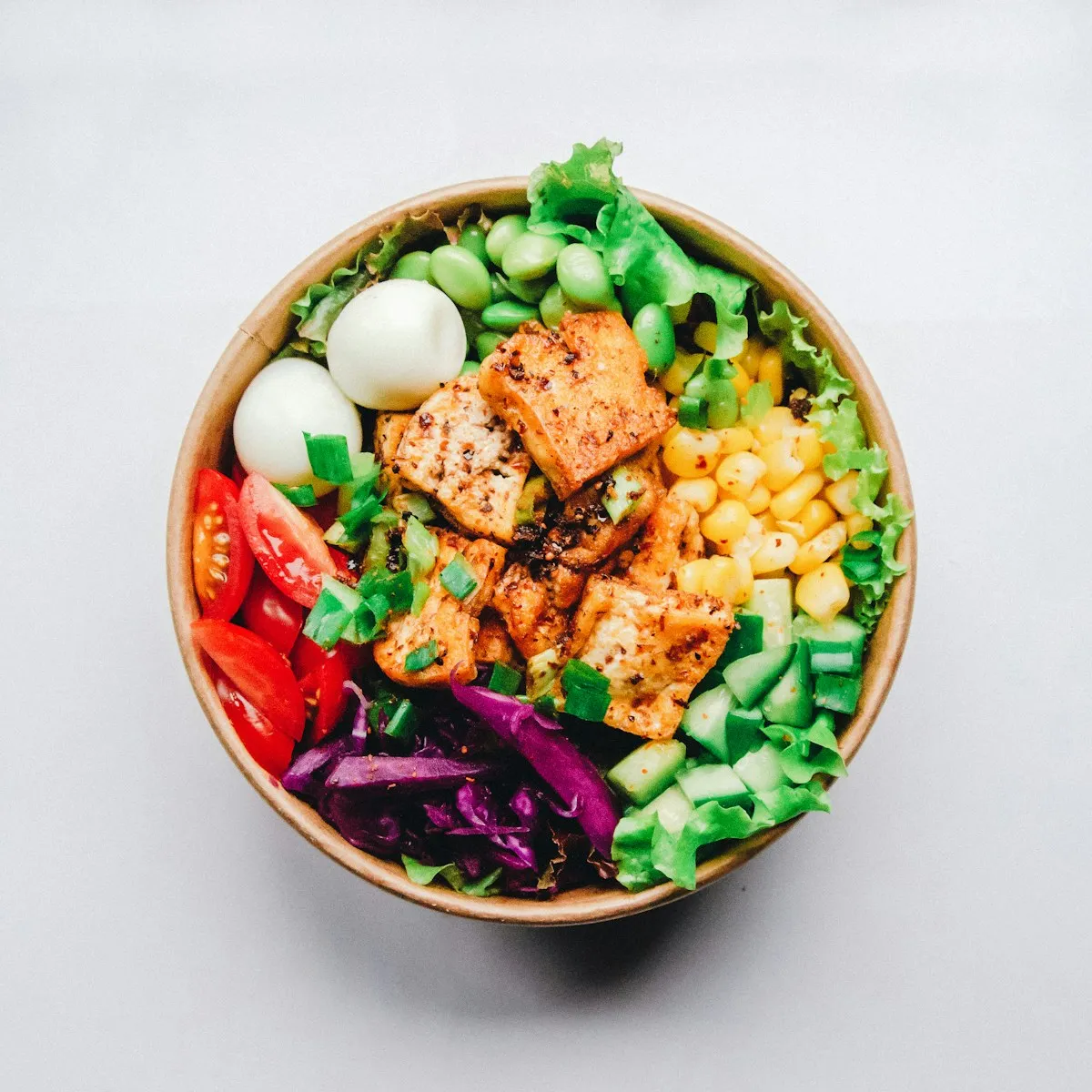
Building a Buddha bowl isn't just about tossing random leftovers into a ceramic vessel and calling it a day. It is an exercise in meal architecture. When you assemble a Vegan Roasted Vegetable and Quinoa Buddha Bowl, you are balancing macronutrients, textures, and chemical reactions to create a cohesive experience. My blog focuses on making these high-impact flavors approachable, and this bowl is the ultimate example of how a few scientific tweaks can turn basic produce into a gourmet standard. Forget sad salads; we are talking about a precision-engineered lunch or dinner that satisfies every sensory requirement.
The Science of the Sear and the Grain
To master the Buddha bowl, you must first understand the Maillard reaction. This chemical reaction between amino acids and reducing sugars is what gives your roasted vegetables that deep, umami-rich brown crust. It typically begins at temperatures above 285°F (140°C). If your oven is too cool, your vegetables will merely steam in their own moisture, resulting in a limp, lackluster texture. Preheat your oven or air fryer to at least 400°F. Pat your vegetables completely dry before tossing them in oil. Any surface water will prioritize evaporation over browning, stalling the Maillard reaction and ruining your flavor profile.
When it comes to the quinoa base, we are dealing with starch gelatinization. Quinoa is technically a seed, but it behaves like a grain. Always rinse your quinoa in a fine-mesh strainer under cold water. This removes the saponins, naturally occurring bitter compounds that act as the plant's defense mechanism. If you skip this, your bowl will have a soapy aftertaste. Use a strict 1:1.75 ratio of quinoa to water. You want the starch granules to absorb enough water to swell and soften without bursting, which leads to mush. Once the water is absorbed, remove from heat and let it sit, covered, for ten minutes. This allows the steam to finish the gelatinization process evenly, resulting in those distinct, fluffy spirals.
Don't ignore the importance of surface area. Cut your vegetables into uniform pieces to ensure they finish roasting at the same time. If you’re looking for healthy dinner ideas that don't take all night, use a heavy-gauge rimmed baking sheet. It acts as a heat sink, transferring energy directly into the food. Avoid overcrowding the pan; if the pieces are touching, they will trap steam, and you’ll lose that critical crispness. If you want a faster route, many of these components can be adapted into air fryer recipes dinner plans, which utilize high-velocity convection to achieve browning in half the time.
Flavor Variations and Sensory Profiles
The beauty of the Buddha bowl is its modularity. You can easily pivot the flavor profile by adjusting your roasting spices or your dressing's base. For a Mediterranean spin, use oregano, lemon zest, and a dollop of hummus. If you’re craving something with more heat, toss your vegetables in smoked paprika and cumin, and finish with a spicy almond butter dressing. The goal is always to hit the five basic tastes: salt, sweet (from the caramelization), sour (from your citrus or vinegar), bitter (from greens like kale or arugula), and umami (from the roasted elements and tamari).
If you need quick family meals that please everyone, set up a "build-your-own" station. Let people choose their protein, crispy chickpeas provide a great crunch, while marinated tofu offers a softer, protein-dense contrast. Think about the "why" behind your toppings. Radishes aren't just for color; they provide a sharp, peppery bite that cuts through the richness of a tahini dressing. Avocado adds the necessary lipids to help your body absorb the fat-soluble vitamins (A, D, E, and K) found in the roasted vegetables.
Side Dish Pairings for Balance
While a Buddha bowl is intended to be a complete meal, you can enhance the experience with thoughtful pairings. The richness of roasted tubers and creamy dressings often requires a high-acid counterpoint. A small side of pickled red onions or a quick cucumber-vinegar salad provides the necessary acetic acid to cleanse the palate between bites.
If you want to lean into the warmth of the meal, a light, broth-based soup like a clear miso or a gingery vegetable consommé works wonders. Avoid heavy, cream-based sides; the bowl already has significant "heft" from the quinoa and healthy fats. You want something that provides a "lift." A sparkling water with a heavy squeeze of lime or a chilled hibiscus tea also offers a floral acidity that complements the earthy notes of the roasted seeds and grains.
FAQ: Solving the Soggy Bowl Syndrome
Why are my roasted vegetables mushy instead of crispy?
This is almost always a moisture or temperature issue. Ensure your oven is fully preheated to at least 400°F (200°C). If you wash your broccoli or sweet potatoes and put them directly into the oven while damp, they will steam. Use a clean kitchen towel to bone-dry your produce. Also, check your oil usage. You need enough to coat, but too much will lead to greasy, limp results.
My quinoa is bitter; did I do something wrong?
You likely skipped the rinsing step. Quinoa has a natural coating called saponin. It’s the plant’s way of saying "don't eat me" to birds and insects. It is incredibly bitter and can even have a slightly "soapy" texture. Even if the box says "pre-washed," give it a thirty-second rinse under cold water in a fine-mesh sieve. Your taste buds will thank you.
How do I prevent the dressing from breaking?
Many Buddha bowl dressings use tahini or nut butters. These are emulsions. When you add acidic liquids like lemon juice or vinegar to tahini, it often seizes up and becomes thick and grainy. Don't panic. This is a normal chemical reaction. Gradually whisk in a tablespoon of room-temperature water at a time. The water helps the fats and solids re-emulsify, turning the paste into a silky-smooth sauce.
Can I meal prep this without everything getting gross?
Yes, but you have to be tactical about storage. Store your roasted vegetables and quinoa in one container, and keep your fresh greens and "wet" elements (like dressing and avocado) separate. Reheat the roasted components and grain together to revive the textures, then top with the cold, fresh items just before serving. This prevents the greens from wilting and the quinoa from becoming a soggy mess.
What if I don't have quinoa?
The "Buddha bowl" framework is adaptable. You can substitute quinoa with farro, brown rice, or even roasted cauliflower rice if you're looking for a lower-carb profile. Just remember that different grains have different starch gelatinization points and water requirements. Farro, for instance, requires a longer simmer and has a much chewier, nuttier end-result than the delicate fluff of quinoa. Choose your base based on the texture you want to emphasize.